Information
Landmark: Parque Nacional ChiloéCity: Chiloe
Country: Chile
Continent: South America
Parque Nacional Chiloé, Chiloe, Chile, South America
Overview
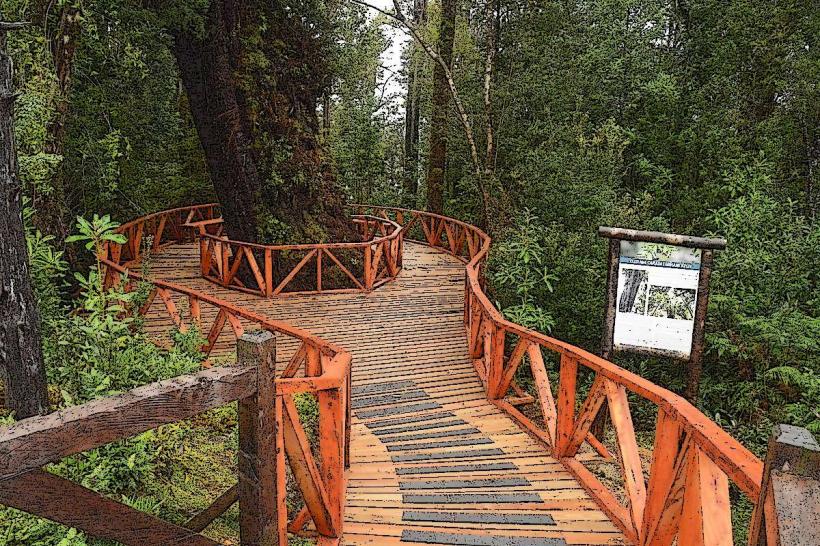
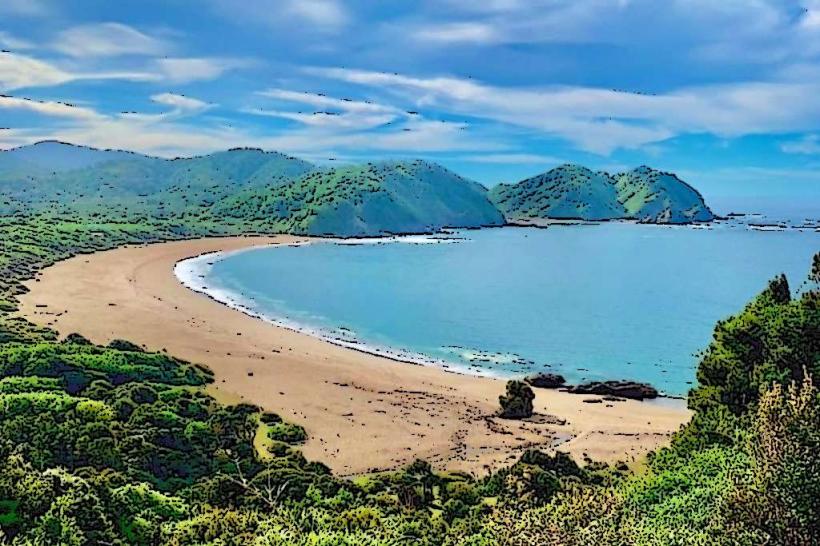
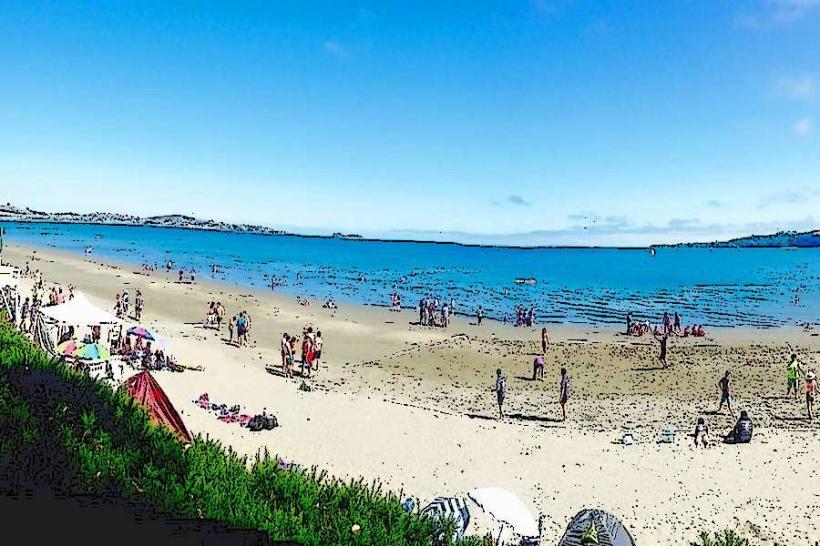
Parque Nacional Chiloé, a haven of wild beauty and rare wildlife, ranks among Chile’s most treasured nature reserves, stretching across the windswept shores and dense forests of the Isla Grande de Chiloé, as a result the park draws visitors with sweeping mountain views, quiet forests alive with birdsong, and an incredible variety of plants and wildlife.In a way, Founded in 1982, the park spans roughly 43,000 hectares, stretching across windswept hills and rocky shores in the heart of the Chiloé Archipelago, consequently the island blends lush rainforests, untouched shores, misty wetlands, and rugged mountain ranges, giving visitors the chance to step into its unforgettable natural heritage.Number one, clear and simple, furthermore chiloé National Park sits on the wild west coast of Isla Grande de Chiloé, just a short drive from the towns of Cucao, Achao, and Quellón.You can reach the park from Castro, Chiloé’s capital, in minutes-just drive or hop on a bus rumbling down the coastal road, at the same time most visitors take the V-65 Route to reach the park entrance from Castro, or they follow it all the way to Cucao, a quiet spot tucked inside the park’s boundaries.Chiloé National Park sprawls far from the main roads, so you’ll need to plan ahead, but the reward-a windswept coastline and endless green trails-makes it a dream for nature lovers and thrill seekers alike, in turn number two.Chiloé National Park brims with variety, from windswept coasts to dense green heartlands, each with its own mood and places to explore; at its core lies a lush temperate rainforest, part of the greater Valdivian temperate rainforests, where ferns glisten after the morning rain, then thick with moss and shadow, the forests brim with native trees-coihue, raulí, ciprés, and ulmo.Thick, green forests shelter countless plants and animals, and they’re ideal for a quiet hike or a gradual saunter under rustling leaves.b) Wetlands and Coastal Areas The park also protects stretches of wetlands and rugged coastline, sheltering everything from darting amphibians to flocks of migratory birds and the seals that rest on its rocky shore, moreover Playa de Cucao is one of the park’s best‑known stretches of coast, where soft sand runs straight into the crashing waves of the Pacific.Sandy beaches meet whispering salt marshes, with gloomy green hills rising behind them, creating views that are both breathtaking and still.c) Rivers and Lakes - Chiloé National Park is laced with winding rivers, glassy lakes, and icy, fleet-running streams, each adding to the park’s charm for hikers and nature lovers alike, then rivers like the Río Cucao wind through thick forests and quiet wetlands, where you might hear a heron’s call as you fish or paddle a kayak.Number three, equally important the park bursts with life, from shining wildflowers swaying in the breeze to deer moving quietly through the trees.It’s a perfect spot for anyone who loves ecotourism, watching rare birds swoop through the trees, or capturing the wild beauty of nature on camera, equally important in the park’s forests, ancient coihue rise beside evergreens like laurel and mañío, their branches knitting together into a deep green canopy that smells faintly of resin.In the park’s wetlands, lily pads and tall marsh grasses thrive, drawing in herons, frogs, and other wildlife.b) Wildlife-Chiloé National Park teems with creatures found nowhere else, from tiny, darting hummingbirds to species unique to the Chiloé Archipelago, to boot among the park’s stars are its birds-listen for the sharp tap of the Magellanic woodpecker, spot the graceful Chiloe wigeon gliding across the water, and watch black-necked swans drifting like miniature boats in the reeds, under certain circumstances You know, Migratory birds sweep through the park in spring and again in autumn, so it’s a prime spot for birdwatching, especially when the air’s full of wingbeats, along with you might also spot a southern river otter slipping into the water, a gray fox darting through the underbrush, or a Chilean deer grazing at dusk.Along the coast, you might spot sea lions basking on sun-warmed rocks or dolphins slicing through the waves, while beneath the surface the park’s waters teem with fish, darting crustaceans, and wheeling seabirds overhead, besides sea otters and whales often appear in the ocean, especially when migration season rolls in and the water seems alive with movement.Chiloé National Park also has trails for every kind of hiker, from easy coastal walks to steep climbs through damp, mossy forests, besides whether you’ve trekked for years or just want a quiet stroll, the park offers trails that wind through shadowy pine forests, skirt still wetlands, and follow the curve of the rocky shoreline.Frankly, Sendero Cucao is a favorite spot, with a gentle path that winds through mossy native forests and quiet, shimmering wetlands, then if you want a shorter hike with views of the surrounding ecosystems, this one’s perfect, somewhat Sendero El Tepual winds deeper into the dense rainforest, where you might spot ferns dripping with rain or hear birds calling high in the canopy, in conjunction with you’ll also find scenic overlooks with sweeping views of the park’s wild stretches.Sendero de la Costa is tougher, winding along coastal cliffs and sandy beaches where the Pacific crashes below, on top of that it’s perfect if you want to wander along the rugged coastline, salt wind in your hair, under certain circumstances Chiloé National Park packs in plenty for nature lovers, photographers, and thrill-seekers alike, moreover birdwatchers love this park, where coastal cliffs, quiet marshes, and shaded forests draw an array of species-from dazzling warblers to soaring hawks.You can spot everything from local songbirds to flocks of migratory geese in this ideal location.b) Photography - With its sweeping cliffs, ancient forests, and glimpses of silver waves, Chiloé National Park draws photographers in at every turn, to boot at sunrise or sunset, the park’s scenery glows with color, creating photo moments you won’t forget.c) Wildlife Watching - Wander through the park to spot its wild residents, from sleek otters sliding into the water to deer stepping quietly through the grass, and even flashes of marine life along the shore, almost With its patchwork of woods, wetlands, and open fields, the park’s a great spot to watch animals moving freely through their own world, alternatively kayaking and Fishing
The park’s rivers and lakes are perfect for paddling, and its winding waterways draw fishing fans hoping to reel in native trout or the flash of a silver salmon.Number six stood alone, a minute mark on the otherwise blank page, after that camping and Lodging - If you want to soak up the park’s wild beauty, you can pitch a tent right under the pines.As it turns out, In the Cucao sector, you’ll find designated campsites with basic facilities-think a flat patch for your tent and a simple water tap nearby, what’s more you can pitch a tent by the coast, where tall pines meet quiet wetlands, and drift off to sleep with the sound of waves in the distance.If you’re after a bit more comfort, you’ll find plenty of places to stay in the nearby towns of Cucao, Castro, and Achao-from cozy cabins with woodsmoke in the air to hotels and simple hostels, consequently seven, to some extent Oddly enough, If you’re heading to Chiloé National Park, aim for spring or summer-November through March-when the air feels softer, the days are longer, and the trails open up for exploring, therefore you can visit the park any time of year, but from June to September the air turns damp and nippy, and a steady drizzle might put a damper on hikes.The number eight sat there, round and balanced, like two compact circles stacked neatly on top of each other, not only that to get to Chiloé National Park, head out from Castro on the V-65 Route toward Cucao, where the road winds past green hills and grazing sheep.You can reach the park by car without any trouble, and buses roll between Castro and Cucao several times a day, furthermore when you arrive in Cucao, you’ll find trails that wind through the forest, sandy beaches stretching to the horizon, and high viewpoints with sweeping views of the park.
Author: Tourist Landmarks
Date: 2025-09-13