Information
Landmark: Red Earth FestivalCity: Oklahoma City
Country: USA Oklahoma
Continent: North America
Red Earth Festival, Oklahoma City, USA Oklahoma, North America
The Red Earth Festival is Oklahoma City’s premier celebration of Native American culture, art, and heritage, combining a vibrant powwow, art market, and cultural programming into a multi-day festival that attracts thousands of visitors from across the country. It is both a showcase of indigenous traditions and a platform for contemporary Native American expression.
Origins and History
The festival began in 1987, organized by the Red Earth, Inc. nonprofit to highlight Native American arts, culture, and community in Oklahoma.
Its creation followed a broader movement to recognize and preserve indigenous traditions while providing economic and educational opportunities for Native artists.
Over the decades, the festival has grown into one of the largest Native American cultural events in the United States.
Location and Layout
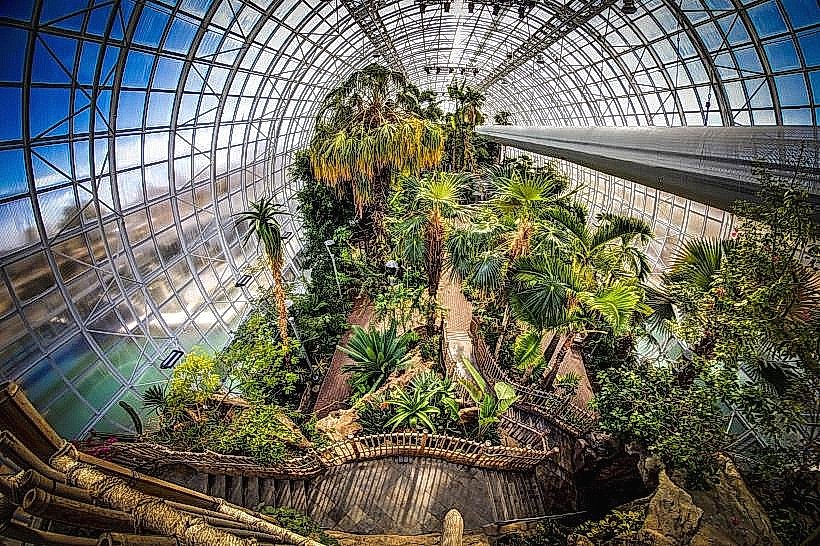
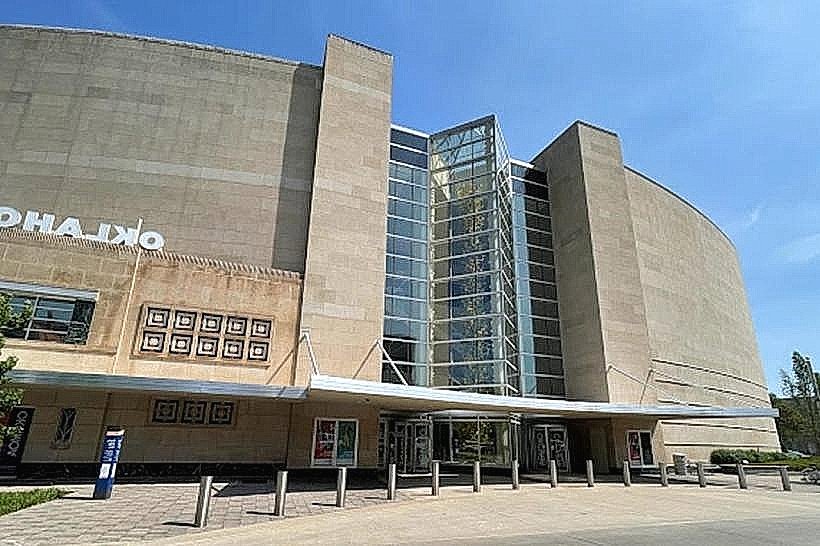
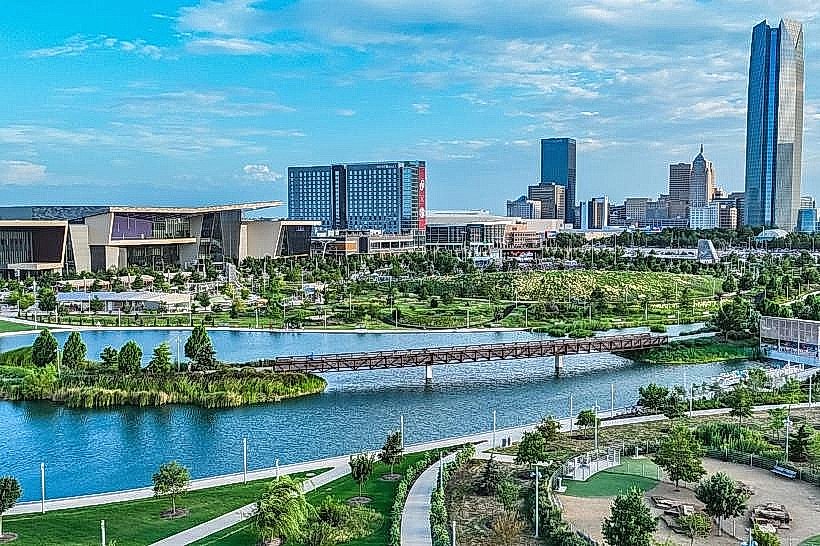
The Red Earth Festival takes place in downtown Oklahoma City, primarily around the Cox Convention Center, Myriad Botanical Gardens, and adjacent streets and parks. Key areas include:
Powwow Arena: A central space for traditional dancing and drumming competitions, with participants representing tribes from across the U.S.
Art Market: Booths featuring traditional and contemporary Native American artwork, including jewelry, pottery, textiles, and paintings, often available for purchase directly from the artists.
Cultural Demonstrations: Interactive sessions on beadwork, storytelling, music, and traditional crafts, allowing visitors to engage with living traditions.
Stage Performances: Live music, storytelling, and educational presentations highlight indigenous history, contemporary issues, and artistic innovation.
Food and Culinary Experiences: Native-inspired cuisine and food vendors offer traditional and modern dishes.
Highlights and Special Features
Dance Competitions: Highly competitive categories including Fancy Dance, Grass Dance, Jingle Dress, and Traditional, judged on precision, authenticity, and style.
Drum Groups: Large drum ensembles perform throughout the festival, central to the powwow experience.
Parade of Tribes: A ceremonial opening showcasing the participating tribal nations and their regalia.
Youth and Educational Programs: Workshops and presentations designed to teach younger generations about Native heritage, arts, and cultural values.
Community and Cultural Significance
Cultural Preservation: The festival plays a critical role in maintaining Native American traditions in Oklahoma and nationwide.
Economic Support: Artists, performers, and vendors benefit from exposure and sales, promoting indigenous entrepreneurship.
Education and Awareness: Provides non-Native audiences with meaningful opportunities to learn about tribal histories, contemporary issues, and artistic achievements.
Unity and Representation: Acts as a gathering point for tribal members from across the country, reinforcing a sense of shared identity and pride.
Visitor Experience
Immersive Cultural Experience: Visitors can witness authentic powwow dancing, participate in workshops, and interact with artists.
Family-Friendly: Activities for children include storytelling, craft-making, and introductory dance lessons.
Accessibility: Downtown location allows easy access to parking, public transit, and nearby cultural institutions.
Visual Spectacle: The colorful regalia, intricate beadwork, and energetic dances create a highly photogenic and engaging environment.
Legacy
The Red Earth Festival has become more than an arts and cultural event; it is a living celebration of Native American identity, creativity, and resilience. By combining performance, education, and commerce, it ensures that Oklahoma City remains a national hub for indigenous arts while fostering cross-cultural understanding and appreciation.
Today, the Red Earth Festival stands as a signature event in Oklahoma City, honoring the past, celebrating the present, and supporting the future of Native American communities.