Information
Landmark: Regional History MuseumCity: Sofia
Country: Bulgaria
Continent: Europe
Regional History Museum, Sofia, Bulgaria, Europe
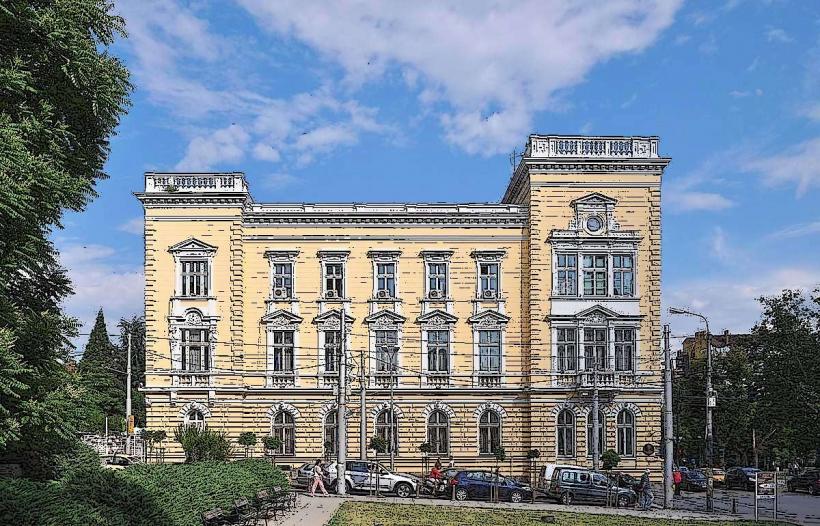
The Regional History Museum of Sofia is situated within the former Central Mineral Baths building in the geographic center of the capital. It houses a permanent collection detailing the evolution of Sofia from the Neolithic period through the mid-20th century.
Visual Characteristics
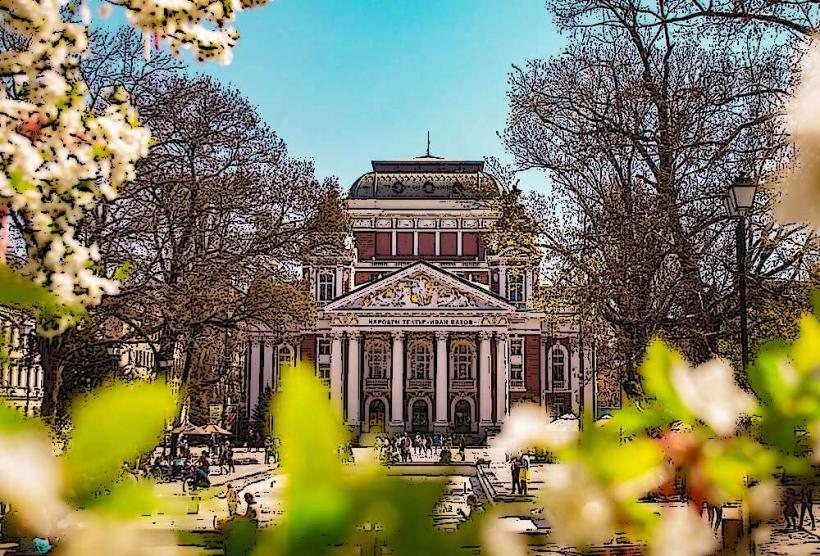
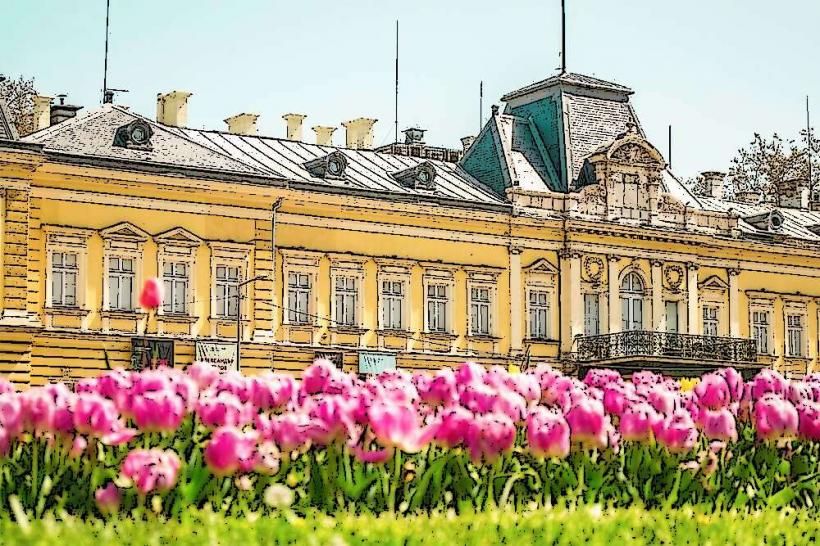
The building follows the Vienna Secession architectural style, incorporating Bulgarian, Byzantine, and Eastern Orthodox decorative motifs. The facade is finished in yellow and white, accented by multi-colored majolica ceramic bands and mosaics. Large ceramic domes surmount the structure, and the front exterior features a central fountain and a landscaped plaza with benches.
Location & Access Logistics
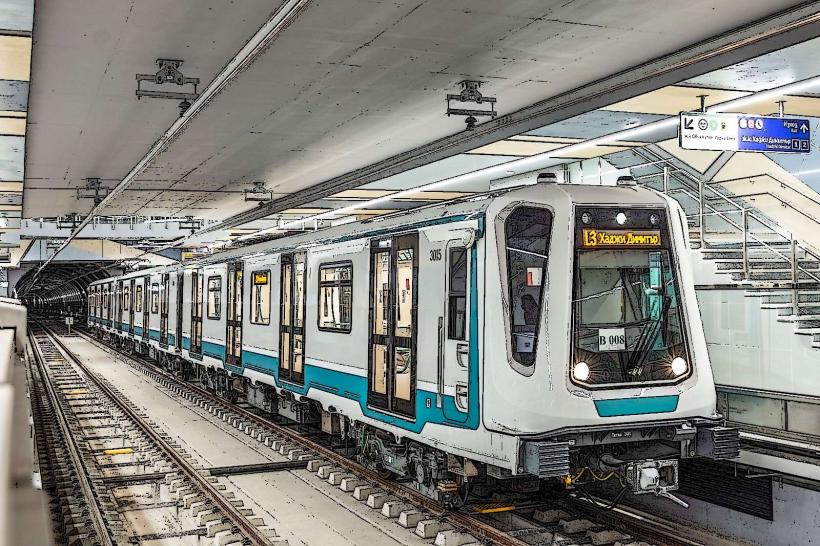
Located at 1 Banski Square, the museum is directly accessible via the Serdika metro station (Lines M1, M2, and M4), which is 150 meters to the southwest. Tram lines 12, 18, 20, and 22 stop at the Banski Square station immediately in front of the building. Street parking is restricted to the "Blue Zone" (timed paid parking), though a multi-story car park is available at the nearby Central Market Hall.
Historical & Ecological Origin
The structure was designed by architects Petko Momchilov and Friedrich Grünanger and constructed between 1911 and 1913 as a public bathhouse. It served this original purpose until 1986, utilizing the thermal mineral springs located on-site. The building underwent extensive restoration before reopening as the Regional History Museum on September 17, 2015.
Key Highlights & Activities
Exhibition halls are divided into eight thematic sections, including the Heritage of Antiquity and the Dynastic Connection with Europe. Primary artifacts include the gold-plated carriage of Tsar Ferdinand, a 1905 Mercedes car, and the Vitosha gold-sealed deed of 1378. Visitors can view a reconstructed Neolithic dwelling and a preserved 1930s-style street.
Infrastructure & Amenities
The facility includes a ticket office, a museum gift shop, and an elevator providing access to the second floor. Public restrooms are located on both levels. 4G and 5G cellular coverage is excellent throughout the interior. While there are no food vendors inside the museum, the adjacent Central Market Hall and surrounding pedestrian zones contain numerous cafes and restaurants.
Best Time to Visit
Photography of the facade is optimal during the mid-morning hours when the eastern sun highlights the majolica tilework. The museum is most accessible from May to September during mild weather, though it is a preferred indoor attraction during the rainy months of May and June. The site is closed on Mondays.
Facts & Legends
Public taps on the northern side of the building provide free, continuous flow of hot mineral water (approximately 46°C), which locals still collect for its perceived medicinal properties. A notable historical oddity is the museum’s carriage of Marie Antoinette, which was gifted to the Bulgarian royal family and is now housed in the central hall.
Nearby Landmarks
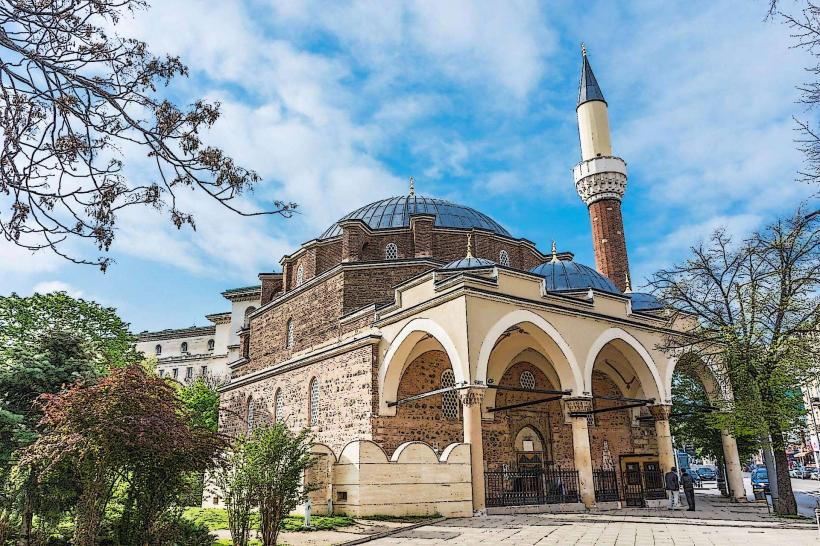
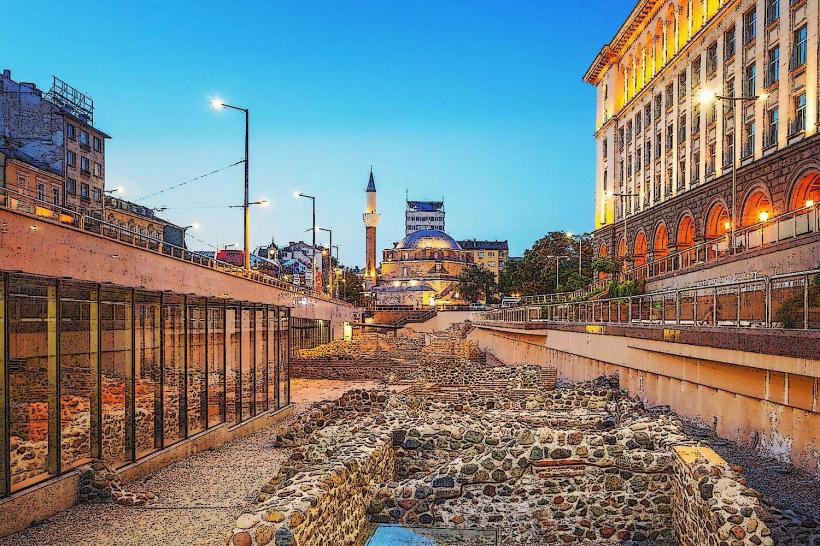
Banya Bashi Mosque – 0.1km West
Ancient Serdica Archaeological Complex – 0.2km South
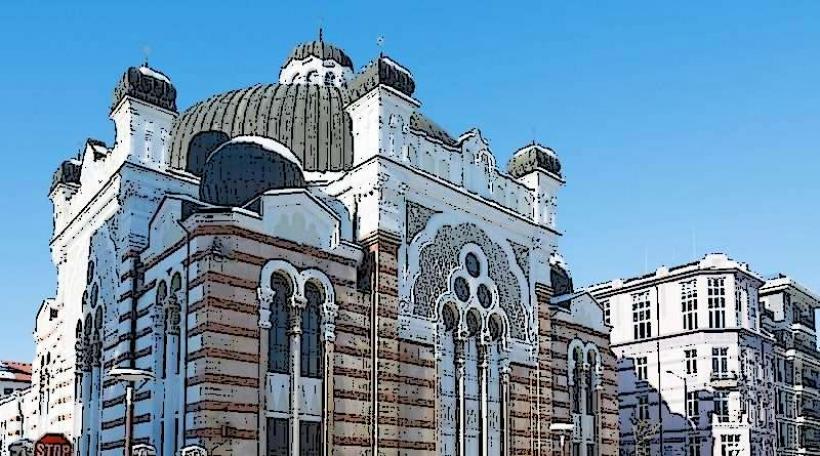
Sofia Synagogue – 0.3km Northwest
Central Market Hall (Halite) – 0.2km Northwest
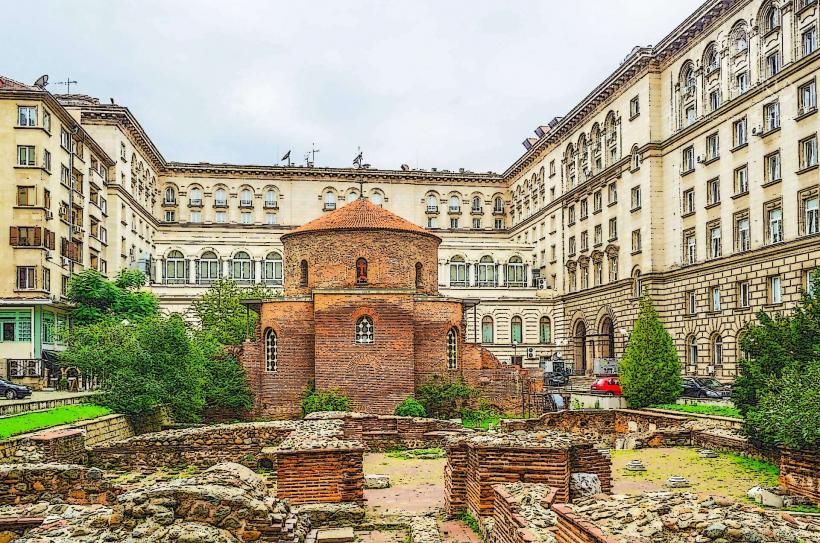
St. George Rotunda – 0.4km South