Information
Landmark: Vasil Levski MonumentCity: Sofia
Country: Bulgaria
Continent: Europe
Vasil Levski Monument, Sofia, Bulgaria, Europe
The Vasil Levski Monument in Sofia is one of the oldest and most significant commemorative structures in Bulgaria, marking the location where the national hero was executed on February 19, 1873. It is situated in the center of a major traffic roundabout at the intersection of Bulevard "Vasil Levski," Bulevard "Yanko Sakazov," and Rruga "Moskovska."
Visual Characteristics
The monument is an obelisk-style pillar standing 13 meters tall, constructed from grey syenite (granite-like stone) sourced from Vitosha Mountain. It features a bronze bas-relief of Levski’s profile and a tiered square base. The design is neoclassical, incorporating mourning symbols such as a bronze wreath and a draped urn at the top. The structure is surrounded by a wrought-iron fence and paved granite walkways.
Location & Access Logistics
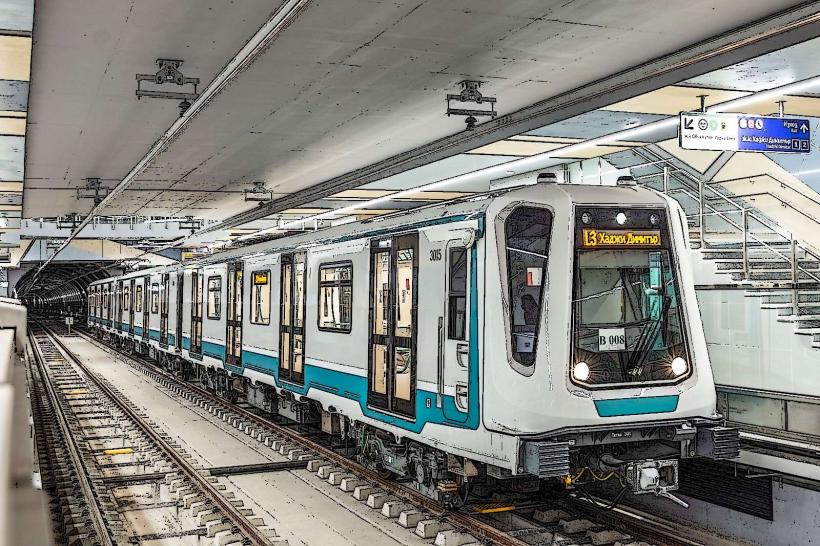
The monument is located at the center of the Vasil Levski Square roundabout. Pedestrian access is via underground passages (subways) that lead from the surrounding sidewalks to the monument's base. It is a 5-minute walk from the Sofia University St. Kliment Ohridski metro station (Lines M1, M3, M4). Numerous trolleybus lines (1, 2, 3, 4, 11) and buses stop at the "Pametnika Levski" stations immediately adjacent to the intersection.
Historical & Ecological Origin
The monument was designed by the Czech architect Antonín Kolář and was constructed between 1878 and 1895. The site was chosen specifically because it was the location of the gallows where the Ottoman authorities executed Levski. The bronze elements were cast in Vienna. The monument sits on the flat urban plain of the Sofia Basin, surrounded by the planned 19th-century administrative core of the city.
Key Highlights & Activities
The site is the primary location for official state ceremonies every February 19th, involving the President of Bulgaria and military guards. Visitors can read the inscriptions detailing Levski’s role as the "Apostle of Freedom." Photography is possible from the base of the monument, looking toward the Alexander Nevsky Cathedral or Sofia University.
Infrastructure & Amenities
The monument is located in a high-traffic urban zone. Public restrooms are available in the nearby Sofia University or the metro station subways. The surrounding area is densely packed with cafes, restaurants, and shops. Cell phone signal (5G/4G) is excellent. The underground passages provide lighting and security cameras, though the monument itself is outdoors and exposed.
Best Time to Visit
The monument is best visited in the early morning or late evening when traffic noise is reduced. For photography, the morning light (08:00–10:00) illuminates the bronze relief from the east. On the evening of February 18th and the morning of February 19th, the site is heavily decorated with flowers and wreaths, offering a unique cultural perspective.
Facts & Legends
A historical oddity is the length of time it took to complete the monument-17 years-due to a lack of funding and changing political priorities in the newly liberated Bulgaria. Legend suggests that the exact spot of the gallows is a few meters from the current stone pillar, but the monument was centered in the intersection for urban planning symmetry.
Nearby Landmarks
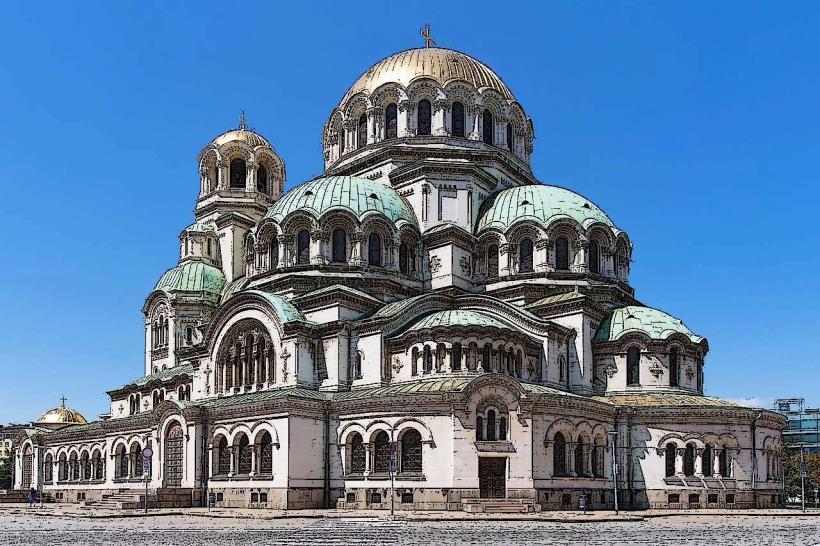
Alexander Nevsky Cathedral – 0.4km West
Sofia University "St. Kliment Ohridski" – 0.3km South
National Gallery (The Palace) – 0.6km West
National Library "St. St. Cyril and Methodius" – 0.15km Southeast
Doctor's Garden – 0.4km Southeast