Information
Landmark: Serdica Archaeological ComplexCity: Sofia
Country: Bulgaria
Continent: Europe
Serdica Archaeological Complex, Sofia, Bulgaria, Europe
The Ancient Serdica Archaeological Complex is an extensive open-air and underground museum located in the geographical center of Sofia, Bulgaria. It preserves the remains of the Roman city of Serdica, discovered during the construction of the Sofia Metro and the Serdica II station.
Visual Characteristics
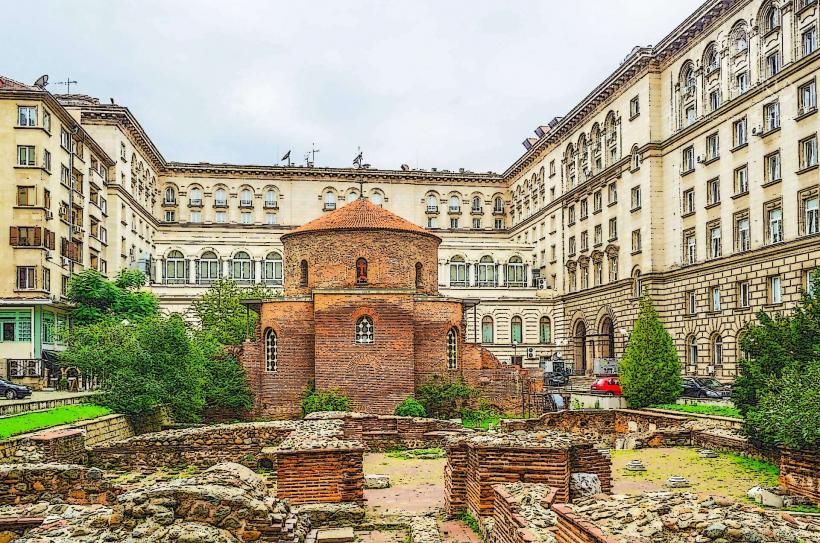
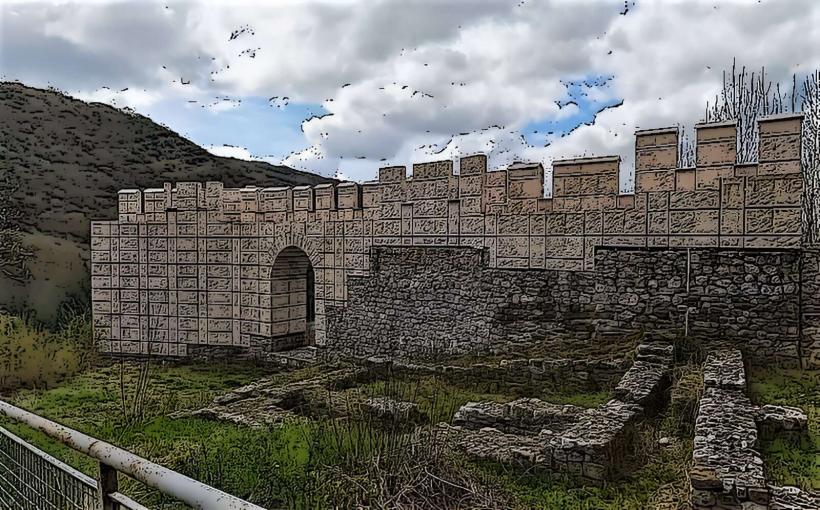
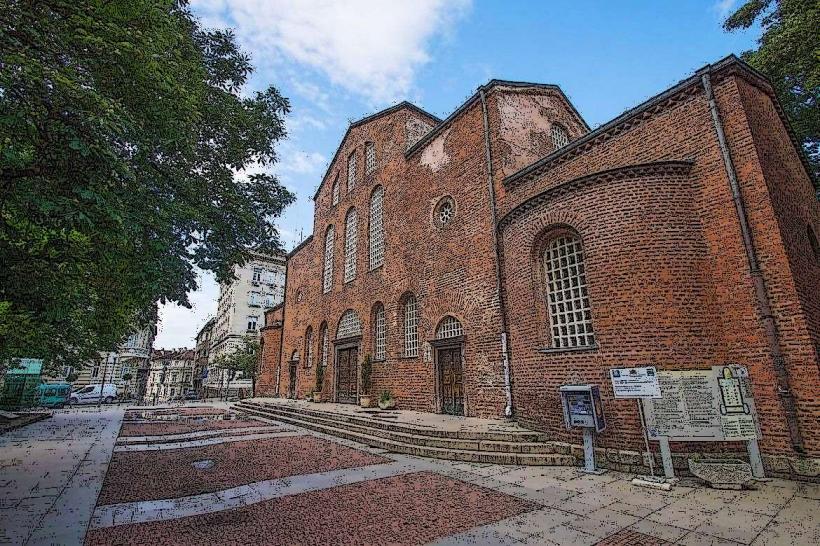
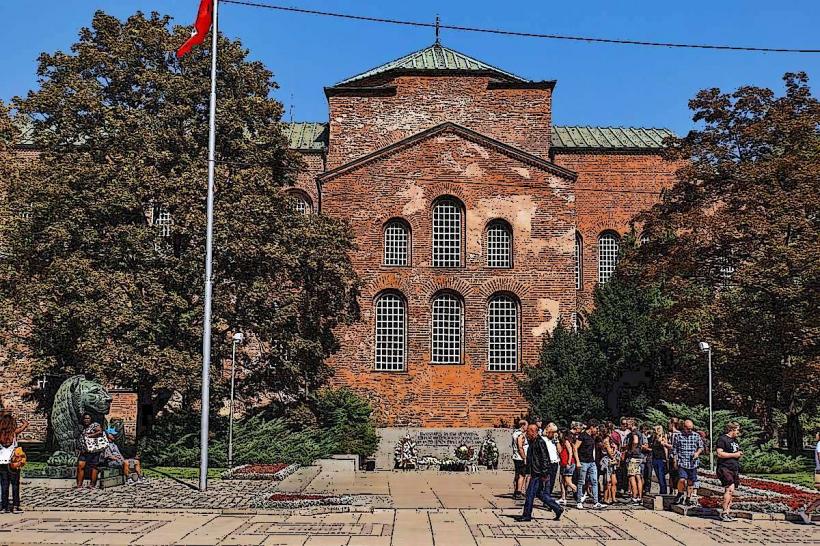
The complex features well-preserved Roman streets (decumanus and cardo) paved with original stone slabs, foundations of public buildings, and residential villas. The structures are primarily composed of red brick and white mortar, characteristic of Roman construction in the Balkans. A large portion of the site is protected by three modern glass domes that integrate the ancient ruins with the contemporary urban environment.
Location & Access Logistics
The site is located at Independence Square (Nezavisimost Square), situated directly above and within the Serdica Metro Station (the junction for Lines 1, 2, and 4). Pedestrian access is available from the street level and via the underground passages connecting the Presidency, the Council of Ministers, and the TSUM department store.
Historical & Ecological Origin
Serdica reached its peak during the 2nd to 4th centuries AD and was famously favored by Emperor Constantine the Great. The archaeological complex reveals several distinct historical layers, including an early Christian basilica and a 4th-century mosaic floor. The site was rediscovered in phases between 2010 and 2012, leading to one of the largest urban archaeology projects in Europe.
Key Highlights & Activities
Visitors can walk on 1,600-year-old Roman streets and explore the remains of the "Felix Serdica" complex. Specific points of interest include the remains of a Roman hypocaust (underfloor heating system) and the 14th-century Church of St. Petka of the Saddlers, which is physically integrated into the archaeological site. The underground section features exhibits of artifacts discovered during the excavations.
Infrastructure & Amenities
The complex is open to the public daily, typically from 07:00 to 22:00. Informational signage in Bulgarian and English is placed throughout the site. The area is highly accessible, with elevators and ramps connecting different levels. Public restrooms and cafes are located in the adjacent metro underpasses. 5G cellular signal is excellent throughout the open and glass-covered sections.
Best Time to Visit
The site is illuminated at night, providing high-contrast photography of the red brick ruins against the modern city lights. To avoid crowds, early morning or late evening visits are recommended. The underground sections provide a cool retreat during high summer temperatures in Sofia.
Facts & Legends
The complex occupies the exact area where the "Council of Serdica" was held in 343 AD, a major assembly of Christian bishops. Legend suggests that Constantine the Great considered making Serdica the capital of the Roman Empire ("Serdica is my Rome") before finally choosing Constantinople.
Nearby Landmarks
Saint George Rotunda: 0.15km East
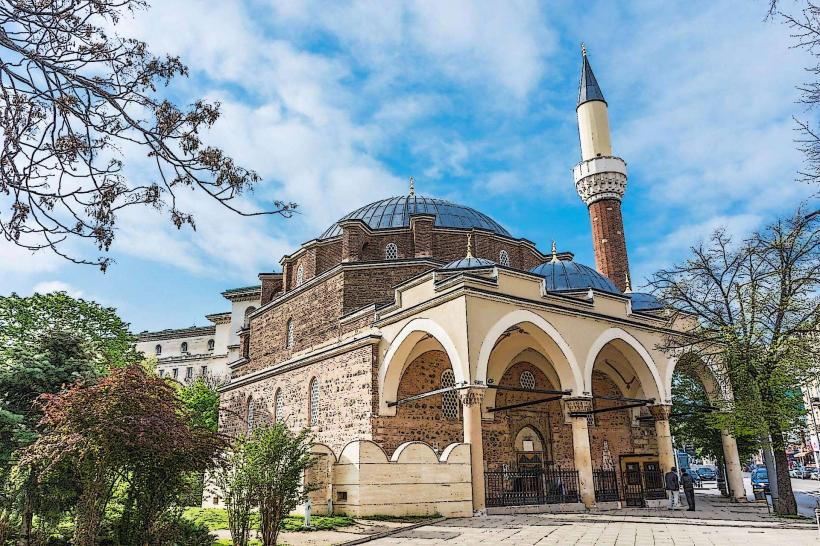
Banya Bashi Mosque: 0.2km North
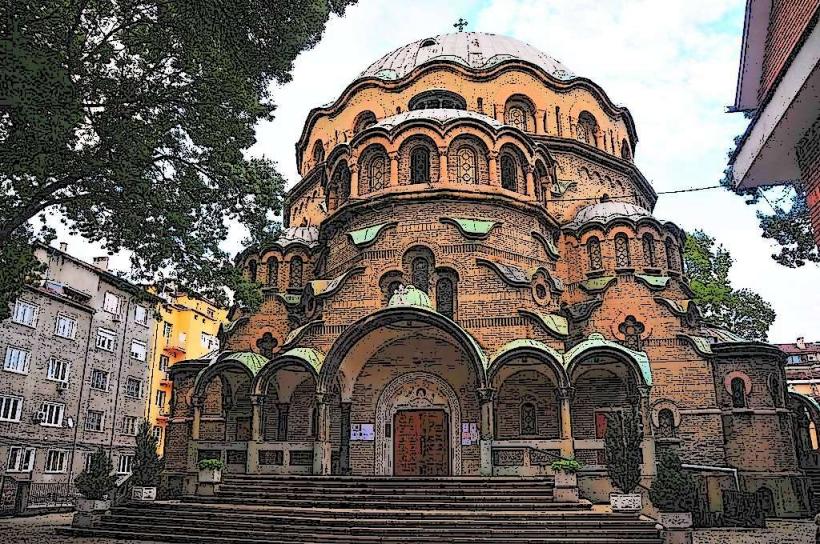
Saint Nedelya Church: 0.1km South
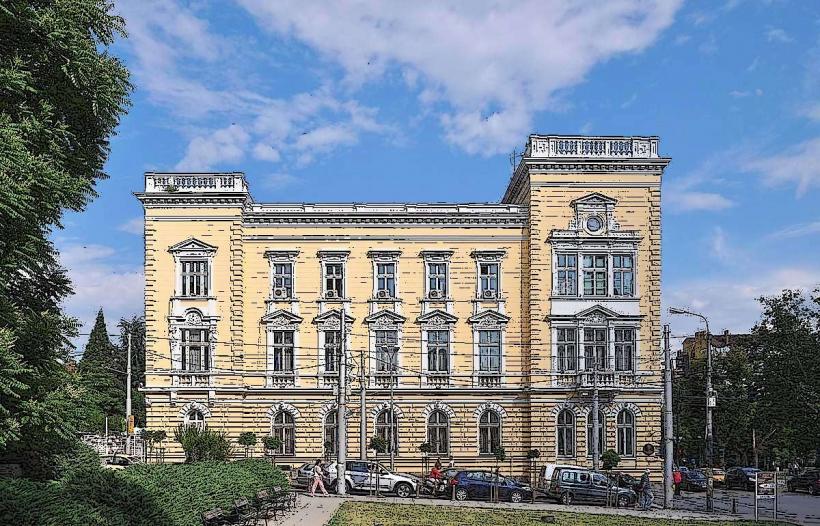
National Archaeological Museum: 0.25km East
Sofia Court House: 0.4km South