Information
Landmark: Sofia Central Mineral BathsCity: Sofia
Country: Bulgaria
Continent: Europe
Sofia Central Mineral Baths, Sofia, Bulgaria, Europe
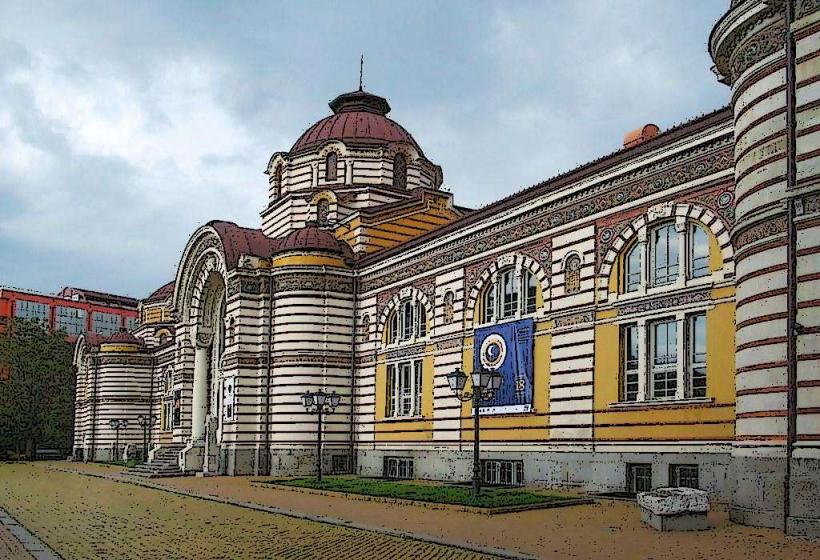
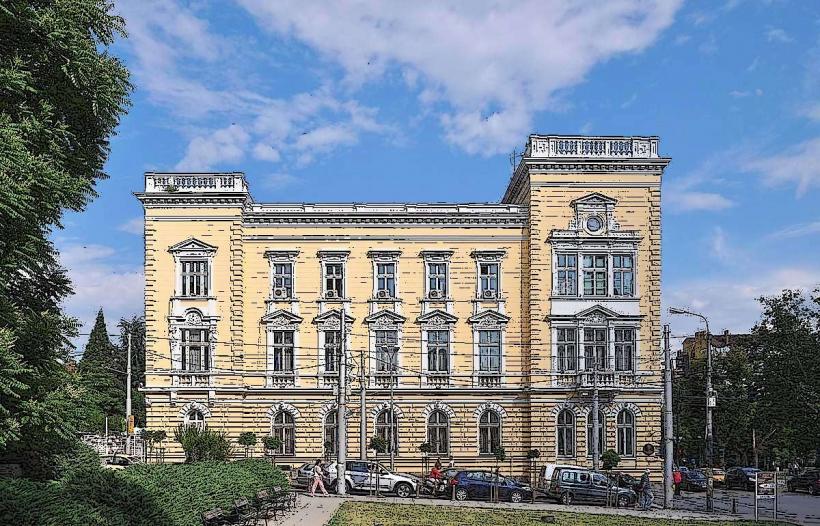
The Sofia Central Mineral Baths is a secessionist-style landmark located at 1 Banski Square in the center of Sofia, Bulgaria. Completed in 1913, it served as the city's primary public bathhouse until 1986 and currently houses the Regional History Museum of Sofia.
Visual Characteristics
The building features a polychrome facade with alternating bands of yellow and red bricks and intricate ceramic mosaics designed by Haralampi Tachev. Its architecture incorporates Byzantine, Bulgarian, and Secessionist elements, dominated by a large central dome and two smaller lateral domes. The exterior is notable for its stone carvings of floral motifs and human figures.
Location & Access Logistics
The site is situated at the intersection of Knyaginya Maria Luiza Blvd and Eksarh Iosif St. It is directly accessible via the Serdica Metro Station (Lines 1, 2, and 4) located 100 meters to the southwest. Tram lines 20, 22, and 4 stop immediately in front of the building. The surrounding square is a pedestrian zone with integrated fountain areas.
Historical & Ecological Origin
The baths were built over the site of a former Ottoman bathhouse, which itself utilized ancient Roman thermal springs. The current structure was designed by architects Petko Momchilov and Friedrich Grünanger. The mineral water originates from a deep geothermal source characterized by a constant temperature of 46°C and a specific hydrocarbonate-sodium composition used historically for balneotherapy.
Key Highlights & Activities
The interior functions as the Regional History Museum, featuring eight halls with exhibits covering Sofia's history from the Neolithic period to the 20th century. Key artifacts include the golden carriage of King Ferdinand and the first Mercedes-Benz in Bulgaria. The public "drinking fountains" located on the northern and eastern sides of the building provide free, hot mineral water for public consumption.
Infrastructure & Amenities
The museum entrance is located on the western facade. Infrastructure includes a gift shop, restrooms, and a cloakroom within the museum. The exterior park area features benches and public drinking taps. 5G cellular coverage is consistent. Wheelchair access is provided via a ramp at the main entrance.
Best Time to Visit
The museum operates Tuesday through Sunday from 10:00 to 18:00. For photography, the morning light is optimal for the eastern facade's mosaics, while the evening illumination highlights the central dome. The drinking fountains are accessible 24/7 and are most active during early morning hours when locals collect water.
Facts & Legends
The mineral springs at this location have been in continuous use for over 2,000 years, documented back to the Thracian and Roman eras. A local belief maintains that the water has specific curative properties for gastrointestinal and neurological conditions. Although the interior pools are no longer functional, a long-standing urban debate exists regarding the potential restoration of a portion of the building to its original purpose as a thermal spa.
Nearby Landmarks
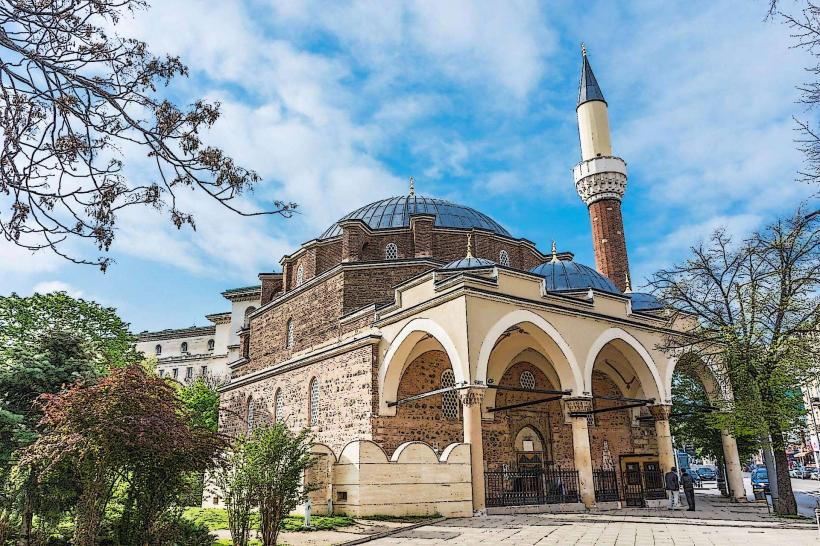
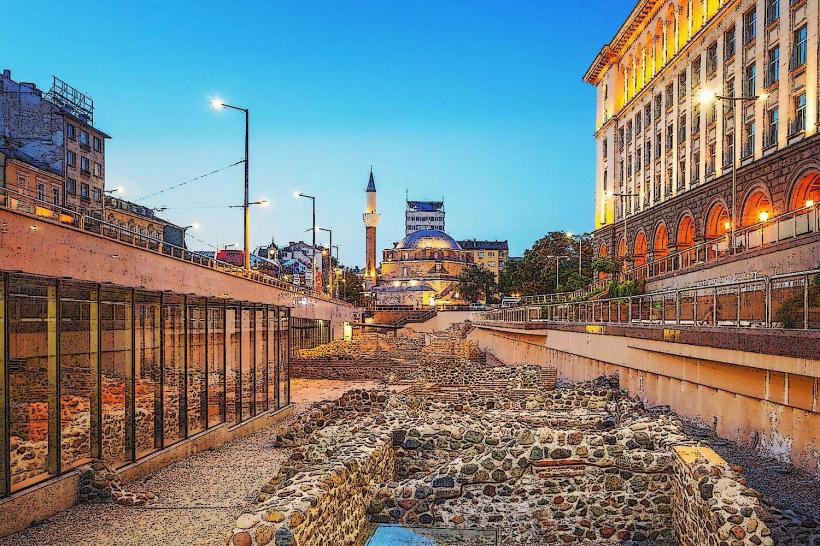
Banya Bashi Mosque: 0.05km West
TZUM Department Store: 0.15km South
Ancient Serdica Archaeological Complex: 0.2km South
St. Paraskeva Church: 0.4km Northeast
Council of Ministers: 0.25km South