Information
Landmark: Sambo CreekCity: La Ceiba
Country: Honduras
Continent: North America
Sambo Creek, La Ceiba, Honduras, North America
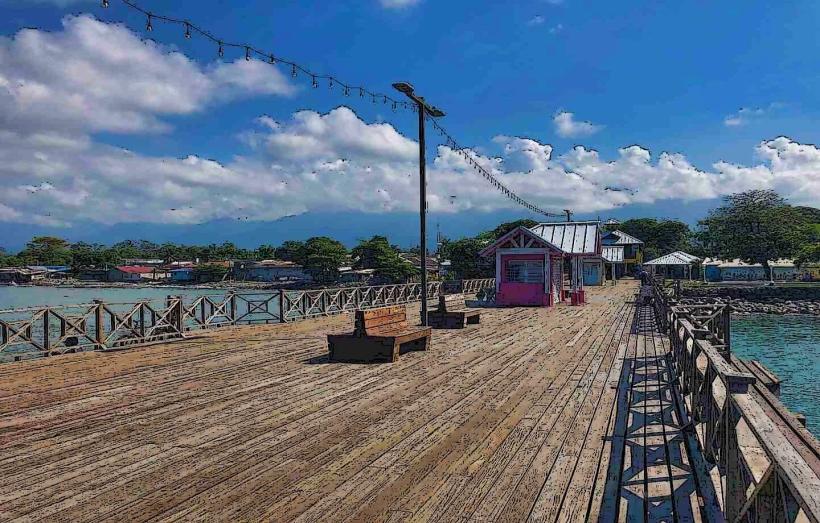
Sambo Creek is a coastal community located on the Caribbean coast of Honduras, near the city of La Ceiba.
It serves as a primary access point for the Pico Bonito National Park and is known for its river mouth and proximity to the ocean.
Visual Characteristics
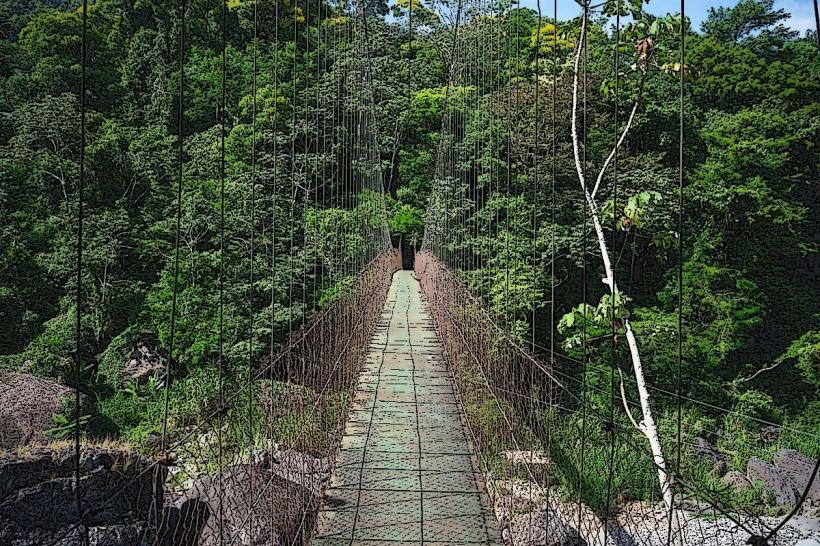
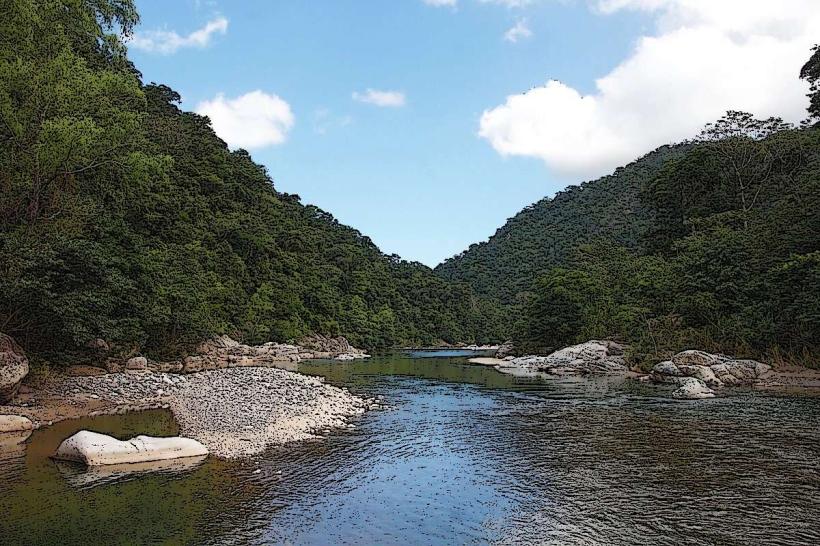
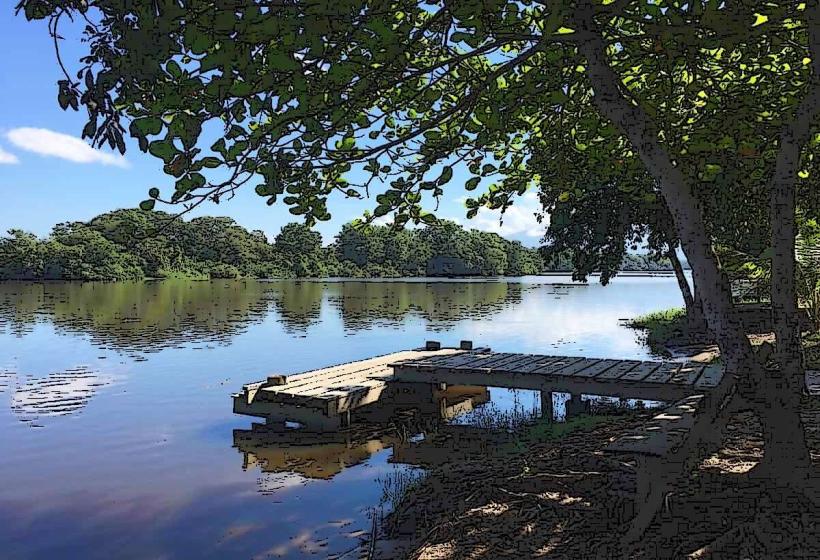
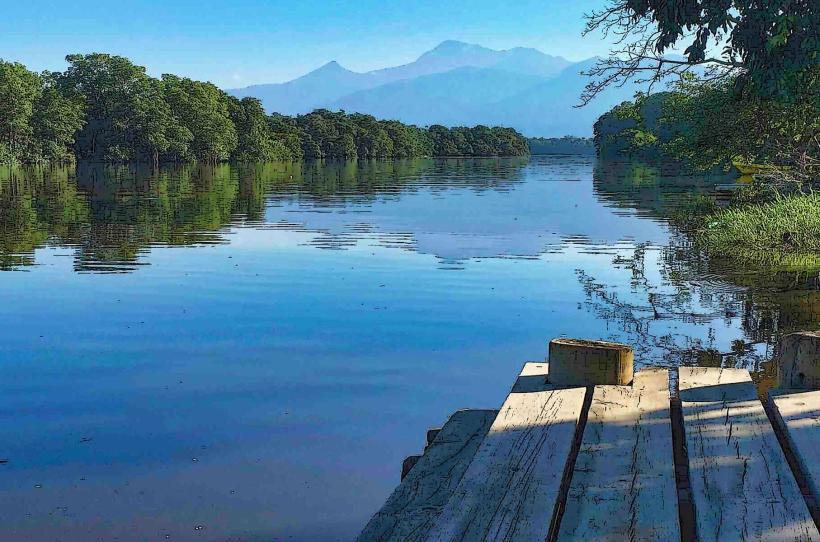
The area features a river delta where Sambo Creek meets the Caribbean Sea. The coastline consists of dark sand beaches. Inland, the terrain transitions to dense tropical rainforest characteristic of the foothills of the Nombre de Dios Mountains. The vegetation is thick with a variety of broadleaf trees and undergrowth.
Location & Access Logistics
Sambo Creek is situated approximately 10 kilometers east of La Ceiba. Access is via the CA-13 highway, which runs directly through the community. Turn south off the CA-13 onto the unpaved road leading to the creek and the national park entrance. Parking is available at designated areas near the park entrance and along the main road, though it can be limited during peak times. Public transport options include local buses (known as "rapiditos") traveling east from La Ceiba towards Trujillo, which stop in Sambo Creek. Boat transfers are not a standard access method for Sambo Creek itself but are available for excursions further along the coast.
Historical & Ecological Origin
Sambo Creek's origin is tied to its strategic location as a natural harbor and river access point. Historically, it was a point of settlement for Garifuna people who arrived in the region in the late 18th century. Ecologically, the area is part of the Mesoamerican Barrier Reef System's influence, with the adjacent rainforest being a critical component of the Pico Bonito National Park, a biodiversity hotspot known for its high rainfall and diverse flora and fauna.
Key Highlights & Activities
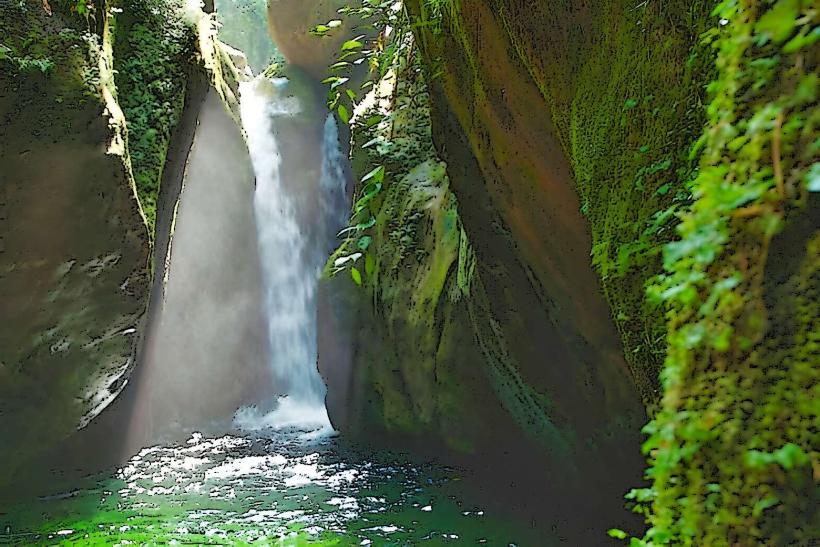
Activities include guided hikes into Pico Bonito National Park, focusing on trails like the Sendero Las Cascadas (Waterfall Trail) and Sendero El Bejuco (The Vine Trail). River tubing on the Cangrejal River is a popular option. Birdwatching is significant due to the park's avian diversity. Swimming is possible in designated areas of the Cangrejal River, upstream from the delta. Fishing excursions can be arranged from the coast.
Infrastructure & Amenities
Basic amenities are available in Sambo Creek village, including small food stalls and local restaurants offering seafood. Restrooms are typically found at the national park entrance and at some of the tour operator bases. Shade is provided by natural tree cover within the park and by palapas at some riverside establishments. Cell phone signal (primarily 2G/3G) can be inconsistent within the denser forest areas of Pico Bonito National Park but is generally available in the village.
Best Time to Visit
The best time for visiting Sambo Creek for outdoor activities is during the dry season, from January to April. This period offers less rainfall, making hiking trails more accessible. For birdwatching, the months of March to May are often cited as optimal. The best time of day for photography, particularly for capturing the rainforest canopy and river, is generally in the early morning (7:00 AM - 9:00 AM) or late afternoon (4:00 PM - 5:30 PM) to avoid harsh midday sun and utilize softer light.
Facts & Legends
A local legend speaks of the "River Spirit" of the Cangrejal, believed to protect the waters and guide lost travelers. A verified historical fact is that Sambo Creek was a significant point for the Garifuna people's migration and settlement in Honduras, preserving their unique culture and traditions.
Nearby Landmarks
- Pico Bonito National Park Entrance (0.2km West)
- Cangrejal River (Adjacent)
- La Ceiba City Center (10km West)
- Punta Sal National Park (35km East)
- Honduras Caribbean Coastline (Adjacent)