Information
Landmark: Schutztruppe GravesCity: Luderitz
Country: Namibia
Continent: Africa
Schutztruppe Graves, Luderitz, Namibia, Africa
Schutztruppe graves refer to the burial sites of the German colonial military forces that served in the former German South West Africa (now Namibia) between 1889 and 1915. These sites are scattered across the country, primarily concentrated in former garrison towns and sites of major engagements during the Herero and Nama Wars and World War I.
Visual Characteristics
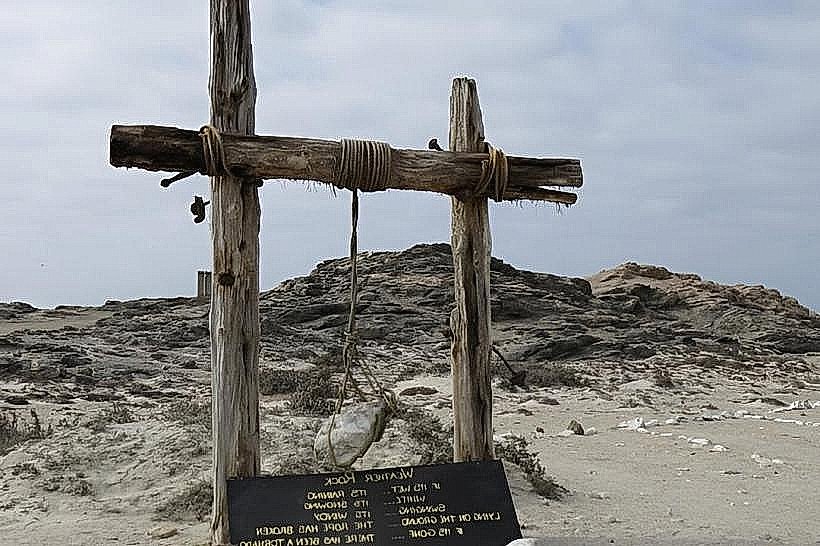
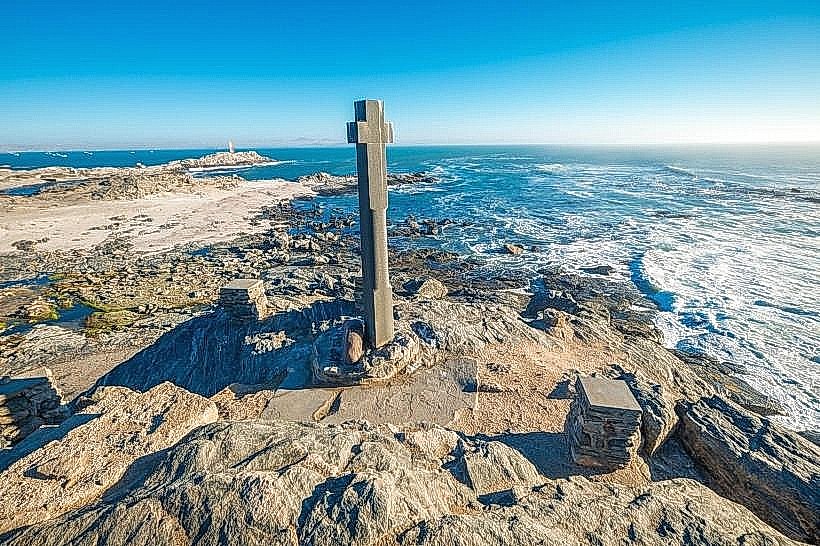
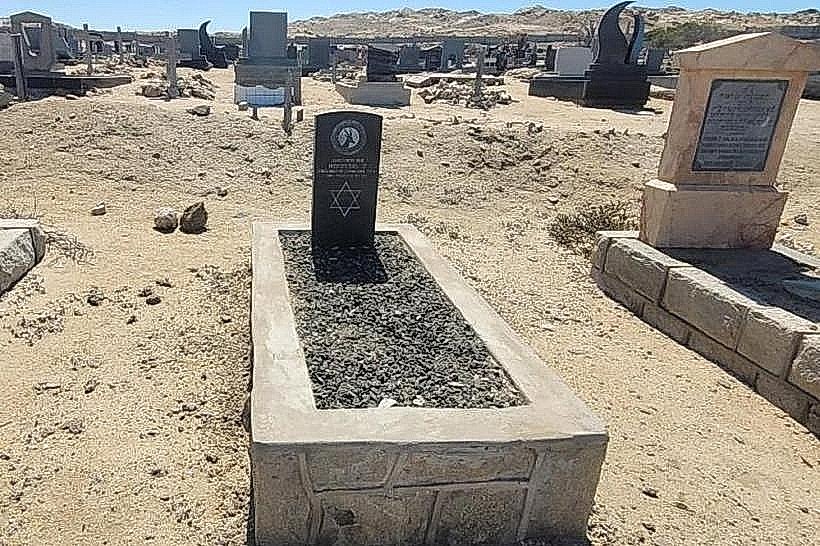
The graves are typically marked by simple stone or cast-iron crosses. In larger military cemeteries, headstones are often made of local granite or sandstone, engraved in Fraktur or Latin script. They typically list the soldier's name, rank, unit, and the date and location of their death (e.g., "Gefallen bei..."-Fallen at...). Many sites are enclosed by low stone walls or wrought-iron fencing to protect them from desert wildlife and erosion.
Primary Locations & Access
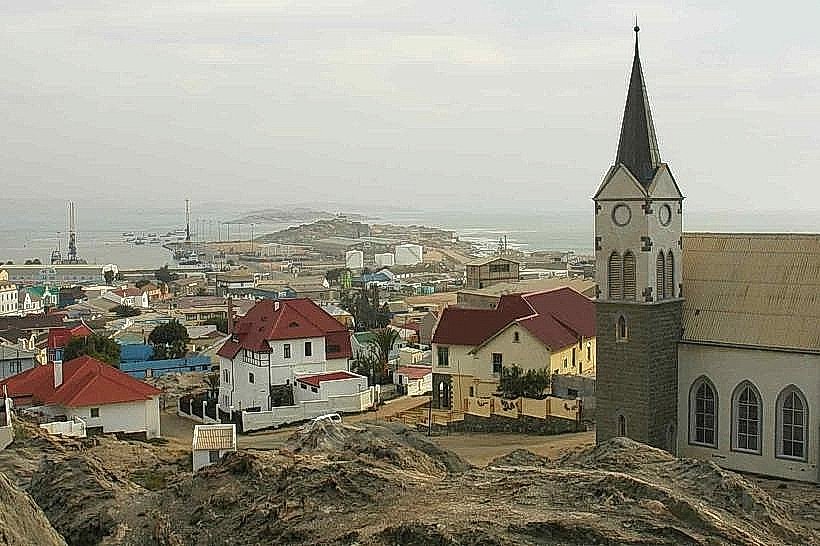
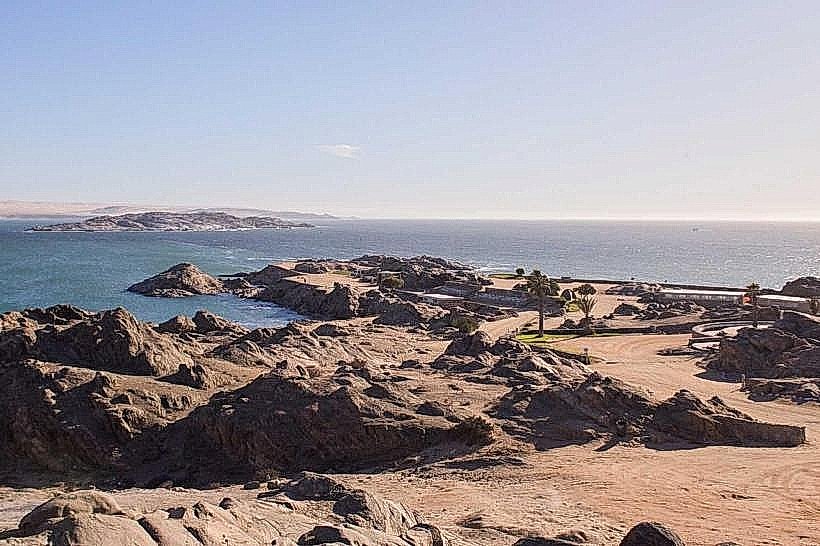
Lüderitz (Shark Island & Town Cemetery): Contains graves of soldiers and sailors who died during the coastal campaigns and the 1914–1915 conflict with South African Union forces.
Waterberg (Bernabe de la Bat): Located at the site of the 1904 Battle of Waterberg; it is one of the most prominent Schutztruppe cemeteries, situated at the base of the sandstone cliffs.
Swakopmund: A large section of the municipal cemetery is dedicated to colonial forces.
Windhoek (Old Cemetery): Located on Robert Mugabe Avenue, featuring numerous high-ranking officers' graves and the "Reiterdenkmal" related memorials.
Historical Context
The Schutztruppe (Protection Force) was established to secure the colonial interests of the German Empire. The graves represent various phases of conflict:
Early Colonial Period: Small-scale skirmishes and disease-related deaths.
1904–1908 Conflicts: High concentrations of graves resulting from the wars against the Herero and Nama peoples.
World War I (1914–1915): Graves of those who fell during the South West Africa Campaign against the South African Union forces (acting for the British Empire).
Key Features & Memorials
The Marine Memorial (Swakopmund): A prominent monument near the lighthouse commemorating the German Marine Expeditionary Corps.
Regimental Badges: Some headstones feature the imperial eagle or specific unit insignias.
Combined Sites: In several locations, such as Aus, Schutztruppe graves are located near those of their adversaries (South African/Commonwealth forces), reflecting the post-WWI efforts of the Graves Board.
Infrastructure & Amenities
Most sites are managed as historical monuments by the National Heritage Council of Namibia. Access is generally free and open to the public. There are no facilities (restrooms or water) at the remote desert sites; however, those within town limits (Windhoek, Swakopmund, Lüderitz) are adjacent to urban amenities.
Conservation & Best Time to Visit
The dry Namibian climate has preserved many of these sites remarkably well, though wind-driven sand erosion is a constant factor. The winter months (May–August) offer the most temperate conditions for visiting remote desert gravesites. Photography is best in the early morning or late afternoon to capture the legible text on weathered stone.
Facts & Legends
There is a long-standing tradition of "Graves of the Unknown Schutztruppe" in remote canyon areas, where lone markers designate soldiers who succumbed to thirst or exhaustion during desert marches. A specific tip for researchers: many records of these burials are archived at the Namibia Scientific Society in Windhoek.
Nearby Landmarks
Waterberg Plateau Park: Adjacent to the Waterberg cemetery.
Heroes' Acre (Windhoek): The modern Namibian national war memorial.
Aus POW Camp Ruins: Located near military graves in the Aus region.