Information
Landmark: Snake RiverCity: Ontario
Country: USA Oregon
Continent: North America
Snake River, Ontario, USA Oregon, North America
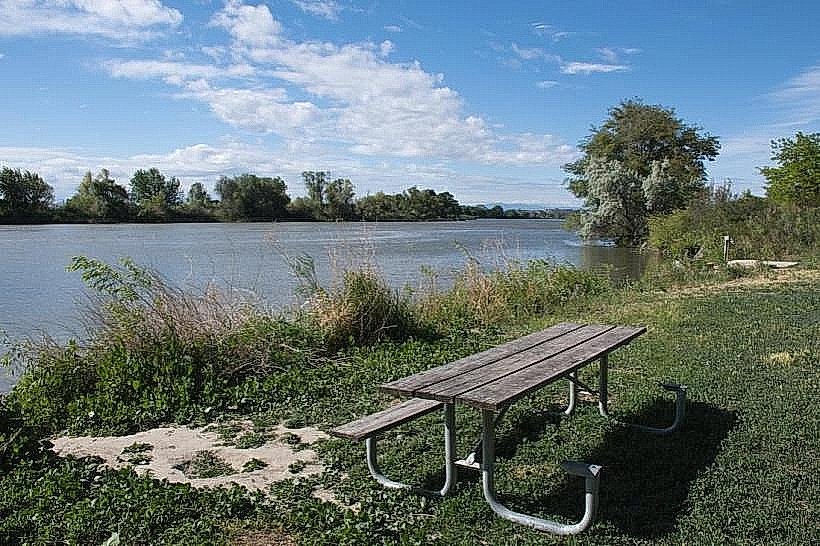
The Snake River is one of the most significant waterways of the American West, both in size and cultural importance. Stretching more than 1,000 miles, it is the largest tributary of the Columbia River and has long been central to the history, ecology, and economy of the region.
Geography and Course
Source: The river begins in the Rocky Mountains of western Wyoming, within Yellowstone National Park.
Route: From Yellowstone, it flows south into Jackson Hole, then makes a sweeping turn west through Idaho, carving deep canyons and crossing plains before turning north along the Idaho–Oregon border.
Confluence: It eventually merges with the Columbia River near Pasco, Washington.
Length: Approximately 1,078 miles (1,735 km), making it the largest North American river that flows into the Pacific Ocean via the Columbia system.
Basin: The watershed covers parts of Wyoming, Idaho, Oregon, Washington, Nevada, and Utah, with over 100,000 square miles of drainage area.
Landscape and Natural Features
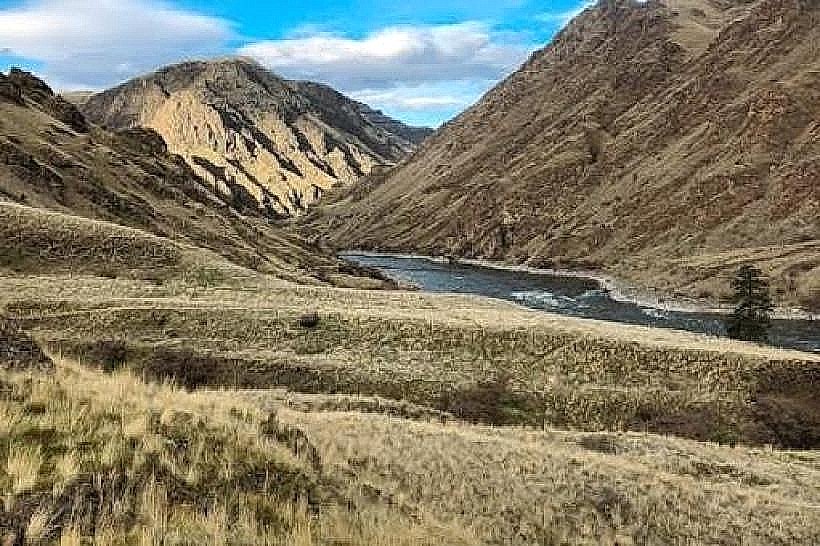
The Snake River runs through dramatically varied landscapes: alpine meadows, sagebrush plains, agricultural valleys, volcanic plateaus, and deep basalt canyons.
One of its most striking stretches is Hells Canyon, the deepest river gorge in North America, plunging over 7,900 feet from rim to river.
Along its course, the river feeds and passes through reservoirs, hydroelectric dams, and fertile farmlands.
Its tributaries and wetlands provide vital habitats for migratory birds, fish, and wildlife.
Cultural and Historical Importance
Native American Heritage: For millennia, the Snake River basin was home to tribes including the Shoshone, Nez Perce, Bannock, and Northern Paiute. The river provided salmon, roots, game, and trade routes.
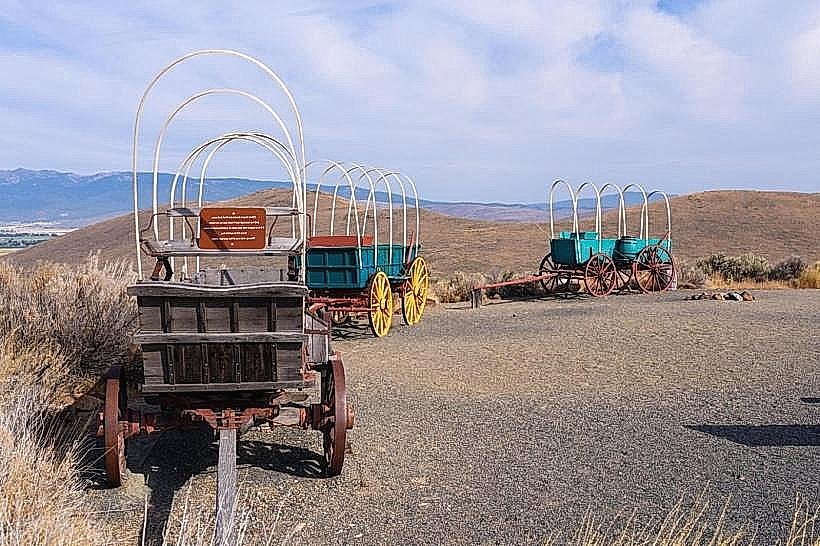
Exploration and Settlement: Lewis and Clark encountered the Snake River in 1805 during their westward expedition. In the 19th century, it became a key segment of the Oregon Trail, where emigrants crossed at places like Three Island Crossing.
Economic Development: The river fueled regional growth through irrigation, transportation, and later hydroelectric power. Towns and cities like Idaho Falls, Twin Falls, Lewiston, and Ontario developed along its banks.
Dams and Hydroelectric Power
The river is heavily dammed, especially in Idaho and Washington. Structures such as Brownlee, Hells Canyon, Lower Granite, and Ice Harbor dams generate electricity, control floods, and provide irrigation water.
These dams also hinder salmon migration, making the Snake River central to debates over dam removal and fish restoration.
Hydropower from the Snake is a cornerstone of the Pacific Northwest energy grid.
Recreation
The Snake River is famous for rafting, kayaking, and fishing.
Hells Canyon National Recreation Area offers rugged rafting trips and backcountry exploration.
In Idaho, the Snake River Canyon near Twin Falls is popular for hiking, boating, and BASE jumping from the Perrine Bridge.
Fly fishing for trout, steelhead, and sturgeon is world-class in many stretches.
Scenic spots such as Jackson Lake, Shoshone Falls, and Thousand Springs are tourist highlights.
Wildlife and Ecology
Historically, the Snake River was one of the richest salmon-spawning rivers in North America. Salmon, steelhead, and Pacific lamprey sustained both ecosystems and Native cultures.
Today, fish runs are greatly reduced, but restoration projects aim to revive populations.
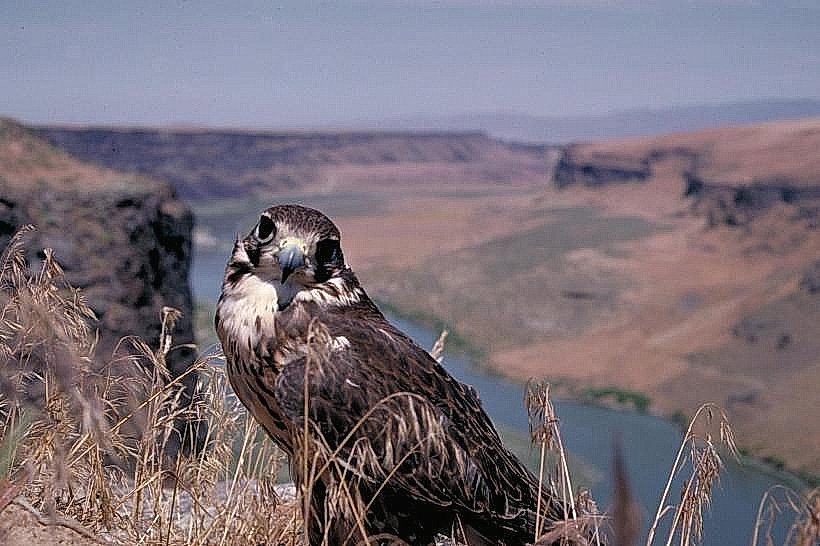
The watershed also supports bald eagles, herons, elk, moose, and numerous waterfowl.
Wetlands along the river are critical stopovers for migratory birds on the Pacific Flyway.
Symbolism and Legacy
The Snake River is both a natural wonder and a contested resource. It embodies the beauty of the western landscape while also representing the tensions between development, energy needs, agriculture, and conservation.
Its canyons and valleys tell stories of ancient geology, Native traditions, pioneer hardship, and modern innovation.
To travelers, it remains a defining landmark of the Northwest-a river that is as much a cultural thread as a geographic one.
The Snake River stands as a river of extremes-deepest canyon, powerful dams, vital ecosystems, and rich history-making it one of the most iconic waterways in the United States.