Information
Landmark: Oregon Trail Interpretive CenterCity: Ontario
Country: USA Oregon
Continent: North America
Oregon Trail Interpretive Center, Ontario, USA Oregon, North America
The Oregon Trail Interpretive Center, officially known as the National Historic Oregon Trail Interpretive Center (NHOTIC), is one of the most comprehensive sites dedicated to telling the story of westward migration along the Oregon Trail. Located just east of Baker City, Oregon, on Flagstaff Hill, the center offers a sweeping perspective-both visually and historically-on one of the most important migration routes in American history.
Setting and Location
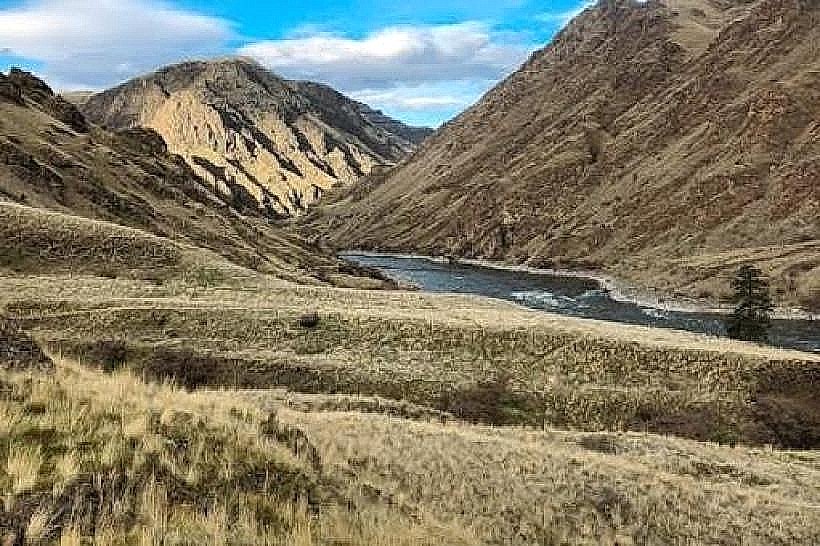
Perched high on Flagstaff Hill, the center provides panoramic views of the Blue Mountains, Baker Valley, and preserved ruts of the original Oregon Trail.
The location itself is historically significant-actual wagon ruts can be seen from the grounds, grounding the interpretive experience in authentic landscape.
Design and Exhibits
The center combines museum-quality exhibits, life-size dioramas, multimedia presentations, and artifact displays to immerse visitors in the emigrant experience.
Exhibits cover the entire journey: preparation, routes, daily life on the trail, challenges faced, and the legacy of westward expansion.
Life-size wagon replicas, oxen figures, and interactive displays help visitors visualize the hardships and logistics of traveling 2,000 miles by wagon.
Archaeological and historical collections include original tools, clothing, maps, diaries, and trade goods, connecting visitors to the lived experiences of trail travelers.
Trails and Outdoor Features
More than four miles of interpretive hiking trails extend from the center, leading to preserved wagon ruts and scenic overlooks.
Along the trails, interpretive signs explain natural features, Native American perspectives, and emigrant stories.
The outdoor setting emphasizes how geography and terrain shaped the migration experience.
Programs and Events
The center hosts living history demonstrations with costumed interpreters portraying emigrants, soldiers, or pioneers, giving firsthand-style narratives.
Cultural programs highlight Native American history, including the impact of the Trail on tribal lands and communities.
Seasonal events, such as wagon encampments and historical reenactments, bring history alive in engaging, participatory ways.
Educational outreach includes school tours, lectures, and hands-on workshops.
Themes and Interpretation
The Oregon Trail Interpretive Center presents the story through multiple lenses:
Emigrant Perspective: hardships of travel, from disease to river crossings, weather, and supply shortages.
Native American Perspective: how the massive migration affected tribal lands, hunting grounds, and ways of life.
Cultural Legacy: the myth and reality of Manifest Destiny, and how the Oregon Trail shaped settlement patterns in the Pacific Northwest.
Environment: the relationship between landscape and human movement-mountains, rivers, deserts, and grasslands all shaped the emigrants’ path.
Atmosphere and Visitor Experience
Visitors experience a blend of rugged authenticity and careful interpretation. The combination of real landscapes, preserved wagon ruts, and immersive exhibits makes history feel tangible.
The center balances the grandeur of the setting with the human-scale struggles of individual families who risked the journey west.
A sense of perseverance, hardship, and transformation permeates the site.
Significance
It is one of the most important interpretive facilities along the entire Oregon Trail corridor, recognized nationally for its educational value.
By preserving physical remnants of the trail and combining them with scholarship and storytelling, the center ensures the Oregon Trail story remains alive for future generations.
It stands as a reminder of both the ambition and cost of westward expansion-highlighting resilience, tragedy, opportunity, and displacement.
The Oregon Trail Interpretive Center is not just a museum-it is a landscape-based historical experience, where visitors can walk in the footsteps of emigrants, look out over the same valleys they crossed, and understand the magnitude of the journey that defined much of the American West.