Information
Landmark: Snake River CanyonCity: Ontario
Country: USA Oregon
Continent: North America
Snake River Canyon, Ontario, USA Oregon, North America
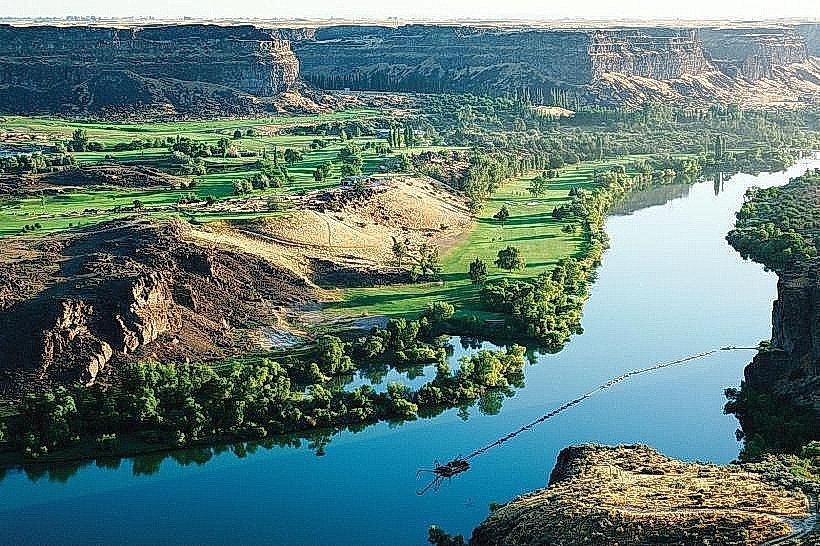
Snake River Canyon is a dramatic geological feature carved by the Snake River as it flows through southern Idaho, eastern Oregon, and western Wyoming. It is renowned for its depth, sheer cliffs, and sweeping views, representing both a natural wonder and a site of historical, recreational, and scientific interest.
Geography and Features
The canyon stretches for over 50 miles in southern Idaho, varying in width from a few hundred feet to over a mile, with cliff walls that can rise up to 500–1,000 feet.
It was primarily formed by millions of years of river erosion, with sections shaped further during catastrophic events such as the Missoula Floods at the end of the last Ice Age.
The canyon runs adjacent to the city of Twin Falls, Idaho, making it highly accessible and a central feature of the region.
Tributary streams, side cliffs, and basalt formations create a rugged, scenic landscape with unique geological structures, including hanging cliffs, caves, and natural rock ledges.
Recreation and Tourism
Hiking and Trails: Numerous trails along the canyon rim and side paths allow exploration of cliffs, wildlife, and river views.
BASE Jumping and Paragliding: The sheer walls of the canyon, particularly near the Perrine Bridge in Twin Falls, make it a world-renowned spot for BASE jumping and aerial sports.
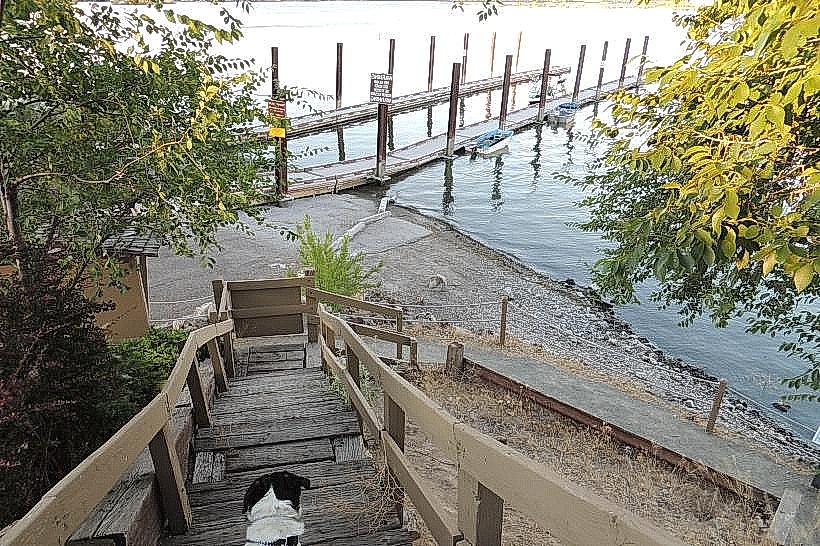
Fishing and Boating: The Snake River within the canyon supports bass, trout, and other species for anglers; boating is popular in calmer stretches.
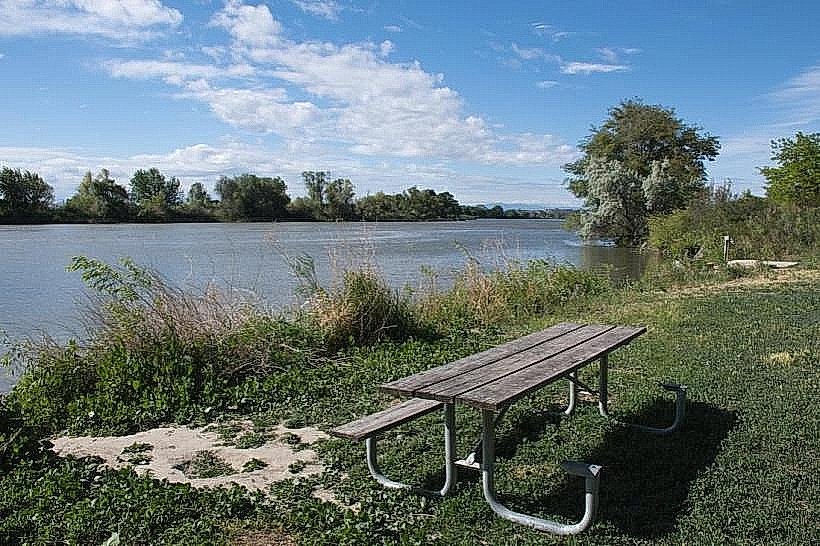
Picnicking and Scenic Viewing: Pullouts, viewpoints, and picnic areas provide access to panoramic vistas of the canyon and river.
Photography and Nature Observation: The canyon’s geological formations, sunsets, and wildlife create opportunities for landscape photography and birdwatching.
Historical Significance
The canyon was historically crossed by Native American tribes for fishing, hunting, and trade, with evidence of settlements along the riverbanks.
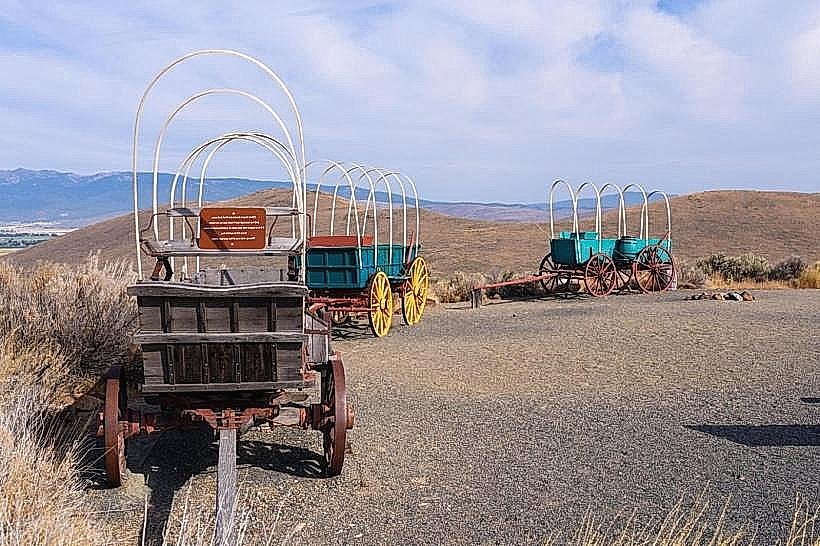
During westward expansion, pioneers traveling the Oregon Trail and related routes navigated areas adjacent to the canyon.
Modern history includes engineering feats such as the Perrine Bridge, which spans the canyon and serves as a vital transportation link while also attracting thrill-seekers.
Wildlife and Ecology
The canyon supports a mix of desert and riparian ecosystems, including sagebrush, cottonwoods, and basalt cliff habitats.
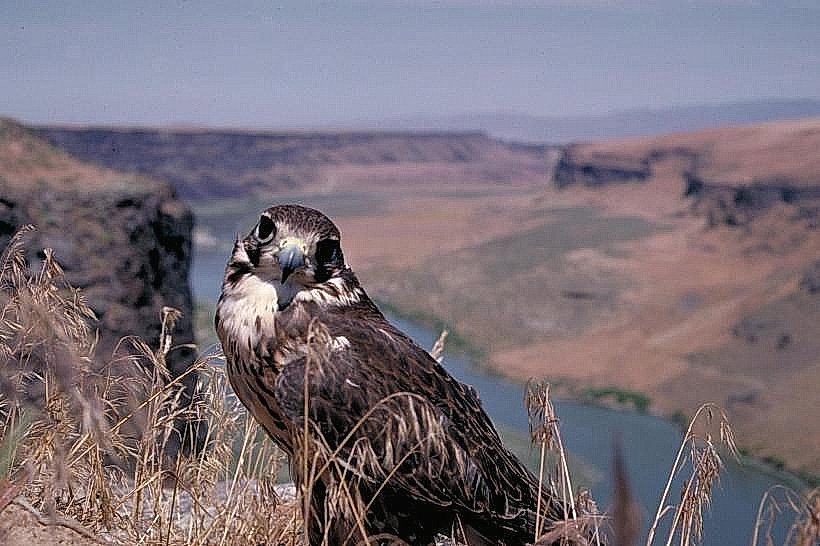
Wildlife includes raptors like bald eagles and peregrine falcons, deer, small mammals, and amphibians along the river corridor.
Seasonal bird migrations bring waterfowl and songbirds to the riverbanks, making it a valued ecological corridor.
Atmosphere
The Snake River Canyon combines awe-inspiring natural grandeur with accessible adventure, offering experiences ranging from quiet contemplation to extreme sports.
Sunlight on basalt cliffs and river reflections creates visually striking contrasts, enhancing its reputation as a scenic landmark.
The canyon embodies both isolation and accessibility, with remote areas alongside developed viewpoints and city-adjacent attractions.
Significance
Geologically, the canyon is a testament to river erosion, volcanic activity, and glacial history, providing insight into millions of years of landscape evolution.
Culturally, it represents the intersection of natural wonder and human use, from Native American heritage to pioneer history and modern recreation.
Economically and recreationally, it serves as a magnet for tourism, outdoor sports, and local identity, especially for Twin Falls and the surrounding Magic Valley region.
The Snake River Canyon stands as a majestic symbol of the American West, where geological forces, wildlife, history, and human activity converge to create a landmark of enduring significance and spectacular beauty.