Information
Landmark: Square of the ArmsCity: Kotor
Country: Montenegro
Continent: Europe
Square of the Arms, Kotor, Montenegro, Europe
Overview
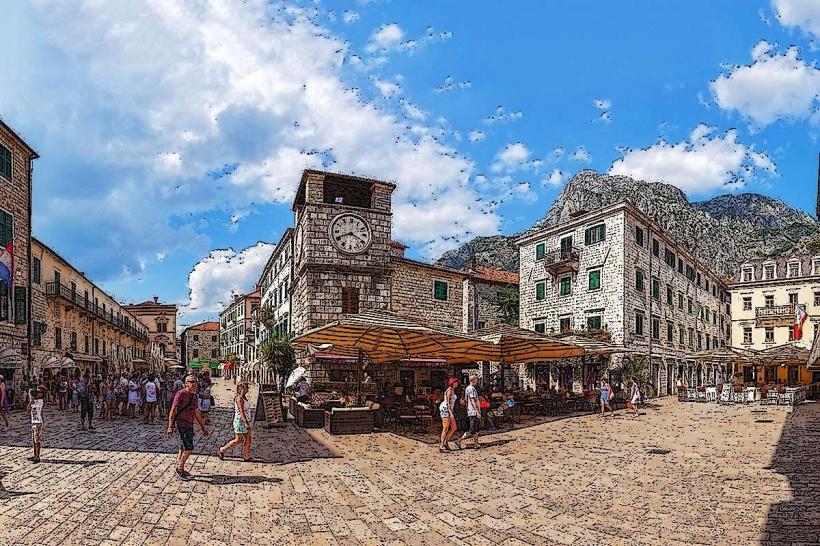
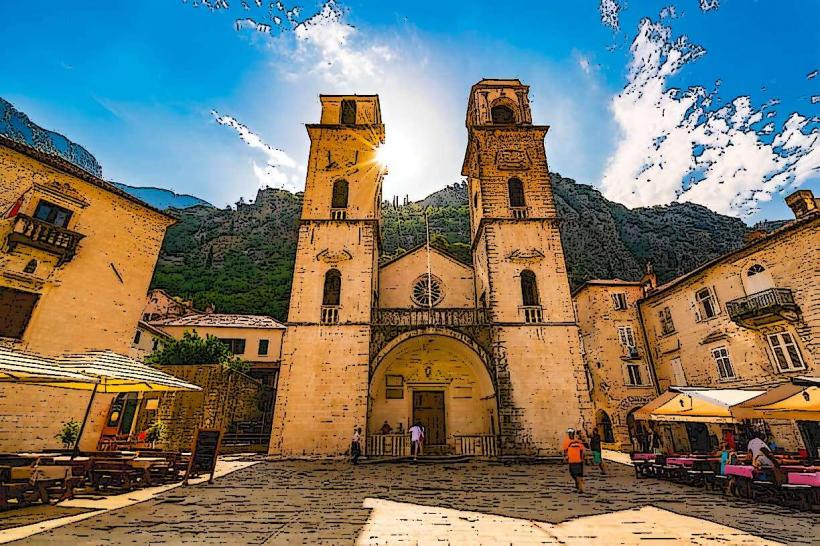
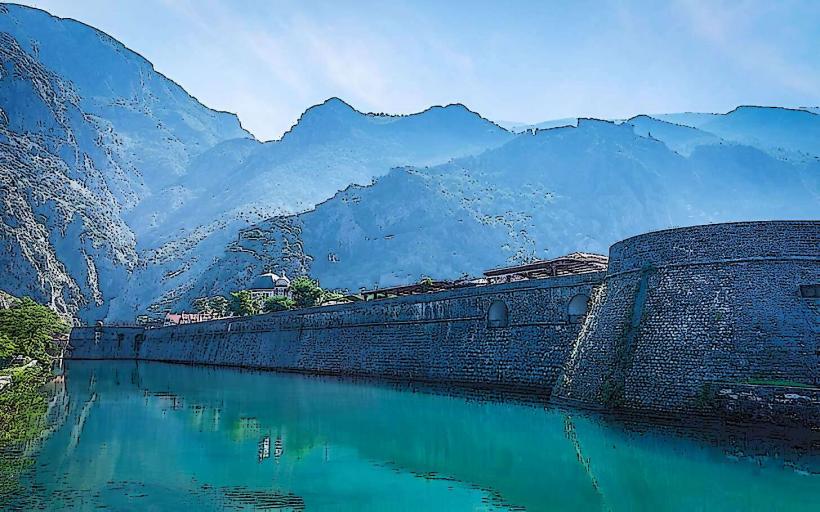
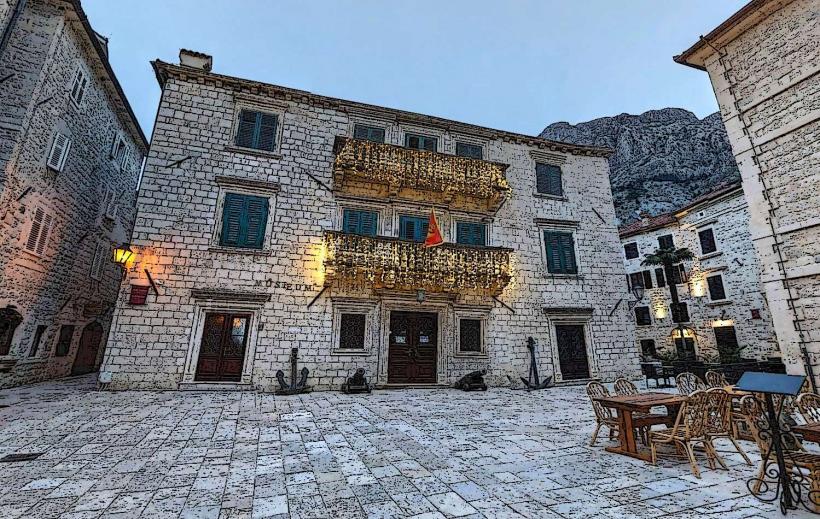
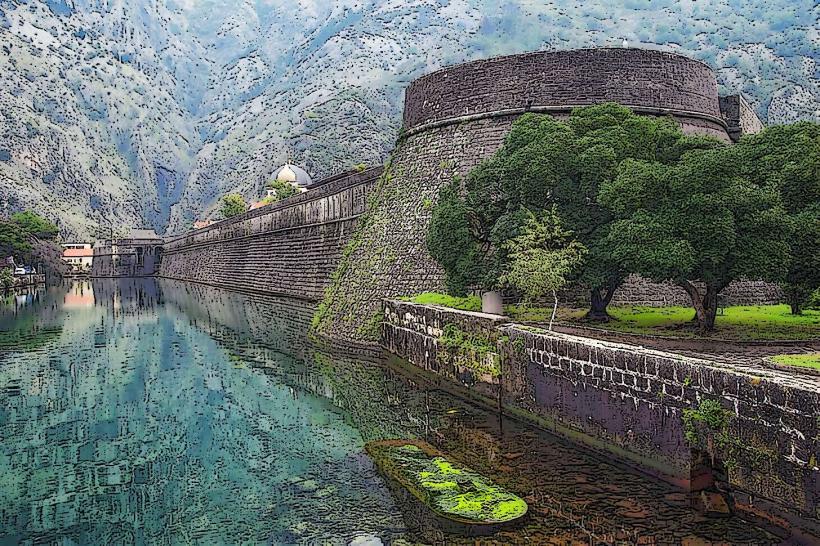
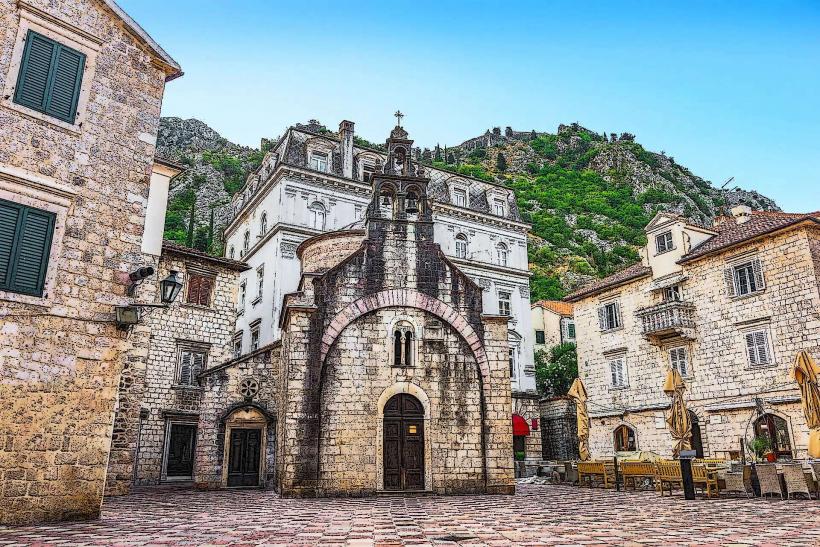
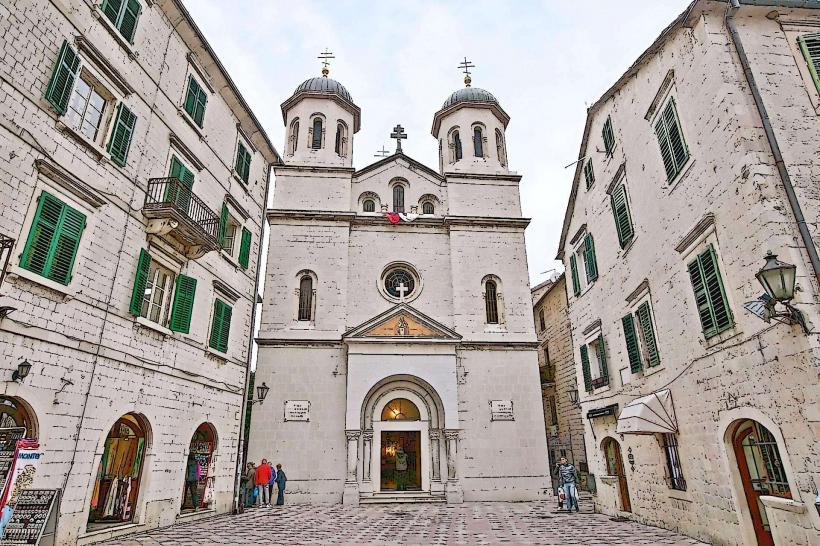
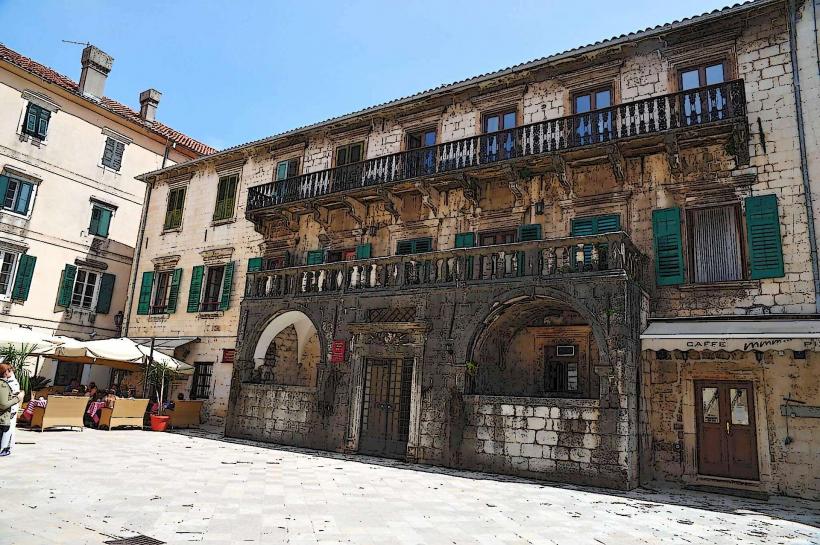
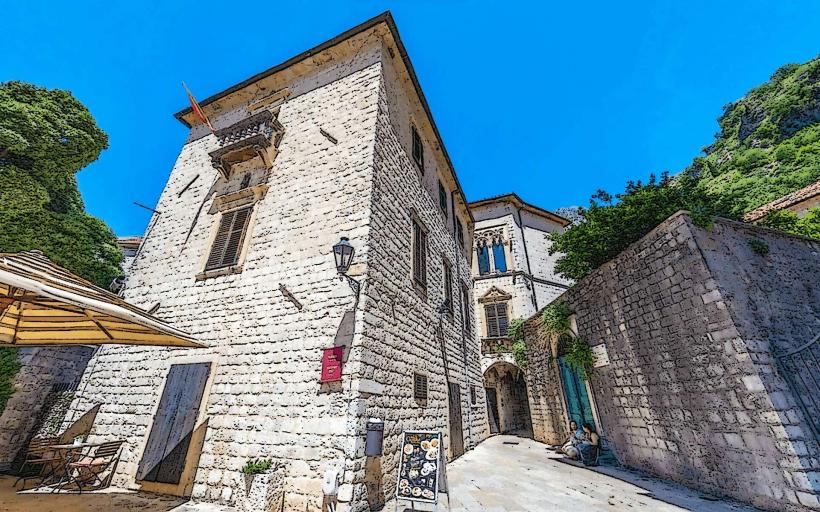
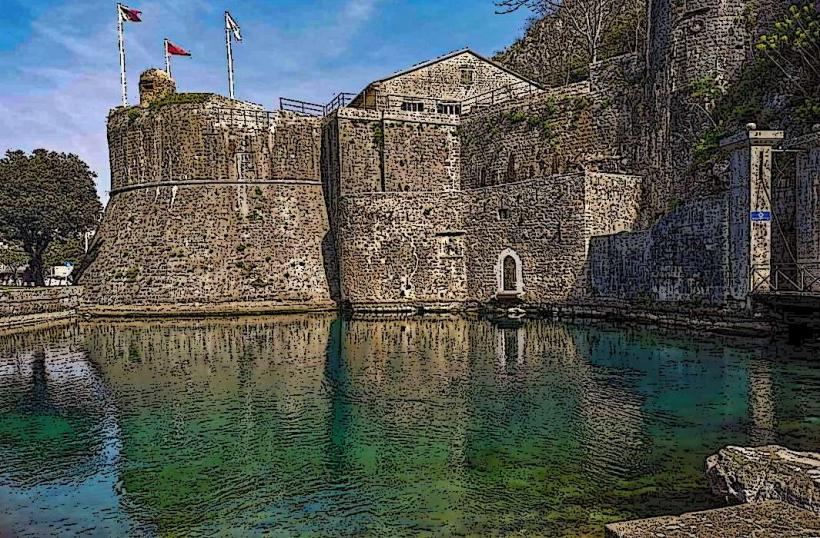
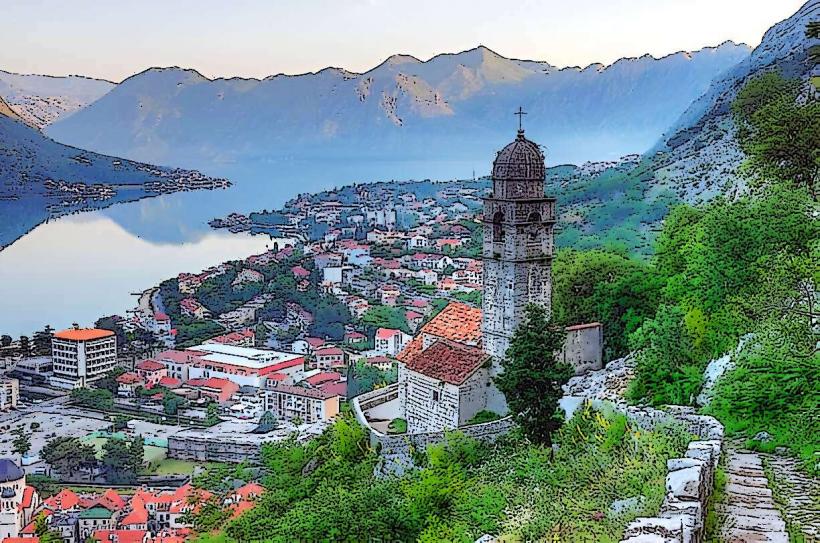
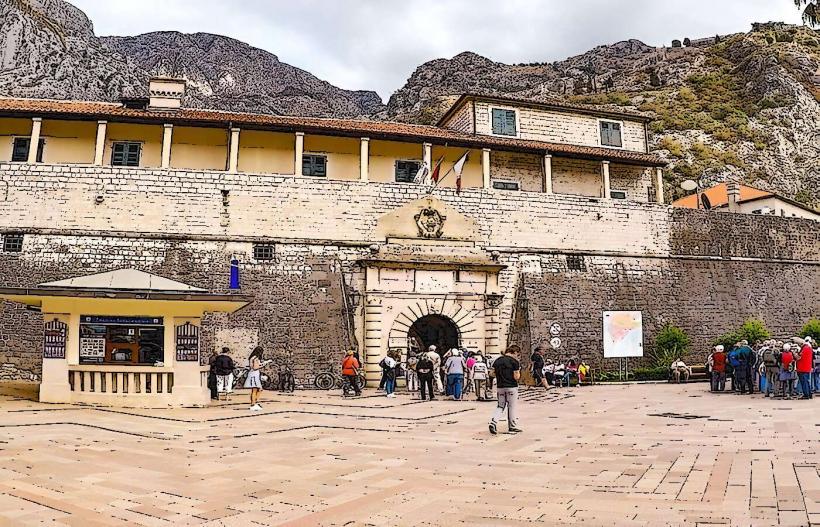
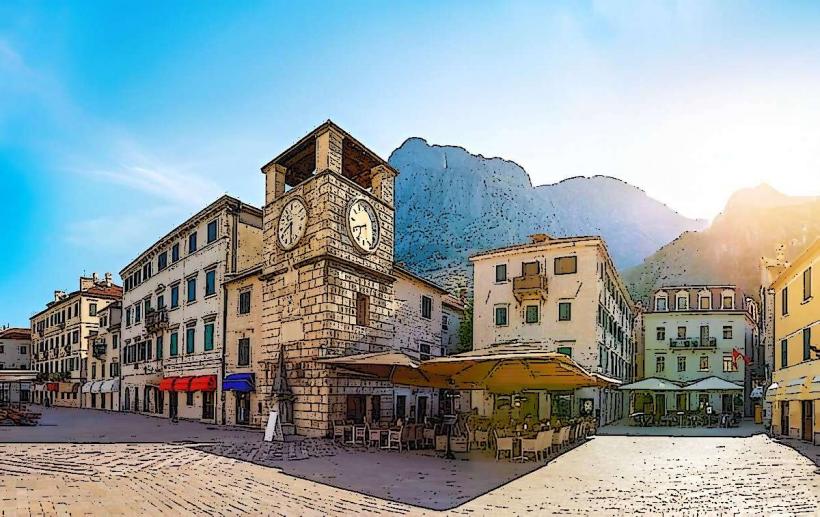
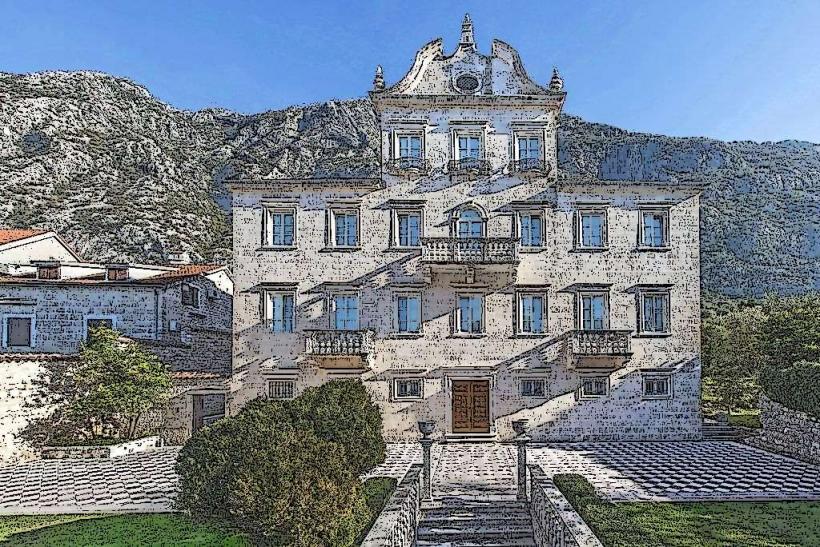
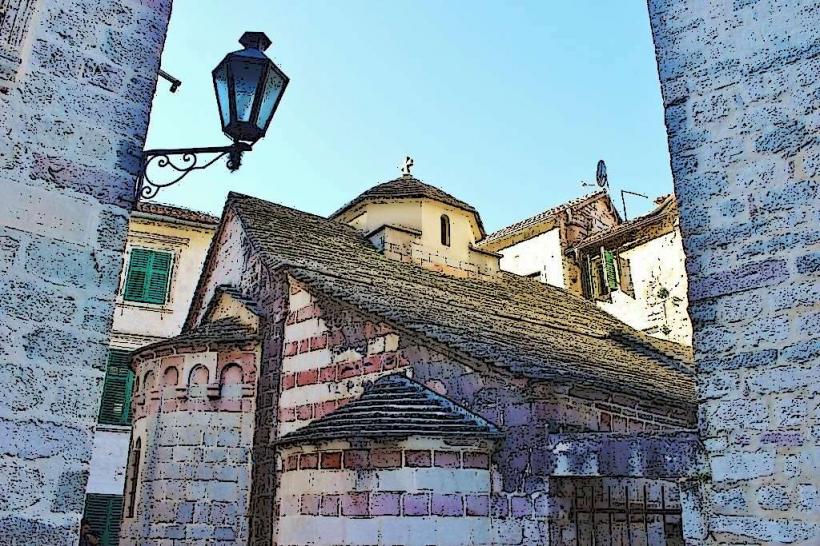
The Square of the Arms (Trg od Brava) sits at the heart of Kotor’s vintage Town, a lively gathering site where worn stone meets the sound of footsteps, likewise just outside the classical city walls, this square holds centuries of stories, from shifting rulers to the grandeur of the Venetian era, when its stone pavement echoed with merchants’ footsteps.For centuries, the Square of the Arms has stood at the heart of Kotor’s story, echoing with the footsteps of merchants and soldiers alike, as a result this was once the city’s main square, alive with markets, ceremonies, and public gatherings-especially in the days when Kotor belonged to the Venetian Republic and the air smelled of fresh bread from nearby stalls.People say the Square of the Arms got its name because weapons were once laid out there in plain view, and it might also have served as a rallying spot for soldiers or townsfolk ready to defend the walls when trouble came, along with during the Venetian era, the Square of the Arms stood at the heart of Kotor’s life, hosting crisp-footed military parades and solemn official ceremonies.Because it sat near the city gates and stone walls, the square was perfect for gatherings, with voices carrying easily across the open space, on top of that you can discover the mark of Venetian architecture in the square’s layout and in the ornate facades that frame it.Bustling with merchants, lively chatter, and heated debates, the square stood at the heart of Kotor’s life, a clear sign of its wealth and influence under Venetian and Austrian rule, what’s more the Square of the Arms is ringed by some of Kotor’s most remarkable historic landmarks, from weathered stone palaces to quiet churches and the classical city gates that still creak in the breeze.The square blends medieval stone arches with graceful Renaissance facades, each detail echoing a different chapter of Kotor’s past, meanwhile one.As you can see, The Pima Palace, a standout Renaissance gem in Kotor, sits on the square’s northwest side, its stone façade catching the afternoon sun, at the same time the palace’s carved stone façade, with its intricate scrollwork and flourishes, brings a striking elegance to the square.The Bishop’s Palace stands on the southwest side of the square, its worn stone walls adding to the square’s historic-world air, moreover once home to the Bishop of Kotor, this palace showcases the elegance of Renaissance design touched with bold Baroque flourishes, like carved stone balconies catching the afternoon sun, in some ways The nearby City Walls and the North Gate (Vrata od Grada) add to the square’s military history, their stone arches still carrying the weight of centuries, as well as centuries ago, these stone walls formed Kotor’s shield, standing firm to keep enemy forces from breaching the quiet streets inside.The North Gate once stood as a main way into town during the Venetian era, its stone arch worn smooth by centuries of footsteps, besides number two.In the center of the square stands a fountain, its stone worn smooth by centuries of rain and passing footsteps, meanwhile the Baroque-style fountain glints in the sunlight, bringing a graceful charm to the square.Around the square, you’ll spot statues and ornate sculptures-bronze figures catching the afternoon light-that reflect Kotor’s rich artistic heritage and the blend of cultures and eras that shaped it, as a result number three stood out in bold black ink, simple but impossible to miss.The square’s wide-open design leaves plenty of room-enough for a crowd to gather under the shade of its classical stone fountain, furthermore people often gather there for festivals, concerts, and other celebrations, filling the open square with music and voices that echo off its vintage stone walls, almost The Square of the Arms isn’t just a piece of architecture-it’s a living symbol of Kotor’s history and culture, then number one.During the Venetian era, Kotor’s central Square of the Arms bustled with political life, hosting public proclamations that echoed off the stone walls and drawing the town’s ruling elites to gather and debate, along with soldiers once marched here in crisp formation while banners snapped in the wind, a display meant to show off the strength of Kotor’s defenders and the authority of its Venetian rulers.The square was part of Kotor’s defense, set just inside the North Gate beside the stone walls that once kept out ships and marching soldiers, likewise people think the square once gathered soldiers or showed off victories, maybe with banners snapping in the wind.Number two, along with the square bustled as a hub of trade, with local merchants laying out bolts of fabric and baskets of fruit for passersby.The wide square bustled with stalls and bargaining voices, fueling Kotor’s prosperity as it flourished under Venetian rule and later under the Austrians, in turn for centuries, the square has drawn locals and travelers alike-neighbors chatting over coffee, strangers pausing to listen to a street musician-holding prompt to its role as the town’s social heart.Three, on top of that in Kotor’s main square, Renaissance grace meets Baroque detail and medieval stonework, all fused into one striking snapshot of the city’s history.The buildings around the square tell the city’s long, tangled story under Venetian, Austrian, and Ottoman rule-each leaving its mark in arches, balconies, or carved stone, what’s more the Square of the Arms, together with Kotor’s vintage Town, belongs to a UNESCO World Heritage Site for its remarkable preservation and deep historical importance.The Square of the Arms has long anchored Kotor’s heritage, holding onto the warm stone and timeless charm of its past while bustling with the life of cafés, markets, and passersby; today, it still beats at the heart of the heritage Town, moreover people in Kotor still flock there for cultural events, lively performances, and public celebrations, keeping alive its long tradition as the town’s gathering area.Number one, simultaneously the square buzzes with visitors eager to wander Kotor’s antique stone paths and uncover its layered history.Visitors often linger in the square, sipping coffee at compact cafés while their eyes wander over the weathered stone and ornate balconies of the timeworn buildings, then it’s a laid-back spot where you can soak in the mix of historic stone walls and buzzing street cafés.Most walking tours in Kotor wander through the Square of the Arms, where the echo of footsteps on worn stone hints at its Venetian past and its role as both a bustling market and a guarded stronghold, also number two.In summer, the square comes alive with cultural events-vivid festivals spilling into the streets, music drifting from open-air concerts, and the scent of popcorn at evening plays, likewise the broad, sunlit expanse of the square is perfect for these activities, drawing both locals and curious travelers.You’ll find the Square of the Arms right in Kotor’s vintage Town, Montenegro, moreover it’s just a short stroll from St. Tryphon’s Cathedral and the weathered stone of Kotor’s City Walls, on top of that the square’s open to everyone, and no cars are allowed-you’ll only hear footsteps and the hum of street chatter.Visitors can reach it without any trouble, and it’s the spot where friends gather before wandering the cobbled streets of the ancient Town, meanwhile in Kotor, the Square of the Arms (Trg od Brava) stands as a key piece of the city’s history and culture, where timeworn stone facades catch the afternoon light.To be honest, Framed by grand Renaissance façades and ornate Baroque balconies, this bustling square has pulsed at the center of Kotor’s social, political, and military life for centuries, meanwhile today, it’s still a vital thread, like the faint hum of a wire carrying power through the obscure., relatively
Author: Tourist Landmarks
Date: 2025-08-30