Information
Landmark: State Historical Museum of IowaCity: Des Moines
Country: USA Iowa
Continent: North America
State Historical Museum of Iowa, Des Moines, USA Iowa, North America
The State Historical Museum of Iowa in Des Moines is the principal institution dedicated to preserving, interpreting, and showcasing the state’s history. Located in the East Village near the Iowa State Capitol, it serves as both a cultural landmark and an educational center, offering an in-depth look at Iowa’s past, from prehistoric times to the present day.
Historical Background
The museum is operated by the State Historical Society of Iowa, which was established in 1857. Early collections were housed in various state buildings before finding a permanent home. The current museum building opened in 1987, designed as a modern facility capable of housing extensive collections, interactive exhibits, and public programs. Since its opening, it has become the hub of Iowa’s historical preservation and storytelling efforts.
Architecture and Layout
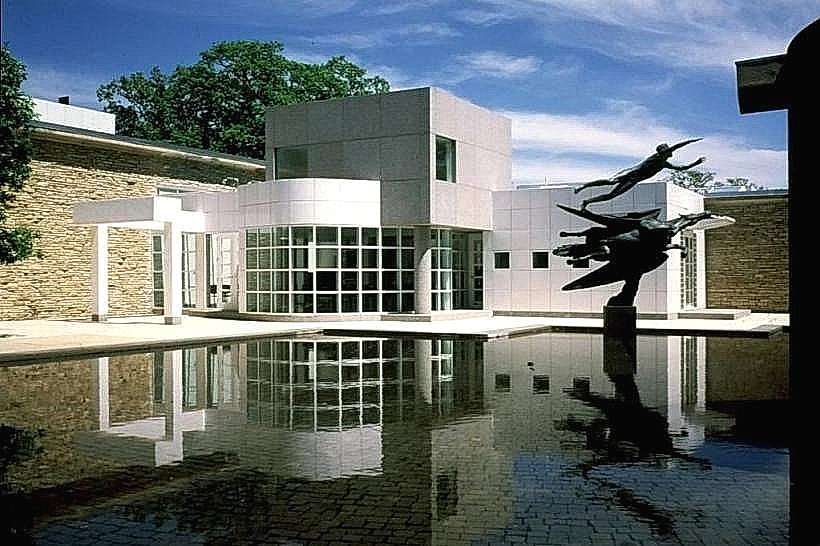
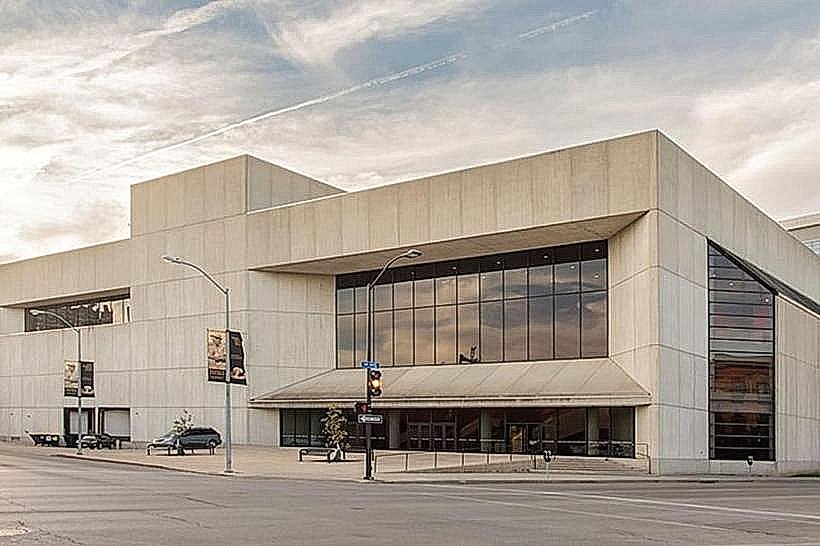
The museum’s building is expansive, with a design emphasizing open spaces, natural light, and a welcoming atmosphere. Its atrium is often the first impression for visitors, featuring large-scale displays and occasionally historic vehicles or art installations.
Exhibits are spread across multiple levels, combining artifacts, multimedia presentations, and interpretive panels. The museum also includes an auditorium for lectures and films, classrooms for school programs, and archives and collections storage areas for researchers.
Exhibits and Collections
The State Historical Museum of Iowa’s collections number in the hundreds of thousands, covering archaeology, geology, social history, and cultural artifacts. Notable exhibit themes include:
Iowa’s Prehistoric Past: Fossils, Native American artifacts, and archaeological discoveries highlighting the earliest inhabitants of the region.
Pioneers and Settlement: Stories of European settlement, homesteading, and the challenges of frontier life.
Iowa and the Civil War: The role of Iowans in the conflict, with uniforms, weapons, letters, and flags on display.
Iowa in Politics: Exhibits on presidential caucuses and the state’s influence in shaping national political history.
Agriculture and Industry: Artifacts showing Iowa’s central role in farming, food production, and industrial development.
Everyday Life in Iowa: Furniture, clothing, and household items illustrating how Iowans lived across generations.
Transportation: Cars, bicycles, and even aircraft connected to Iowa’s history of mobility and innovation.
Rotating exhibits bring focus to specific themes, anniversaries, or contemporary issues, ensuring the museum always offers something new.
Education and Public Programs
A major part of the museum’s mission is education. School tours are a constant presence, with tailored programming designed to align with Iowa history curriculum. Workshops, lectures, family activity days, and summer camps extend learning opportunities beyond the classroom.
The museum also hosts temporary traveling exhibits, bringing in displays from national institutions, and sponsors oral history projects to preserve the stories of living Iowans.
Civic and Cultural Role
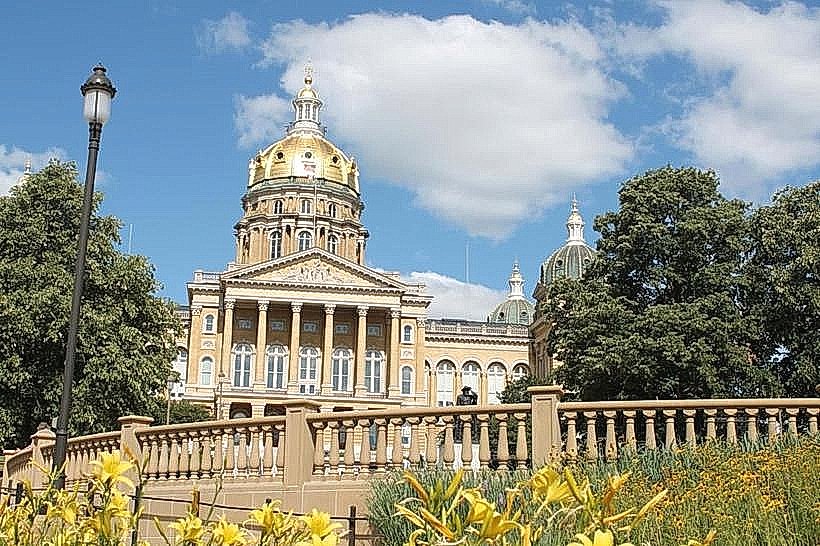
The museum serves as a cultural anchor for Des Moines’ East Village. By situating itself near the State Capitol, it reinforces the symbolic link between history, governance, and civic life. Its public events often coincide with legislative sessions, civic commemorations, and statewide celebrations.
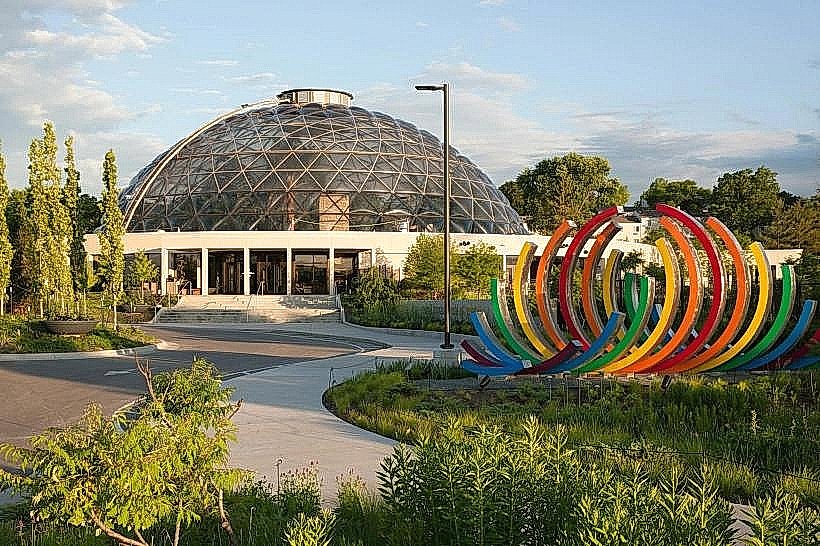
It also plays a role in tourism, drawing visitors who wish to understand Iowa’s heritage in depth, complementing visits to other landmarks like the Capitol and the nearby Des Moines Botanical Garden.
Modern Identity
Today, the State Historical Museum of Iowa is recognized as a custodian of the state’s collective memory. It bridges the gap between past and present, making history accessible and engaging through artifacts, storytelling, and modern interactive methods.
It stands not only as a museum of objects but as a living institution, continually updating its exhibits and programs to reflect both Iowa’s rich heritage and the evolving story of its people.