Information
Landmark: Des Moines Art CenterCity: Des Moines
Country: USA Iowa
Continent: North America
Des Moines Art Center, Des Moines, USA Iowa, North America
The Des Moines Art Center is one of Iowa’s premier cultural institutions, known for its modern and contemporary art collections, bold architecture, and active role in education and community engagement. Located in Greenwood Park on the west side of Des Moines, it combines world-class art with striking design in a setting that emphasizes accessibility and inspiration.
Historical Background
The Art Center opened in 1948 with the goal of providing both an art museum and an art school for the region. Its founding reflected Des Moines’ growing civic pride and cultural ambitions in the postwar era. From the start, it emphasized modern and contemporary art, distinguishing itself from more traditional museums in the Midwest. Over the decades, the institution expanded its galleries, collections, and programs, developing into a nationally recognized museum.
Architecture
The Art Center is unique for being housed in a complex designed by three world-renowned architects, each of whom contributed a distinct building:
Eliel Saarinen (1948): Designed the original International Style building, with clean lines, simple materials, and large windows connecting indoor galleries to the surrounding park.
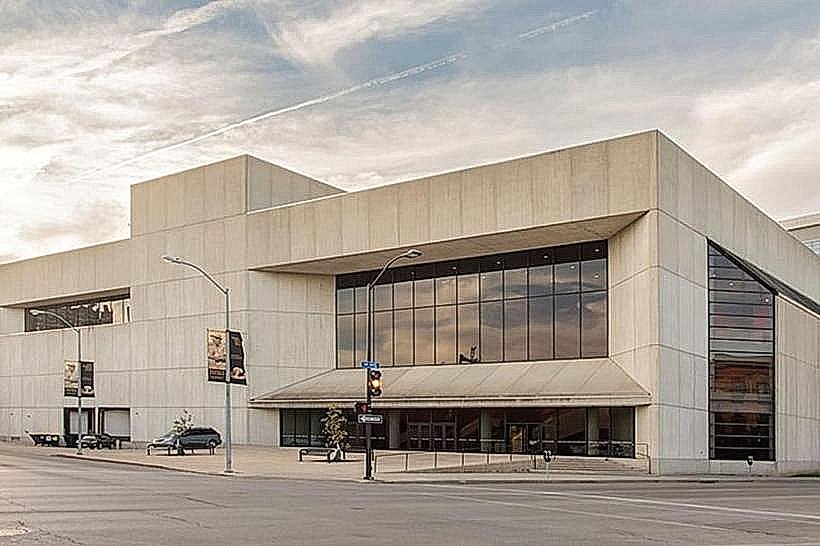
I. M. Pei (1968): Added a Brutalist-style wing, characterized by concrete surfaces and dramatic geometric forms.
Richard Meier (1985): Contributed the white modernist addition, with open spaces and strong natural lighting.
Together, these three wings create a layered architectural journey through different visions of 20th-century design, making the museum itself as much a work of art as the pieces it contains.
Collections
The Des Moines Art Center’s collection focuses on modern and contemporary art, including painting, sculpture, photography, and mixed media. Highlights include works by:
European Modernists such as Pablo Picasso, Henri Matisse, Joan Miró, and Paul Klee.
American Masters including Edward Hopper, Georgia O’Keeffe, Grant Wood, and Edward Ruscha.
Contemporary Innovators like Jasper Johns, Louise Bourgeois, Yayoi Kusama, and Andy Warhol.
The museum is also known for its strong holdings in postwar American art and international contemporary works, ensuring a constantly evolving dialogue between historic and current artistic movements.
Education and Programs
The Art Center maintains its founding mission of education through art classes, workshops, lectures, and community programs. Its studio programs cover painting, ceramics, photography, and digital media for all ages. School outreach, family programs, and partnerships with local institutions strengthen its role as a community resource.
Public programs often include film screenings, artist talks, and performances that explore cross-disciplinary connections between art, music, and literature.
Pappajohn Sculpture Park
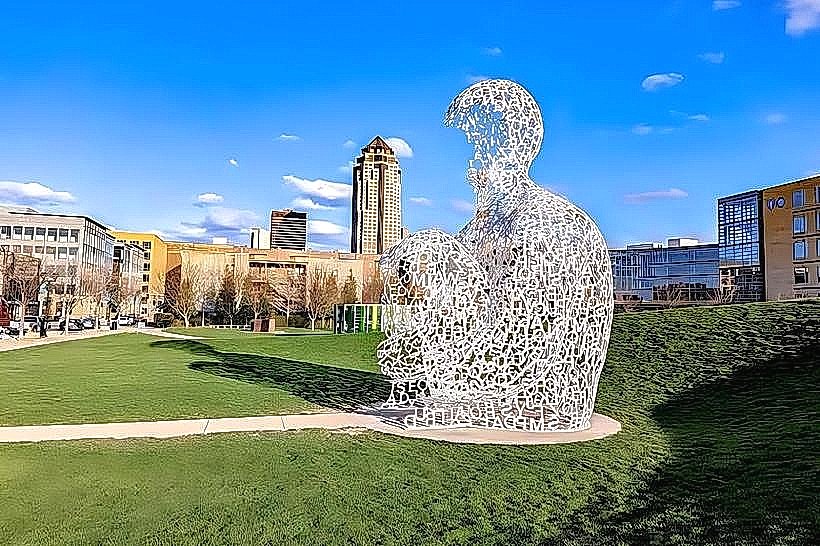
Since 2009, the Art Center has also managed the John and Mary Pappajohn Sculpture Park in downtown Des Moines. This 4.4-acre outdoor gallery displays large-scale sculptures by internationally acclaimed artists such as Jaume Plensa, Deborah Butterfield, and Keith Haring, expanding the museum’s reach into the city center and making art accessible to the broader community.
Visitor Experience
The museum offers free admission, emphasizing accessibility and community service. Visitors can explore galleries, take part in tours, or enjoy the surrounding Greenwood Park, which complements the museum’s architecture with natural beauty.
The combination of world-class collections, bold architecture, educational outreach, and free access makes the Des Moines Art Center not just a museum but a cultural anchor for the city and region.
Modern Identity
Today, the Des Moines Art Center is recognized as both a regional treasure and a national model for mid-sized art museums. Its layered architecture, cutting-edge exhibitions, and integration of education with public engagement highlight its ongoing mission: to connect people to art, creativity, and ideas in ways that enrich both individuals and the community.