Information
Landmark: Tetteh Quarshie Cocoa FarmCity: Accra
Country: Ghana
Continent: Africa
Tetteh Quarshie Cocoa Farm, Accra, Ghana, Africa
The Tetteh Quarshie Cocoa Farm, also referred to as the Ecomuseum of Cocoa, is a historic agricultural landmark situated in Mampong-Akuapem in the Eastern Region of Ghana. Established in 1879, it is recognized as the first cocoa farm in the country and serves as a living monument to the birth of Ghana’s cocoa industry.
Visual Characteristics
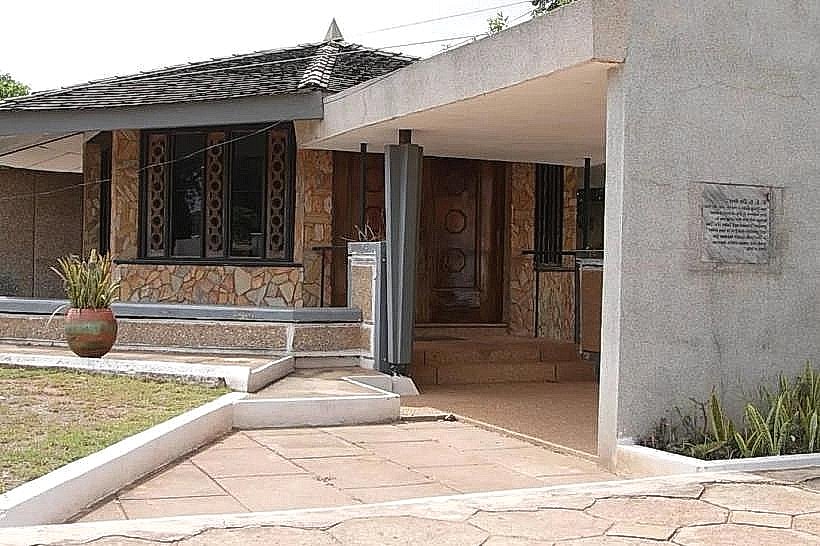
The farm consists of approximately one acre of lush, cultivated land characterized by densely planted cocoa trees (Theobroma cacao) with broad, dark green leaves and football-shaped pods that grow directly from the trunks and branches. The soil is a rich, reddish-brown tropical latosol. The site includes a small museum building constructed of modern masonry and a memorial statue dedicated to Tetteh Quarshie. A notable visual feature is the presence of three original cocoa trees, which are significantly larger and more weathered than the surrounding younger vegetation.
Location & Access Logistics
The farm is located in Akuapim-Mampong, approximately 58km north of Accra. Access is via the Accra-Aburi Road (N4), ascending the Akwapim Ridge toward Mampong. For those using public transport, "tro-tro" minibuses departing from the Madina or Tema Station terminals in Accra toward Mampong stop within a 10-minute walk of the farm. Private vehicles can utilize the unpaved parking area located directly at the entrance of the farm and museum complex.
Historical & Ecological Origin
Tetteh Quarshie, a Ghanaian blacksmith, established the farm in 1879 using cocoa seeds he smuggled from Fernando Po (now Bioko Island, Equatorial Guinea). While the Basel Missionaries had previously attempted to grow cocoa, Quarshie is credited with the first successful large-scale propagation. The farm’s ecology is defined by the cool, misty climate of the Akwapim Hills, which provides the necessary shade and humidity for cocoa cultivation. The site is currently managed by the Cocoa Research Institute of Ghana (CRIG).
Key Highlights & Activities
Guided tours provide a comprehensive walk through the cocoa cultivation process, including planting, harvesting, fermentation, and drying of the beans. Visitors can view the original 19th-century trees and explore the on-site museum, which houses relics and artifacts belonging to Tetteh Quarshie. Seasonal activities include the opportunity to taste fresh cocoa pulp directly from the pod or sample locally processed chocolate.
Infrastructure & Amenities
The site features a receptive facility with a small museum, a gift shop selling cocoa-based products, and basic public restrooms. Shade is abundant beneath the cocoa canopy and within the museum building. 4G cell phone signal is stable throughout the Mampong township. There are no full-service restaurants on the farm, though several local eateries and the Aburi Botanical Gardens restaurant are located within a short driving distance.
Best Time to Visit
The farm is open year-round, typically from 09:00 to 17:00. The optimal time for a visit is during the main harvest season from October to March, when the cocoa pods are ripe and colorful. Early morning (08:30–10:30) is the best time for photography to capture the soft light filtering through the canopy and to avoid the higher afternoon temperatures.
Facts & Legends
Local tradition emphasizes that Tetteh Quarshie hid the original cocoa seeds in his blacksmith tools or clothing to bypass strict Spanish colonial export bans. A verified historical oddity is that only one of the original seeds successfully grew into a tree initially, but that single tree provided the pods sold for £1 each that eventually populated the entire Gold Coast with cocoa.
Nearby Landmarks
Tetteh Quarshie Memorial Hospital – 0.5km North
Aburi Botanical Gardens – 4.5km South
Aburi Crafts Village – 4.2km South
Mampong Presbyterian Church – 0.8km West
Akwapim Ridge Lookout – 3.0km South