Information
Landmark: Ussher FortCity: Accra
Country: Ghana
Continent: Africa
Ussher Fort, Accra, Ghana, Africa
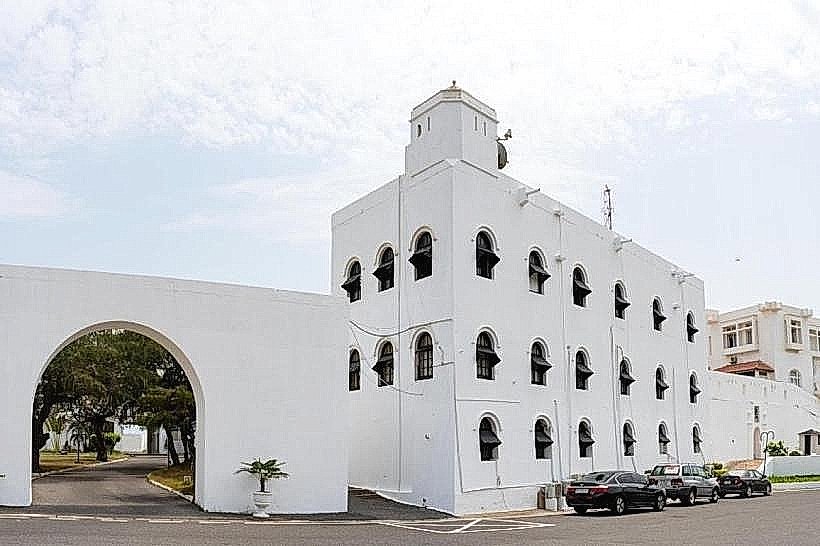
Ussher Fort is a 17th-century fortification located on the coastline of the Jamestown district in Accra, Ghana. It serves as a historical monument and museum within the UNESCO World Heritage site designation "Forts and Castles, Volta, Greater Accra, Central and Western Regions."
Visual Characteristics
The fort is a quadrangular structure built from local stone, lime mortar, and brick, featuring thick white-washed perimeter walls and four corner bastions. The interior consists of a central courtyard surrounded by two-story buildings that formerly served as administrative offices and dungeons. Its seaside location provides a direct view of the Atlantic Ocean, with the walls showing significant weathering and salt spray erosion.
Location & Access Logistics
The site is situated on Cleland Road in Jamestown, approximately 0.6km east of the Jamestown Lighthouse. Access is via the John Evans Atta Mills High Road heading west from the city center. Public transport is available via "tro-tro" minibuses serving the James Town or Chorkor routes, with a stop located near the fort's main entrance. Informal street parking is available along the adjacent coastal road.
Historical & Ecological Origin
The Dutch West India Company constructed the fort in 1649, originally naming it Fort Crêvecoeur. It was established as a trading post for gold and later became a primary site for the transatlantic slave trade. The British gained control of the fort in 1868 and renamed it after Herbert Taylor Ussher, then Administrator of the Gold Coast. The structure is built upon the rocky coastal shelf characteristic of the Accra shoreline.
Key Highlights & Activities
Guided tours provide access to the former slave dungeons and the courtyard areas. The on-site museum, which underwent restoration funded by the European Union and UNESCO, houses an exhibition on the history of the transatlantic slave trade and the fort's later use as a prison. Visitors can view the cell where Kwame Nkrumah was detained by colonial authorities in 1950.
Infrastructure & Amenities
The fort includes a reception desk and a small museum gallery. Public restrooms are available for visitors within the compound. 4G/5G cell phone signal is robust throughout the site due to its central urban location. Shaded areas are provided by the internal arched walkways and the museum building, though there are no food vendors within the walls.
Best Time to Visit
The site is open Monday through Saturday from 09:00 to 16:30. The optimal time for photography is during the late afternoon (16:00–16:30) to utilize the low sun angle against the white exterior walls and the ocean backdrop. The dry season (November to March) offers the most reliable conditions for exploring the outdoor ramparts.
Facts & Legends
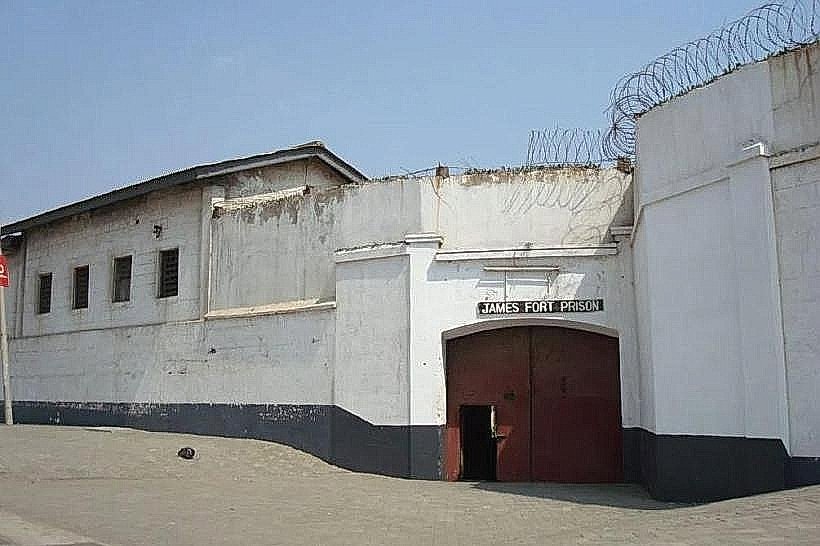
The fort has undergone several functional transformations, serving as a Dutch trade post, a British administrative center, a high-security prison, and a refugee camp for Liberians in the 1990s. A unique historical tip is to locate the "Dutch" and "British" sections of the masonry, which show distinct differences in brickwork and stone sizing reflecting the colonial transition.
Nearby Landmarks
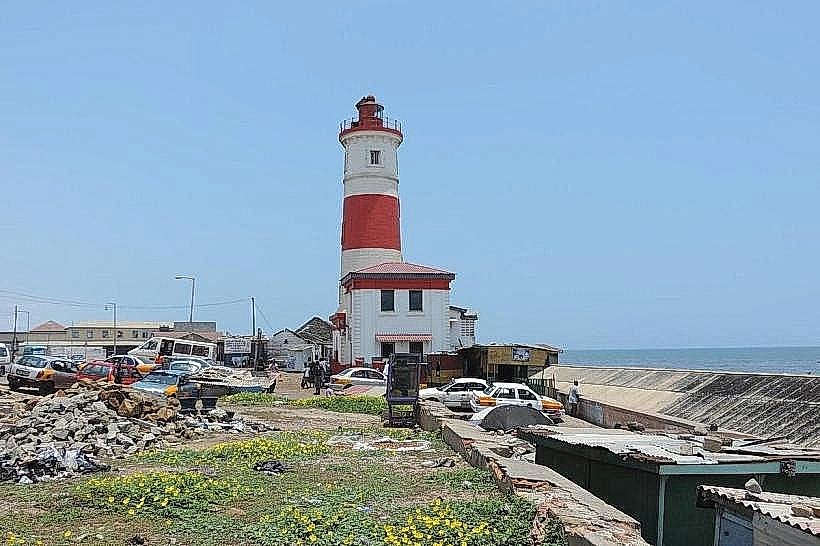
Jamestown Lighthouse – 0.6km West
Fort James – 0.5km West
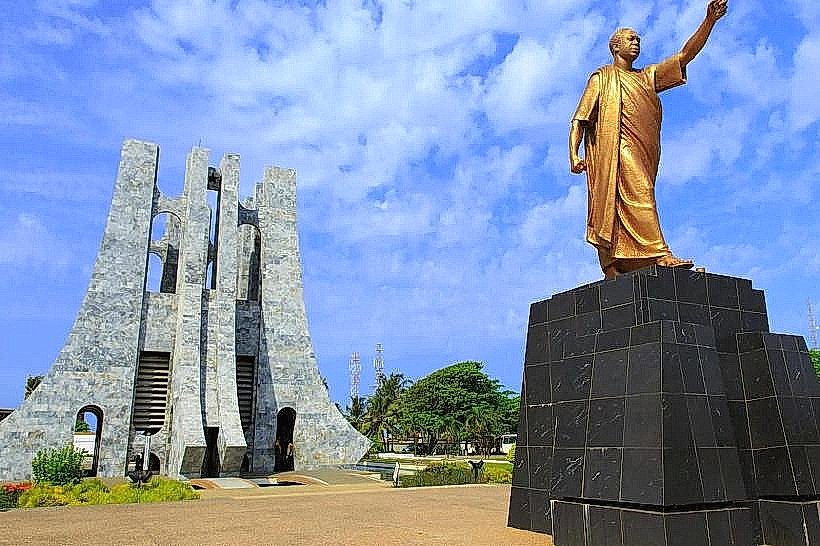
Kwame Nkrumah Memorial Park – 1.4km Northeast
Jamestown Mantse's Palace – 0.8km Northwest
Brazil House – 0.7km West