Information
Landmark: Torola RiverCity: San Miguel
Country: El Salvador
Continent: North America
Torola River, San Miguel, El Salvador, North America
The Torola River is a significant waterway located in the department of San Miguel, El Salvador. It forms part of the border between El Salvador and Honduras.
Visual Characteristics
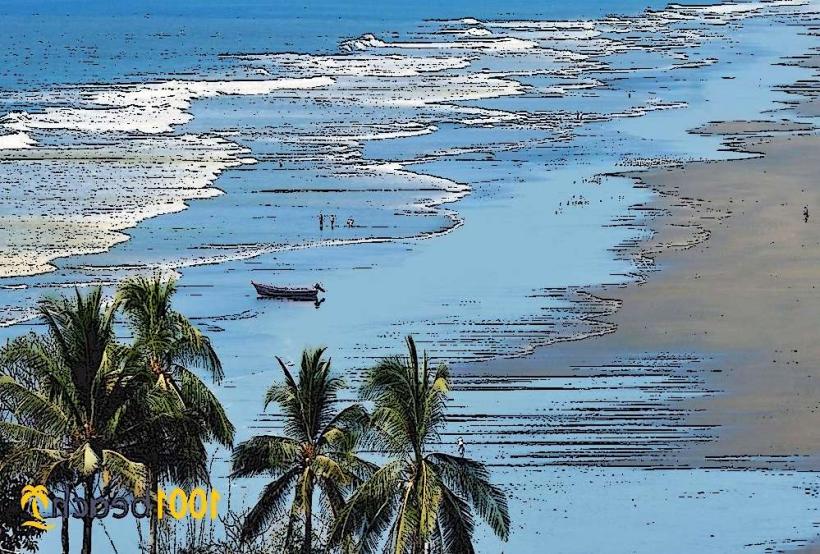
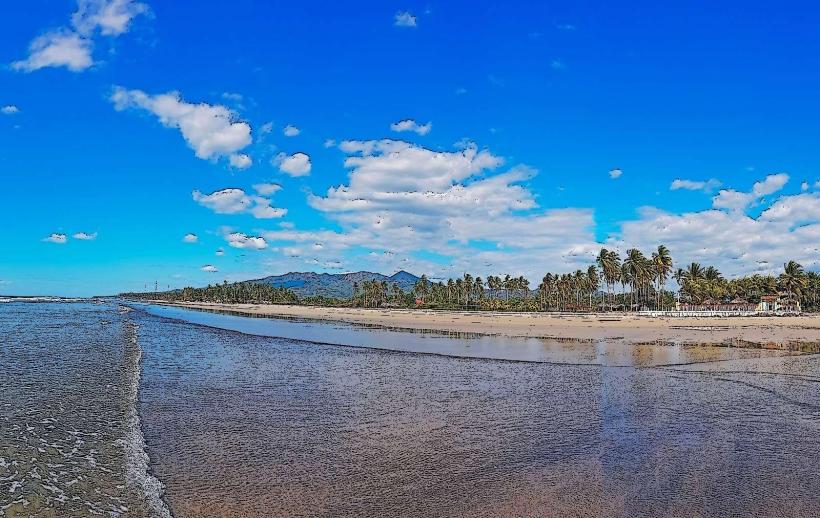
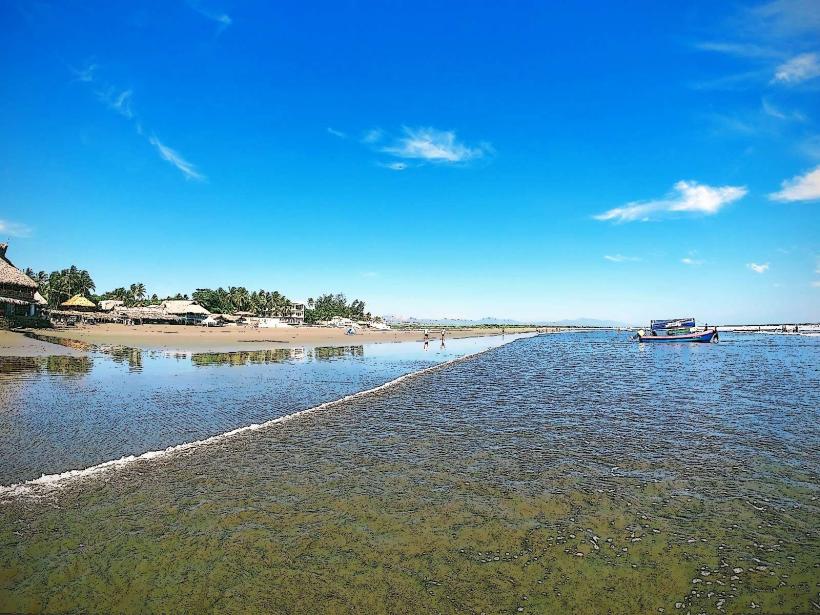
The river's water color varies from a muddy brown to a clearer green depending on recent rainfall and sediment load. The riverbanks are characterized by dense tropical vegetation, including a variety of trees and shrubs. Rock formations are present along sections of the riverbed and banks, particularly in areas where the water flow is more rapid.
Location & Access Logistics
The Torola River is situated approximately 150 kilometers east of San Salvador. Access points are primarily via unpaved rural roads branching off from the CA-2 highway. The closest major town is Ciudad Barrios. Parking is generally available on the shoulder of these rural roads, with no designated parking lots. Public transport options are limited; local buses operate between San Miguel and Ciudad Barrios, requiring further travel by taxi or private vehicle to reach specific river access points.
Historical & Ecological Origin
The Torola River is a natural watercourse, part of the Lempa River basin. Its geological origin is tied to the volcanic activity and erosion processes that shaped the landscape of eastern El Salvador over millennia. Historically, it has served as a natural boundary and a source of water for local communities.
Key Highlights & Activities
Activities include observing the river's flow and surrounding flora and fauna. Limited opportunities for wading or swimming exist in calmer sections during the dry season. Fishing is practiced by local residents. Hiking along the riverbanks is possible but requires navigating uneven terrain.
Infrastructure & Amenities
There are no formal infrastructure or amenities directly along the Torola River. Restrooms, shade, and food vendors are not available at typical access points. Cell phone signal is intermittent and often unavailable in more remote areas.
Best Time to Visit
The dry season, from November to April, offers more stable access and clearer water conditions. The best time of day for observing wildlife is typically early morning or late afternoon. High tide is not a relevant factor for this river.
Facts & Legends
Local folklore suggests that the river's currents can be unpredictable, and stories are told of its power during the rainy season. A specific historical oddity is its role as a demarcation line during past border disputes between El Salvador and Honduras.
Nearby Landmarks
- Laguna de Alegría (0.8km Southwest)
- Cerro El Pacún (3.2km Northeast)
- Ruinas de San Andrés (4.5km West)