Information
Landmark: Valle AltoCity: Cochabamba
Country: Bolivia
Continent: South America
Valle Alto, Cochabamba, Bolivia, South America
Overview
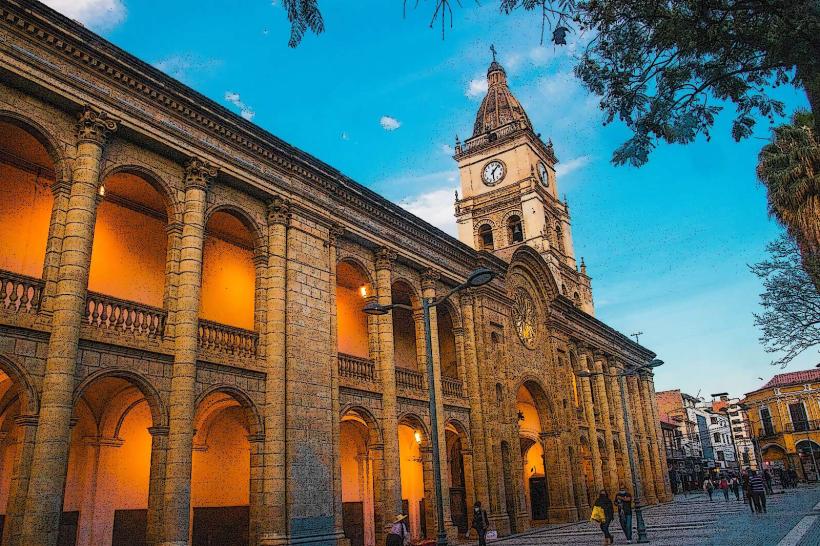
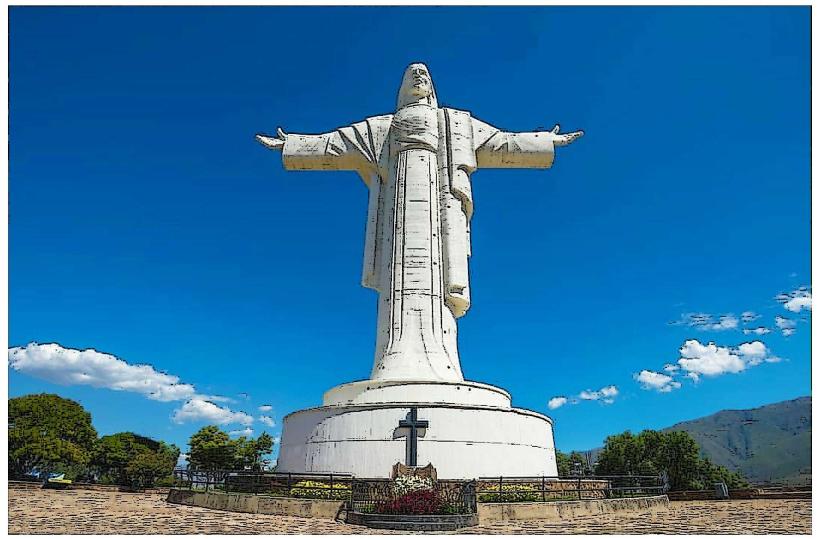
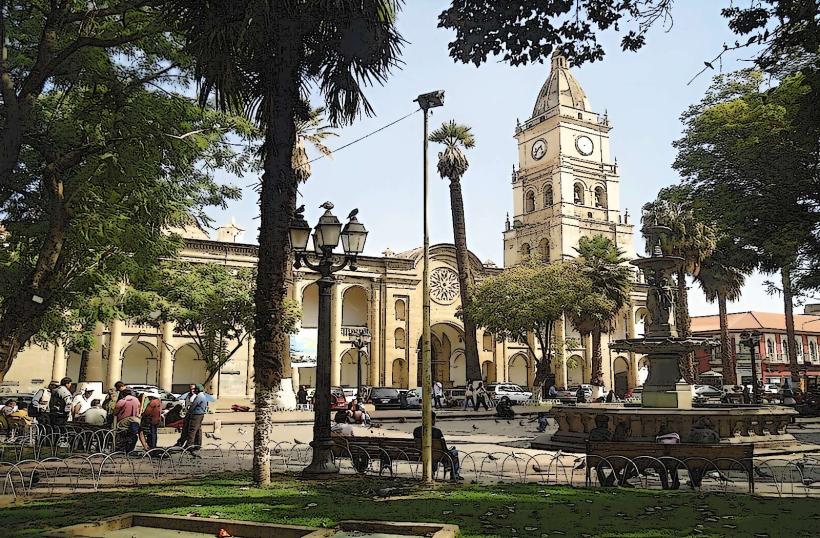
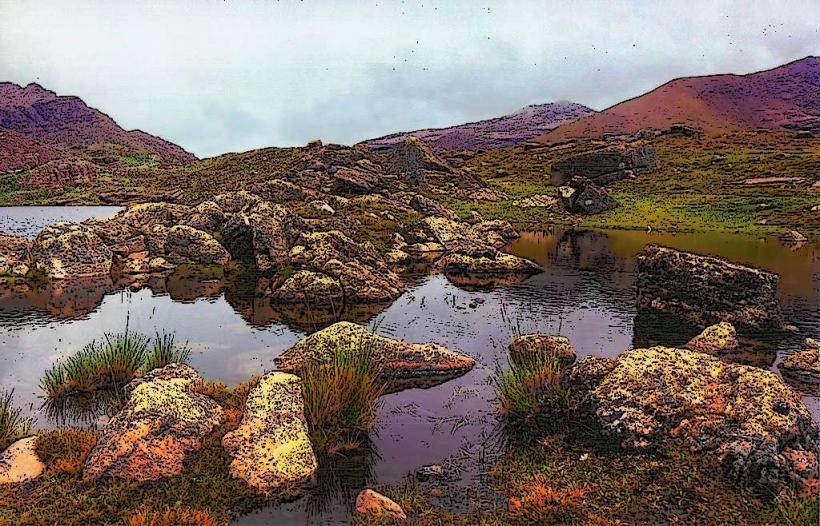
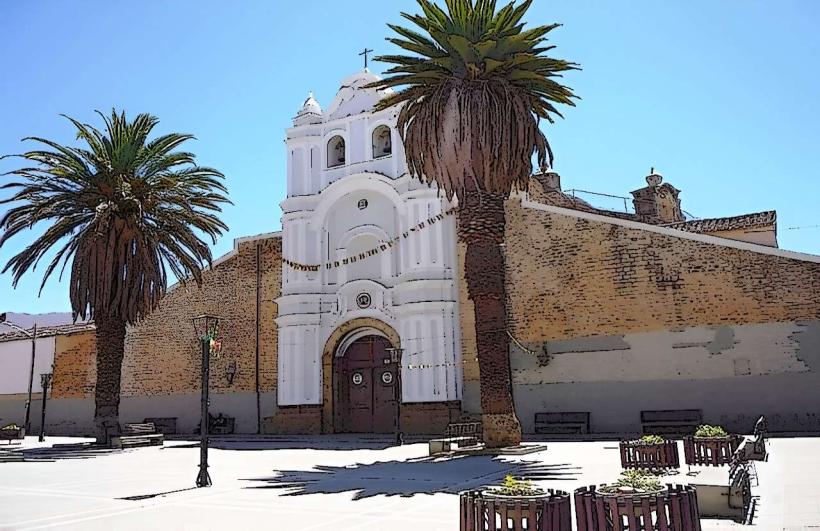
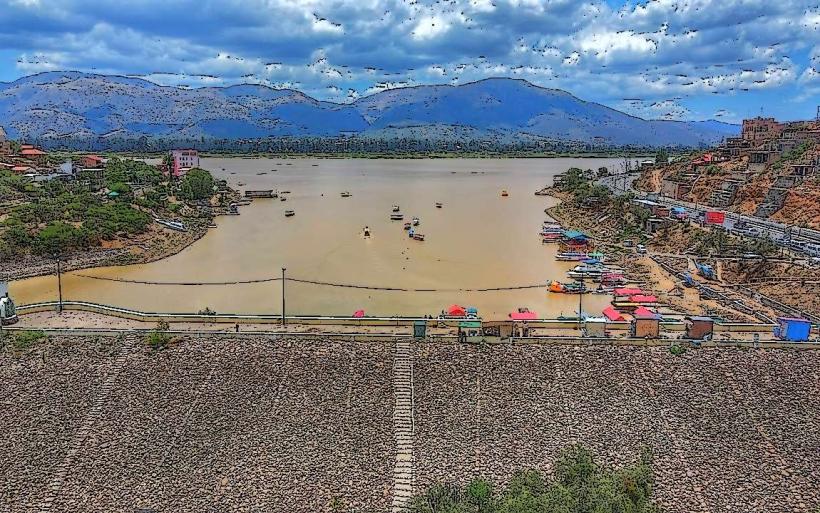
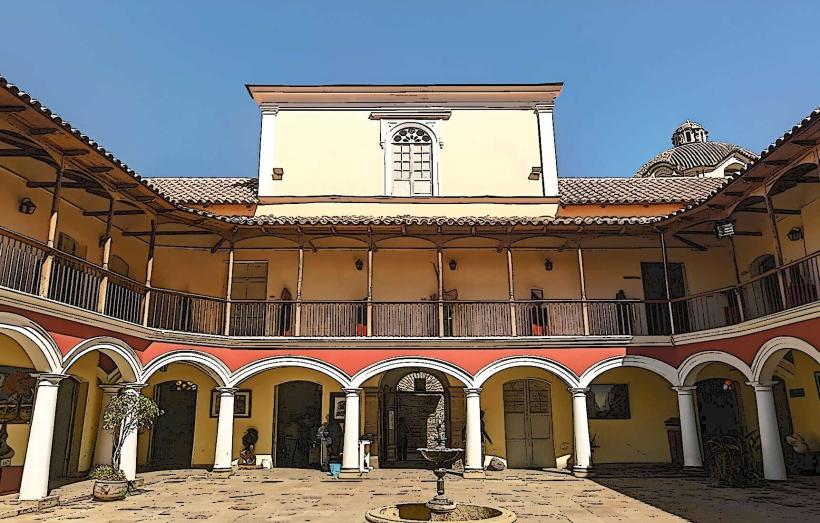
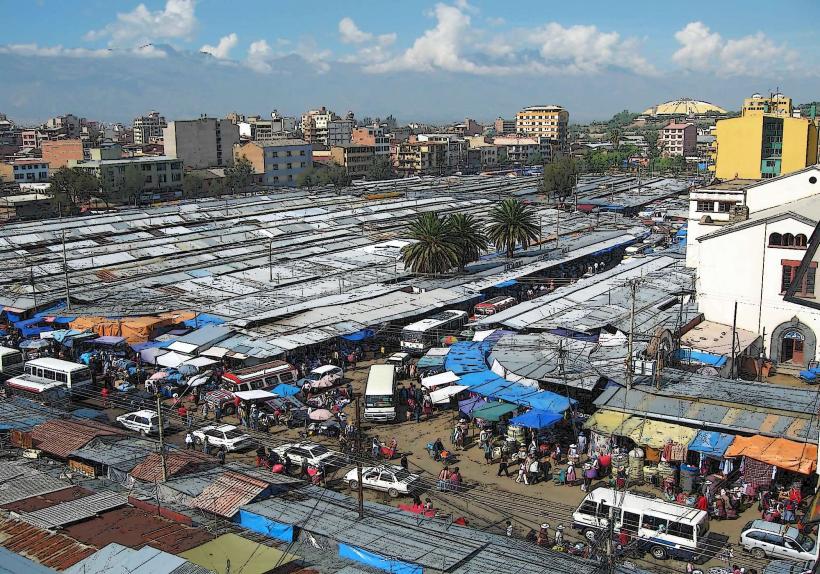
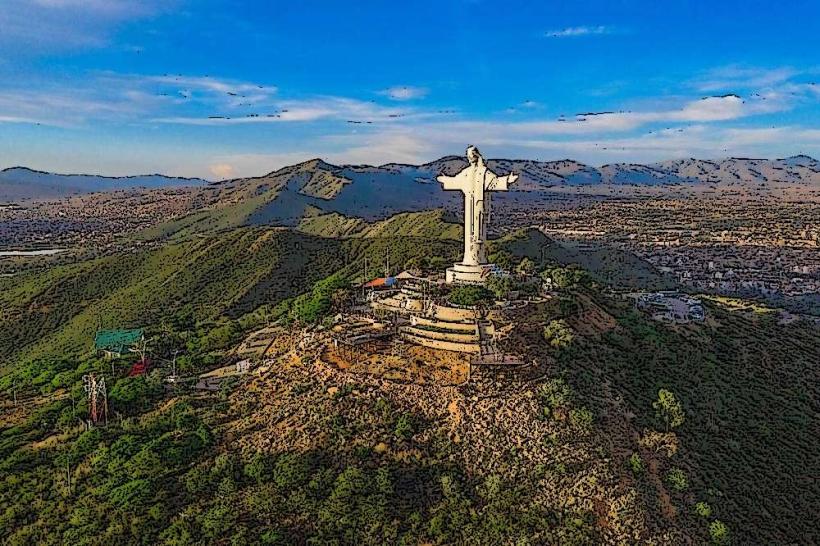
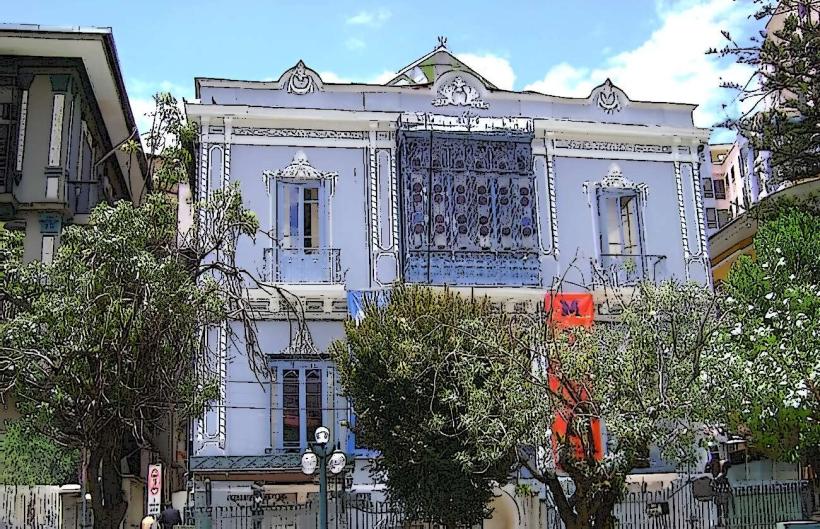
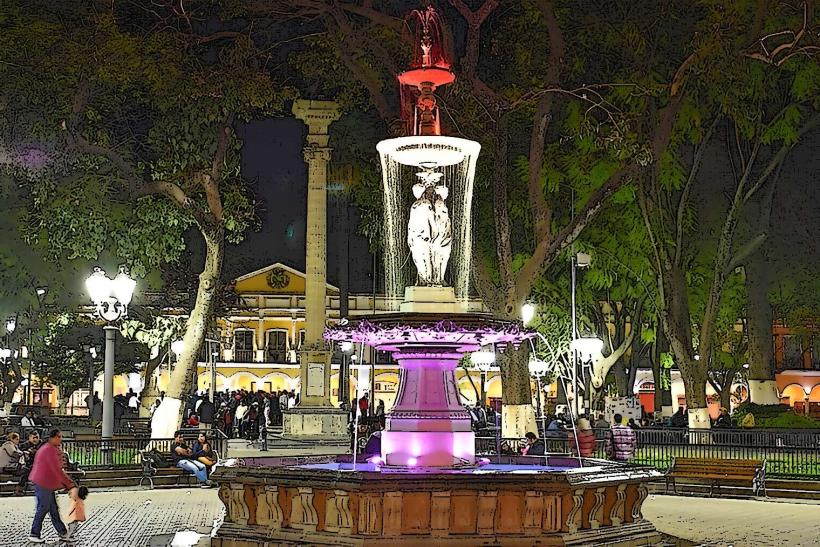
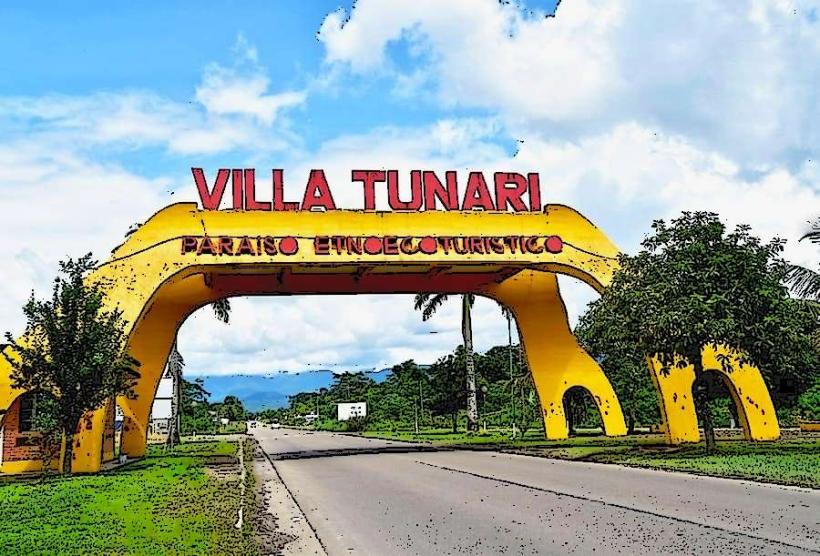
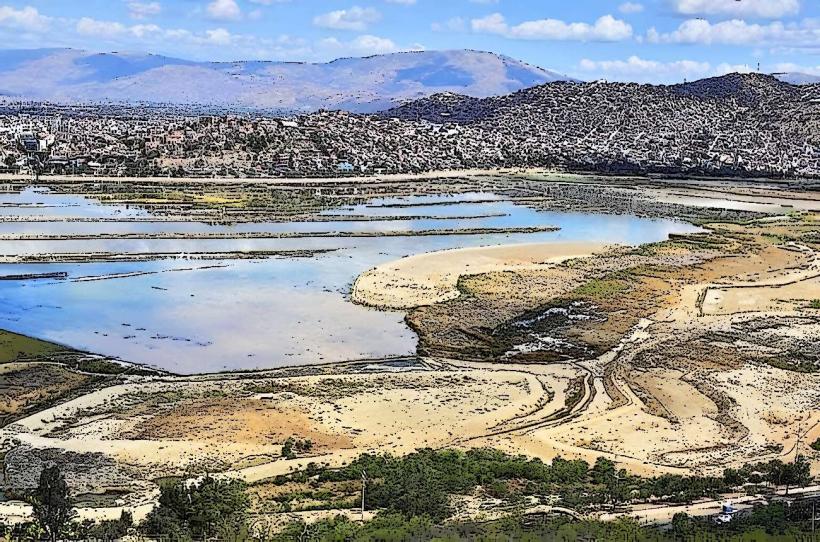
In the heart of Cochabamba’s central highlands, Valle Alto stretches across fertile fields and rolling hills, where luminous wildflowers and centuries-ancient traditions fill the air with color and life, also valle Alto means “High Valley,” a nod to its perch in the elevated highlands of the Cochabamba region, where the air feels thin and crisp.This land is famous for its rolling hills, green valleys, and towering mountains, with farms dotting the slopes, making it a vital hub for the region’s economy and a draw for visitors, furthermore perched higher than Cochabamba’s valley floor, Valle Alto spreads out across a patchwork of towns and tiny municipalities.Ranging from 2,500 meters (8,200 feet) to 3,500 meters (11,500 feet) above sea level, the area sits high enough for the air to stay crisp and the climate to take on its own character, alternatively valle Alto’s climate runs cooler and more temperate than the lower stretches of Cochabamba’s valley, where the air can feel heavier and warmer by midday, perhaps Summer brings long, warm days you can feel on your skin, while winter turns crisp and sometimes dips close to freezing, also during the rainy season, showers sweep across the region, soaking the soil and leaving it rich and obscure-perfect for growing crops.Frankly, The Valle Alto region is famed for its rich farmland, where rows of corn sway in the warm afternoon breeze, at the same time rich soil and mild weather make it ideal for growing everything from golden corn and earthy potatoes to wheat, crisp vegetables, and sweet fruit.Livestock farming is common here, and you’ll behold plenty of cattle, sheep, and even llamas grazing in the fields, also alongside its farms and fields, the Valle Alto has recently blossomed into a lively hub for tourism.The region draws visitors with its rugged hills, steaming boiling springs, and the little towns tucked along winding streets, also eco-tourism and rural getaways draw plenty of visitors, who wander through rolling green hills, hike winding trails, spot glowing flashes of bird wings, and capture the scenery with their cameras.In Valle Alto, you’ll find plenty to explore, from quiet mountain trails scented with pine to lively festivals that celebrate local traditions, as well as valle Alto boasts several thermal springs, their steamy mineral water long prized for its soothing, restorative touch.For generations, locals and travelers have soaked in these thermal baths, letting the mineral-rich water ease tired muscles and warm chilled skin, and travelers looking to unwind and recharge often head to thermal bath resorts such as Termas de Uvina, Termas de El Totoral, and Termas de Quillacollo, where steam curls into the cool mountain air.These areas brim with natural scorching springs, where steam curls into the air and the quiet valleys spread out in every direction, in conjunction with number two, in a sense The Valle Alto brims with cultural history, from weathered stone walls to quiet plazas that have stood for centuries, at the same time the Quechua and other Indigenous communities have lived in the region for generations, and their songs, festivals, and everyday customs still shape its cultural identity.Visitors flock to Valle Alto to immerse themselves in its culture, watch artisans shape clay at dusty workbenches, and experience the rhythms of traditional life, as well as in towns like Cliza, Punata, and Tiquipaya, you’ll find centuries-historic churches, sun-faded colonial facades, and lively festivals that bring the region’s traditions to life.In Valle Alto, the fields come alive with agricultural fairs and festivals that honor the harvest and showcase indigenous traditions, from glowing woven textiles to the scent of fresh corn, as a result number three came next, a modest mark on the page that seemed to tap its foot, waiting.Valle Alto is perfect for getting outside, whether you’re hiking a winding trail, pedaling over rocky paths, or spotting luminous birds in the trees, consequently majestic peaks rise on the horizon, with soft green hills spilling out below, creating a perfect location for nature lovers to wander.Visitors can wander countless trails, breathing in pine-scented air as they hike and take in sweeping views of valleys and far-off mountains, then number four stands out, like a single note in an otherwise quiet song.Laguna de Cocha shimmers in the sunlight, a serene lake tucked away in the Valle Alto, then this quiet spot is ideal for anyone wanting to soak up nature’s calm, where you can hear nothing but the rustle of leaves in the breeze.The lakeshore teems with wildflowers and birds, making it perfect for a picnic on the grass, a quiet paddle in a boat, or simply sitting by the rippling water, not only that number five stood alone, crisp as a chalk mark on a clean blackboard.The Valle Alto bursts to life with cultural festivals year-round, including Punata’s Festival de la Alasita, where stalls overflow with tiny handcrafted goods honoring the region’s indigenous traditions, therefore at these festivals, you might hear the quick beat of a drum, watch dancers spin in sparkling costumes, and browse stalls filled with handmade crafts, all coming together to give visitors a vivid taste of local culture.In conclusion, Valle Alto is a picturesque, culturally vibrant region in Bolivia’s Cochabamba department, where market stalls brim with fresh peppers and handwoven textiles, likewise it’s the perfect setting for anyone who wants to soak in rugged mountain views, wander through centuries-heritage streets, and unwind by the water.If I’m being honest, From soothing thermal springs and towering peaks to age-vintage farming traditions and lively village festivals, Valle Alto invites you to experience the heart of Bolivia’s highland culture and its breathtaking landscapes, equally important whether you’re chasing adventure, craving quiet mornings, or hoping to share a warm meal steeped in local tradition, Valle Alto is a destination you can’t miss in Cochabamba.
Author: Tourist Landmarks
Date: 2025-09-18