Information
Landmark: Via EtneaCity: Catania
Country: Italy
Continent: Europe
Via Etnea, Catania, Italy, Europe
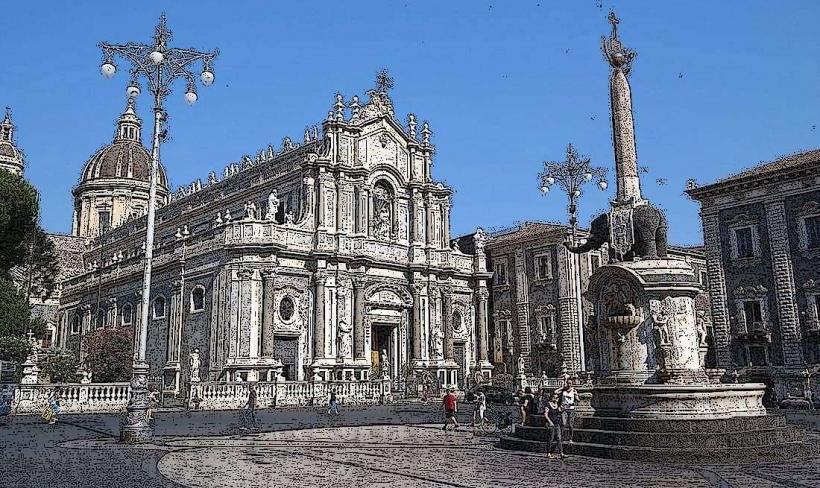
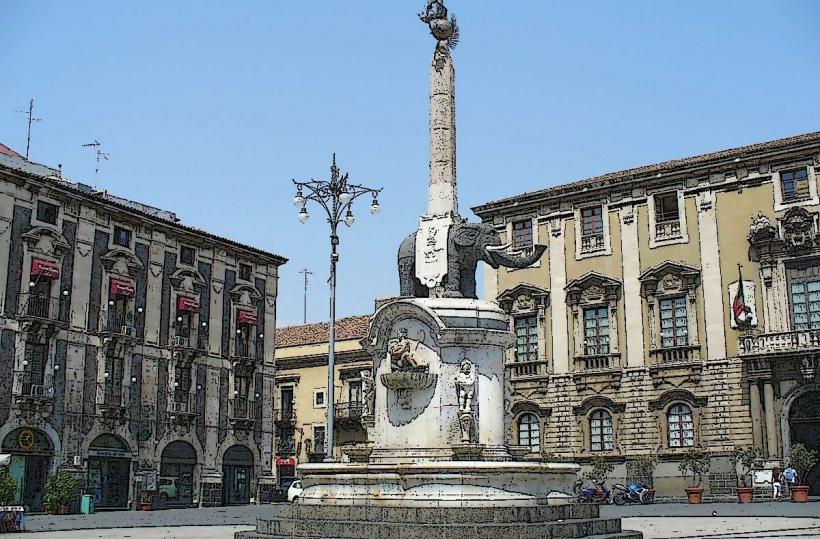
Via Etnea is the primary commercial and social artery of Catania, extending approximately 3 kilometers from Piazza del Duomo in the south to Tondo Gioeni in the north. It is the city's most prominent example of the 18th-century "Catanese Baroque" urban planning.
Visual Characteristics
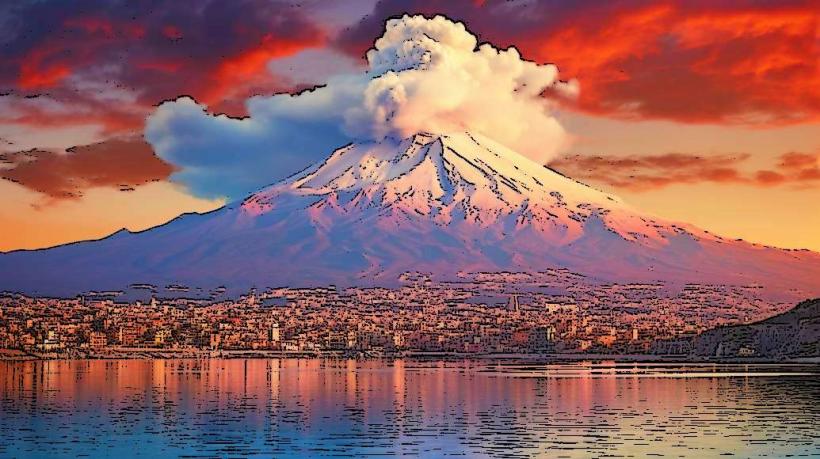
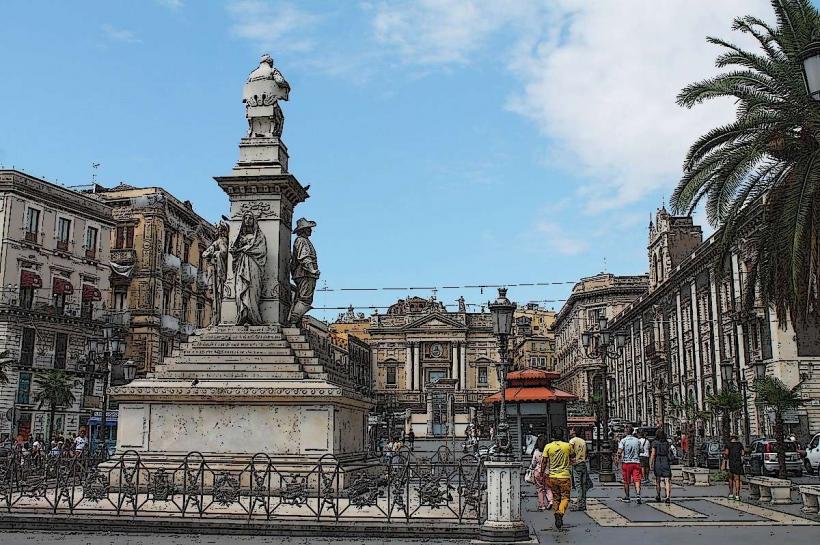
The street is paved entirely with dark basalt slabs (lava stone) and is characterized by its perfect linear alignment with the summit of Mount Etna. The architecture along the route features a consistent use of white limestone and grey volcanic stone. It is flanked by monumental palazzi, historic churches, and high-end retail storefronts. The southern half is largely pedestrianized, while the northern sections allow public transport and vehicular traffic.
Location & Access Logistics
Via Etnea begins at the northern edge of Piazza del Duomo. It is accessible via the "Stesicoro" and "Giuffrida" metro stations. The street serves as the main corridor for the city's bus network (AMT) and the "Alibus" airport shuttle. Public parking is non-existent on the street itself; users typically utilize the "Parcheggio Stesicoro" or "Parcheggio Piazza della Repubblica."
Historical & Ecological Origin
The street was designed following the 1693 earthquake as a wide, rationalist thoroughfare to prevent mass casualties from building collapses during future seismic events. Originally named Via Duca di Uzeda, it was renamed to reflect its visual and geographical orientation toward Mount Etna. The street follows a natural incline as it ascends the lower slopes of the volcano's base.
Key Highlights & Activities
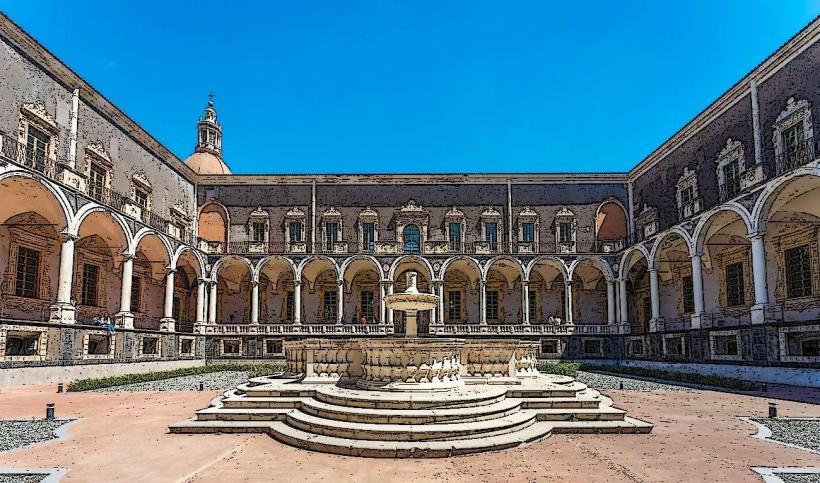
Piazza Università: A major square home to the Rectorate of the University of Catania, featuring four artistic bronze lamp posts representing Catanese legends.
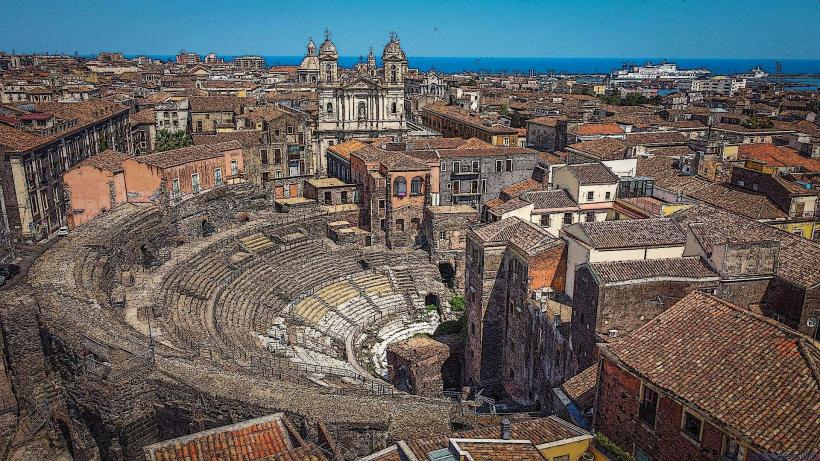
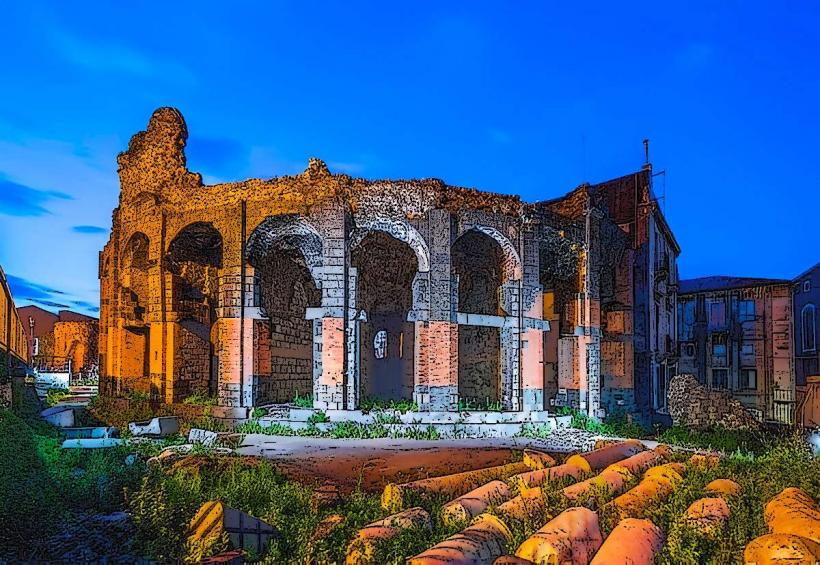
Piazza Stesicoro: Site of the ruins of the Roman Amphitheatre and the monument to Vincenzo Bellini.
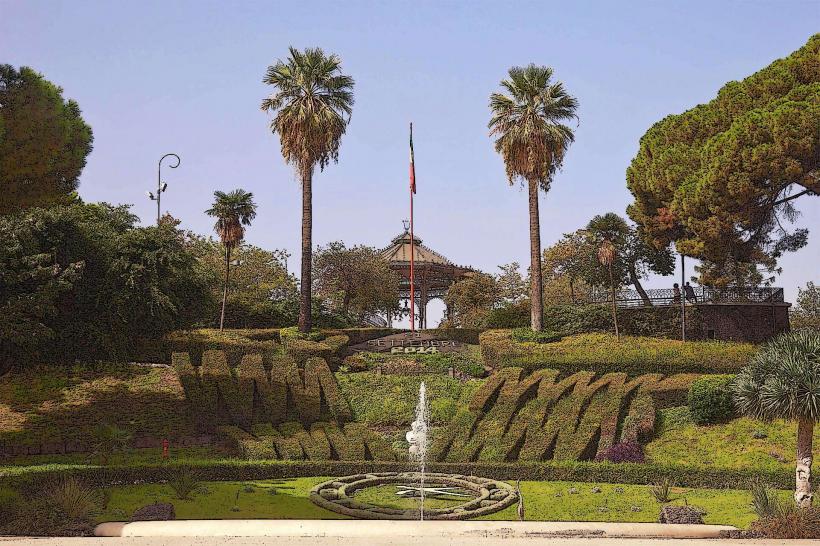
Villa Bellini: The city’s main public park, which borders the street and offers an elevated view of the volcano.
Shopping: The lower section (near the Duomo) hosts international brands and historic pastry shops such as Pasticceria Savia.
Infrastructure & Amenities
Via Etnea is the most amenity-dense area of the city. It contains numerous bank branches, pharmacies, and international retail chains. 4G/5G cellular coverage is excellent throughout the entire length. Public benches and trash receptacles are located primarily within the pedestrianized zones and near Piazza Stesicoro.
Best Time to Visit
The street is best experienced during the evening "passeggiata" (social stroll), especially between 18:00 and 20:00. For photography, the morning light provides the clearest view of Mount Etna appearing to sit at the end of the street. During the Feast of Saint Agatha (February 3–5), the street is the site of the intensive "Cereo" processions and is densely packed with devotees.
Facts & Legends
The street is designed so that the volcano remains perfectly centered in the perspective of anyone walking north. A verified historical fact is that the street was one of the first in Sicily to be lit with gas lamps in the 19th century. During the 1669 eruption, the area now occupied by the northern end of Via Etnea was covered by a massive lava flow that permanently altered the local topography.
Nearby Landmarks
Piazza del Duomo: 0.0km (Southern Start)
Roman Amphitheatre: 0.5km North
Villa Bellini: 0.8km North
Orto Botanico (Botanical Garden): 1.5km North
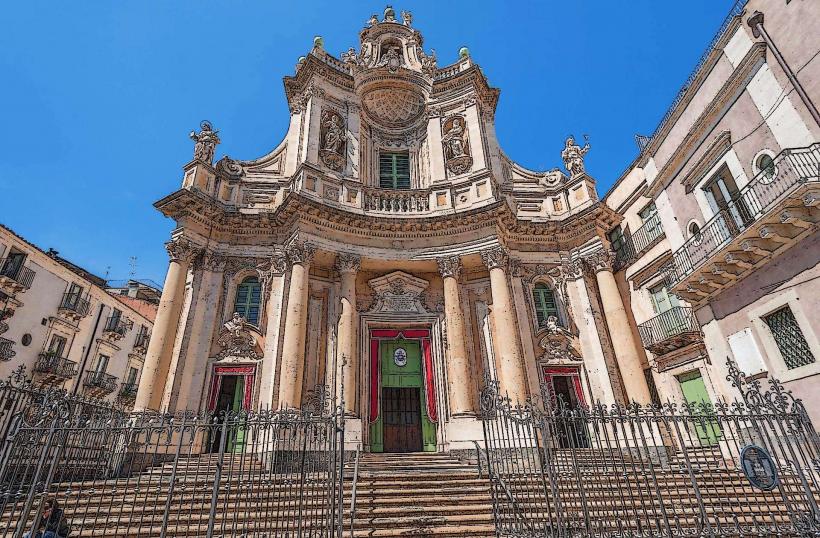
Basilica della Collegiata: 0.2km North