Information
Landmark: Yanchep National ParkCity: Perth
Country: Australia
Continent: Australia
Yanchep National Park, Perth, Australia, Australia
Yanchep National Park is a protected area located approximately 50 kilometers north of Perth, Western Australia. It encompasses a diverse range of natural landscapes, including coastal limestone caves, wetlands, and eucalyptus woodlands.
Visual Characteristics
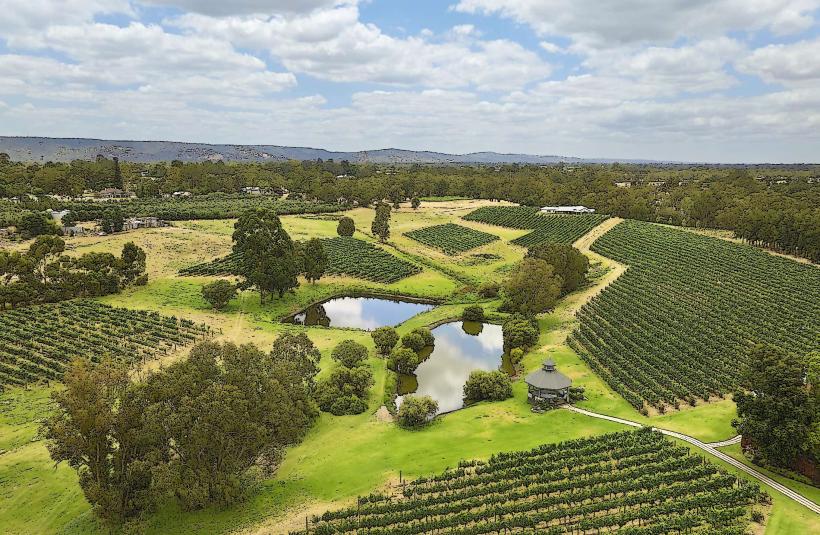
The park features significant limestone cave systems, such as Crystal Cave, with stalactite and stalagmite formations. Above ground, the landscape is characterized by dense eucalyptus forests, primarily Jarrah and Marri trees, interspersed with open grassy areas and seasonal wetlands. The wetlands can vary in water level and clarity depending on rainfall. Coastal sections exhibit sandy soil and low-lying scrub vegetation.
Location & Access Logistics
Access to Yanchep National Park is via the Mitchell Freeway, transitioning to Wanneroo Road (State Route 60) northbound. Continue on Wanneroo Road for approximately 40 kilometers until reaching Yanchep National Park Road. Turn right onto Yanchep National Park Road; the park entrance is approximately 3 kilometers from Wanneroo Road. Parking is available at designated visitor areas, including near the visitor center and picnic grounds. Public transport options are limited; Transperth bus route 390 operates from Perth CBD to Yanchep, with a stop near the park entrance, requiring a walk of approximately 1.5 kilometers to the main visitor facilities.
Historical & Ecological Origin
Yanchep National Park was established in 1905 to protect its significant natural features, particularly the limestone caves and the habitat for the Western Grey Kangaroo. The caves are the result of karst processes, where groundwater has dissolved the limestone bedrock over millennia. The park's ecological classification includes Mediterranean-climate woodland and wetland ecosystems, supporting a variety of native flora and fauna, including over 100 bird species.
Key Highlights & Activities
Activities include exploring Crystal Cave via guided tours (check schedule at visitor center). Self-guided walks are available on marked trails through the woodland and around the wetlands. Wildlife observation, particularly of Western Grey Kangaroos, is common in open areas. Picnicking is permitted at designated sites with tables and barbecues. Birdwatching is also a primary activity.
Infrastructure & Amenities
Restrooms are available at the main visitor center and picnic areas. Shade is provided by natural tree cover and some picnic shelters. Cell phone signal (4G) is generally available within the main visitor areas, but can be intermittent in more remote sections of the park. Limited food and beverage options are available at the Yanchep Inn, located near the visitor center. No general food vendors operate within the park itself.
Best Time to Visit
For photography, early morning or late afternoon provides optimal lighting conditions for the woodland and wildlife. The best months for weather are typically from September to November (spring) and March to May (autumn), offering mild temperatures and lower rainfall. Wetland areas are most visually impressive after significant rainfall, usually between June and August. Cave temperatures remain constant year-round.
Facts & Legends
A notable historical fact is that the Yanchep caves were used by Indigenous Australians for shelter and ceremonial purposes for thousands of years prior to European settlement. A specific tip for visitors is to arrive early in the morning, especially on weekends, to observe kangaroos in the open areas before they retreat into denser bushland for the day.
Nearby Landmarks
- Yanchep Golf Club (0.8km West)
- Yanchep Lagoon (2.5km West)
- Two Rocks (6.0km Northwest)
- Guilderton (12.0km North)