Information
City: AkureyriCountry: Iceland
Continent: Europe
Akureyri, Iceland, Europe
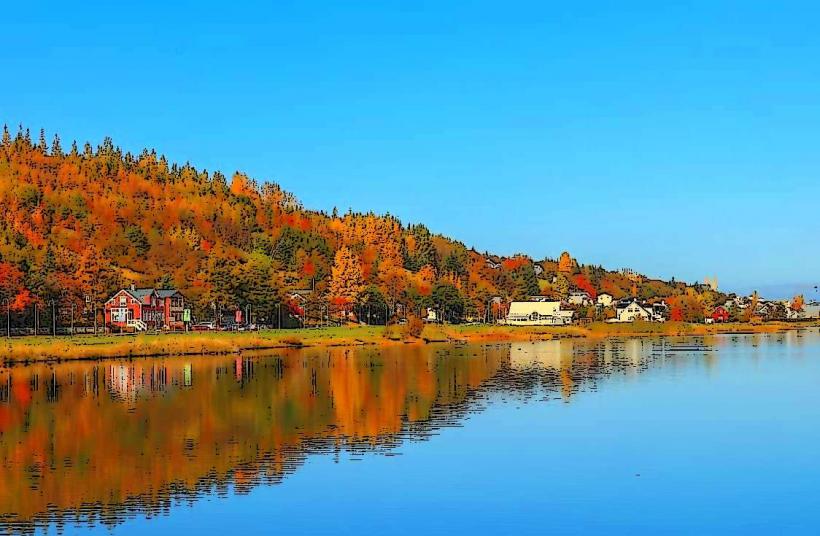
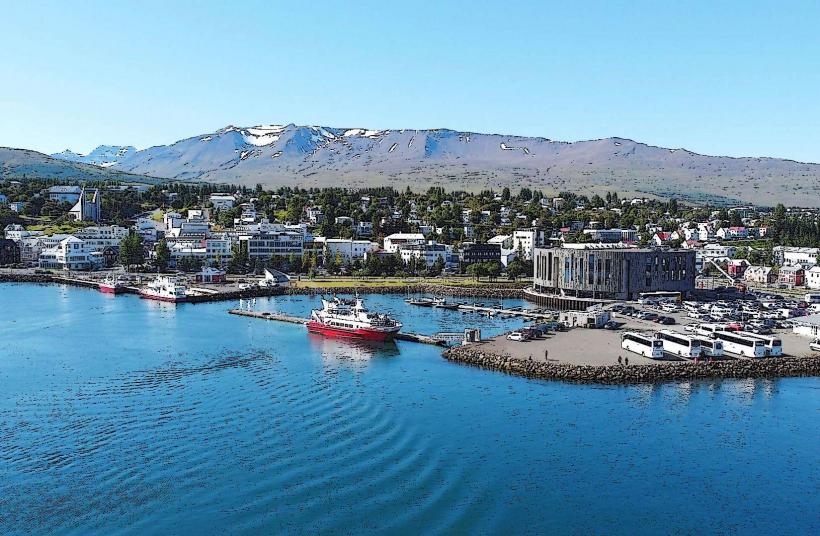
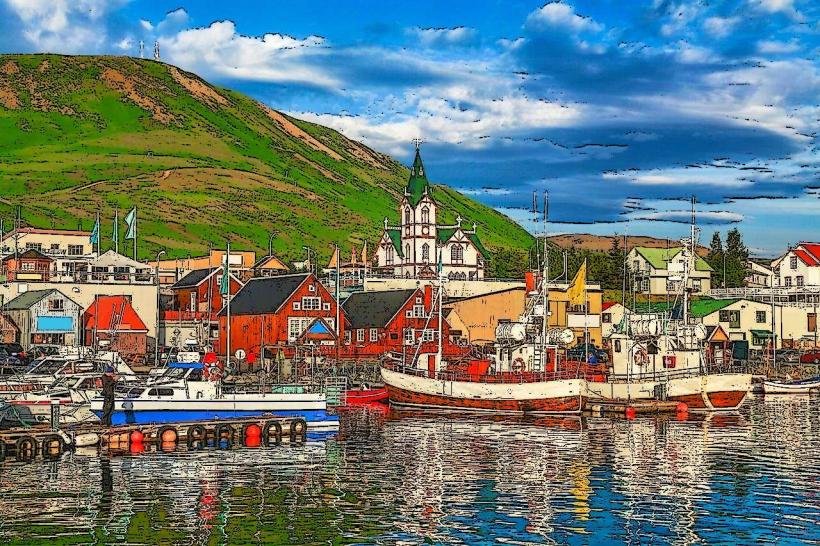
Akureyri serves as the unofficial "Capital of the North" and functions as Iceland's second-largest urban area outside the Greater Reykjavík region. It is a critical hub for education, transport, and fisheries, characterized by its position at the base of the Eyjafjörður fjord and its surprisingly mild microclimate.
Historical Timeline
Norse settlement dates back to the 9th century, but the town's development accelerated in the 16th century as a trading post. The primary event shaping its modern urban form was the mid-19th century establishment of the KEA (Kaupfélag Eyfirðinga) cooperative, which drove industrial and agricultural growth. During WWII, it served as a vital base for Allied "Catalina" flying boats monitoring the North Atlantic.
Demographics & Population
The population is approximately 20,100 (2026 estimate). The demographic is predominantly Icelandic, with a growing international population linked to the University of Akureyri and the regional medical center. The median age is approximately 38 years.
Urban Layout & Key Districts
The town is built on the slopes of the fjord. Key districts include Innbærinn, the historic oldest part of town; Miðbær, the commercial core; and Brekkan, the residential plateau containing the church and hospital. The Oddeyri district remains a focus for industrial and port activities.
Top City Landmarks
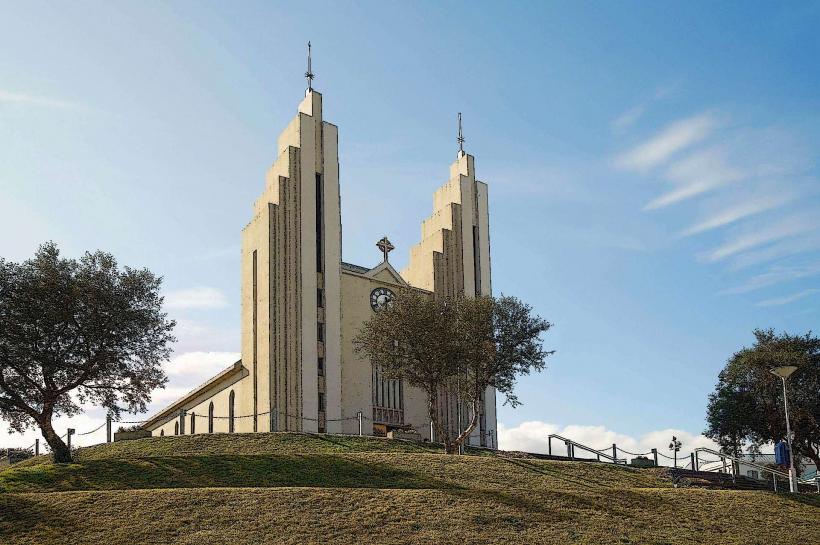
Akureyrarkirkja: Lutheran church designed by Guðjón Samúelsson.
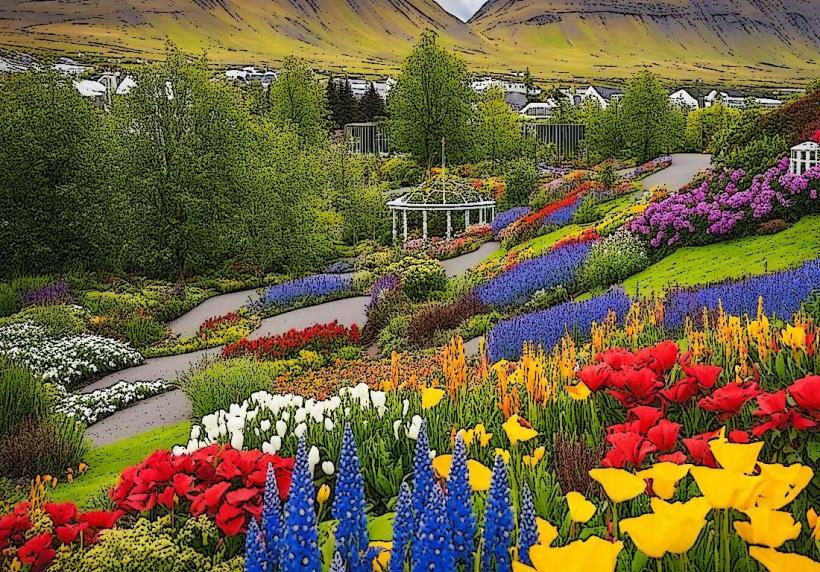
Botanical Garden (Lystigarðurinn): One of the northernmost botanical gardens in the world.
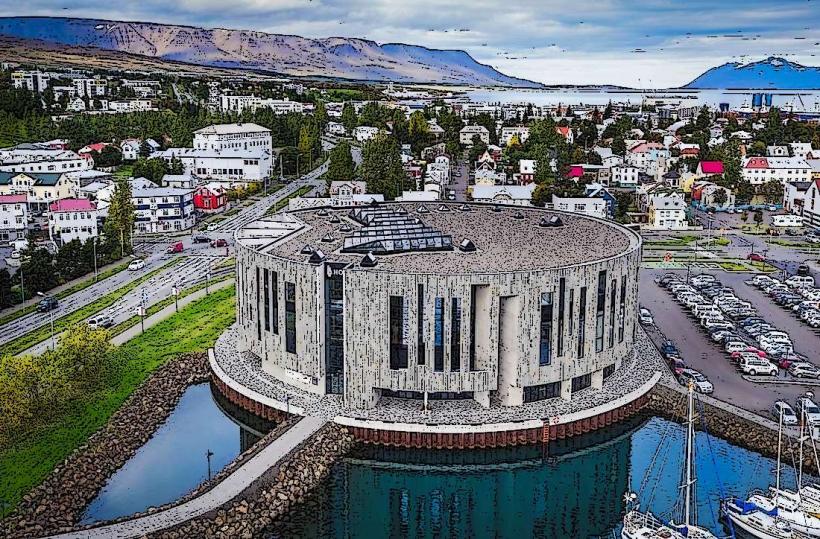
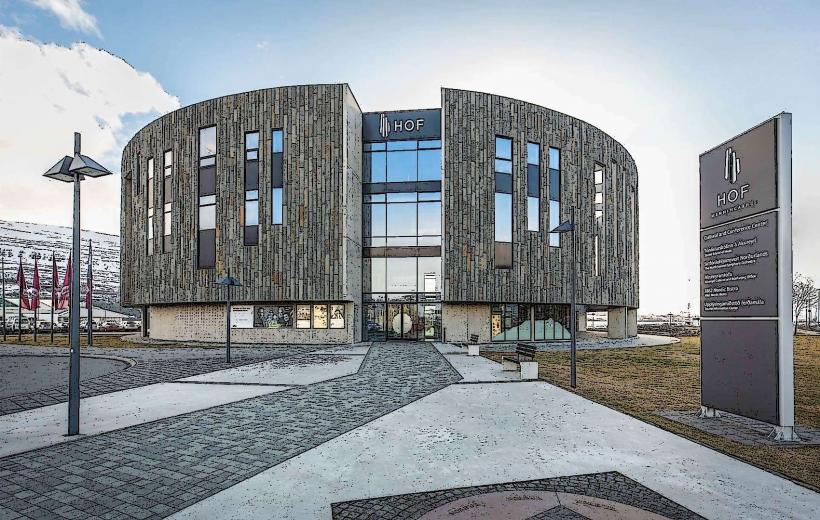
Hof Cultural Center: Circular landmark on the waterfront.
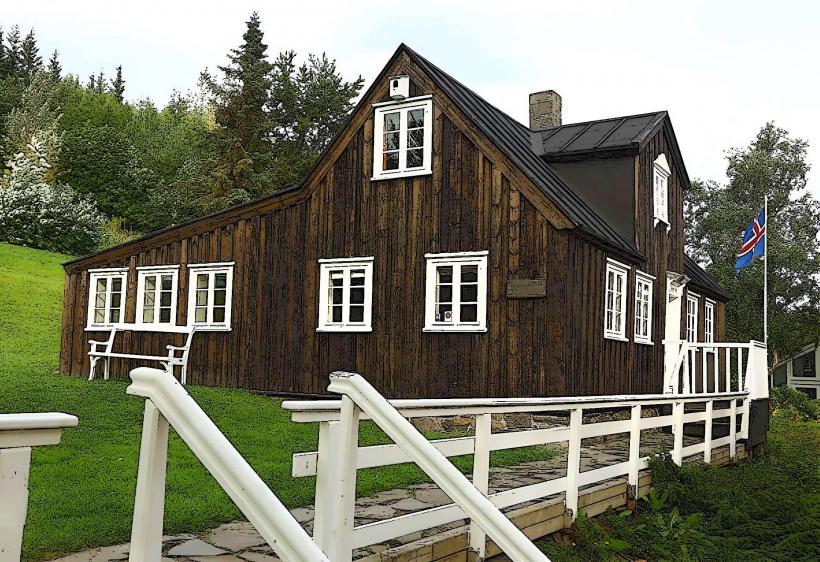
Akureyri Museum: Historic exhibits located in Innbærinn.
Hlíðarfjall: Premier Icelandic ski resort overlooking the town.
Transportation Network
Movement is facilitated by a local bus system that is free of charge for all passengers within the municipal limits. There is no rail transit. Air travel is serviced by Akureyri International Airport (AEY), offering domestic links to Reykjavík and increasing direct international flights. Driving is on the left; the town is a major node on the Ring Road (Route 1).
Safety & "Red Zones"
The safety level is extremely high. There are no "red zones." The primary risk is environmental: rapid winter snowfall and icy road conditions. During the winter months, studded tires are standard, and the Öxnadalsheiði pass to the west frequently closes during storms.
Digital & Financial Infrastructure
Average internet speed is 100–1000 Mbps via fiber-optic. Main carriers are Síminn, Nova, and Vodafone. The economy is cashless; card and mobile payments are accepted at all kiosks, taxis, and markets. ATMs are located in the Miðbær and the Glerártorg mall.
Climate & Air Quality
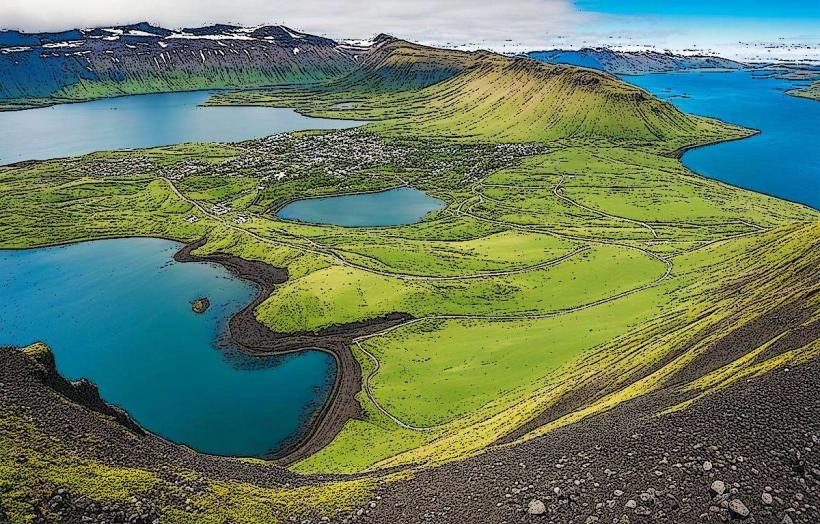
Temperatures range from -5°C in winter to 15°C in summer. Despite its proximity to the Arctic Circle, the sheltered fjord creates a microclimate allowing for significant tree growth. Air quality is exceptional, though localized wood-smoke or sea-mist can occur.
Culture & Social Norms
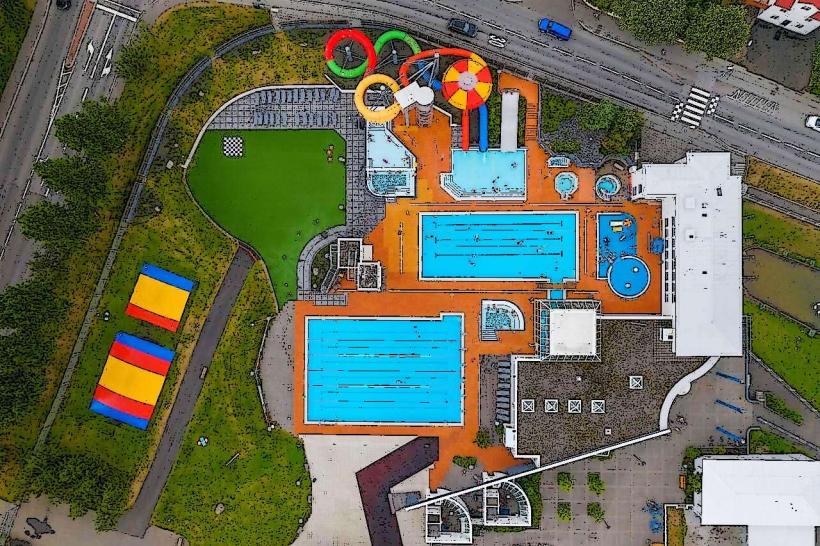
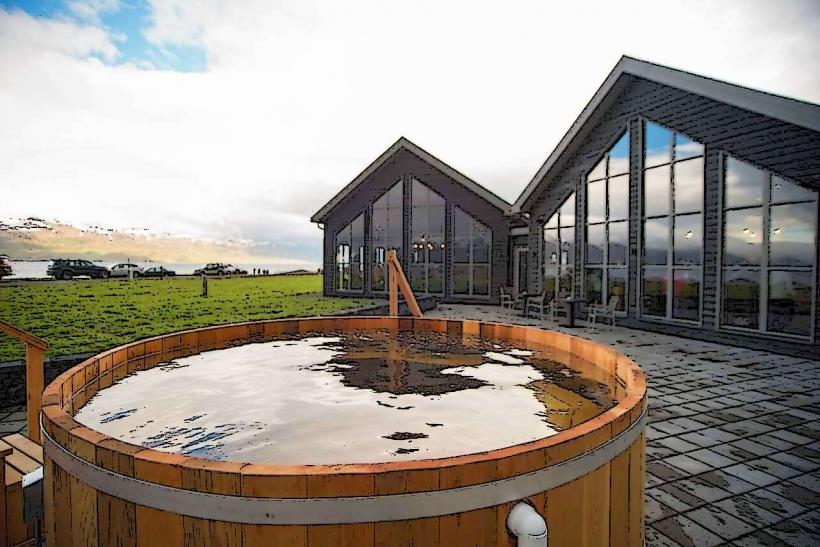
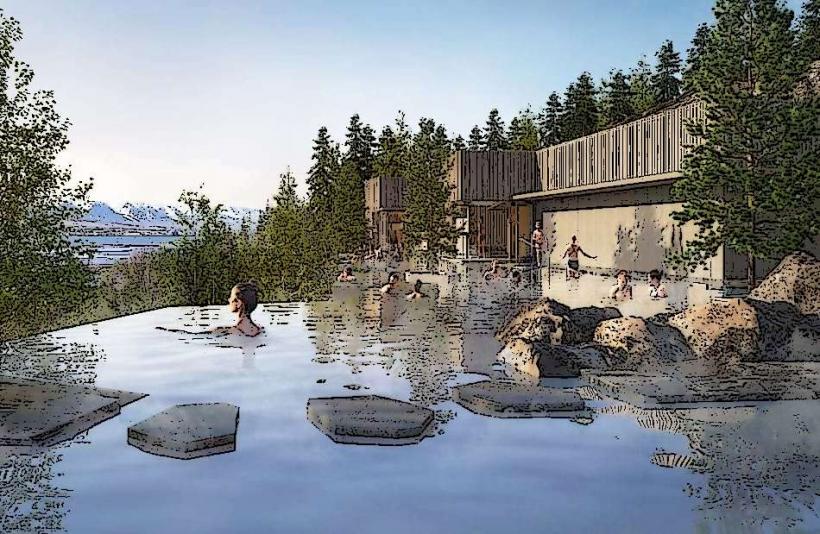
Tipping is not required or expected. The culture is defined by a strong regional identity and an active arts scene. Social life revolves around the Akureyri Swimming Pool, featuring high-quality geothermal baths and slides. Dress code is casual and functional.
Accommodation Zones
Stay in Miðbær for walking access to restaurants, the harbor, and cultural sites.
Stay in the Glerá River area for modern hotels and shopping proximity.
Local Cost Index
1 Espresso: 600 – 800 ISK
1 Standard Lunch (Fish of the Day): 2,800 – 4,000 ISK
1 Pint of Local Beer: 1,300 – 1,700 ISK
Nearby Day Trips
Goðafoss Waterfall: 35 km (30 minutes)
Lake Mývatn: 80 km (1 hour)
Siglufjörður: 75 km (1 hour via tunnels)
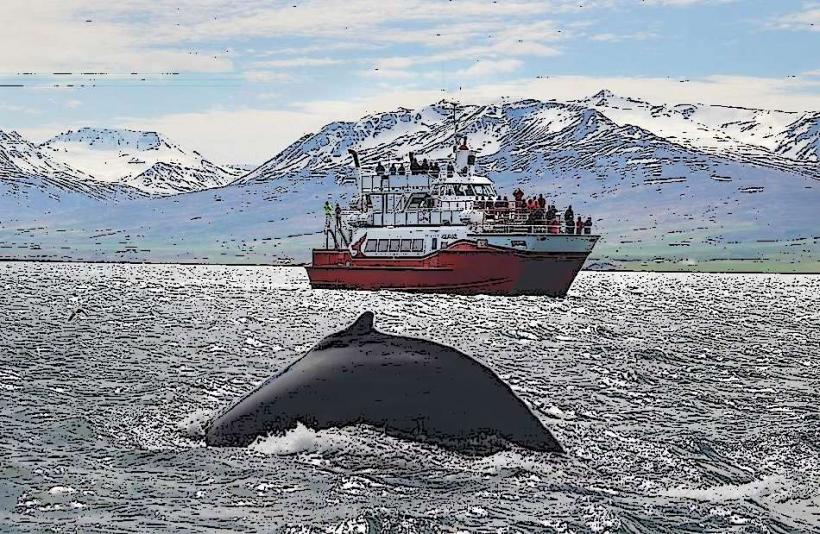
Húsavík (Whale Watching): 75 km (1 hour)
Facts & Legends
Akureyri is home to the world’s northernmost 18-hole golf course (Jaðarsvöllur). Local legend claims the fjord is protected by mountain spirits, while a verified historical fact is that the town’s traffic lights feature red hearts instead of circles-a legacy of the 2008 financial crisis intended to maintain public morale.