Information
City: BergenCountry: Norway
Continent: Europe
Bergen, Norway, Europe
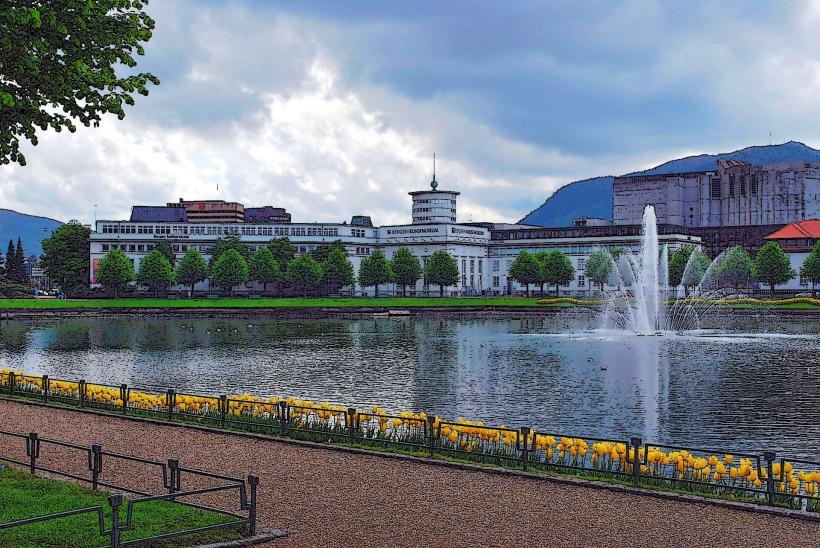
Bergen serves as the "Gateway to the Fjords" and Norway’s second-largest city. It functions as a global center for marine research, shipping, and subsea technology, characterized by its location between seven mountains and its historic Hanseatic Wharf.
Historical Timeline
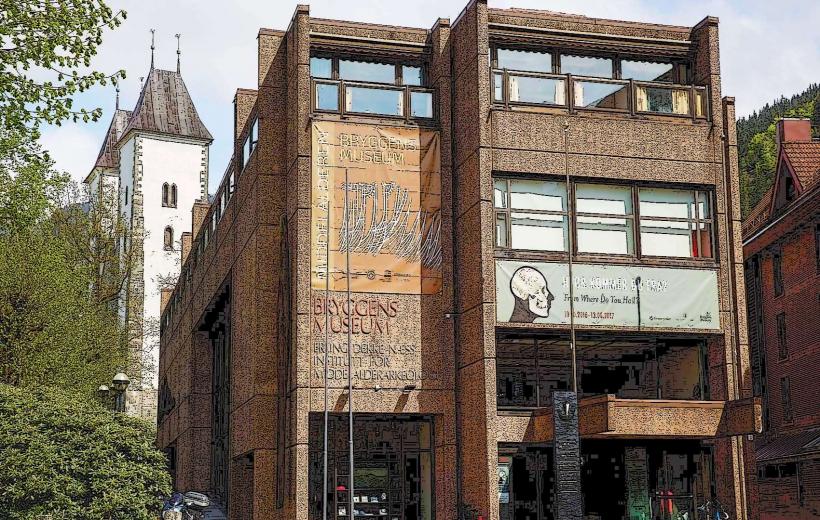
Founded in 1070 by King Olav Kyrre, Bergen was Norway’s capital in the 12th and 13th centuries. The primary event shaping its identity was the 1360 establishment of a Hanseatic League counting house at Bryggen, which dominated Northern European trade for 400 years. The city has survived multiple catastrophic fires, most notably in 1702 and 1916, resulting in the current mix of stone architecture and preserved wooden districts.
Demographics & Population
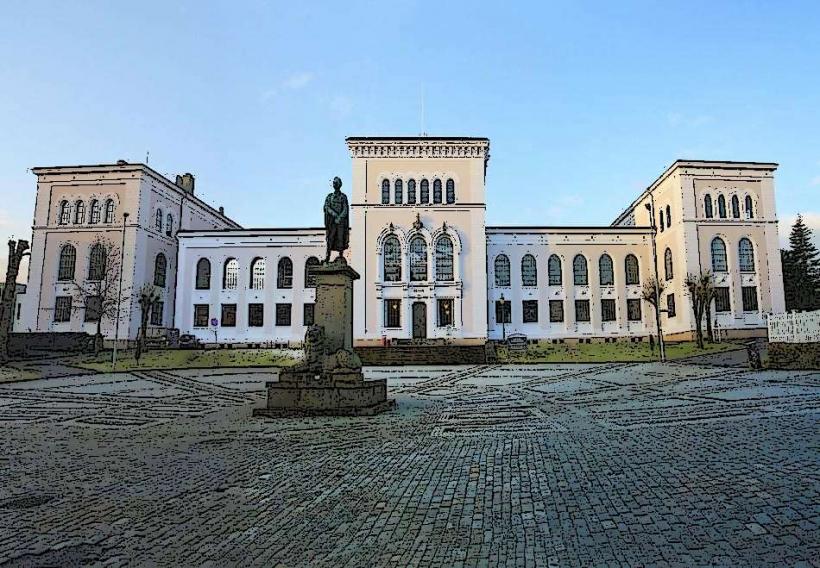
The population is approximately 292,000 (2026 estimate). The demographic is highly international due to the University of Bergen (UiB) and the offshore energy sector. It is a major student city, with nearly 30,000 students influencing the local culture and nightlife.
Urban Layout & Key Districts
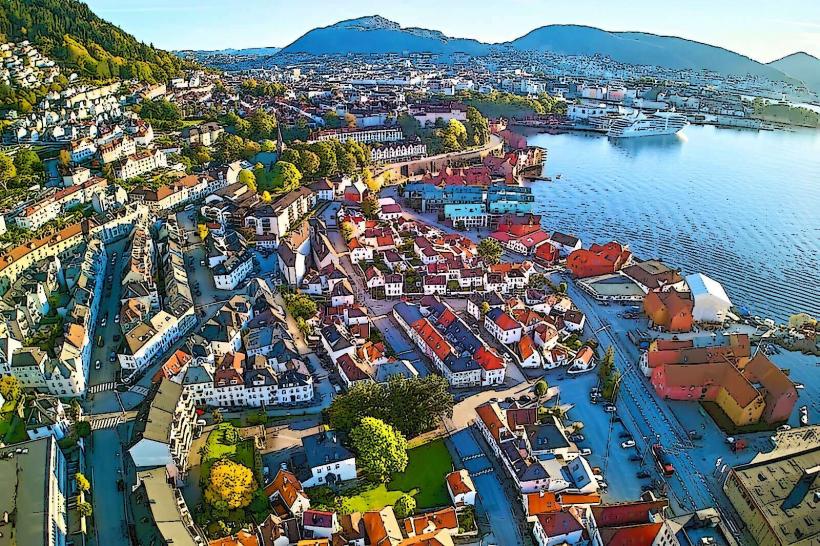
The city is centered around the harbor (Vågen). Key districts include:
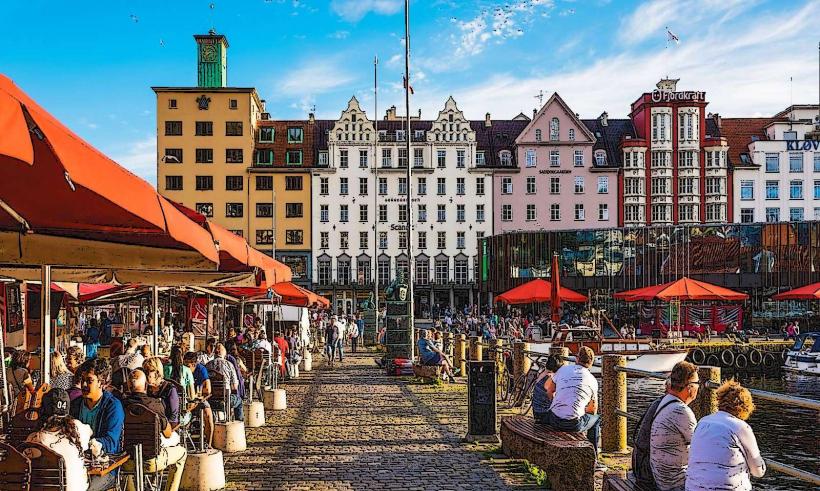
Sentrum: The commercial core and site of the Fish Market.
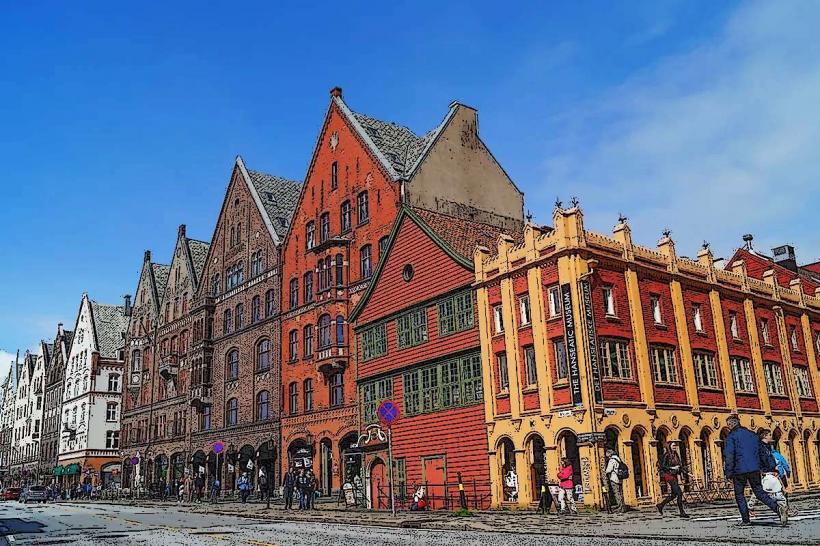
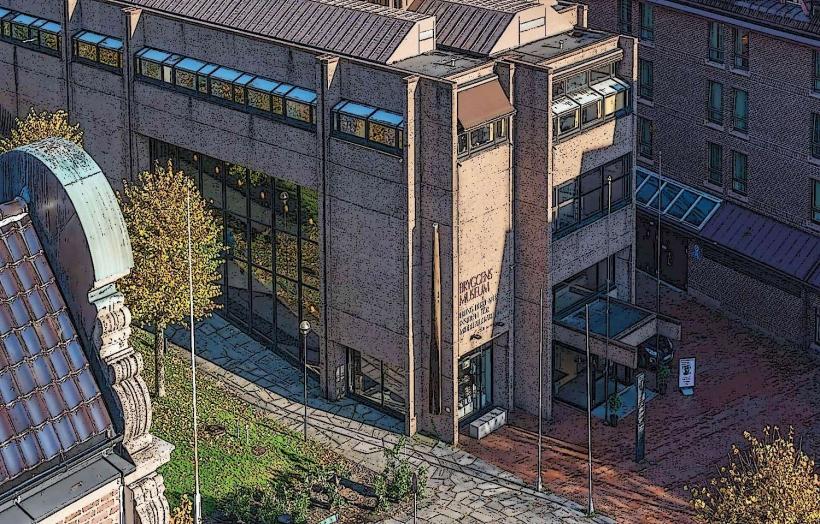
Bryggen: The UNESCO-listed Hanseatic wharf on the eastern side of the harbor.
Nordnes: A peninsula featuring historic wooden houses and the aquarium.
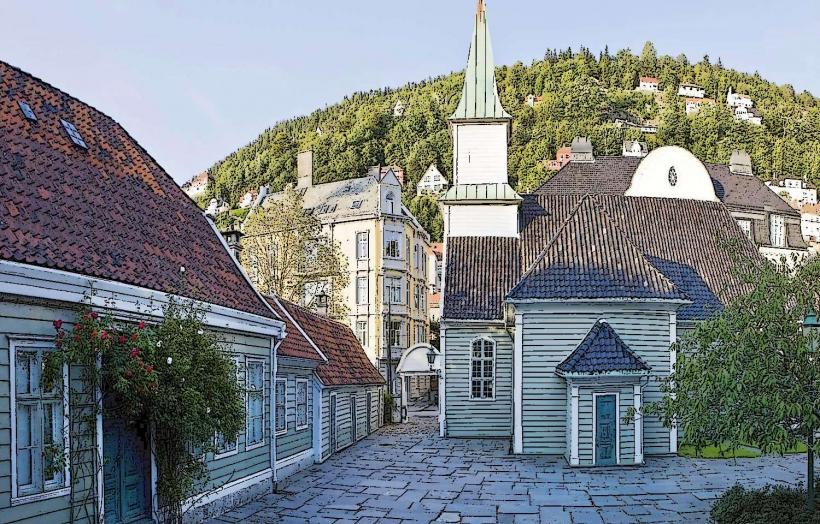
Sandviken: A northern residential area with traditional "white houses."
Møhlenpris: A former industrial area now serving as a hub for tech and startups.
Top City Landmarks
Bryggen: The iconic row of colorful Hanseatic commercial buildings.
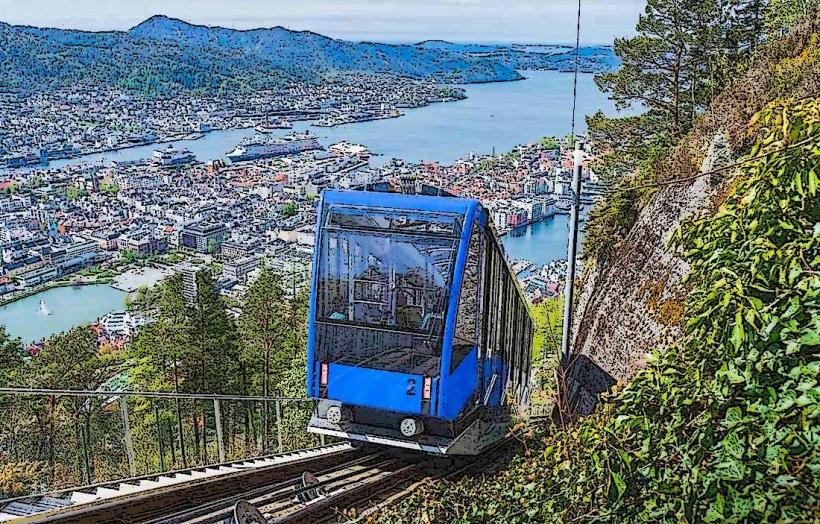
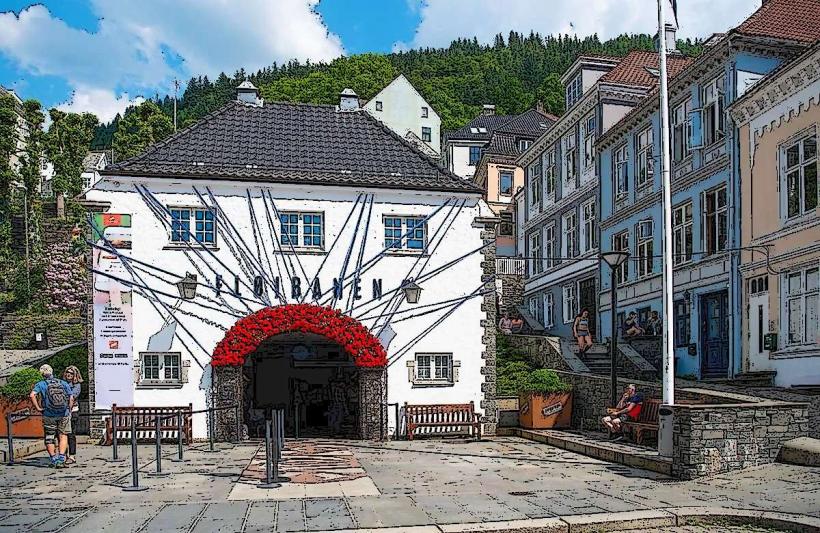
Fløibanen: A funicular that transports passengers to the top of Mount Fløyen (320m) in 6 minutes.
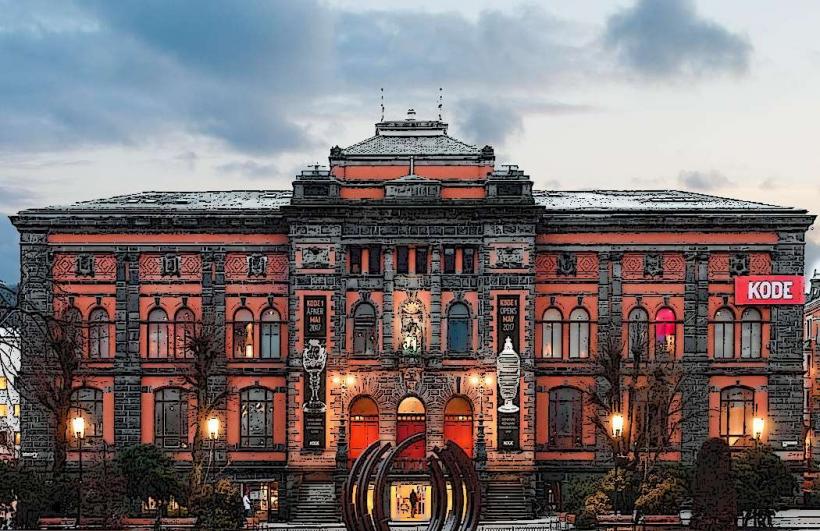
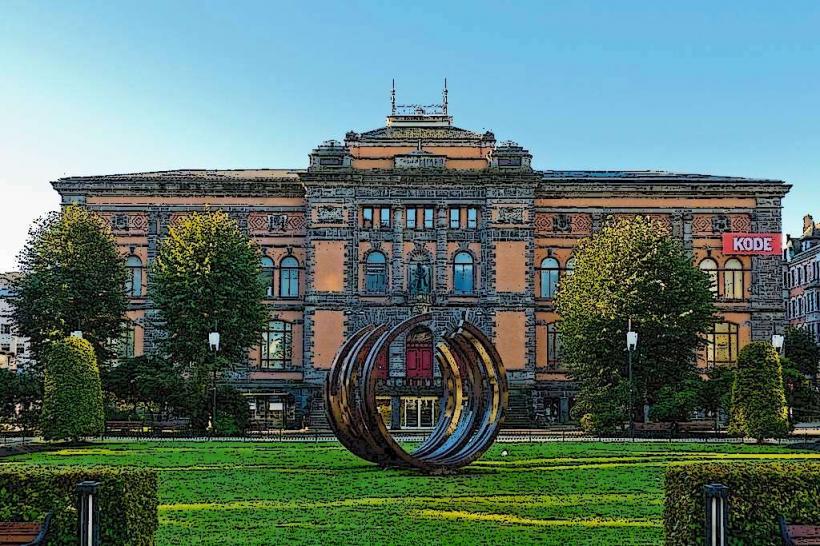
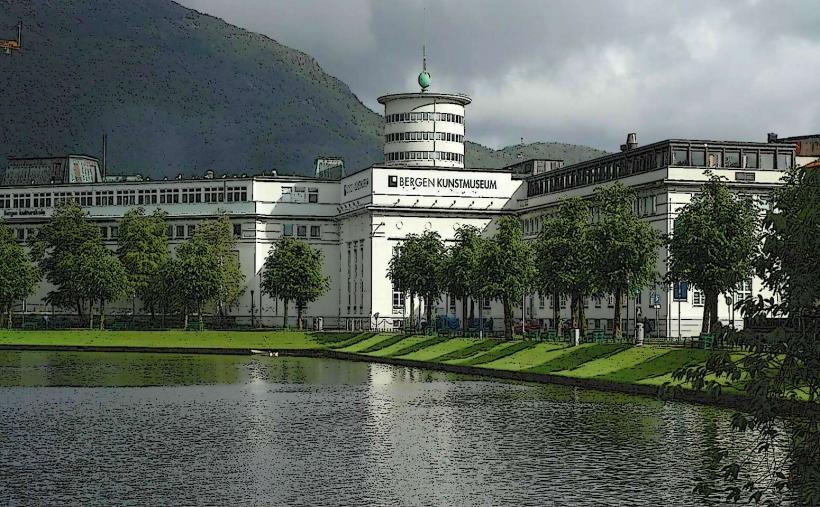
KODE Art Museums: One of the largest museums for art, craft, and design in the Nordics, including a major Edvard Munch collection.
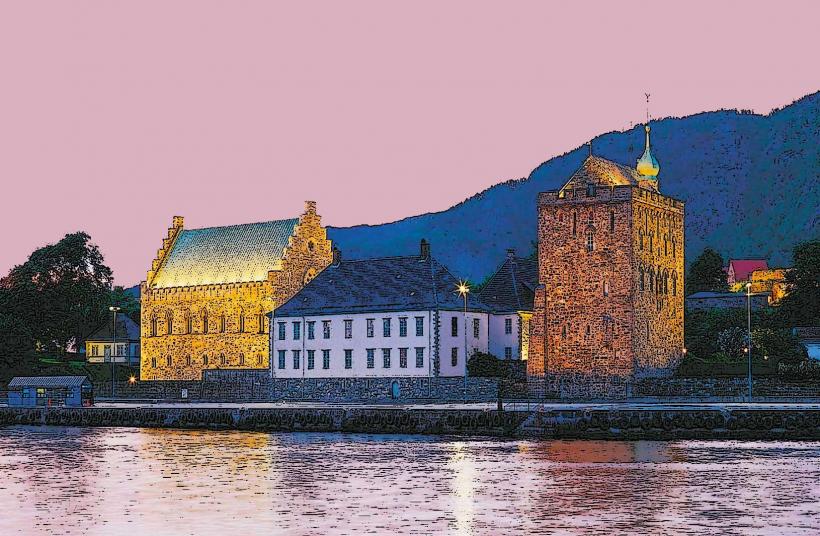
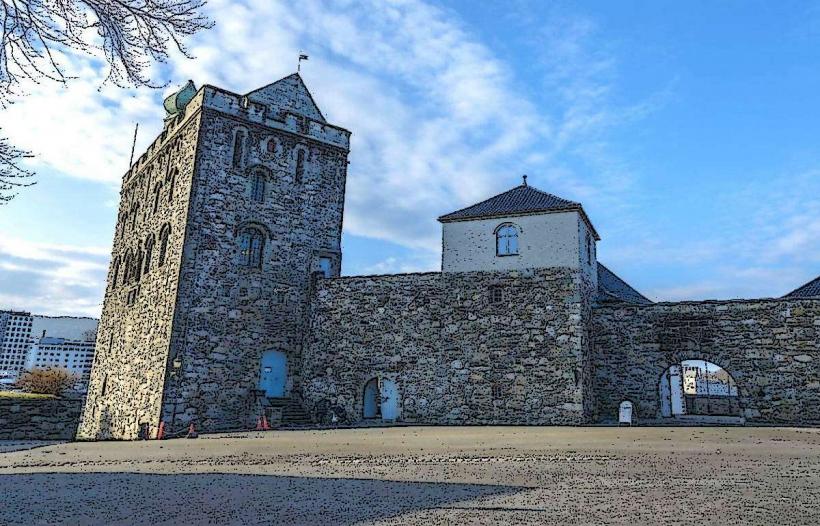
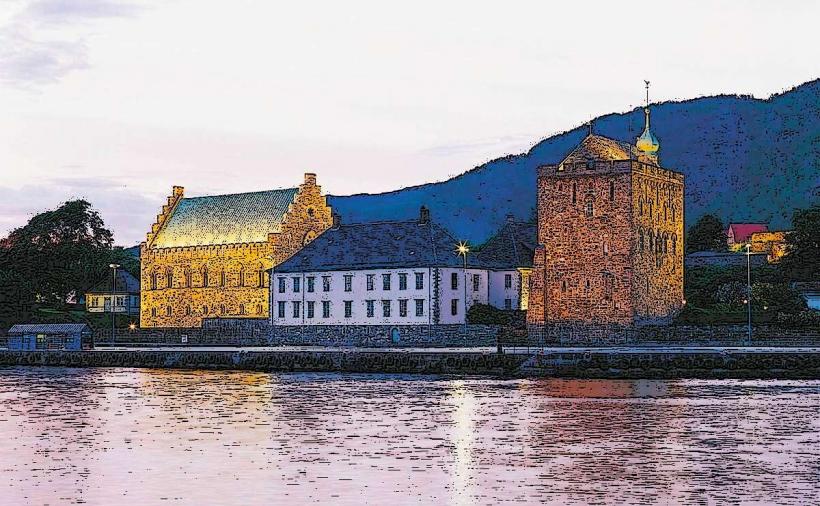
Bergenhus Fortress: One of the oldest and best-preserved stone fortifications in Norway.
Troldhaugen: The former home of world-renowned composer Edvard Grieg.
Transportation Network
Movement is managed by Skyss. The Bybanen (Light Rail) connects the city center to the airport and southern suburbs. There is no metro. The city center is compact and walkable. Air travel is serviced by Bergen Airport, Flesland (BGO). Bergen is the starting point for the Hurtigruen coastal express and the terminus for the Bergensbanen (the high-altitude railway from Oslo).
Safety & "Red Zones"
The safety level is extremely high. There are no "red zones." Standard urban awareness is advised near the Korskirken area and the lower end of the city park (Byparken) late at night, where localized drug-related activity can occur, though it rarely affects tourists.
Digital & Financial Infrastructure
Average internet speed is 200–1000 Mbps. The city is entirely cashless. Physical cash is rarely accepted even at the Fish Market. Use cards or mobile payments (Vipps/Apple Pay).
Climate & Air Quality
Bergen is one of the wettest cities in Europe, with an average of 239 rainy days per year. Temperatures range from 1°C in winter to 19°C in summer. Air quality is generally excellent, though the "Bergen Inversion" can occasionally trap localized emissions in the valley during cold, still winter days.
Culture & Social Norms
Tipping is not required. The culture is defined by Bergensk pride-residents often identify as "from Bergen first, Norway second." Social life revolves around the surrounding mountains (Byfjellene) and a vibrant live music scene. "Rain culture" is a reality; high-quality technical outdoor gear is the standard dress code.
Accommodation Zones
Stay in Sentrum or Bryggen for immediate access to landmarks and transit.
Stay in Nordnes for a quieter, historic residential atmosphere.
Local Cost Index
1 Espresso: 45 – 55 NOK
1 Standard Lunch (Fish Soup/Sandwich): 190 – 280 NOK
1 Pint of Beer: 110 – 150 NOK
1 Fløibanen Return Ticket: 160 – 180 NOK (seasonal)
Nearby Day Trips
Hardangerfjord: 1.5 hours by car/bus (Fruit orchards and dramatic cliffs).
Sognefjord (Norway in a Nutshell): Accessible via train/ferry.
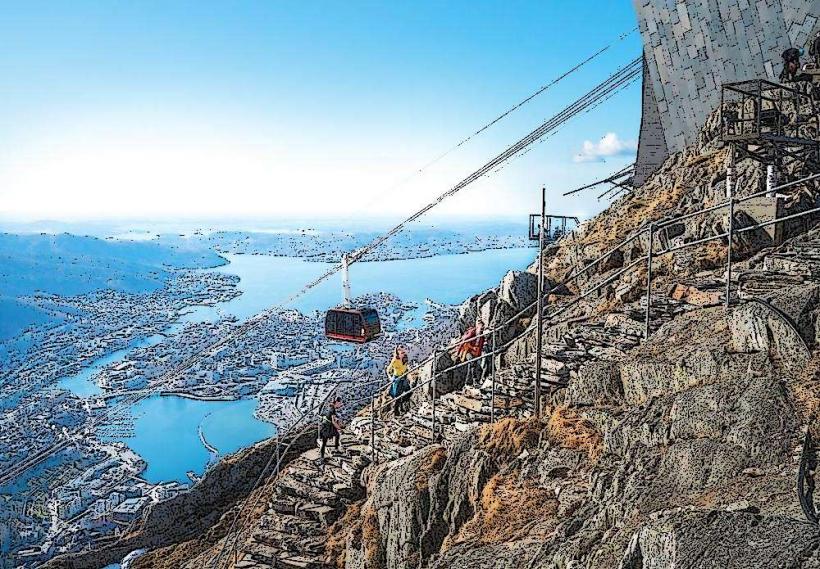
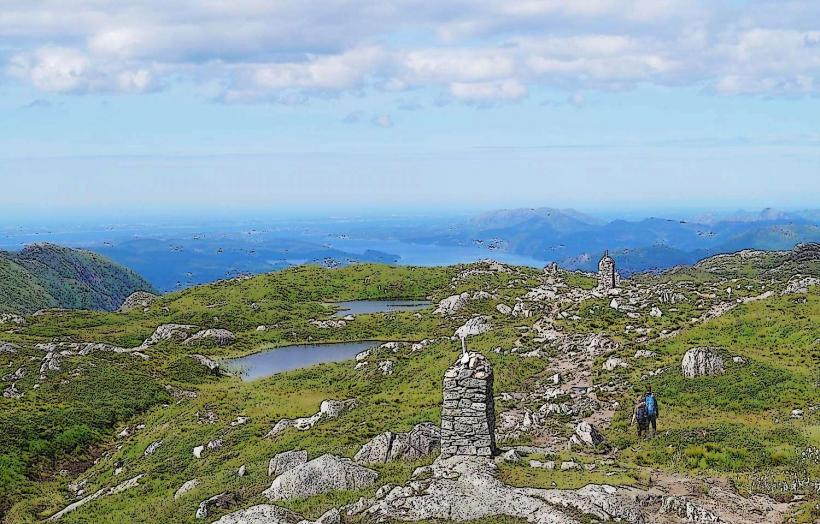
Mount Ulriken: The highest of the seven mountains (643m), accessible via cable car.
Facts & Legends
Local legend says the seven mountains are inhabited by trolls who turn to stone in the sunlight. A verified historical fact is that Bergen was the largest city in the Nordic countries until the 1600s, serving as the primary hub for the export of dried cod to the rest of Europe.