Information
Landmark: University of BergenCity: Bergen
Country: Norway
Continent: Europe
University of Bergen, Bergen, Norway, Europe
The University of Bergen is a public research university located in the city of Bergen, Norway. It serves as a primary institution for higher education and scientific research in Western Norway.
Visual Characteristics
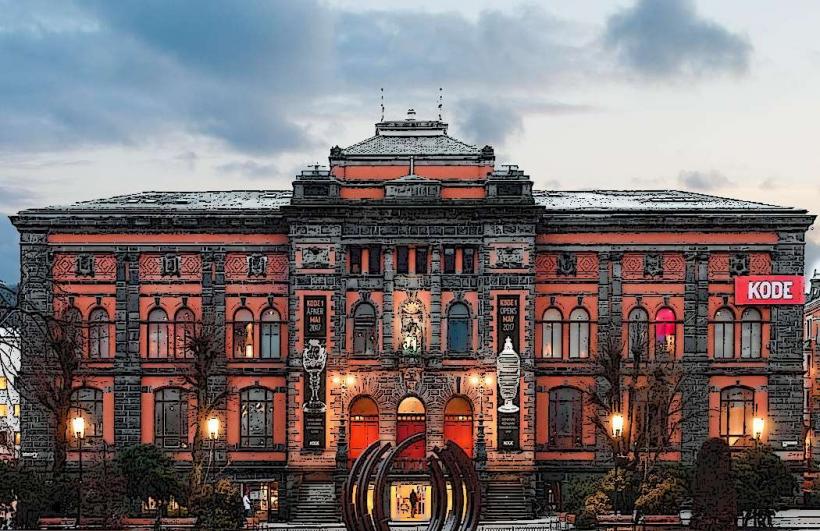
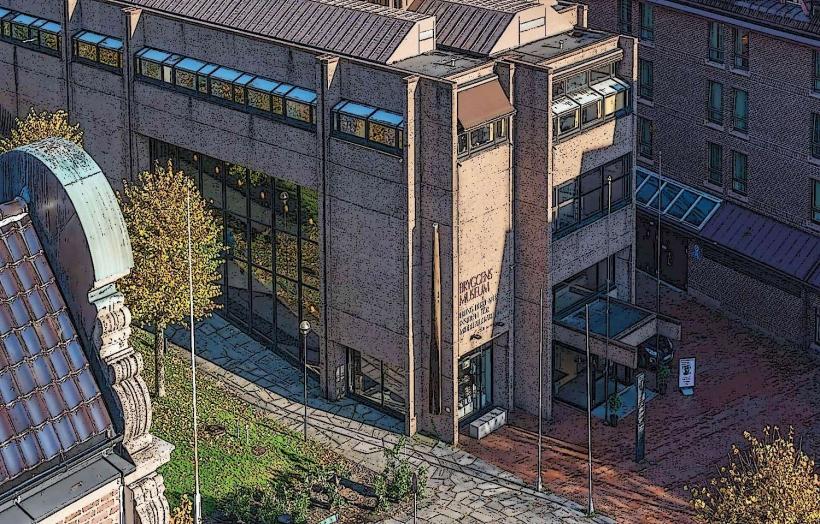
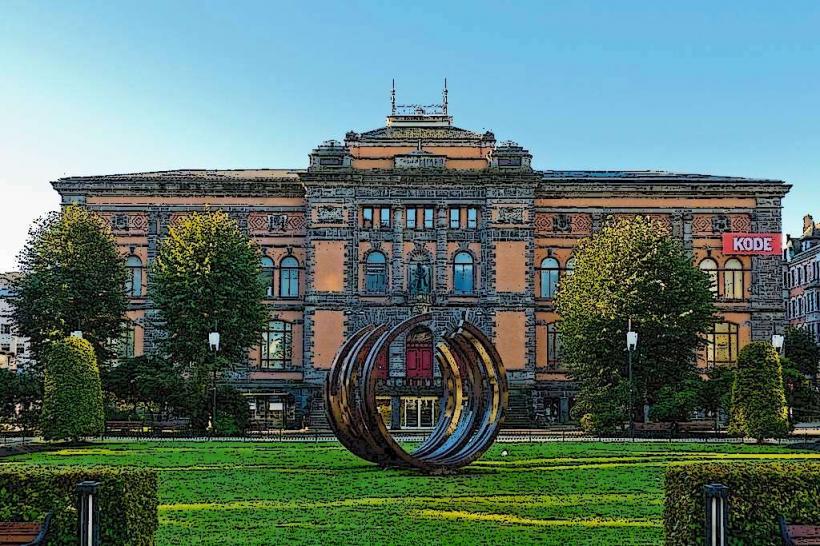
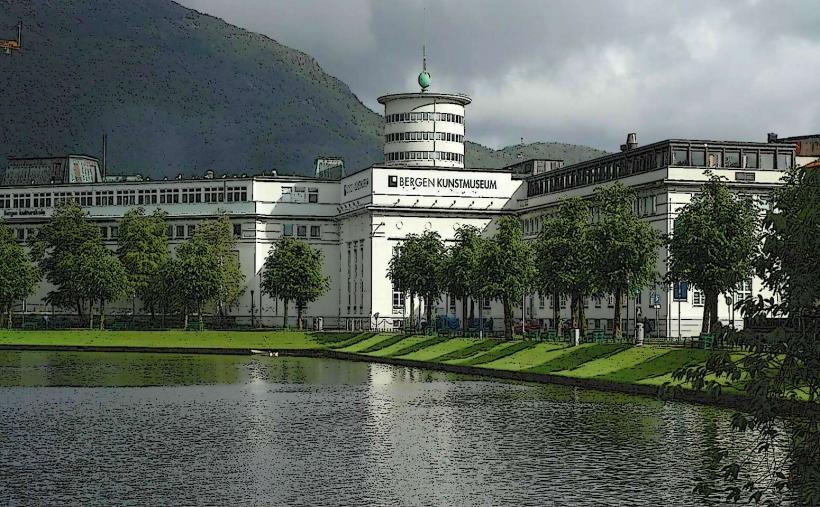
The university campus is distributed across several areas, primarily centered on Nygårdshøyden. Buildings exhibit a range of architectural styles, from the neo-Romanesque design of the University Museum to functionalist and modern concrete and brick structures. Common materials include red brick, concrete, and stone, often with muted color palettes. Building heights vary, with many academic buildings being multi-story structures integrated into the urban landscape.
Location & Access Logistics
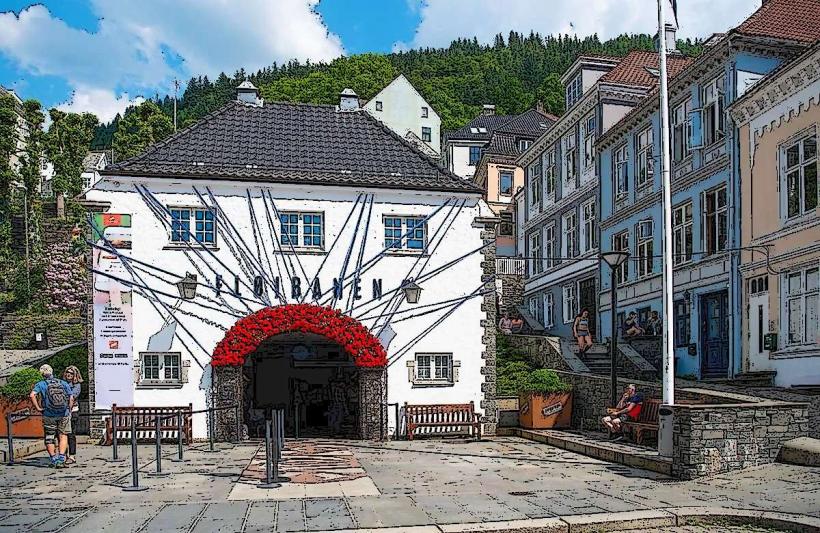
The main campus is situated in central Bergen, approximately 1.5 kilometers south of Torgallmenningen, the city's main square. Access is primarily via Nygårdsgaten and Allégaten. Limited on-campus parking is available, primarily for staff, with public parking garages such as GriegGarasjen located within 0.5 kilometers. Public transport is extensive; numerous Skyss bus lines serve the Nygårdshøyden area, and the Bybanen (Bergen Light Rail) has stops like Nygård and Florida within walking distance.
Historical & Ecological Origin
The University of Bergen was formally established in 1946. Its origins trace back to the Bergen Museum, founded in 1825, which served as a significant scientific institution with collections and research activities in natural history and cultural history. Various architects have contributed to the design of its buildings over time, reflecting different periods of expansion and development. The institution's original purpose was to provide higher education and conduct research across a broad spectrum of academic disciplines.
Key Highlights & Activities
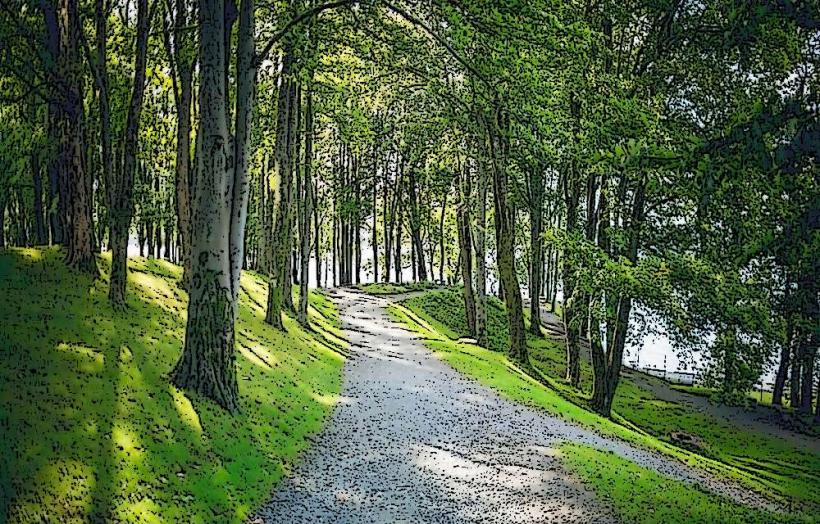
Visitors can attend public lectures and seminars, often advertised on the university's website. The University Museum of Bergen, comprising the Natural History and Cultural History collections, is open to the public. The University Library offers access to its collections for research purposes. Walking through the Muséhagen, the university's botanical garden, is also possible.
Infrastructure & Amenities
Restrooms are available in most university buildings during operating hours. Shade is provided by building structures and mature trees within green spaces like Muséhagen. Cell phone signal (4G/5G) is generally strong across the campus. Several canteens and cafeterias are located within university buildings, operated by Sammen, offering food and beverages. Additional cafes and restaurants are present in the surrounding urban area.
Best Time to Visit
The best time to visit for general exploration and photography is during daylight hours, particularly on weekdays when the campus is active. For pleasant weather, the months of May through September are optimal. Specific lighting conditions for photography vary by building and time of day; morning or late afternoon light can highlight architectural details. Tidal requirements are not applicable to this landmark.
Facts & Legends
The University of Bergen's foundation is directly linked to the Bergen Museum, which operated for over a century as a scientific and cultural hub before the university's formal establishment. This historical continuity means that the university inherited significant research traditions and collections, making the museum an integral part of its identity from the outset.
Nearby Landmarks
- University Museum of Bergen: 0.1km East
- Johanneskirken (St. John's Church): 0.5km North
- Nygårdsparken: 0.3km South
- Grieg Hall: 0.7km Northeast
- VilVite Science Centre: 1.2km West