Information
Landmark: KODE Art MuseumsCity: Bergen
Country: Norway
Continent: Europe
KODE Art Museums, Bergen, Norway, Europe
Visual Characteristics
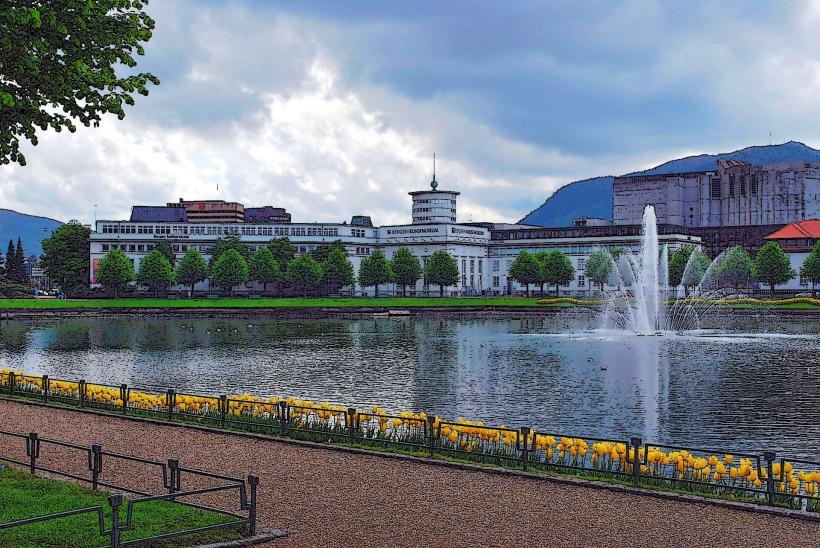
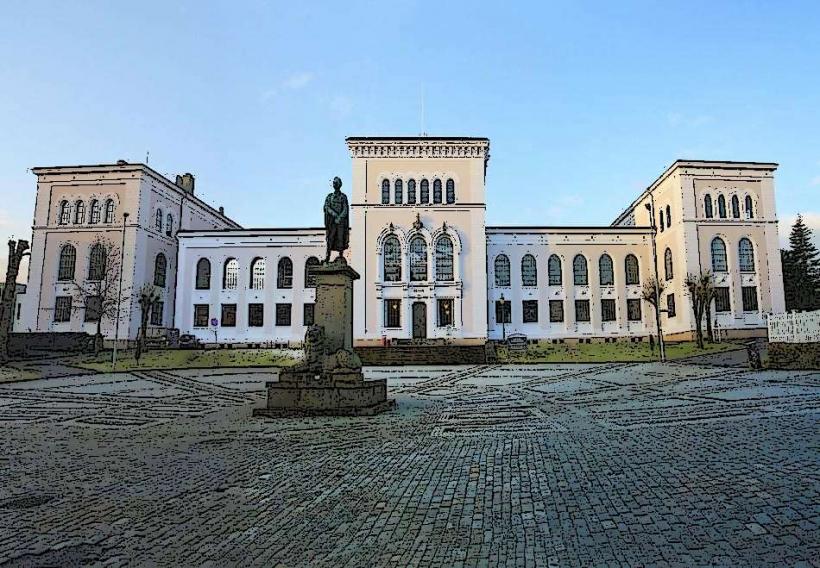
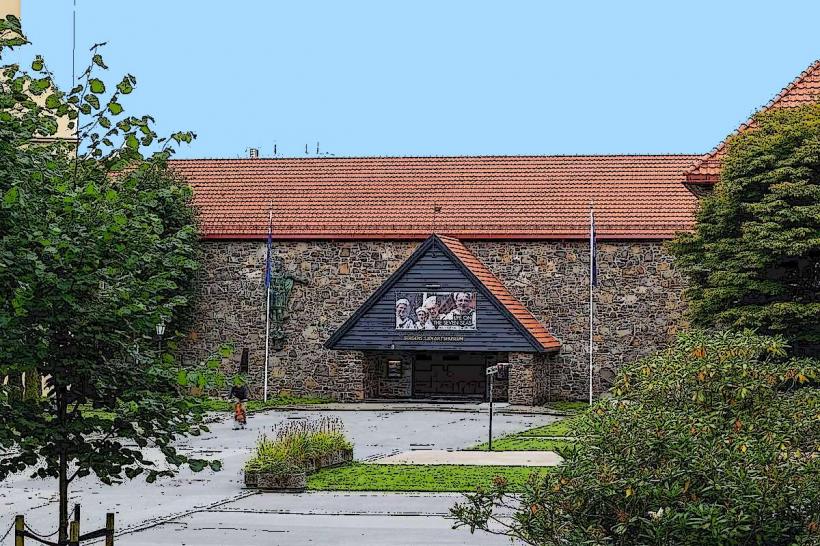
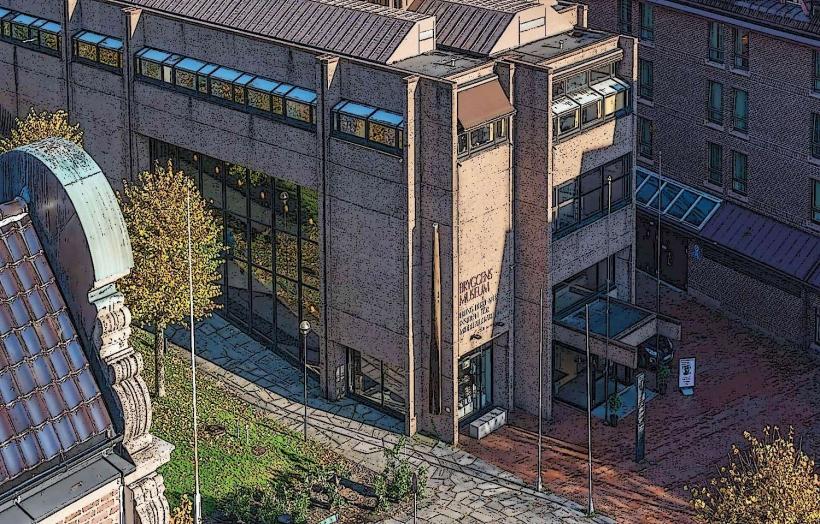
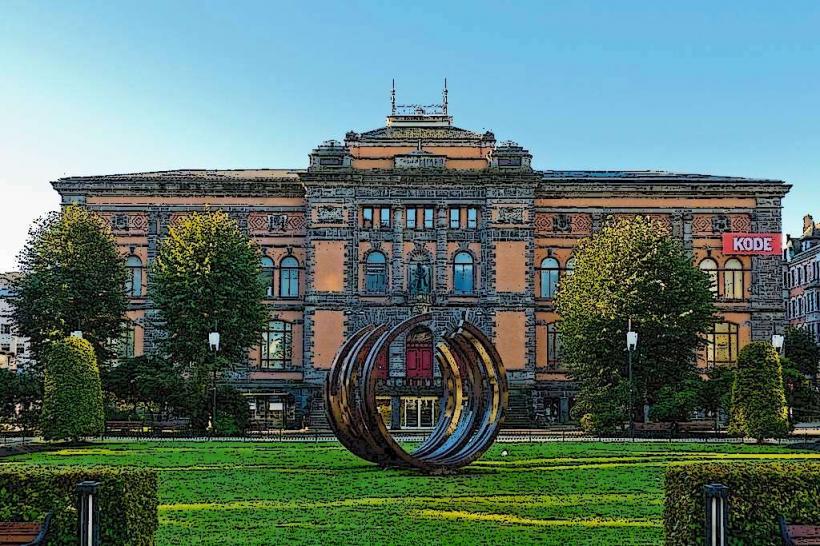
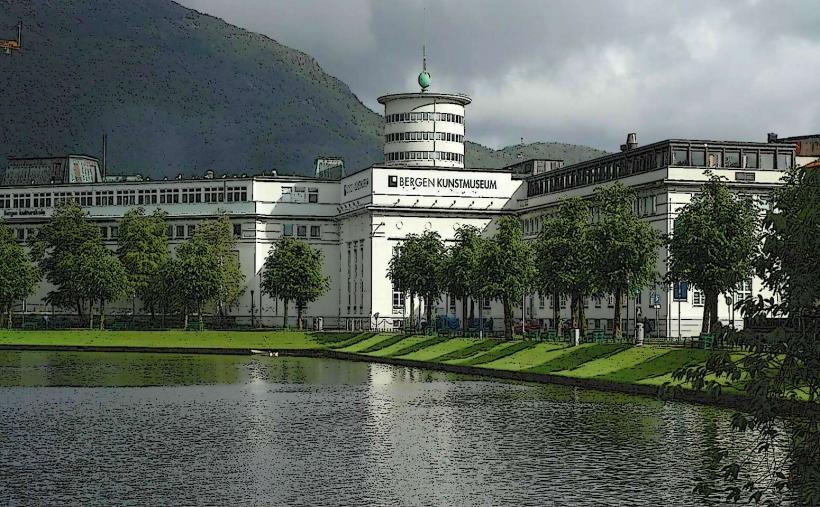
The KODE complex comprises four distinct buildings. KODE 1 (Stenersen) features a modernist concrete and glass facade. KODE 2 (Rasmus Meyer Collection) exhibits a National Romantic architectural style with stone construction and intricate detailing. KODE 3 (Lysverket) is a neoclassical building constructed from light-colored stone, characterized by its symmetrical design and large windows. KODE 4 (Permanenten) also presents a neoclassical design, built with stone and featuring classical architectural elements. The buildings vary in height, generally ranging from three to five stories.
Location & Access Logistics
KODE Art Museums are centrally located in Bergen, primarily along Rasmus Meyers allé and Nordahl Bruns gate, bordering Lille Lungegårdsvann. The main museum cluster is approximately 0.5 km southeast of Torgallmenningen, Bergen's main square. Access is primarily by foot from the city center. Public transport options include the Bybanen (Bergen Light Rail) to the Byparken stop, which is adjacent to KODE 3. Several local bus lines also serve stops near the museums, such as the Festplassen stop. Limited street parking is available, with larger parking garages like GriegGarasjen located within 0.3 km.
Historical & Ecological Origin
KODE Art Museums were established in 2006 through the merger of the Bergen Art Museum, the West Norway Museum of Decorative Art, and the composer homes. The individual buildings have distinct histories. KODE 3 (Lysverket), originally the Bergen Electricity Works administration building, was completed in 1938. KODE 2 (Rasmus Meyer Collection), purpose-built to house Rasmus Meyer's private collection, opened in 1924. The original purpose of these structures was primarily for public administration and art exhibition, respectively.
Key Highlights & Activities
Visitors can view extensive collections of Norwegian and international art, including works by Edvard Munch, Nikolai Astrup, and J.C. Dahl. Specific activities include exploring rotating temporary exhibitions and permanent collections. Guided tours are occasionally offered; schedules are available at the museum reception. Educational workshops are also conducted for various age groups.
Infrastructure & Amenities
Restrooms are available within all KODE museum buildings. Cafes or coffee shops are typically present in KODE 2 and KODE 3, offering refreshments. Seating areas provide opportunities for rest. Cell phone signal (4G/5G) is consistently available throughout the museum premises and surrounding areas. Limited shade is provided by the museum buildings themselves and nearby trees around Lille Lungegårdsvann.
Best Time to Visit
The museums are accessible year-round. Weekdays, particularly mornings, generally offer fewer crowds. For photography of the building exteriors, late morning or early afternoon provides optimal natural light, minimizing harsh shadows. Indoor lighting is controlled. There are no specific tide requirements for visiting KODE Art Museums.
Facts & Legends
KODE 3 (Lysverket) houses one of the world's most significant collections of Edvard Munch's art, including several versions of his iconic motifs. A lesser-known fact is that the museum complex also manages the homes of three prominent Norwegian composers: Edvard Grieg's Troldhaugen, Harald Sæverud's Siljustøl, and Ole Bull's Lysøen, which are accessible as separate visitor experiences outside the city center.
Nearby Landmarks
- Lille Lungegårdsvann: 0.05km West
- Byparken: 0.1km West
- Grieg Hall: 0.3km Southeast
- Bergen Public Library: 0.4km North
- Festplassen: 0.2km West