Information
City: BozemanCountry: USA Montana
Continent: North America
Bozeman, USA Montana, North America
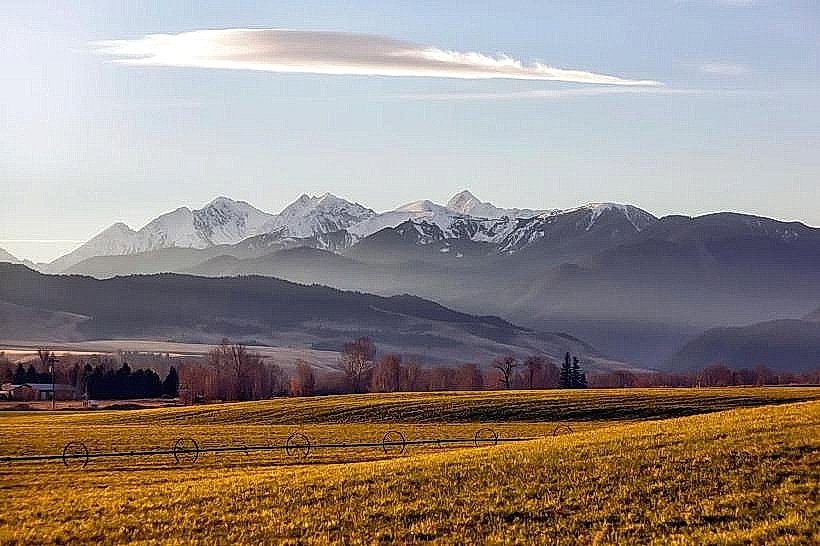
Bozeman is the seat of Gallatin County and the fastest-growing city in Montana. Located in the Gallatin Valley and surrounded by four mountain ranges, it has transitioned from a remote agricultural town into a high-tech "Silicon Forest" and a premier global destination for luxury tourism and outdoor recreation. It is defined by the presence of Montana State University (MSU).
Historical Timeline
The Gallatin Valley was a neutral ground and hunting territory for the Blackfeet, Crow, and Nez Perce. Founded in 1864 by John Bozeman as a waypoint on the Bozeman Trail, it grew as an agricultural center supported by the Northern Pacific Railway. In the 21st century, the city experienced an unprecedented "lifestyle migration" and tech boom, attracting major firms like Oracle and Snowflake, which has fundamentally altered its economic and demographic landscape.
Demographics & Population
The 2026 estimated population is 60,510 within city limits, with a county population exceeding 125,000. The demographic is White (89.2%), Hispanic or Latino (4.8%), Two or More Races (3.2%), and Asian (1.6%). The median age is 28.4 years, heavily influenced by the high density of MSU students and young tech professionals.
Urban Layout & Key Districts
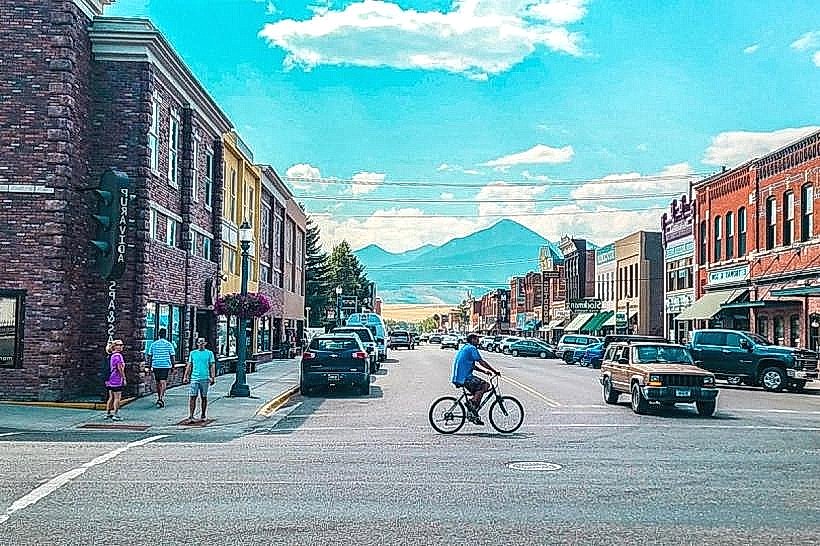
Main Street (Downtown): A vibrant, high-density historic district featuring upscale boutiques, art galleries, and a competitive dining scene.
The University District: Home to the MSU campus and historic residential neighborhoods characterized by mature trees and craftsman architecture.
North Bozeman (7th Avenue): Historically industrial, now rapidly gentrifying with breweries, lofts, and creative spaces.
West End: The primary site of new suburban expansion, featuring high-end residential developments and regional retail centers.
Four Corners: A major junction west of the city that has become its own significant commercial and residential satellite.
Top City Landmarks
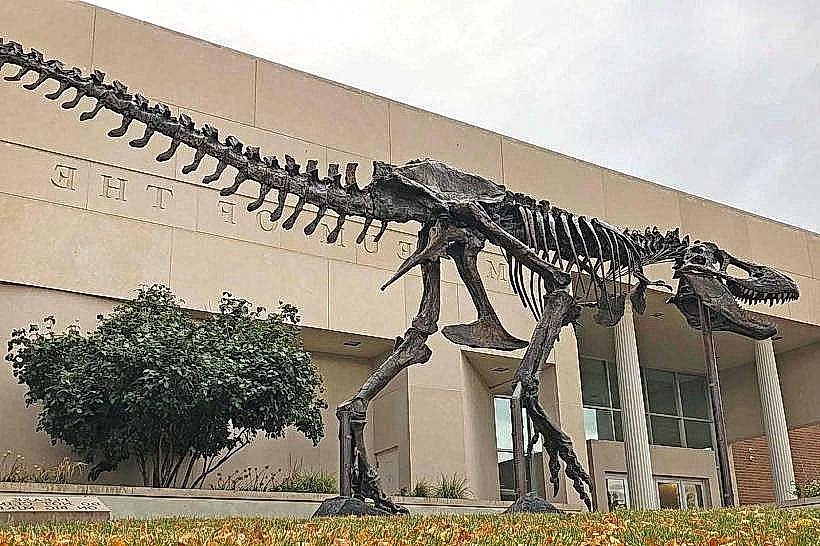
Museum of the Rockies: A world-class Smithsonian affiliate featuring the largest collection of North American dinosaur fossils (including the T. rex).
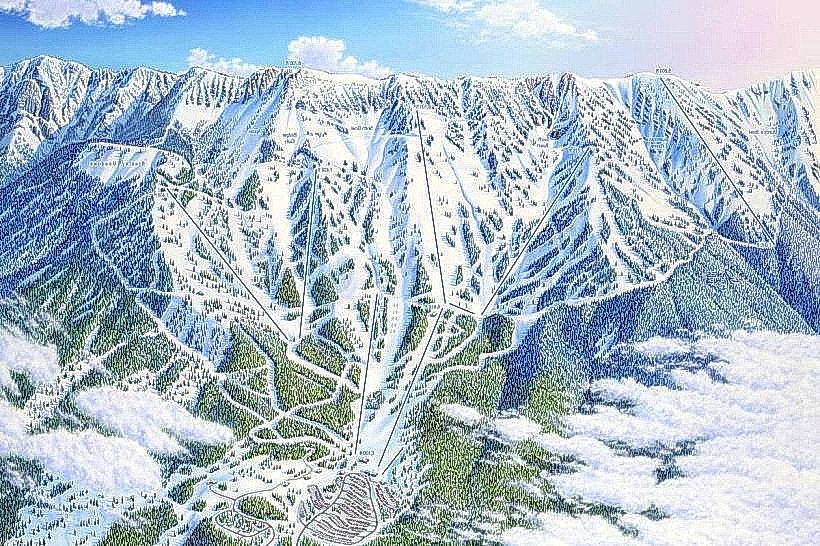
Bridger Bowl Ski Area: A community-owned, non-profit ski area famous for its "Ridge" terrain and cold-smoke powder.
Peets Hill (Burke Park): A bluff overlooking downtown that offers the city's most popular sunset views and walking trails.
The Baxter Hotel: An iconic 1929 landmark on Main Street known for its "B-A-X-T-E-R" neon sign.
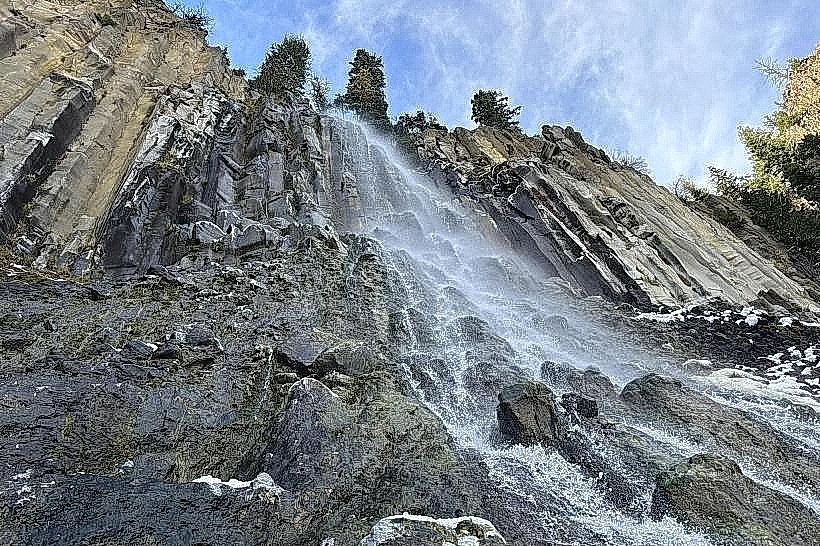
Hyalite Canyon: A recreational paradise south of the city used for ice climbing, hiking, and reservoir-based activities.
Transportation Network
Bozeman is served by I-90 and US-191 (the primary gateway to Yellowstone). The Streamline bus system provides fare-free transit throughout the city and to Belgrade. Bozeman Yellowstone International Airport (BZN) is the busiest airport in Montana, offering high-frequency direct flights to major coastal hubs. Traffic congestion on 19th Avenue and 7th Avenue has become a significant urban challenge due to rapid growth.
Safety & Socioeconomic Hazards
The safety level is high regarding violent crime.
Housing Crisis: Bozeman has one of the highest cost-of-living to wage ratios in the U.S. Homelessness and displacement are significant social issues.
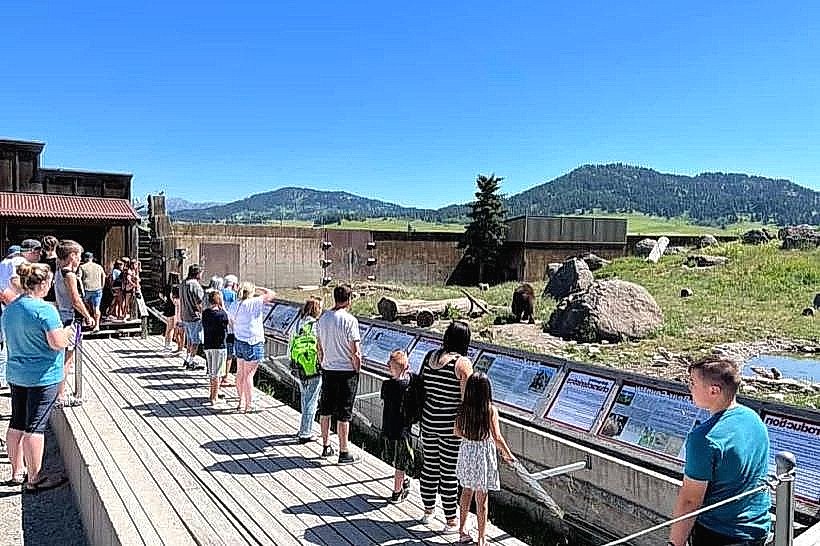
Wildlife: Elk and black bears are common in peripheral neighborhoods; grizzly bears are present in nearby mountain ranges.
Backcountry Safety: High risk of avalanches in the surrounding mountains during winter.
Traffic: Increasing density has led to a spike in vehicle-wildlife collisions on US-191.
Digital & Financial Infrastructure
The city has the most advanced digital infrastructure in the state. Average internet speeds reach 1–2 Gbps via Lumen (fiber) and Charter Spectrum. It is a hub for venture capital and regional banking. Card acceptance is 100%. Major institutions include First Security Bank and Stockman Bank.
Climate & Air Quality
The climate is semi-arid/continental.
Summers: Warm and very dry ($11^\circ\text{C}$ to $28^\circ\text{C}$).
Winters: Long, cold, and snowy ($ -12^\circ\text{C}$ to $0^\circ\text{C}$).
Air Quality: Generally "Excellent," though impacted by wildfire smoke in August and September.
Culture & Social Norms
The culture is "New West"-a collision of traditional ranching roots, university academia, and extreme wealth. Tipping of 20–25% is standard in high-end downtown venues. Dress code is "Technical Outdoor" (expensive hiking/ski gear is standard attire for all occasions). Alcohol is sold in grocery stores; spirits are sold in state-licensed agency stores.
Accommodation Zones
Downtown: Stay here for boutique luxury (The Armory, The Kimpton) and walkability.
North 7th Avenue: Stay here for mid-range national chains.
Belgrade (Near BZN): Stay here for airport proximity and slightly lower costs.
Local Cost Index
Espresso: $5.25
Standard Lunch: $20.00
Median Home Value: $795,000
Nearby Day Trips
Yellowstone National Park (West Entrance): 145 km (1.5 hours).
Big Sky Resort: 75 km (1 hour) – One of the largest ski resorts in North America.
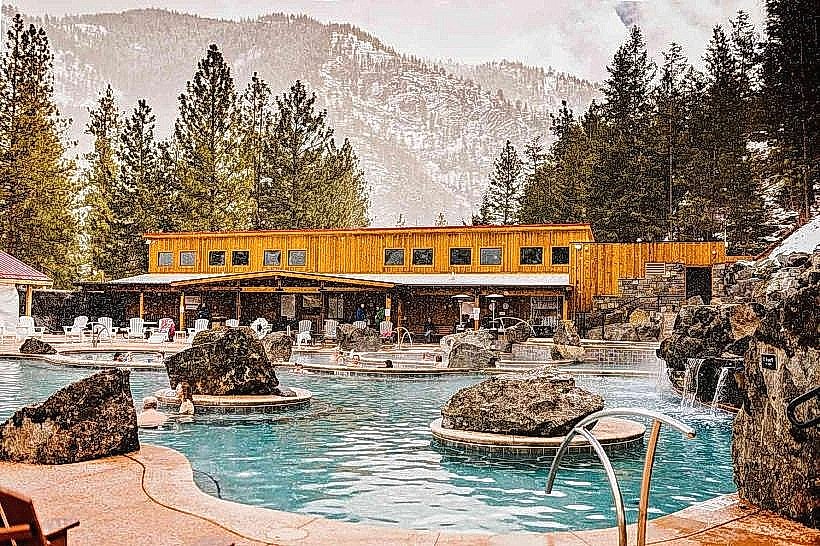
Norris Hot Springs: 60 km (45 mins).
Livingston, MT: 40 km (30 mins) – A historic rail town and wind-swept arts hub.
Facts & Legends
Bozeman is the setting for the fictional "Zefram Cochrane" first contact with Vulcans in the Star Trek universe. A local legend involves the "Ghost of the Opera House" in the Ellen Theatre. Historically, the city is unique for having transformed from a quiet cow town into a billionaire enclave in less than three decades, earning it the nickname "Boze-angeles."