Information
Landmark: Lewis and Clark Caverns State ParkCity: Bozeman
Country: USA Montana
Continent: North America
Lewis and Clark Caverns State Park, Bozeman, USA Montana, North America
Lewis and Clark Caverns State Park is a geological site located in Montana, USA, near Bozeman.
Visual Characteristics
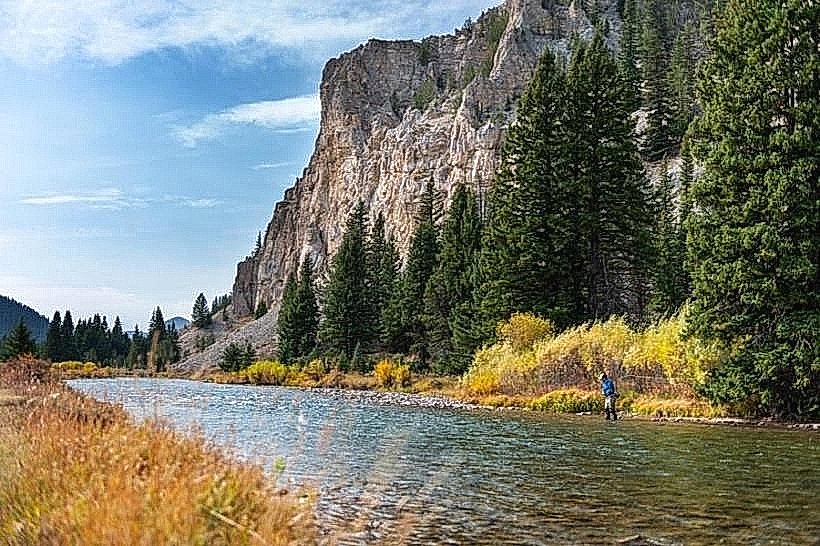
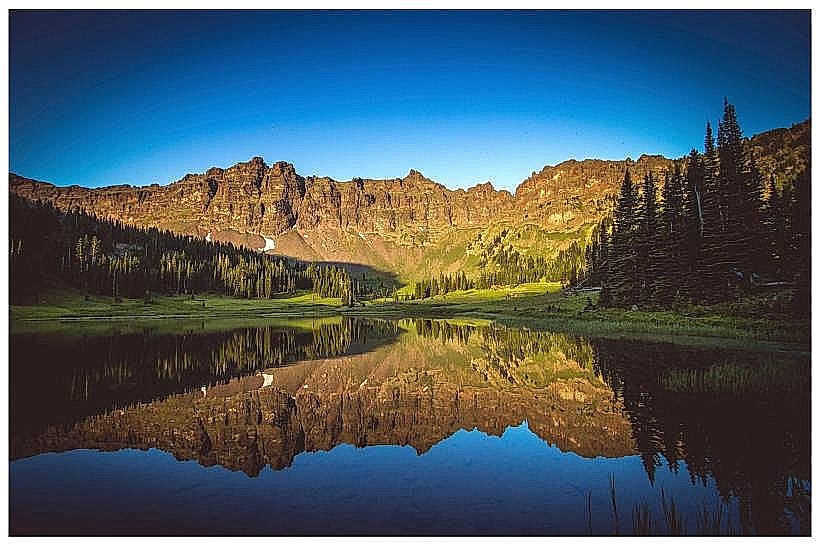
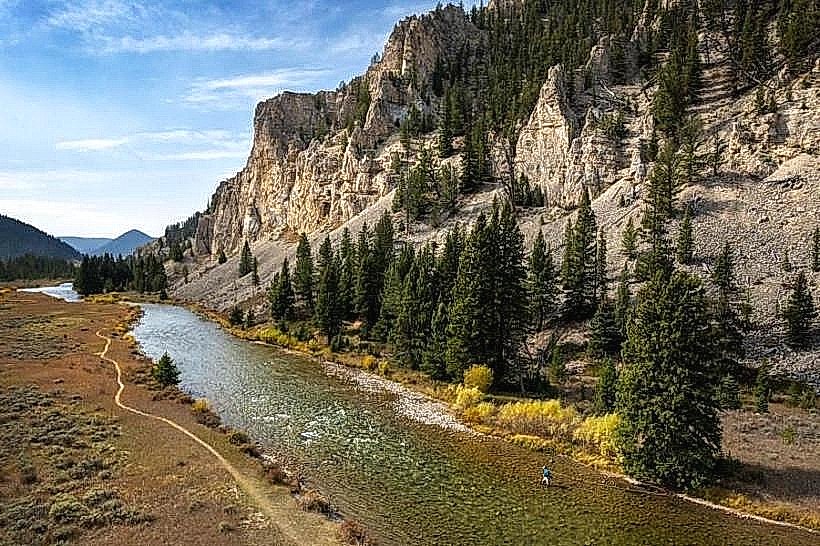
The caverns exhibit limestone formations including stalactites, stalagmites, columns, and flowstone. The rock walls are primarily gray and white limestone, with some areas showing reddish-brown iron oxide staining. The surrounding park features coniferous forests and the Jefferson River.
Location & Access Logistics
The park entrance is located off State Highway 287, approximately 55 miles (88.5 km) west of Bozeman. From the park entrance, the visitor center and cave trailheads are accessible via a paved road. Parking is available at the visitor center. Public transportation is not available to the park.
Historical & Ecological Origin
The caverns are a karst landscape formed by the dissolution of soluble limestone rock by acidic groundwater over millions of years. They were first explored by white settlers in the late 19th century and named after the Lewis and Clark Expedition, though the expedition did not discover them. The park was established in 1937.
Key Highlights & Activities
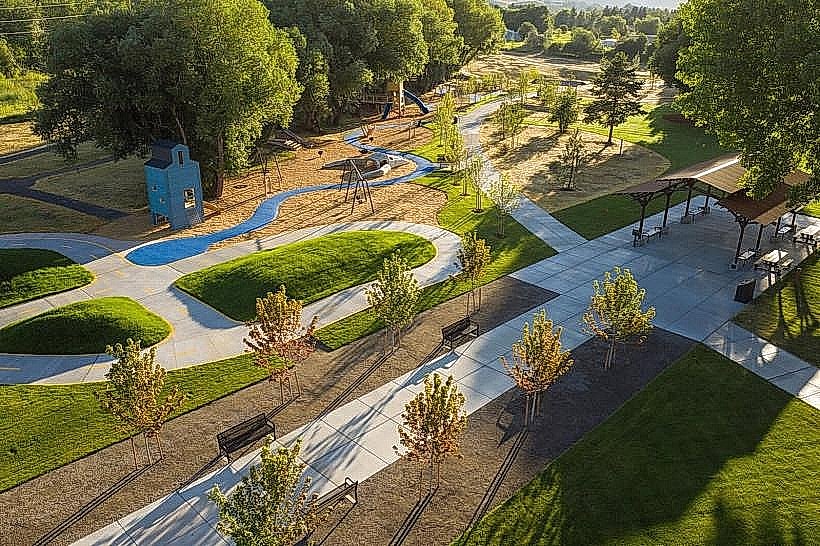
Guided tours of the main cave system are offered seasonally. The "Cave Tour" covers approximately 1.2 miles and takes about 1.5 hours. Hiking trails are available in the upper park area, including the 1.5-mile trail to the "Upper Caverns" entrance. Picnicking facilities are present.
Infrastructure & Amenities
Restrooms are available at the visitor center. Shaded areas are limited within the caverns themselves, but picnic areas offer shade. Cell phone signal is intermittent within the park and generally unavailable inside the caverns. Food vendors are not present within the park; visitors should bring their own supplies.
Best Time to Visit
Cave tours operate from May through September. The best time of day for photography within the caverns is during guided tours, as artificial lighting is provided. For the surrounding park, late spring and early autumn offer moderate temperatures and fewer crowds.
Facts & Legends
A unique feature of the caverns is the presence of "cave pearls," small, spherical concretions formed in shallow pools. Local lore suggests that the caverns were once used as a refuge by Native American tribes, though archaeological evidence is limited.
Nearby Landmarks
- Yellowstone National Park (approx. 150km South)
- Big Sky Resort (approx. 70km Southwest)
- Montana State University (Bozeman) (approx. 88.5km East)
- Museum of the Rockies (Bozeman) (approx. 88.5km East)
- Gallatin National Forest (various access points within 50km)