Information
City: BumthangCountry: Bhutan
Continent: Asia
Bumthang, Bhutan, Asia
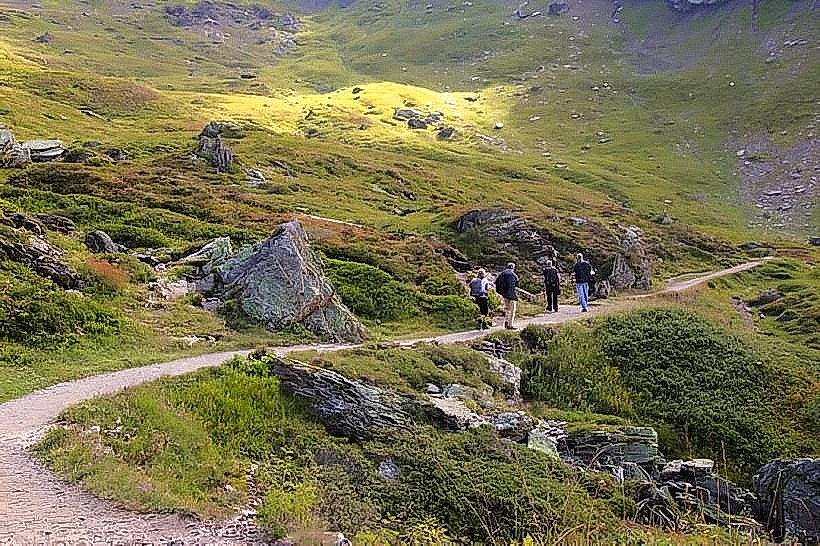
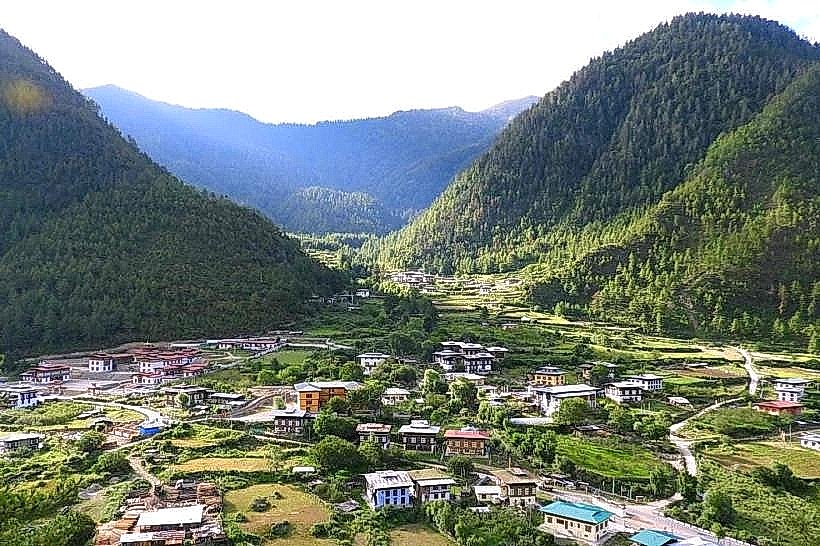
Bumthang is the spiritual heartland of Bhutan, comprising four high-altitude valleys: Choekhor, Chumey, Tang, and Ura. At an elevation of 2,600 to 4,000 meters, it is often referred to as the "Switzerland of the East" due to its broad, alpine landscapes, dairy production, and coniferous forests.
Historical Timeline
Bumthang is believed to be the first inhabited region in Bhutan. In the 8th century, Guru Rinpoche (Padmasambhava) visited to cure the local king, Sindhu Raja, leaving his body imprint on a rock now housed in Kurjey Lhakhang. In the 15th century, the native saint Pema Lingpa discovered sacred treasures in Mebar Tsho (Burning Lake), establishing the region as a primal center for the Nyingma school of Buddhism. The first King of Bhutan, Ugyen Wangchuck, was born here in 1862, and the Wangduechhoeling Palace served as the royal residence before the capital moved to Thimphu.
Demographics & Population
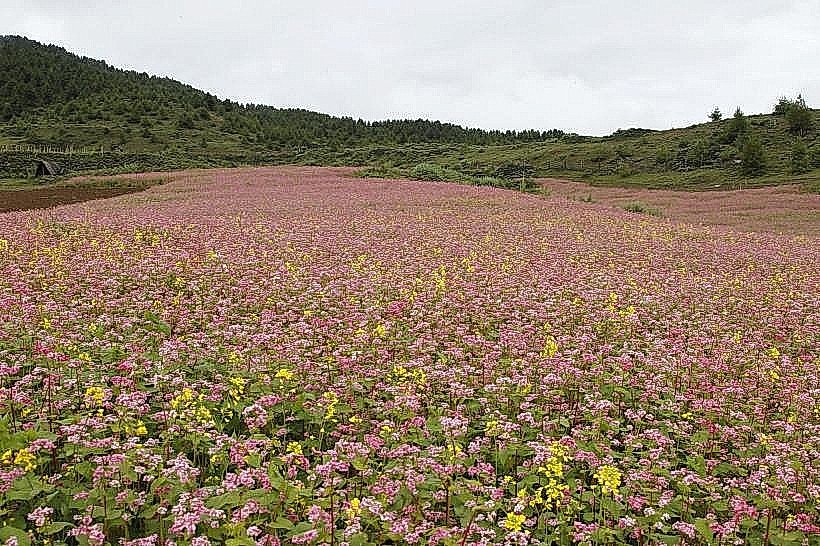
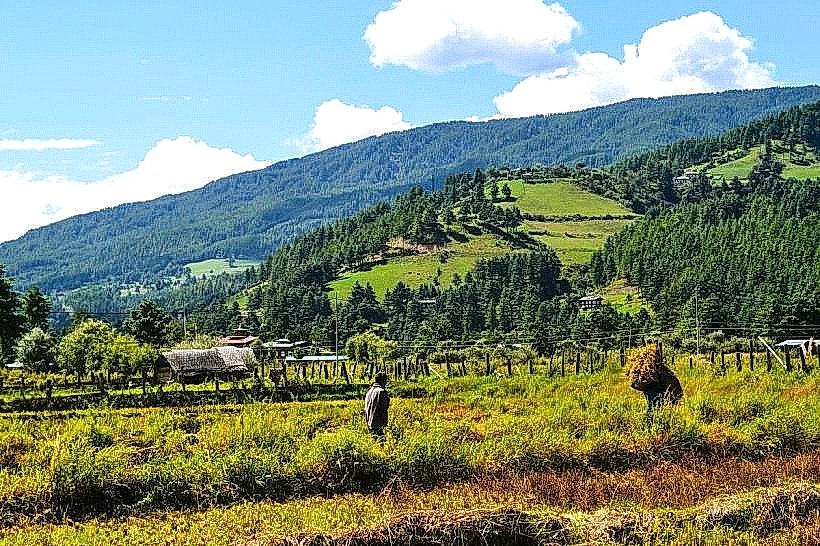
The 2026 projected population for the Bumthang district is approximately 23,000. The primary ethnic group is the Bumthangpa, who speak Bumthangkha, an East Bodish language distinct from the national language, Dzongkha. The median age is 31 years. Unlike the industrial south, the population remains deeply agrarian, focused on buckwheat, potato farming, and livestock.
Urban Layout & Key Districts
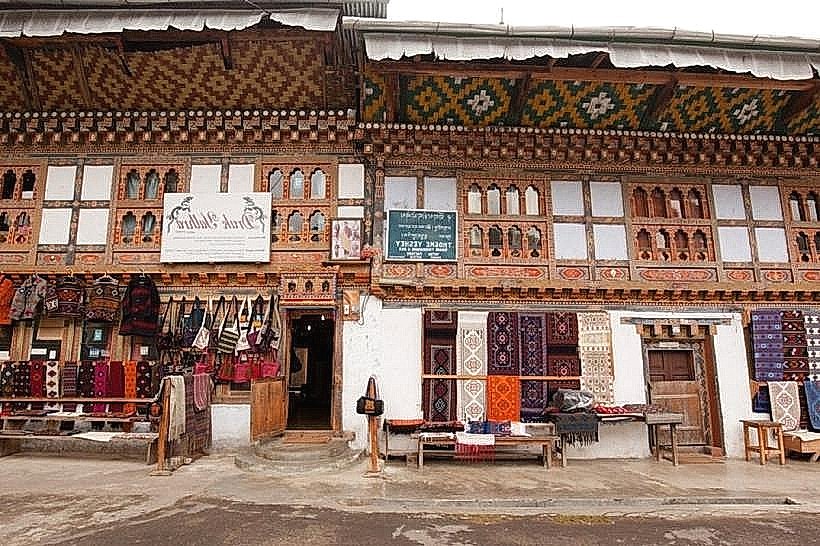
Chamkhar (Choekhor): The main commercial hub and administrative town, located on the valley floor alongside the Chamkhar Chhu river.
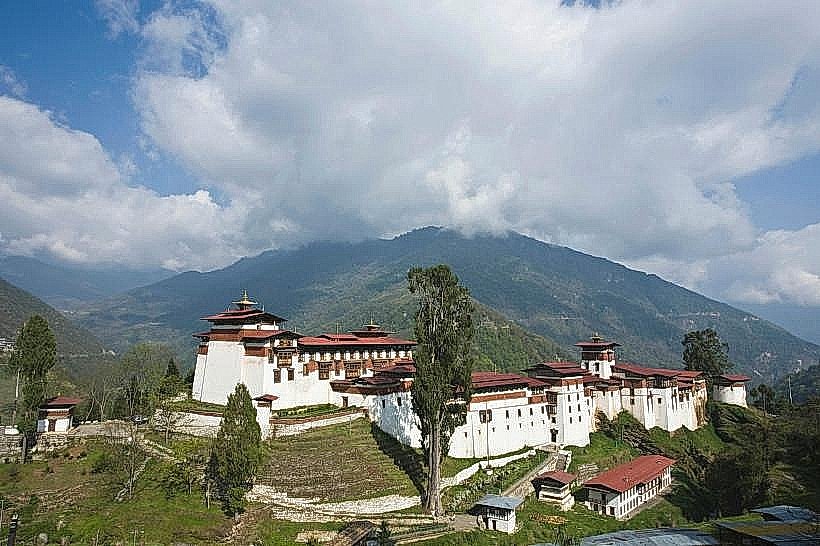
Jakar: The historic district overlooking Chamkhar, home to the regional dzong and the historic royal palace.
Chumey Valley: The first valley entered from the west, known for Yatra (hand-woven woolen textiles) and the Tharpaling Monastery.
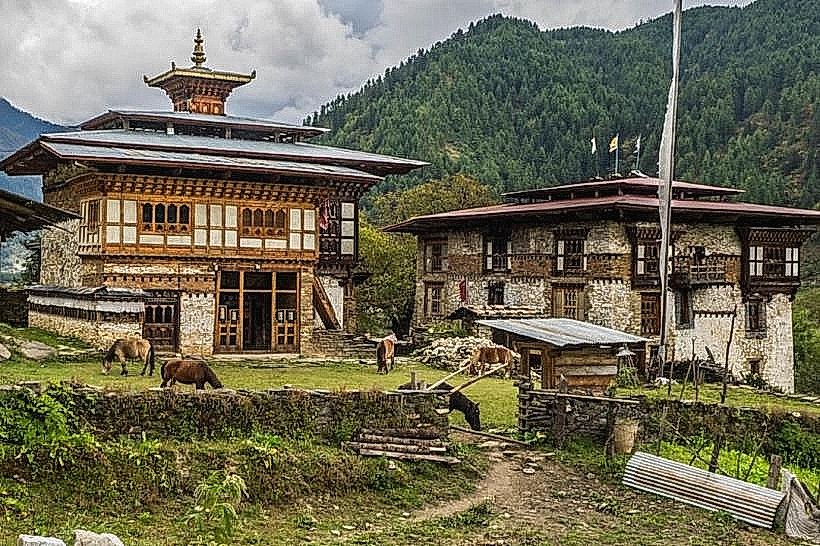
Ura Valley: A high-altitude, clustered village (3,100m) with cobblestone alleys, distinct from the scattered farmsteads found elsewhere in Bhutan.
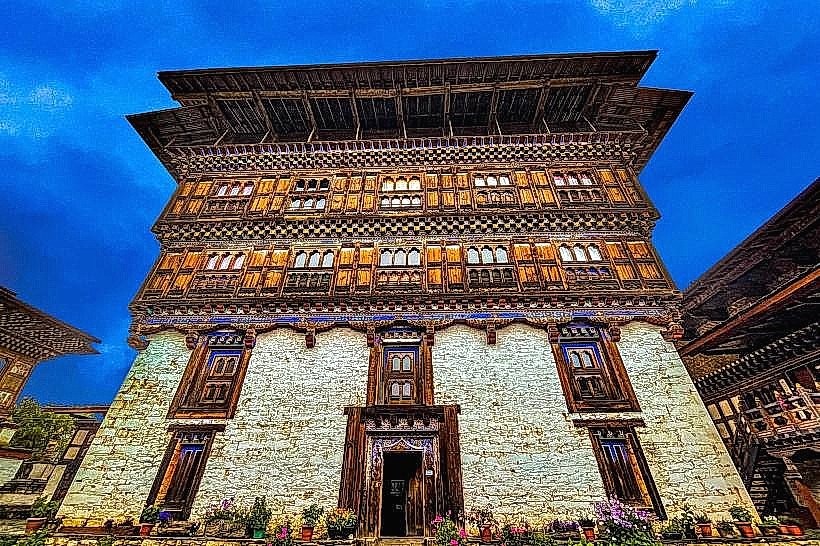
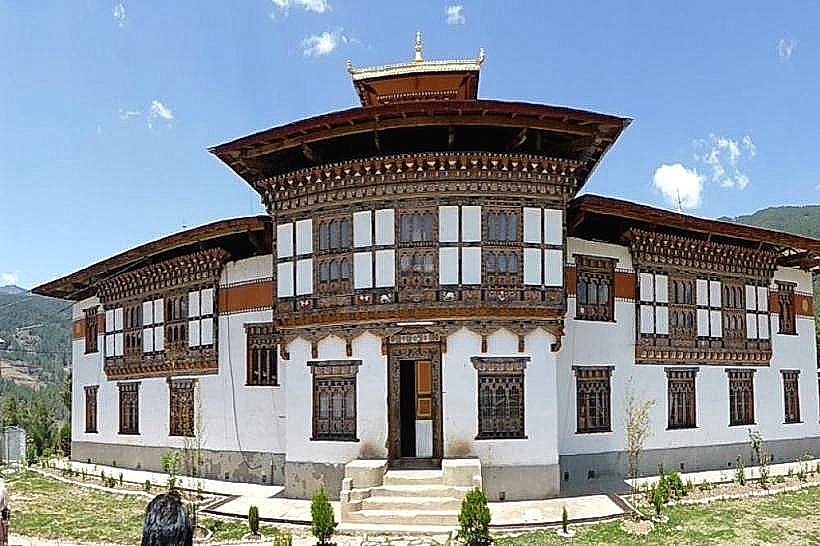
Tang Valley: The most remote of the four, accessible via unpaved roads and home to the Ogyen Choling Palace Museum.
Top City Landmarks
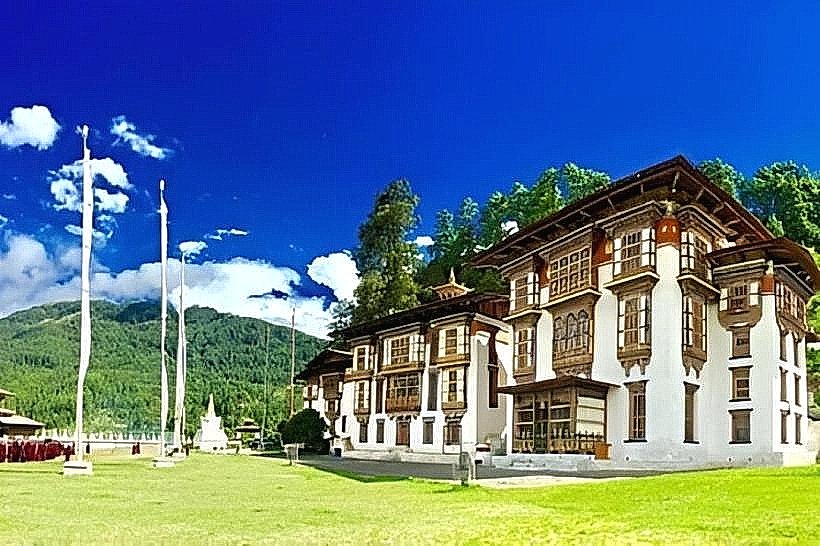
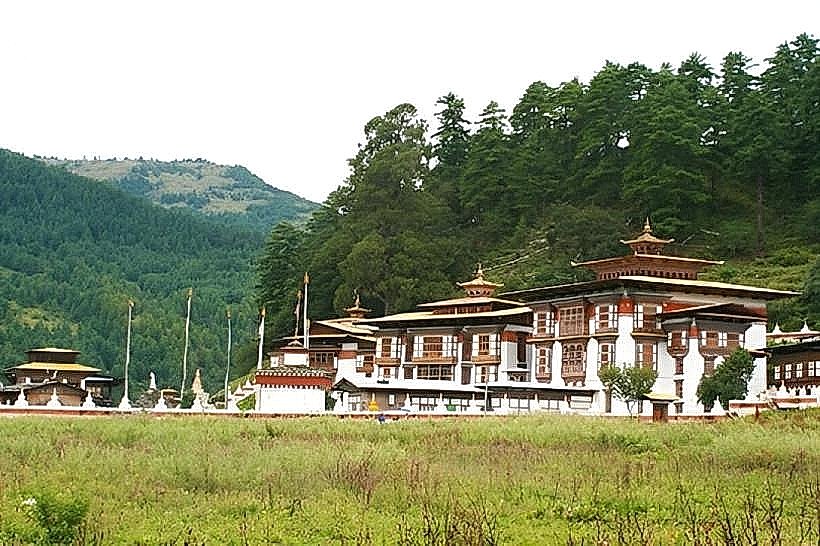
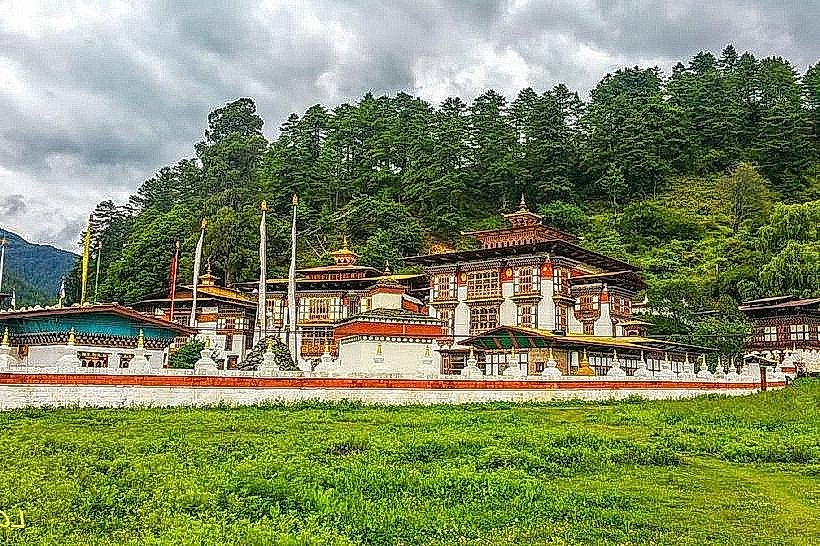
Kurjey Lhakhang: A massive temple complex housing the cave where Guru Rinpoche meditated; it contains the remains of the first three Kings of Bhutan.
Jakar Dzong: The "Castle of the White Bird," strategically located on a ridge with a unique protected passage to a water source.
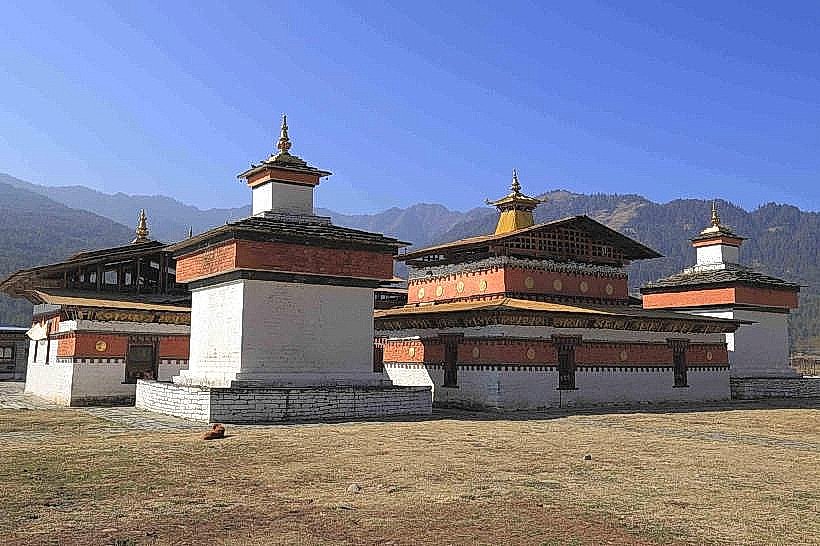
Jambay Lhakhang: Built in 659 AD by Tibetan King Songtsen Gampo; it is one of the two oldest temples in Bhutan.
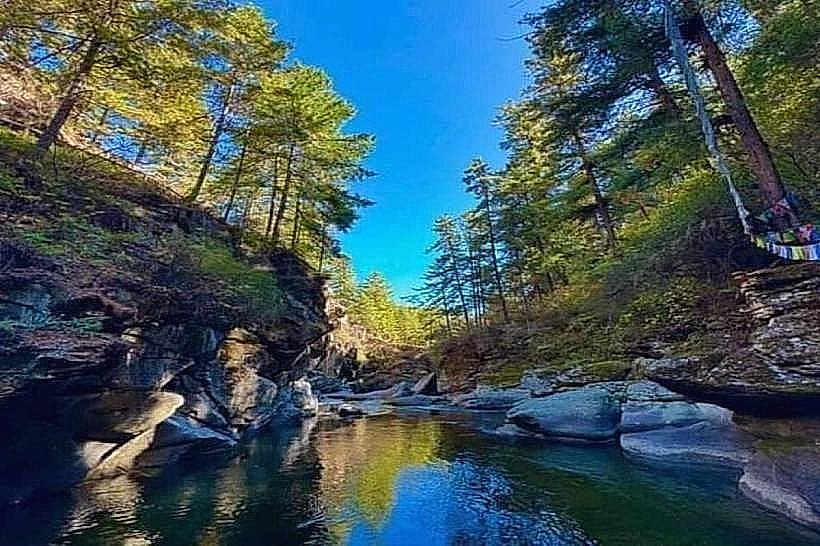
Mebar Tsho (Burning Lake): A deep pool in a river gorge where Pema Lingpa is said to have emerged with a burning butter lamp and sacred relics.
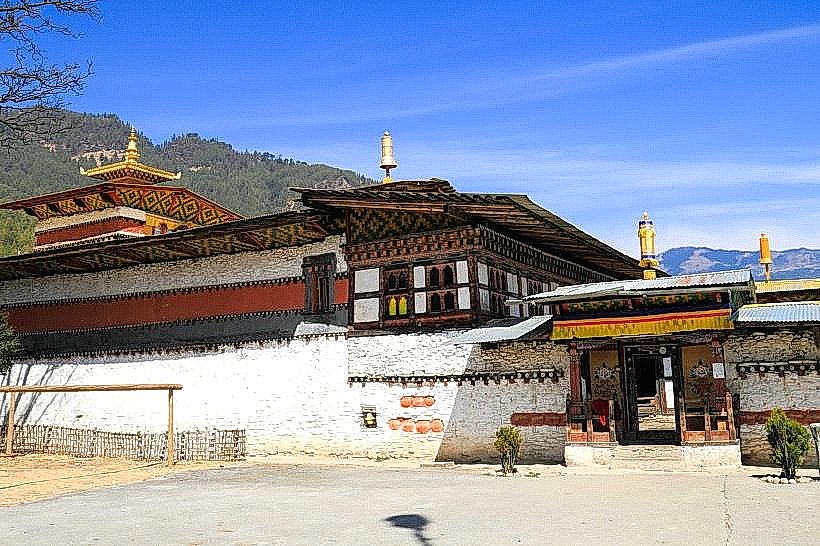
Tamshing Lhakhang: The most important Nyingma temple in the kingdom, featuring original 16th-century murals painted by Pema Lingpa.
Transportation Network
Movement is facilitated by the East-West Highway. Travel from Thimphu takes approximately 7–9 hours. Bumthang Domestic Airport (BATH) provides 35-minute flight connections to Paro, though service is frequently interrupted by weather. Within the valleys, travel is by private 4WD or taxi. A major infrastructure focus in 2026 is the climate-proofing of the "Thrumshing La" pass stretch to mitigate landslide closures.
Safety & "Red Zones"
The general safety level is very high. Crime is statistically negligible. There are no political "red zones." The primary risks are environmental: high-altitude sickness and river hazards at Mebar Tsho, where multiple tourists have been swept away by deceptively fast currents. Heavy snowfall can close the high passes (Pele La and Yotong La) between December and February.
Digital & Financial Infrastructure
Average internet speed is 30–50 Mbps, with 4G coverage throughout the main valleys. 5G is currently being piloted in the Chamkhar town core (2026). Mobile services are provided by Bhutan Telecom and TashiCell. Digital payments (mBOB/T-Pay) are common in shops, but cash is essential for rural farmstays and the Ura region. ATMs are concentrated in Chamkhar and Jakar.
Climate & Air Quality
Temperatures range from -9°C to 12°C in winter (January) and 12°C to 24°C in summer (July). The climate is temperate highland (Cwb). Air quality is exceptionally high (AQI < 20), though winter wood-burning for heating can create localized smoke in the Chamkhar valley.
Culture & Social Norms
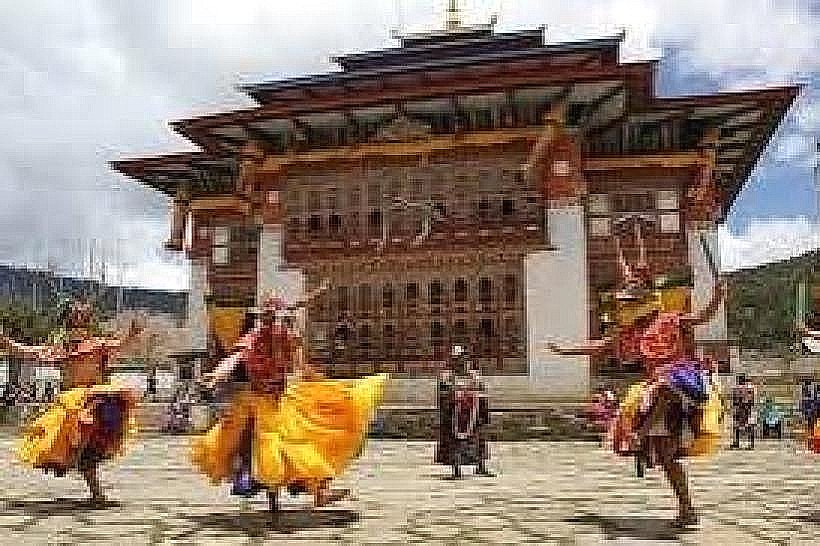
The standard tipping rate is $10–$15 USD per day for guides. As of 2026, the Sustainable Development Fee (SDF) is $100 USD per night, plus a 5% GST on services. Bumthang is famous for its "Swiss connection," producing local Gouda, Emmental, and honey. The Jambay Lhakhang Drup festival (October/November) is famous for the Mewang (fire blessing) and the Tercham (naked dance).
Accommodation Zones
Chamkhar Town: Stay here for local dining and proximity to the main bazaar.
Upper Choekhor: Stay at Amankora Bumthang or Six Senses for high-end isolation near the temples.
Local Cost Index
1 Espresso: 250 Nu ($3.00)
1 Standard Lunch: 600 Nu ($7.25)
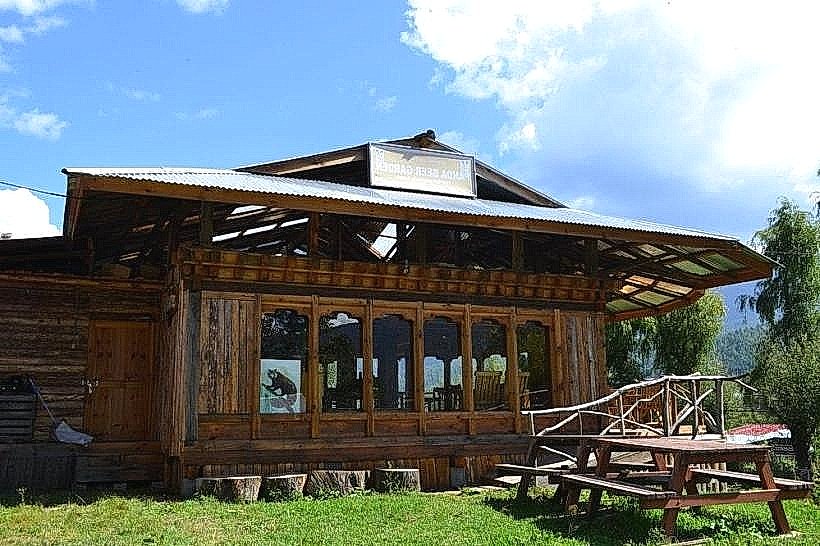
1 Draft Red Panda Beer: 350 Nu ($4.20)
Nearby Day Trips
Kunzpang: (A 2-hour hike to the retreat of Pema Lingpa)
Thrumshing La National Park: (50 km - For Himalayan views and red panda spotting)
Facts & Legends
Bumthang is the only place in Bhutan where you can find the Red Panda Brewery, the nation’s first craft brewery, established by a Swiss immigrant in the 1960s. A local legend says the name "Bumthang" translates to "Plain of Beautiful Girls" or "Plain of the Holy Water Vase." A verified historical oddity is that the first King of Bhutan, Ugyen Wangchuck, chose the site of Jakar Dzong after seeing a white bird settle on the ridge, an event still commemorated in the dzong's name.