Information
Landmark: Jakar Dzong (Castle of the White Bird)City: Bumthang
Country: Bhutan
Continent: Asia
Jakar Dzong (Castle of the White Bird), Bumthang, Bhutan, Asia
Jakar Dzong, also known as the Castle of the White Bird, is a fortress located in Bumthang, Bhutan.
Visual Characteristics
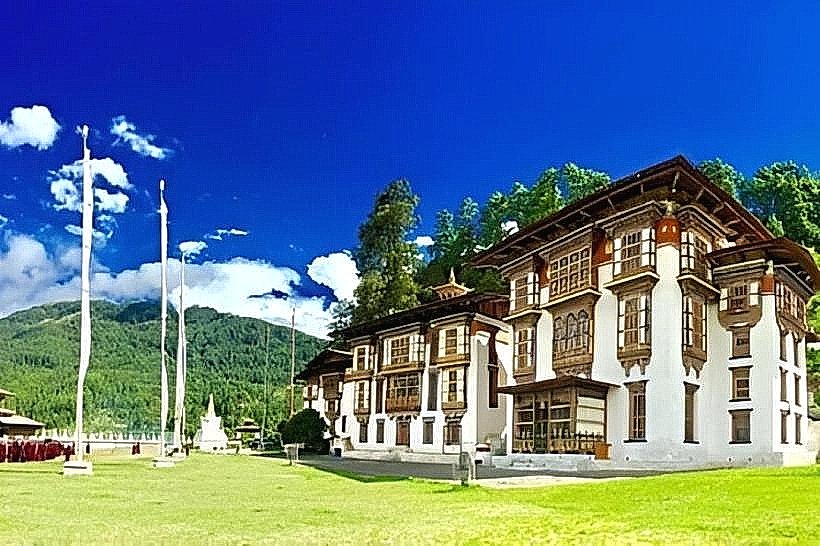
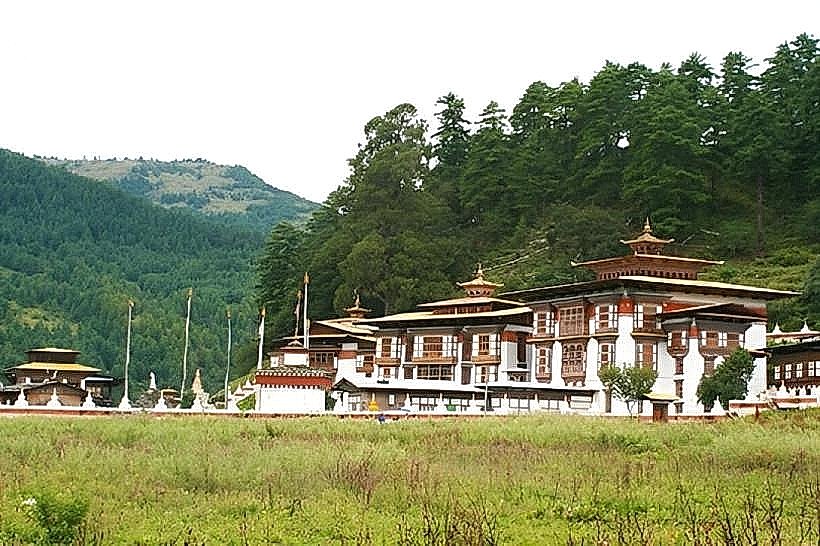
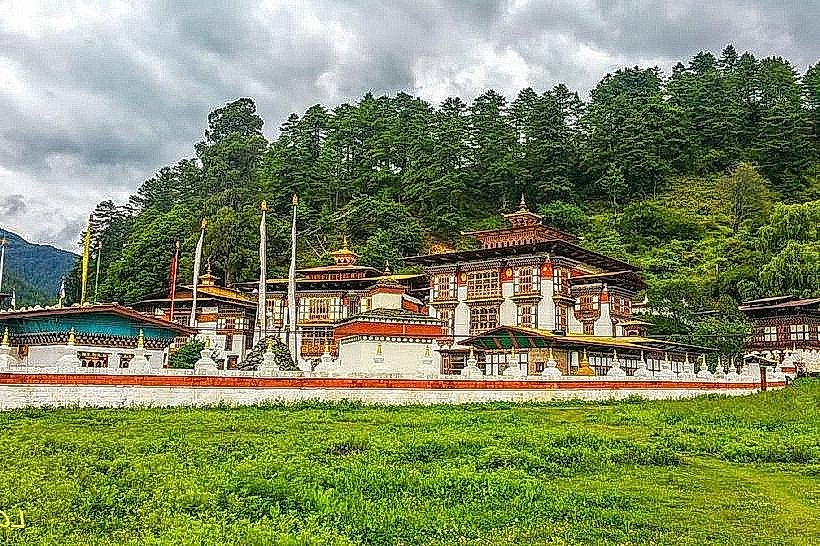
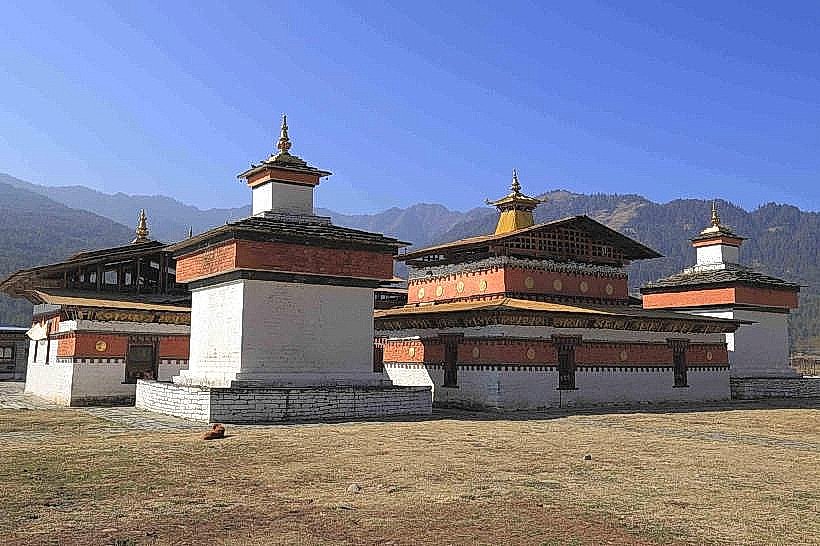
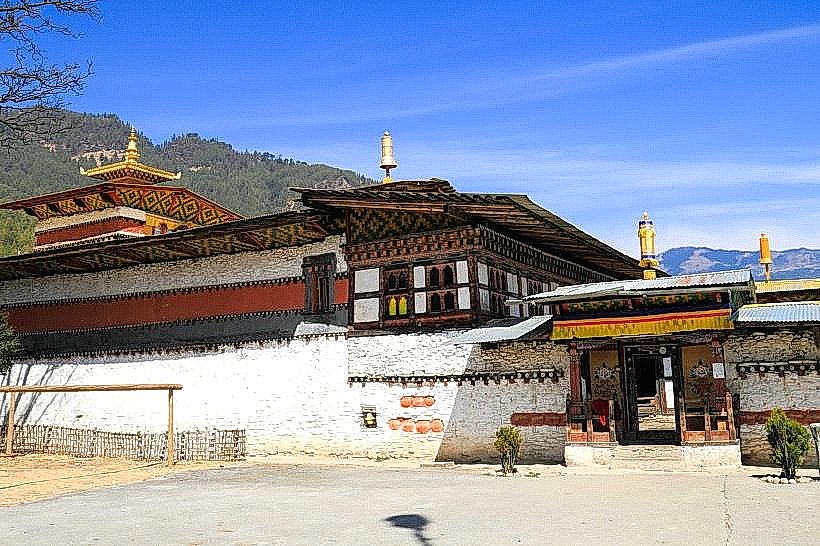
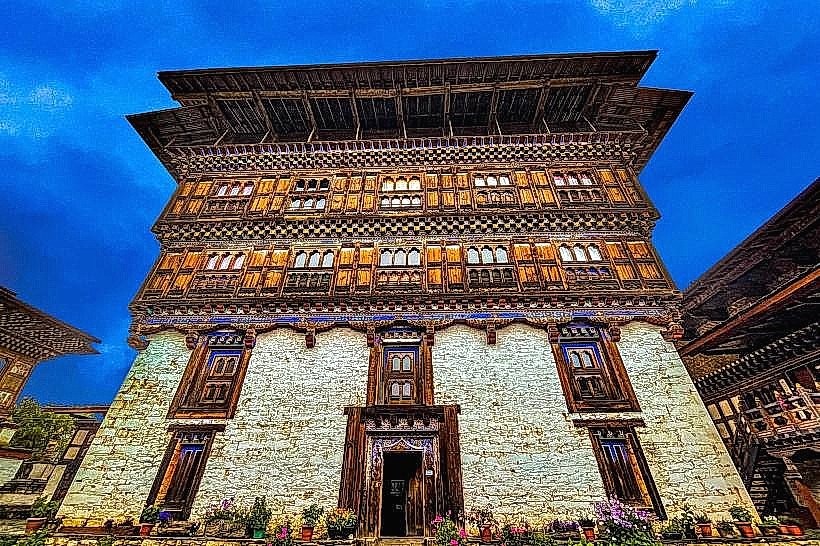
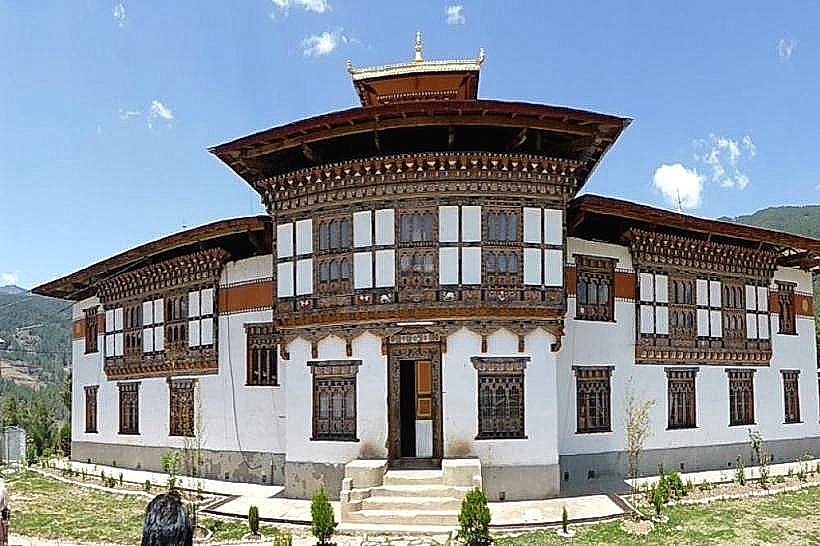
The dzong is constructed primarily from stone and whitewashed. It features multiple courtyards and defensive towers. The main structure rises to several stories, with a traditional Bhutanese architectural style characterized by sloping roofs and intricate woodwork.
Location & Access Logistics
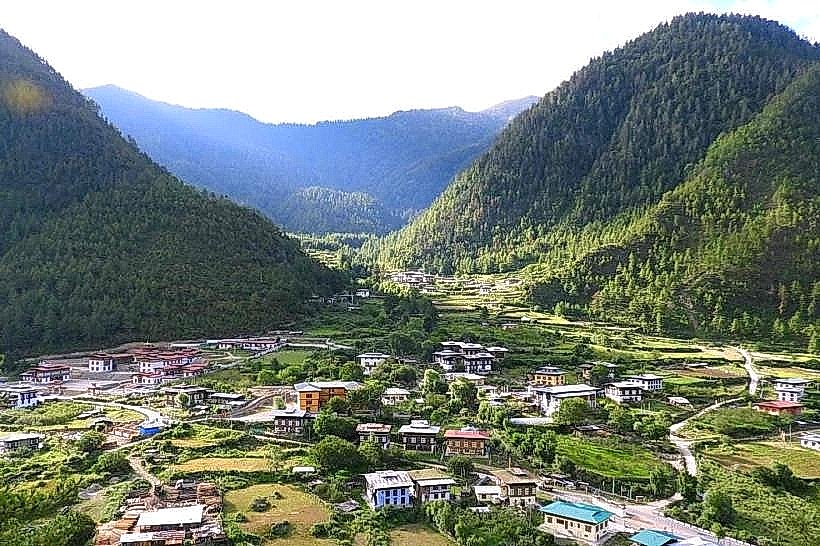
Jakar Dzong is situated on a ridge overlooking the Bumthang Valley. It is approximately 2 kilometers north of the main town of Jakar. Access is via local roads. Parking is available at the base of the ridge. Public transport options are limited; local taxis are the most common method of reaching the dzong from Jakar town.
Historical & Ecological Origin
The dzong's origins date back to 1549 when it was founded by Lama Ngagi Wangchuk. It was significantly expanded and fortified in 1646 under the order of Shabdrung Ngawang Namgyal. Its original purpose was as a monastic and administrative center.
Key Highlights & Activities
Visitors can walk through the courtyards. Photography of the exterior architecture is permitted. Access to interior temples may be restricted based on the time of day and ongoing religious activities. Observing the valley views from the dzong's ramparts is a primary activity.
Infrastructure & Amenities
Restrooms are available near the entrance. Limited shade is present within the courtyards. Cell phone signal (4G) is generally available. No food vendors are located directly within the dzong; options are available in Jakar town.
Best Time to Visit
For optimal lighting on the dzong's exterior, late afternoon is recommended. The dry season, from October to March, offers the most pleasant weather conditions. No tide considerations apply.
Facts & Legends
A local legend states that the dzong was built on the site where a white bird, considered a sacred omen, landed. The dzong has served as the seat of temporal and spiritual power for the Bumthang region for centuries.
Nearby Landmarks
- Jakar Town Center (1.5km South)
- Kurjey Lhakhang (3km East)
- Tamshing Lhakhang (4km East)
- Bumthang Airport (5km South-West)