Information
Landmark: Buckwheat FieldsCity: Bumthang
Country: Bhutan
Continent: Asia
Buckwheat Fields, Bumthang, Bhutan, Asia
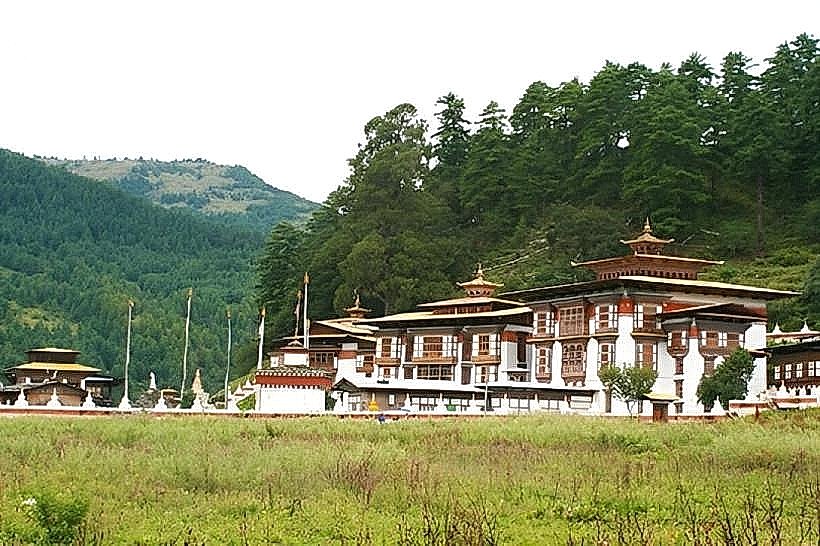
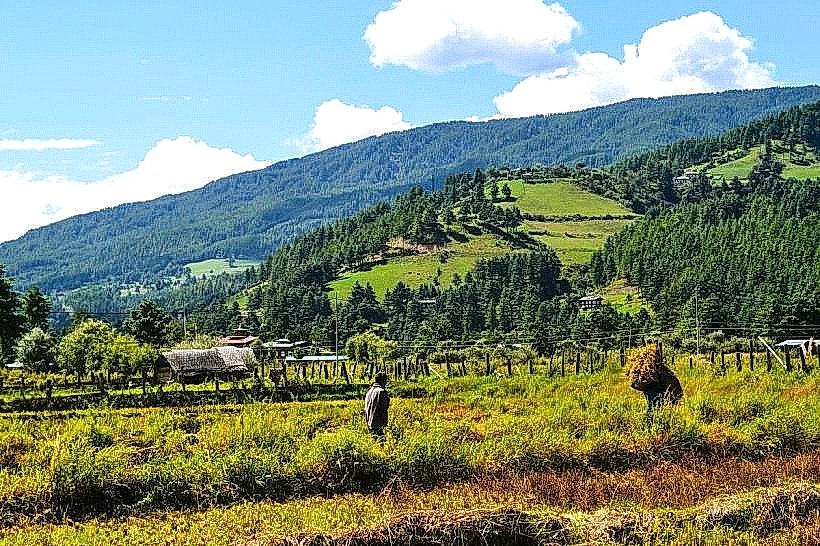
The Buckwheat Fields are agricultural expanses located in the Bumthang Valley of Bhutan. These fields are characterized by their seasonal cultivation of buckwheat, a staple crop in the region.
Visual Characteristics
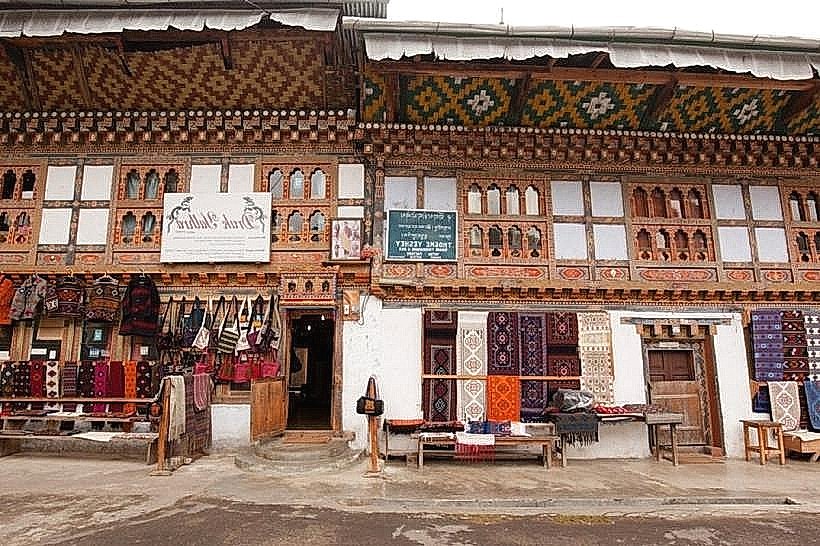
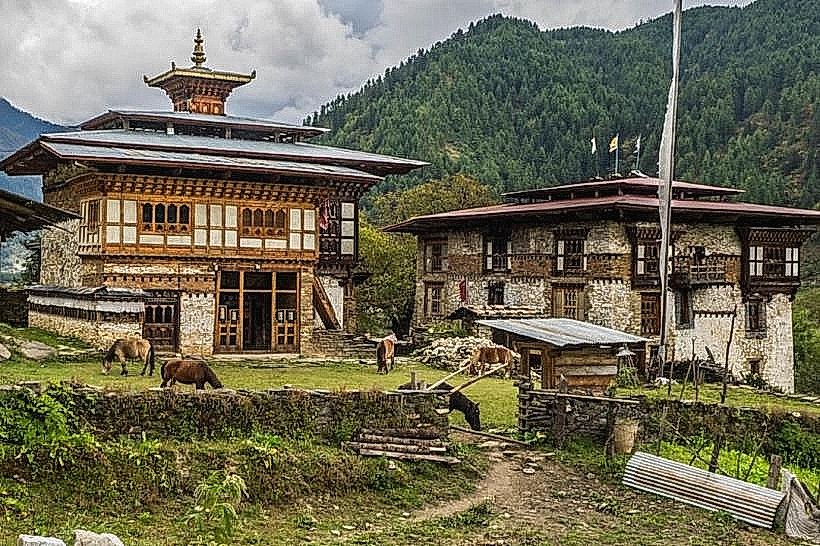
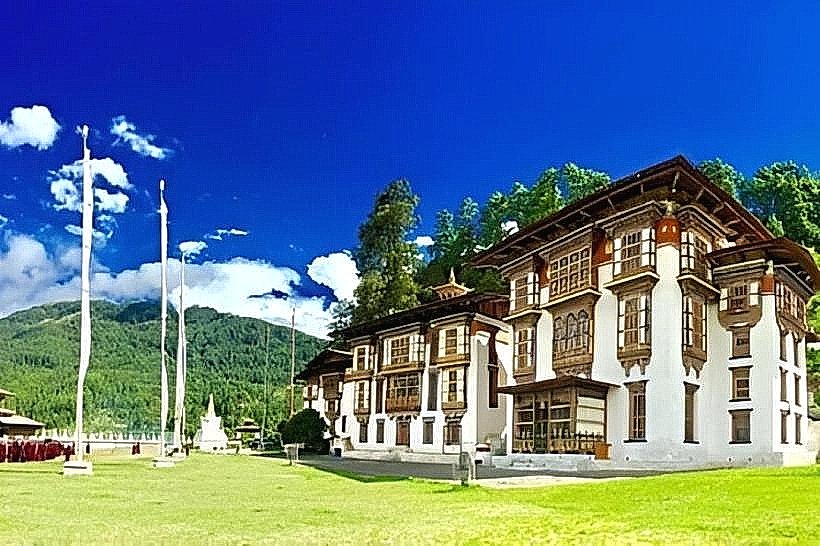
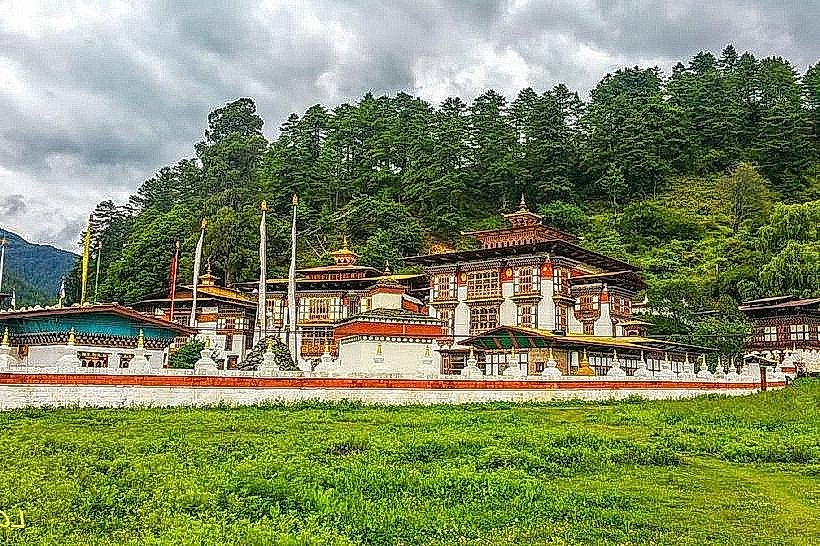
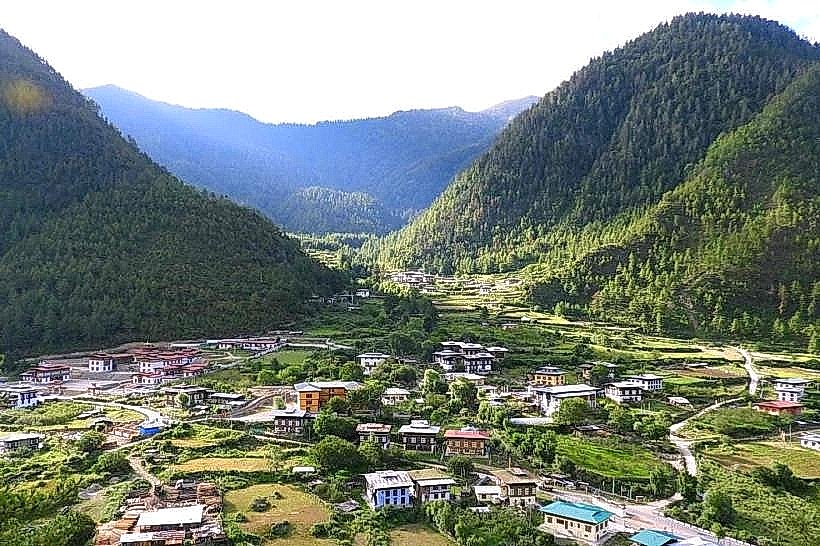
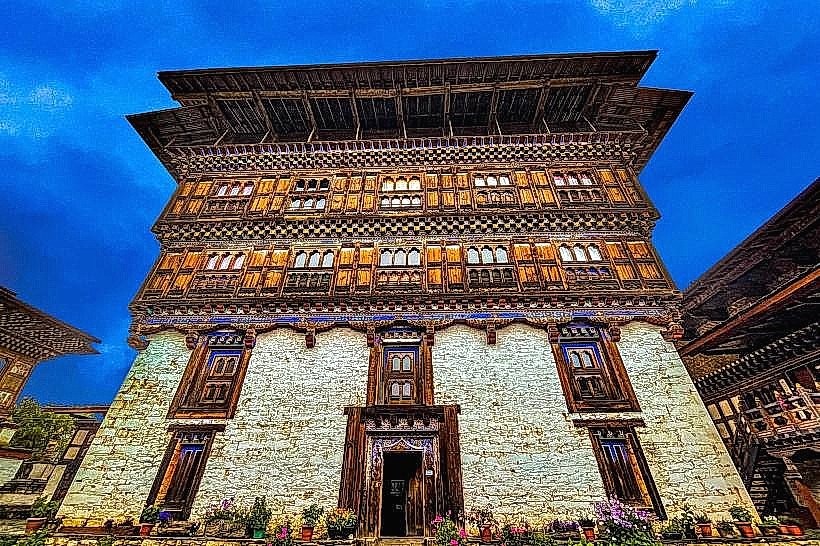
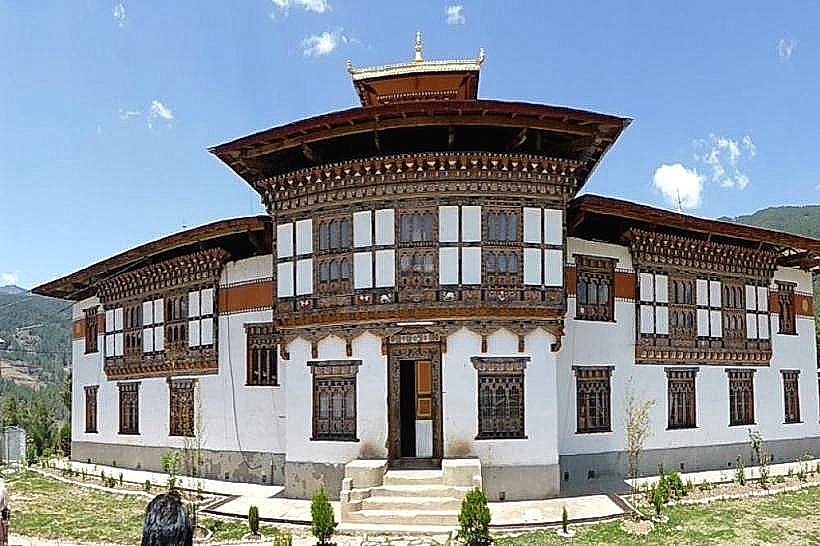
The fields present a mosaic of green and brown hues depending on the growth cycle of the buckwheat. During flowering, a light purple or white bloom covers the landscape. The terrain is generally flat to gently sloping, interspersed with traditional Bhutanese farmhouses constructed from stone and timber, often featuring painted wooden window frames and intricate roof designs.
Location & Access Logistics
The Buckwheat Fields are situated within the Bumthang Valley, accessible via the East-West Highway (A3). From Jakar, the administrative center of Bumthang, the fields are located approximately 5-10 kilometers south. Access is primarily by private vehicle or taxi. Public transport directly to the fields is limited; however, local buses operate along the highway, requiring a short walk from the nearest stop. Parking is available on the unpaved verges adjacent to the fields.
Historical & Ecological Origin
The cultivation of buckwheat in Bumthang dates back centuries, forming an integral part of the valley's agricultural heritage and subsistence farming practices. Ecologically, the fields are part of a temperate valley ecosystem, supporting local flora and fauna adapted to the high-altitude environment.
Key Highlights & Activities
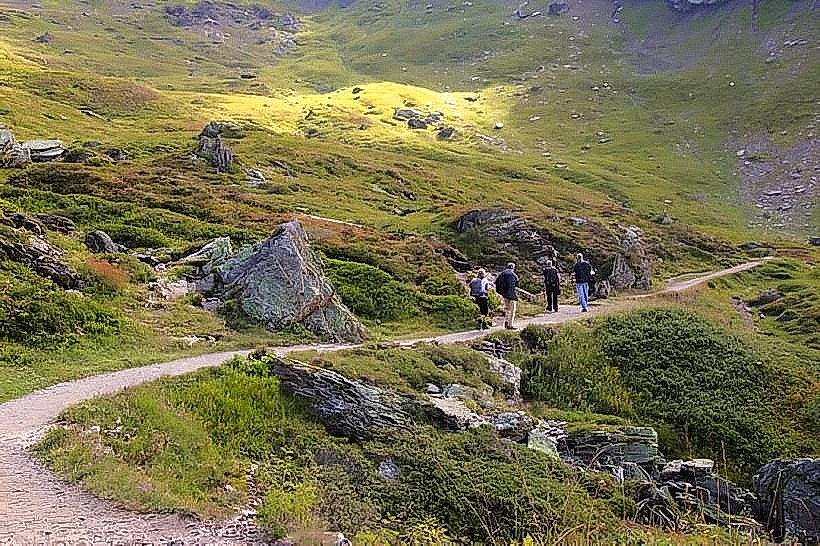
Observation of agricultural practices. Photography of the landscape during the flowering season (typically late summer/early autumn). Walking along the unpaved paths between fields. Interaction with local farmers (subject to their availability and willingness).
Infrastructure & Amenities
Restrooms are not available directly within the fields. Shade is minimal, provided only by scattered trees. Cell phone signal (4G/5G) is generally available in the vicinity. Food vendors are not present at the fields; dining options are available in Jakar.
Best Time to Visit
For visual appeal, the period from August to October offers the best chance to see the buckwheat in bloom. Mid-morning to late afternoon provides optimal natural light for photography. The weather is most favorable during the spring (March-May) and autumn (September-November) months, with clear skies and moderate temperatures.
Facts & Legends
A local belief suggests that the specific soil composition and microclimate of Bumthang contribute to the superior quality and distinct flavor of its buckwheat. It is a primary ingredient in traditional Bhutanese dishes like 'Khur-le' (buckwheat pancakes).
Nearby Landmarks
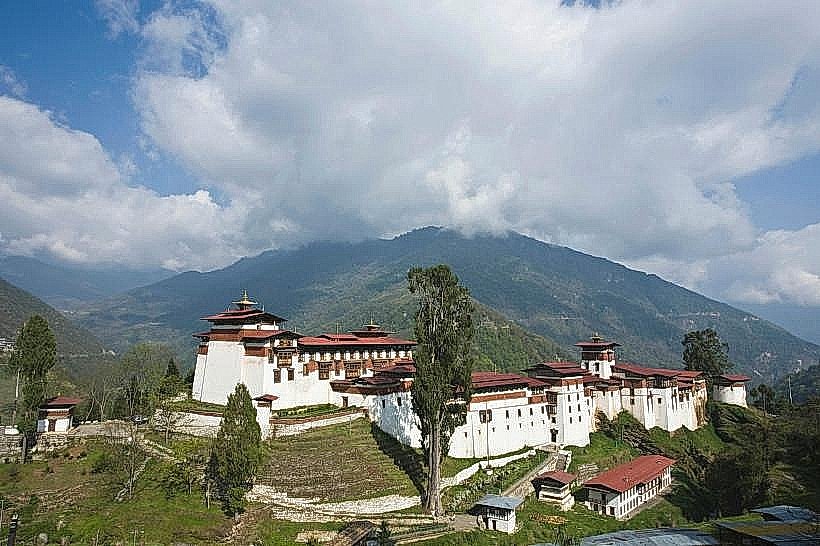
- Jakar Dzong (Fortress) - 7km North
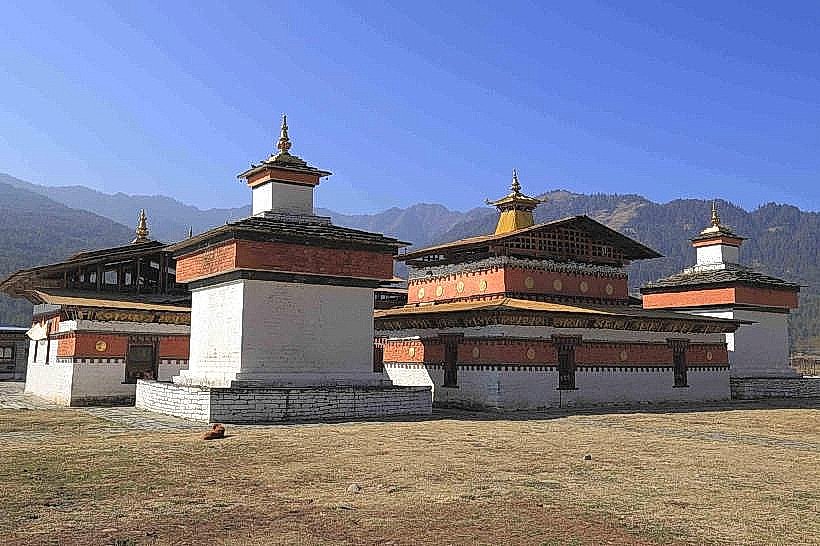
- Kurjey Lhakhang - 9km North
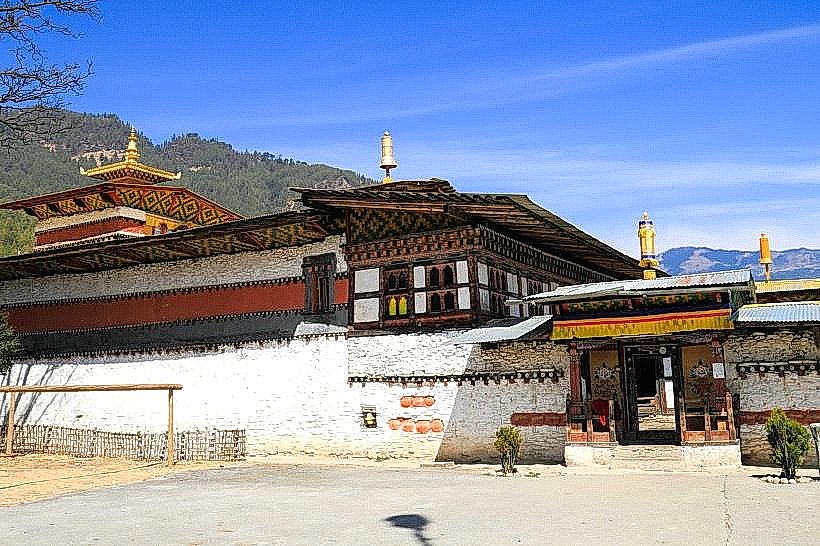
- Tamshing Lhakhang - 8km North
- Mebar Tsho (Burning Lake) - 12km Southeast