Information
Landmark: Mebar Tsho (Burning Lake)City: Bumthang
Country: Bhutan
Continent: Asia
Mebar Tsho (Burning Lake), Bumthang, Bhutan, Asia
Mebar Tsho, also known as the Burning Lake, is a sacred body of water located in Bumthang Valley, Bhutan.
This lake is considered a pilgrimage site for Buddhists and is associated with the tertön (treasure discoverer) Pema Lingpa.
Visual Characteristics
The lake is a small, irregularly shaped body of water with clear, dark blue to green hues depending on light conditions. The surrounding area is characterized by rocky terrain and sparse vegetation, primarily consisting of low-lying shrubs and grasses. Small prayer flags are often seen tied to trees and rocks around the perimeter.
Location & Access Logistics
Mebar Tsho is situated approximately 15 kilometers north of Jakar town in Bumthang. Access is via the Chamkhar River valley road (Route 11). The turn-off to the lake is marked by a small stupa. Parking is available on a gravel area adjacent to the road. From the parking area, a short walk of approximately 50 meters leads to the lake's edge.
Historical & Ecological Origin
The lake's origin is tied to the 15th-century Bhutanese Buddhist saint and tertön, Pema Lingpa. Legend states that Pema Lingpa discovered religious treasures hidden in the lake by diving into its waters with a lit butter lamp. The "burning" aspect refers to this event. Ecologically, it is a natural depression filled with water from subterranean sources and surface runoff.
Key Highlights & Activities
Visitors can observe the lake and its surroundings. Prayer flags are a prominent feature. Small offerings, such as coins and prayer beads, are sometimes left by visitors. The primary activity is quiet contemplation and observation of the site's spiritual significance.
Infrastructure & Amenities
There are no formal facilities at Mebar Tsho. Restrooms are not available. Shade is minimal, provided only by scattered trees. Cell phone signal is generally weak to non-existent. No food vendors are present at the immediate site; food options are available in Jakar town.
Best Time to Visit
The best time of day for photography is mid-morning or late afternoon when the sun angle provides adequate light without harsh shadows. The dry season, from October to March, offers the most stable weather conditions. There are no tide-related considerations.
Facts & Legends
A local legend recounts that Pema Lingpa, challenged by a local chief to prove his claims of finding treasures, dove into the lake with a lit lamp and emerged with both the lamp still burning and a sacred text. This event solidified the lake's sacred status.
Nearby Landmarks
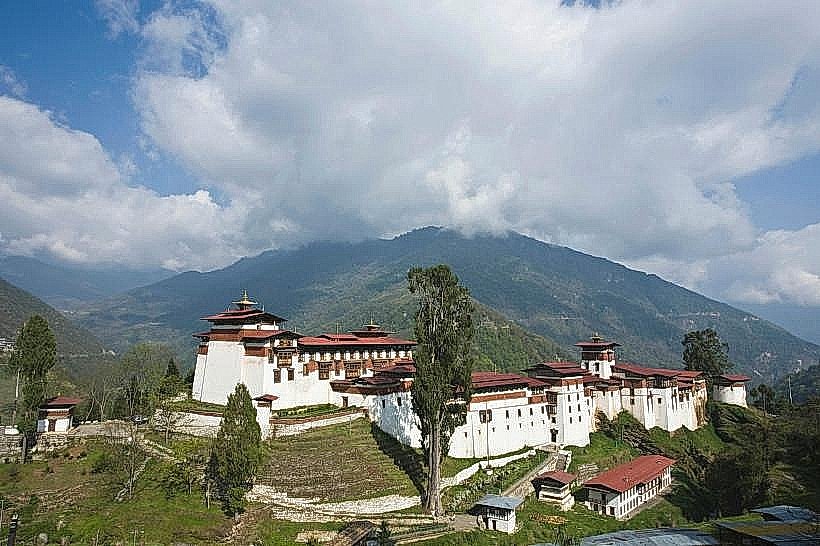
- Jakar Dzong (0.8km South)
- Jakar Monastery (1.2km South)
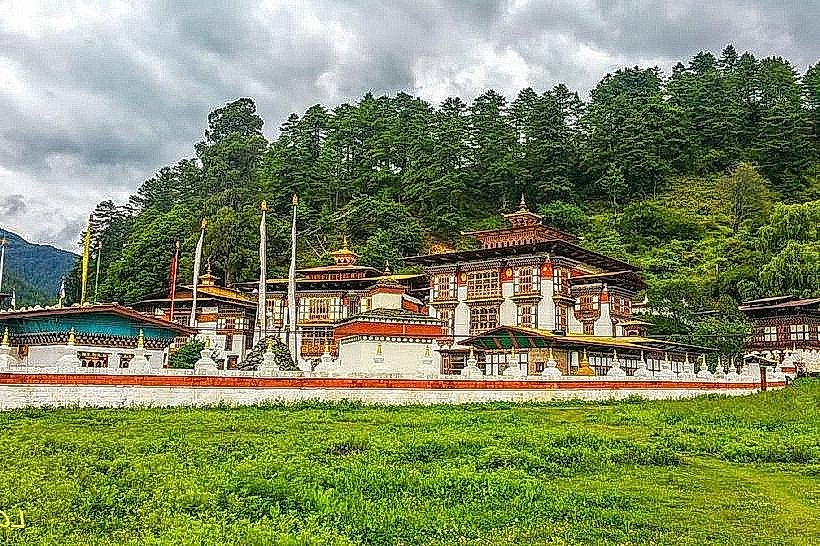
- Kurjey Lhakhang (3.5km South)
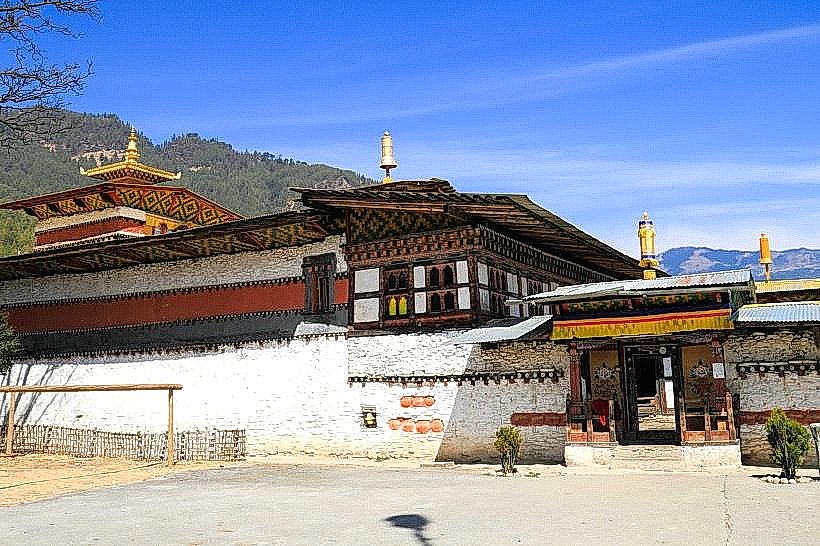
- Tamshing Lhakhang (4.1km South)