Information
City: DortmundCountry: Germany
Continent: Europe
Dortmund, Germany, Europe
Dortmund is the largest city in the Ruhr district of North Rhine-Westphalia. Historically a center for coal and steel, it has transitioned into a hub for insurance, retail, and biotechnology. It is home to Borussia Dortmund (BVB), one of Europe’s highest-density football cultures.
Visual Characteristics
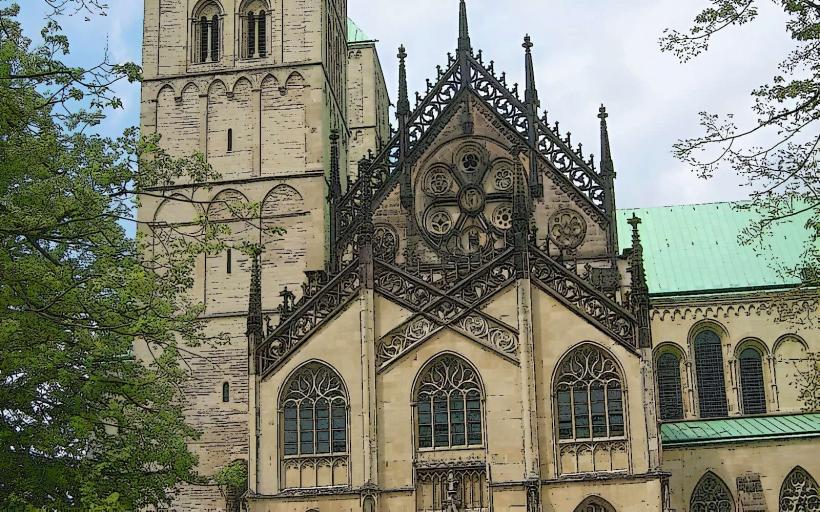
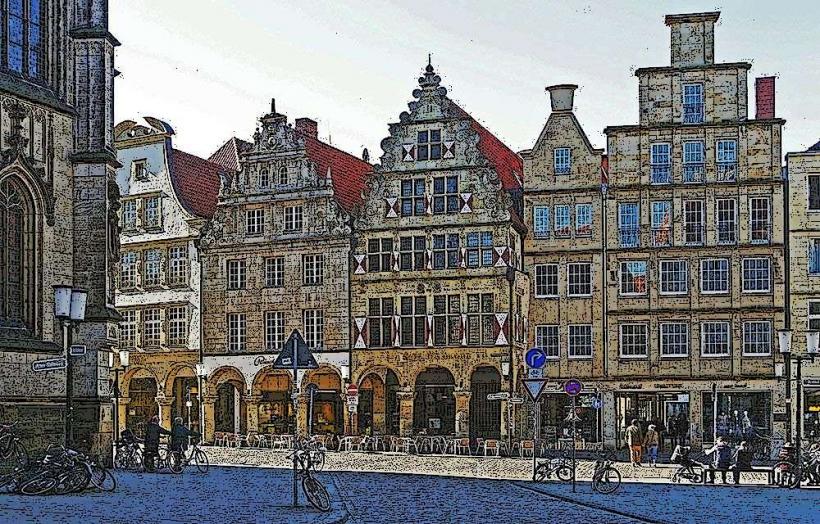
The urban landscape is defined by industrial heritage structures repurposed for cultural use, notably the Dortmunder U, a former brewery tower with a large illuminated "U" on its crown. The skyline features the Reinoldikirche and the Florianturm, a 209-meter telecommunications tower. Architecture is a mix of post-war functionalism and modern glass-and-steel developments like the Phoenix See. Green spaces, including Westfalenpark, occupy approximately 50% of the city area.
Location & Access Logistics
Dortmund is situated in the eastern Ruhr area. It is served by Dortmund Airport (DTM), 10 kilometers east. Dortmund Hauptbahnhof is a major rail node providing high-speed ICE and IC connections to Berlin, Cologne, and Hamburg. The DSW21 transit network operates an integrated Stadtbahn (light rail) and bus system. Vehicle access is via the A1, A2, A40, and A45 motorways. Public parking is concentrated in large multi-story lots at the Hansaplatz and the Thier-Galerie.
Historical & Ecological Origin
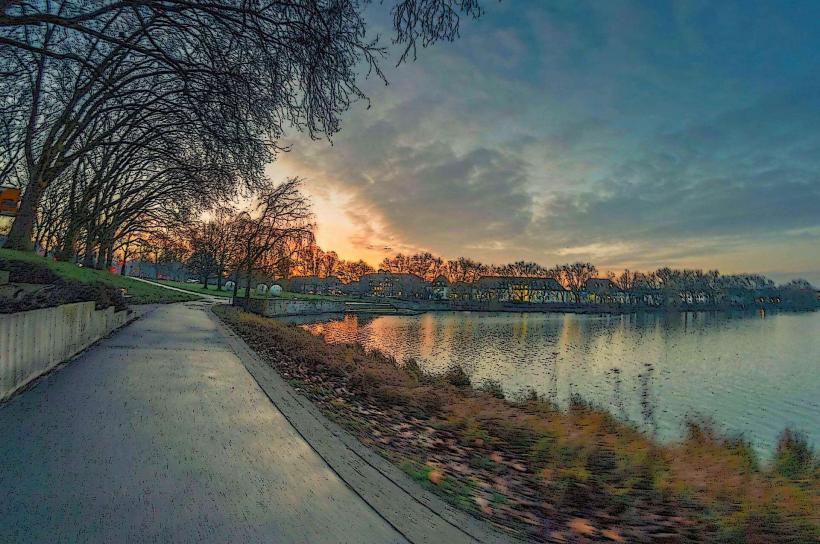
Founded around 882 CE, Dortmund was a Free Imperial City and a member of the Hanseatic League. Geologically, it sits above the coal-bearing strata of the Ruhr basin, which drove its 19th-century industrialization. The city's ecology was transformed by the closure of heavy industry; the former Hermannshütte steelworks site was excavated to create the Phoenix See, a 24-hectare artificial lake that has altered the local microclimate and biodiversity.
Key Highlights & Activities
Signal Iduna Park, Germany’s largest stadium, is a primary destination for sports culture. The German Football Museum, located opposite the central station, documents national sports history. The Zollern Colliery (Zeche Zollern) is an "industrial palace" featuring Art Nouveau brickwork and a museum of mining history. Westfalenpark contains the German Rosarium, holding one of the world's largest collections of rose species. The Dortmunder U houses the Museum Ostwall for 20th and 21st-century art.
Infrastructure & Amenities
The city center is equipped with public restrooms in the Thier-Galerie and near the Reinoldikirche. 5G cellular coverage is universal. The "Metropolradruhr" bike-sharing system is integrated into the regional transit network. Retail density is among the highest in Germany along the Westenhellweg. Dining is concentrated in the Kreuzviertel district and around the Alter Markt, specializing in regional Westphalian dishes and "Stößchen" (small beers).
Best Time to Visit
The climate is temperate oceanic. May through September is optimal for visiting parks and the Phoenix See, with temperatures between 18°C and 24°C. The Dortmund Christmas Market features one of the world’s tallest Christmas trees. Photography of the Dortmunder U is best at night when its digital installations are active. Match days create high-density pedestrian traffic and impacted transit schedules near the stadium.
Facts & Legends
Dortmund was once known as the "Beer Capital" of Europe due to its high volume of exports. A local historical oddity: the city has a high density of "Flying Rhinos" (statues with wings), which became the city's mascot after the inauguration of the local concert hall. Legend holds that the "Adlerapotheke" (Eagle Pharmacy) is one of the oldest in Germany, having operated continuously since the 14th century, surviving the city's near-total destruction in 1945.
Nearby Landmarks
Reinoldikirche: Central hub
Dortmunder U: 0.8km West of center
German Football Museum: 0.1km North of center
Signal Iduna Park: 3.0km South
Phoenix See: 4.0km Southeast