Information
City: FrederickCountry: USA Maryland
Continent: North America
Frederick, USA Maryland, North America
Frederick is an independent city and the seat of Frederick County, situated at the junction of the Blue Ridge Mountains and the Piedmont region. It is defined by its role as a major Civil War crossroads, its meticulously preserved 18th and 19th-century "Clustered Spires" skyline, and its contemporary status as a hub for the global bioscience and medical research industries.
Historical Timeline
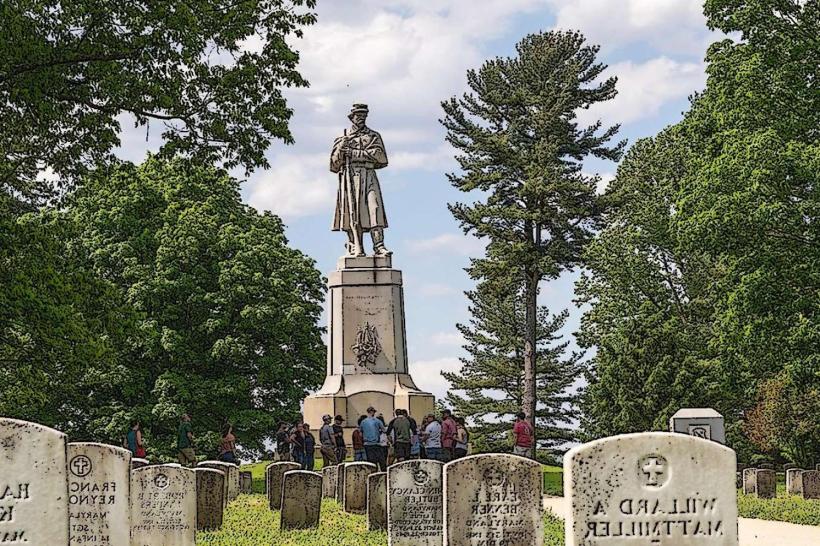
Inhabited by the Susquehannock and Piscataway peoples. Primary governance eras include its 1745 founding by German settlers and its 1817 incorporation as a city. A critical historical event was the 1864 Battle of Monocacy ("The Battle That Saved Washington"), fought just south of the city. During the Civil War, Frederick served as a massive hospital center for both Union and Confederate wounded following the battles of Antietam and South Mountain. The late 20th century saw the transition of Fort Detrick into a premier biological research center, while the 21st century has been characterized by the revitalization of Carroll Creek Park and a booming culinary scene.
Demographics & Population
The population is approximately 80,000. The demographics are White (55%), Black or African American (20%), Hispanic or Latino (16%), and Asian (6%). The economy is driven by high-level biotechnology (Fort Detrick, National Cancer Institute), healthcare, and professional services supporting the Washington-Baltimore corridor.
Urban Layout & Key Districts
Frederick is organized around a highly walkable historic downtown grid surrounded by rapid suburban expansion.
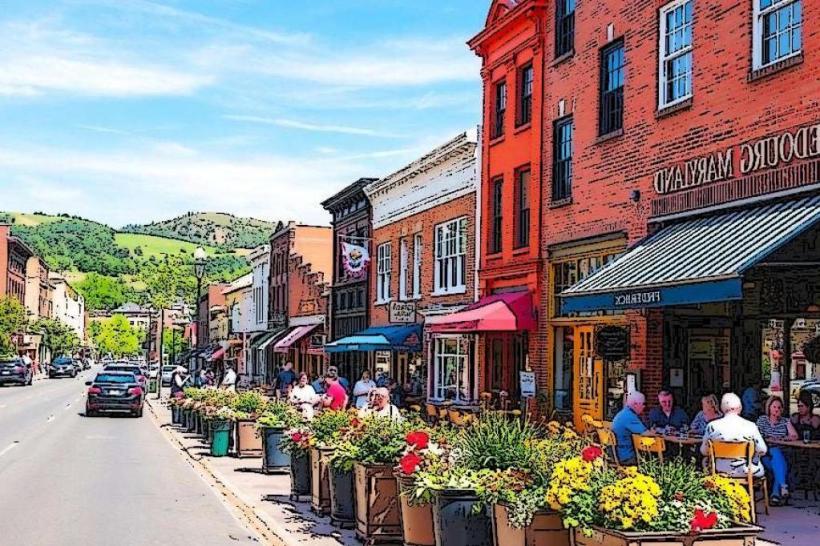
Downtown Historic District: A 50-block area featuring the "Clustered Spires," boutique retail, and a high density of 18th-century brick architecture.
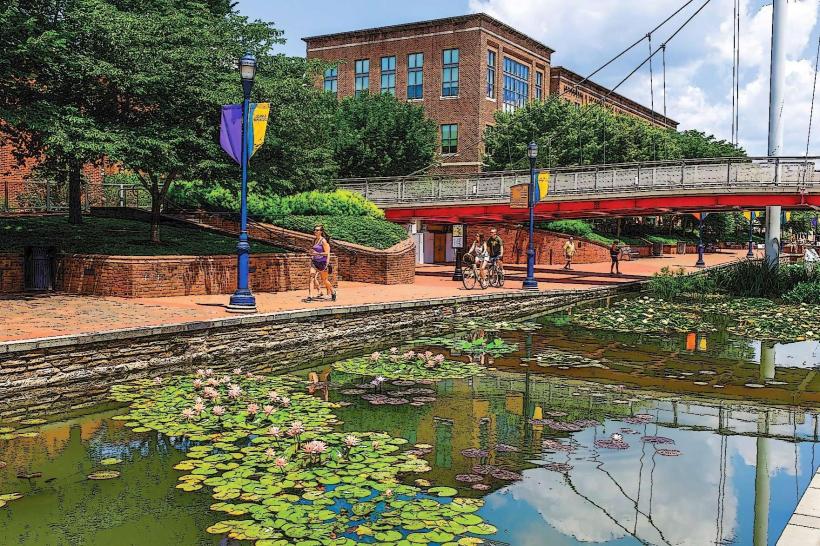
Carroll Creek Park: A world-class linear park and flood-control project featuring bridges, water gardens, and outdoor dining.
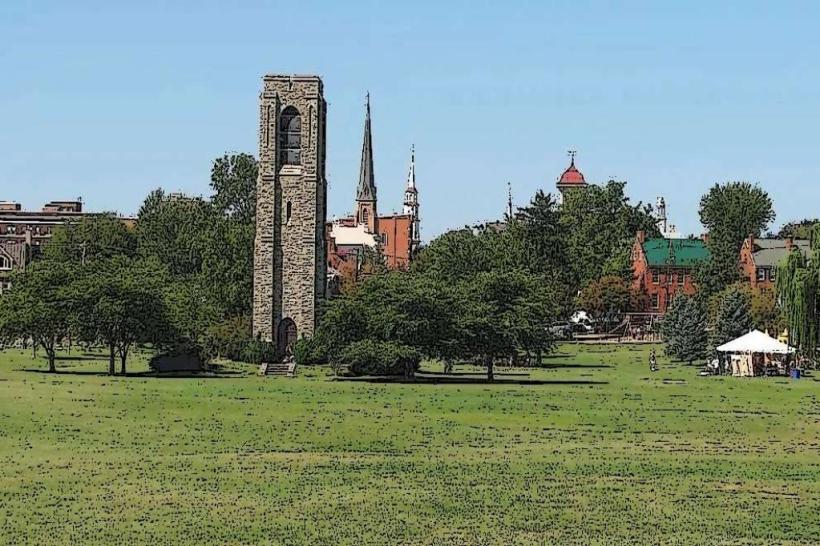
Baker Park: A 58-acre recreational anchor on the western edge of downtown featuring a lake, bandstand, and carillon.
Golden Mile: A primary commercial retail corridor on US-40 featuring international grocery stores and national chains.
East End: An emerging district featuring historic industrial spaces repurposed into craft breweries and creative studios.
Top City Landmarks
National Museum of Civil War Medicine: Located in a historic furniture store that served as a terminal for wounded soldiers; it documents the birth of modern triage.
The Clustered Spires: The iconic steeples of the city's historic churches (All Saints, Trinity, St. John’s, and Evangelical Reformed).
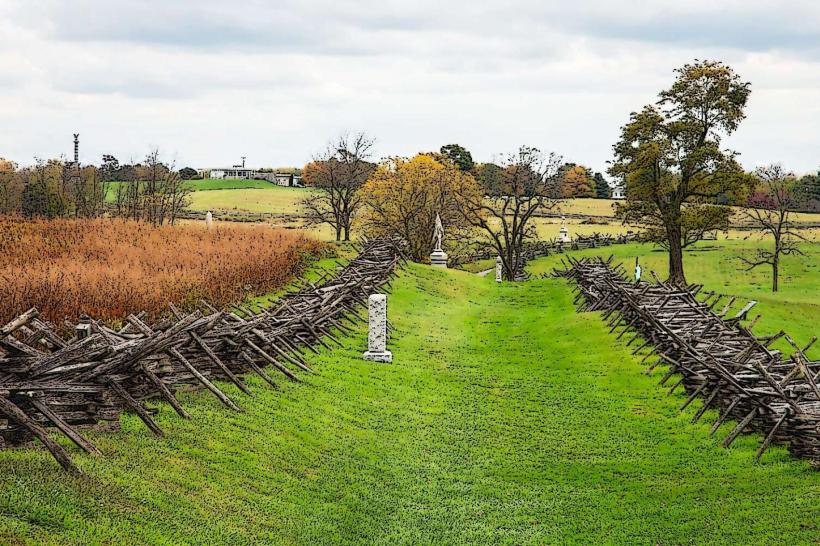
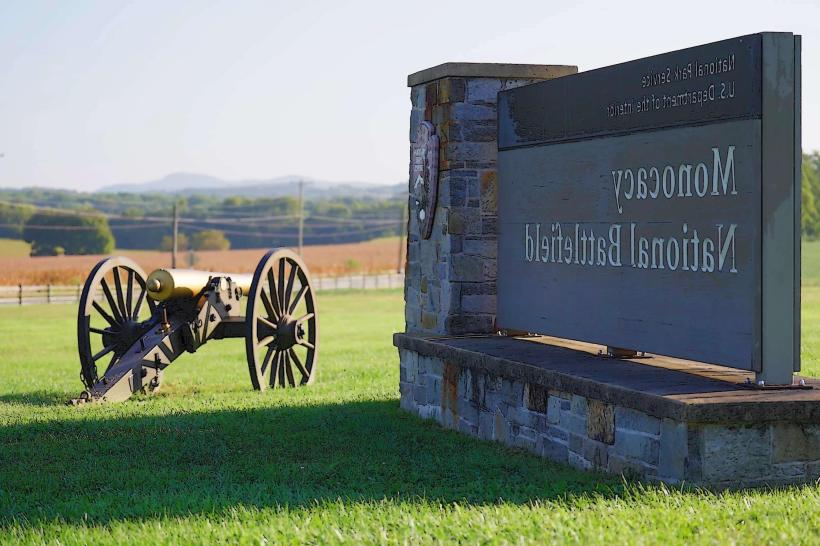
Monocacy National Battlefield: Site of the 1864 conflict, featuring preserved farmsteads and miles of hiking trails.
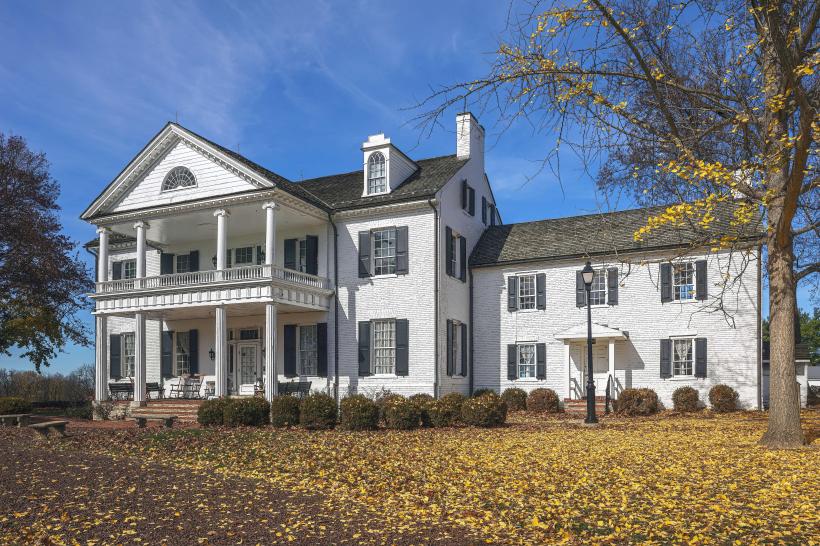
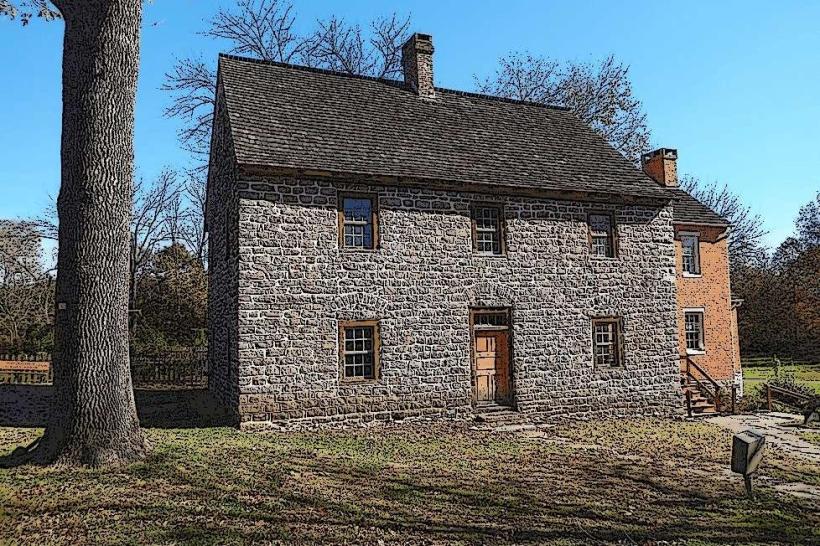
Schifferstadt Architectural Museum: One of the oldest and best-preserved examples of German colonial architecture in the U.S. (built 1758).
Community Bridge (Mural Bridge): A "trompe l'oeil" masterpiece at Carroll Creek where the entire structure is covered in hyper-realistic murals.
Fort Detrick: A major U.S. Army Medical Command installation and center for the U.S. biological defense program.
Transportation Network
Movement is highly walkable within the historic core but automotive-dependent elsewhere. Public transit is serviced by the TransIT bus system and the MARC Train (Brunswick Line), which provides commuter access to Washington, D.C. The city is a major junction for I-70, I-270, and US-15. Commercial air service is via Dulles International (IAD), 75 km south, or BWI, 80 km east. Traffic density is high on I-270 during peak commutes.
Safety & "Red Zones"
The general safety level is high. Property crime and minor narcotics issues are the primary concerns. Caution is advised at night in specific blocks of the Golden Mile and certain high-density residential areas north of the historic core due to localized property crime. There are no officially designated "red zones." Environmental hazards include seasonal flash flooding along Carroll Creek (mitigated by the park design) and high summer humidity.
Digital & Financial Infrastructure
Internet speeds average 500+ Mbps with fiber availability via Xfinity and Glo Fiber. Main mobile carriers are Verizon and AT&T. Card acceptance is universal. ATMs are concentrated on Market and Patrick Streets.
Climate & Air Quality
Temperatures range from -3°C to 6°C in winter and 20°C to 31°C in summer. The location at the foot of the Catoctin Mountains can result in rapid weather shifts and heavy winter snowfall. Air quality is high.
Culture & Social Norms
The standard tipping percentage is 20–25%. A polite "Small-Town-Professional" greeting is standard. Dress codes are "Upscale-Casual" or "Academic." The city is culturally defined by its "Antique Capital" reputation, its deep Civil War heritage, and its identity as a sophisticated "Exurb" of the capital.
Accommodation Zones
Downtown / Historic District: Recommended for boutique hotels and walkable access to Carroll Creek and dining.
Buckeystown Pike (I-270/SR-85): Recommended for national hotel chains and suburban retail access.
Local Cost Index
1 Espresso: $4.50 (USD)
1 Standard Lunch: $18.00 (USD)
1 Civil War Medicine Museum Ticket: $10.00.
Nearby Day Trips
Gettysburg, PA: (50 km north; site of the pivotal Civil War battle).
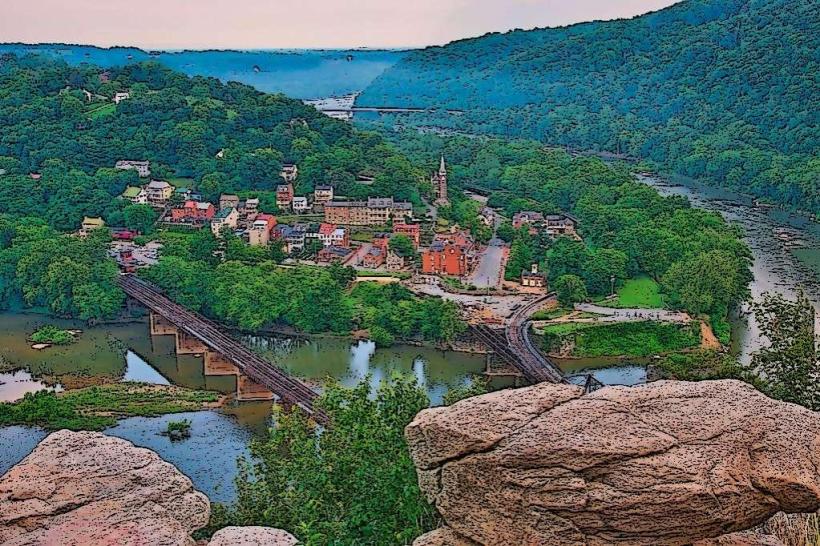
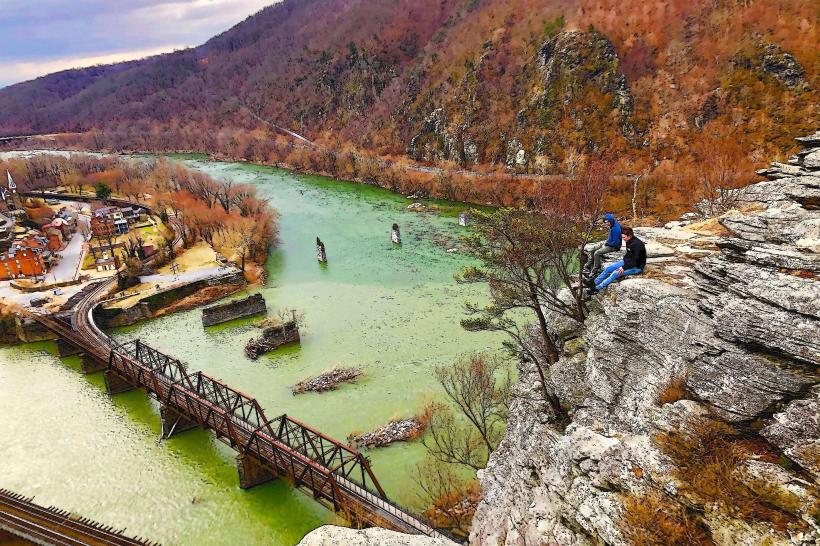
Harper’s Ferry, WV: (35 km west; historic mountain town and national park).
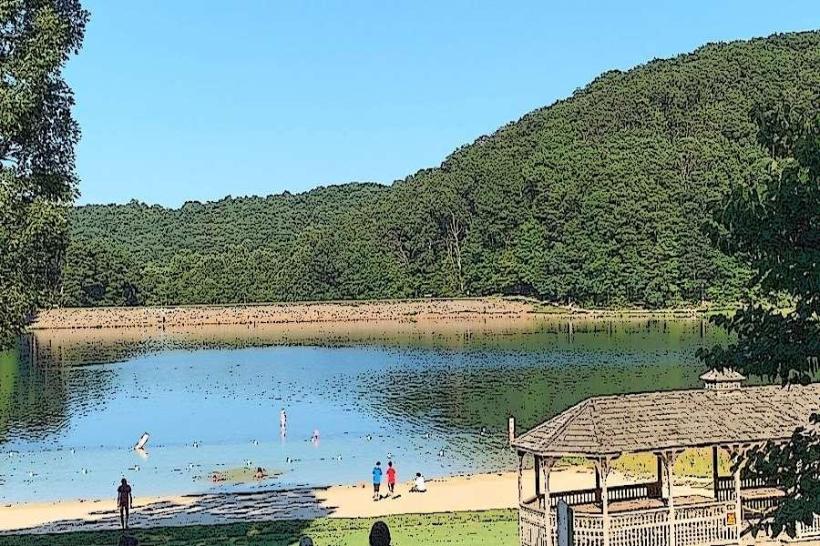
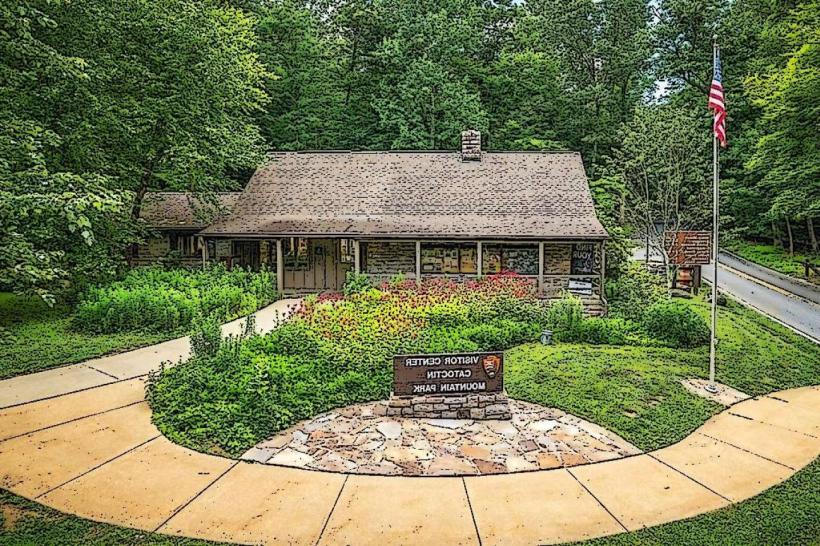
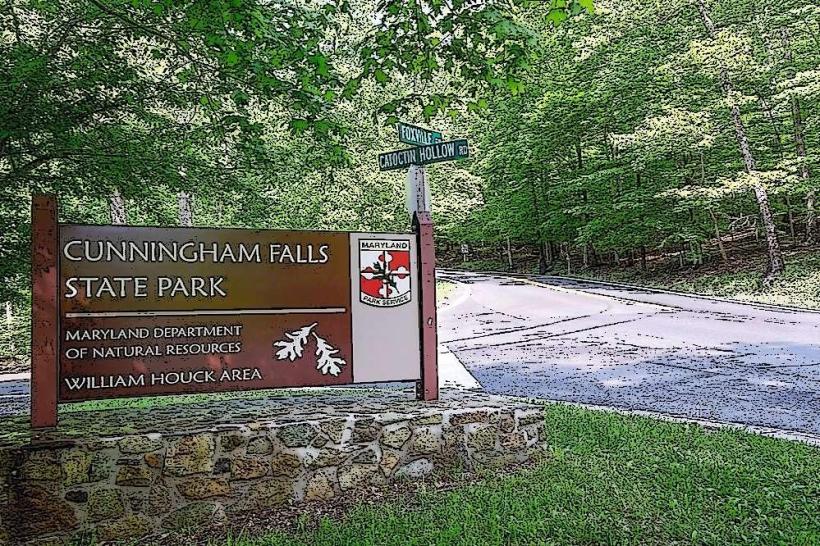
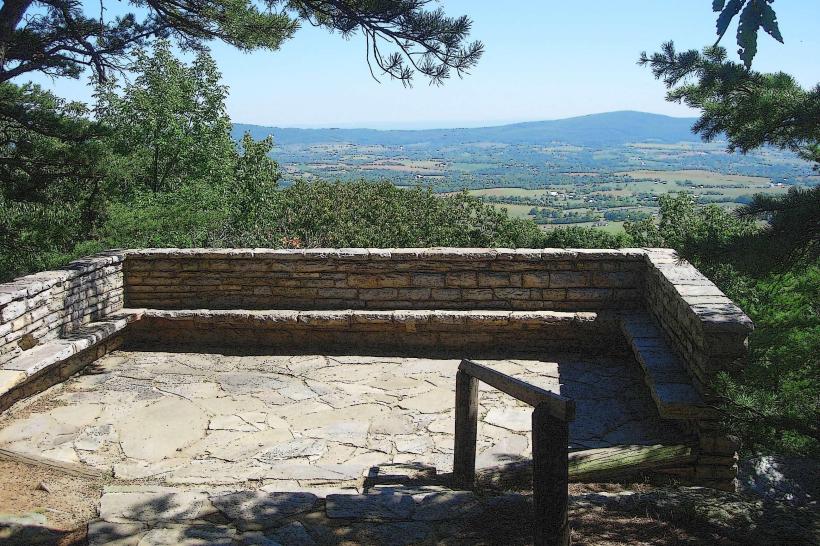
Cunningham Falls State Park: (25 km north; featuring Maryland’s largest cascading waterfall).
Facts & Legends
Frederick was the first city in the U.S. to pay a ransom ($200,000) to Confederate General Jubal Early to prevent its destruction (1864). Historically, it was the home of Francis Scott Key, author of the "Star-Spangled Banner." A local legend involves Barbara Fritchie, the 95-year-old woman who allegedly taunted Stonewall Jackson by waving the Union flag. Another legend concerns the "Snallygaster," a mythical bird-reptile hybrid said to inhabit the nearby mountains since the 18th century.