Information
City: KandyCountry: Sri Lanka
Continent: Asia
Kandy, Sri Lanka, Asia
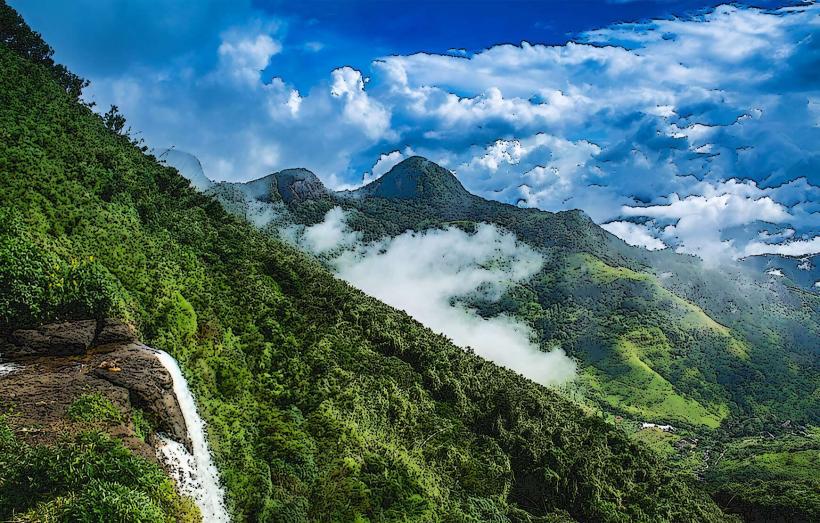
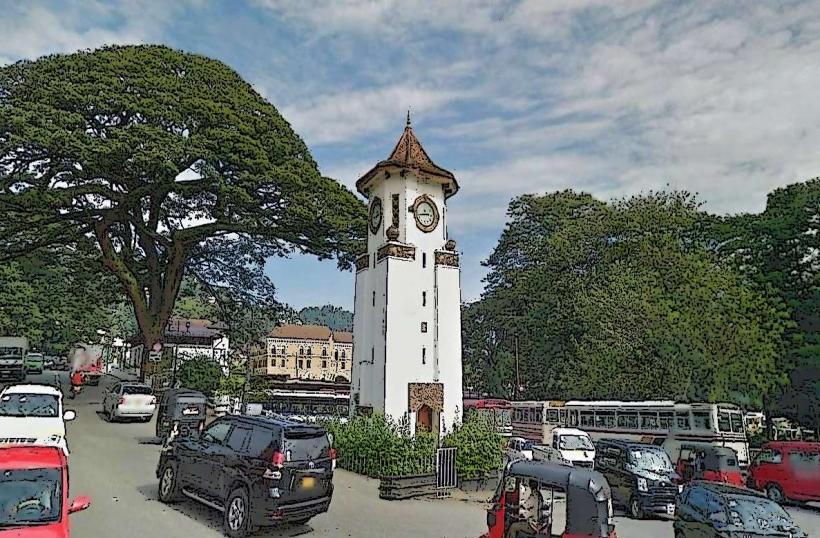
Kandy serves as the cultural and religious capital of Sri Lanka, situated in the mountainous interior of the Central Province. It was the last capital of the ancient kings' era and is a UNESCO World Heritage site.
Historical Timeline
Founded in the 14th century, Kandy became the capital of the Kingdom of Kandy in 1592. Due to its mountainous terrain, it successfully resisted Portuguese and Dutch colonization for centuries. It finally fell to the British in 1815 via the Kandyan Convention. The city is defined by its role as the protector of the Relic of the tooth of the Buddha, which has historically symbolized the right to rule the island.
Demographics & Population
The city has a population of approximately 125,000. It is a major center for the Sinhalese Buddhist majority, though it maintains significant Tamil and Muslim minorities. The population is characterized by a conservative social fabric deeply tied to traditional Kandyan arts and religious institutions.
Urban Layout & Key Districts
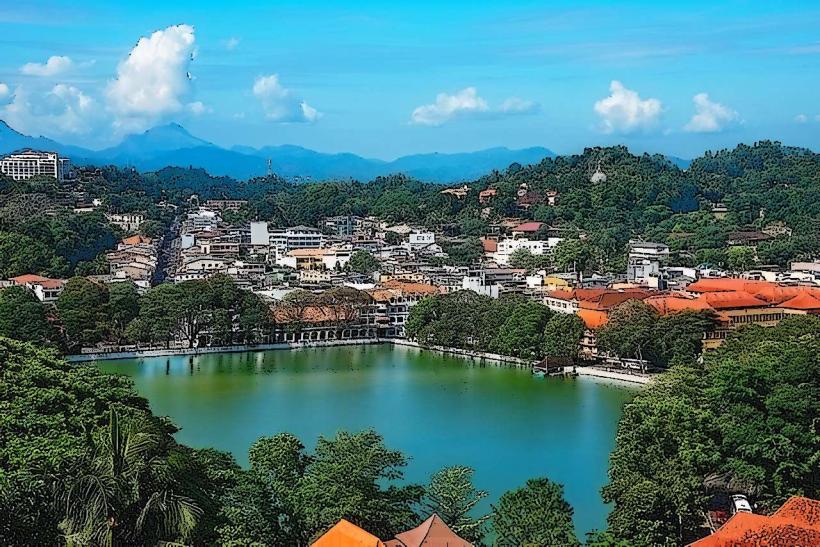
Kandy is built around a central man-made lake and is constrained by steep hills.
City Center: The high-density commercial zone surrounding the main bus station and railway terminal.
Kandy Lake (Bogambara Lake): The aesthetic heart of the city, created in 1807 by King Sri Wickrama Rajasinghe.
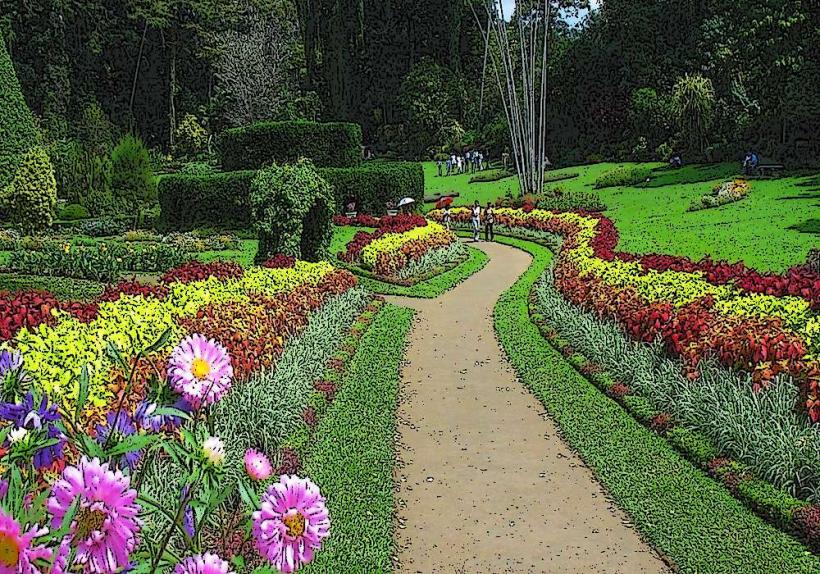
Peradeniya: A western suburb housing the University of Peradeniya and the Royal Botanical Gardens.
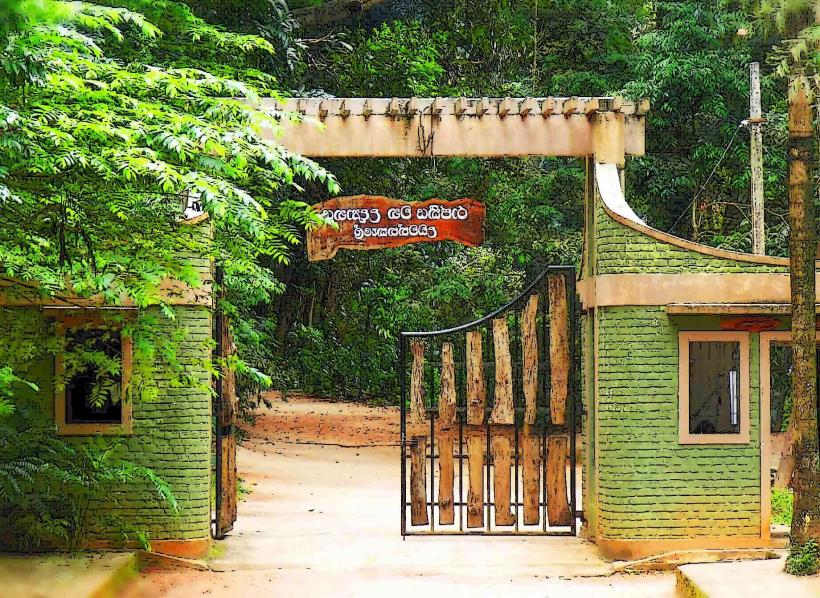
Hantana & Udawattakele: Elevated residential and forested areas overlooking the city.
Top Landmarks
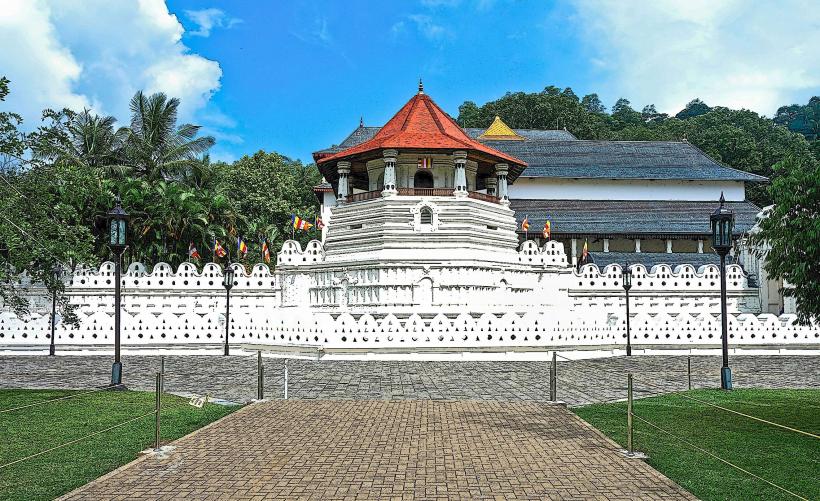
Temple of the Sacred Tooth Relic (Sri Dalada Maligawa): The golden-roofed temple housing Sri Lanka's most important Buddhist relic.
Royal Botanical Gardens, Peradeniya: A 147-acre garden renowned for its collection of orchids and giant bamboo.
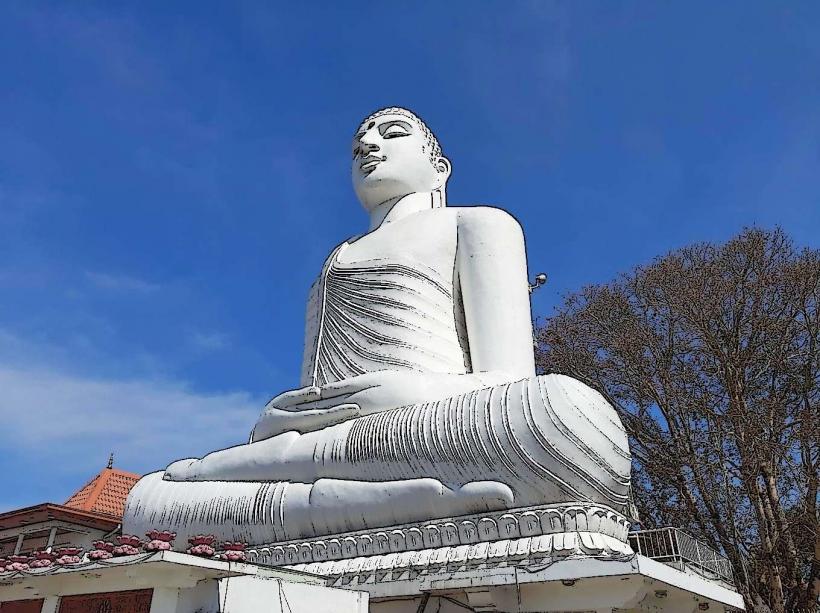
Bahirawakanda Vihara Buddha Statue: A massive white seated Buddha visible from most points in the city.
Kandy Lake Club: A primary venue for traditional Kandyan dance performances.
World Buddhist Museum: Located within the Temple complex, documenting the spread of Buddhism globally.
Transportation Network
Rail: The Kandy Railway Station is a major stop on the Main Line; the segment from Kandy to Ella is considered one of the world's most scenic train rides.
Road: Connected to Colombo via the A1 highway and the newly developing Central Expressway. Traffic congestion within the city's narrow streets is severe.
Public Transit: Buses are the primary mode of regional travel. Three-wheeled "tuk-tuks" are the standard for local transit; use Uber or PickMe for metered rates.
Safety & "Red Zones"
Kandy is generally safer than Colombo regarding violent crime.
Wildlife: Beware of monkeys (macaques) near the Temple and Udawattakele; they are aggressive and known to snatch food and belongings.
Touts: Exercise caution around the lake and temple entrance regarding "guides" offering unofficial tours or "special access."
Walking: Footpaths around the lake are narrow; be vigilant of vehicle traffic.
Digital & Financial Infrastructure
4G/LTE coverage is reliable, though signals can drop in the surrounding valleys. Fiber internet is available in the city center. The currency is the Sri Lankan Rupee (LKR). ATMs are abundant in the city center (Bank of Ceylon, Sampath Bank, Commercial Bank). Cash is essential for temple entrance fees and local markets.
Climate & Air Quality
Tropical rainforest climate. Because of its elevation ($500$ meters), it is cooler and more humid than the coastal plains. Air quality is often poor in the city basin due to heavy diesel exhaust trapped by the surrounding mountains.
Culture & Social Norms
The city is the pinnacle of conservative Sri Lankan culture.
Temple Etiquette: White clothing is preferred. You must remove shoes and hats. Shoulders and legs must be fully covered.
Esala Perahera: A massive 10-day festival (July/August) featuring dozens of elephants and thousands of dancers; it is the city's most significant cultural event.
Alcohol: "Dry" days are strictly enforced on Poya (full moon) days; alcohol is not sold.
Local Cost Index (LKR)
1 Espresso: 600–1,000 LKR
1 Standard Lunch (Rice & Curry): 450–1,200 LKR
1 Tuk-Tuk Ride (within city): 300–500 LKR
Nearby Day Trips
Pinnawala Elephant Orphanage: 1 hour west.
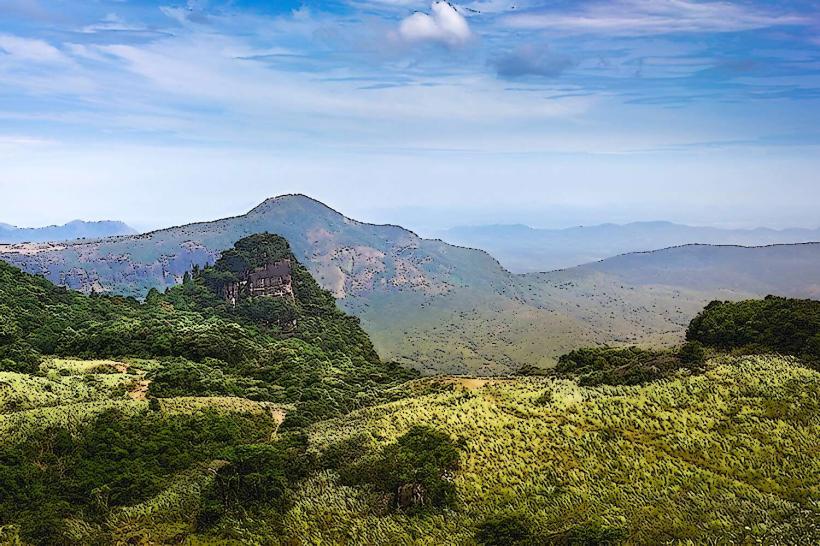
Knuckles Mountain Range: 1.5 hours east for trekking and biodiversity.
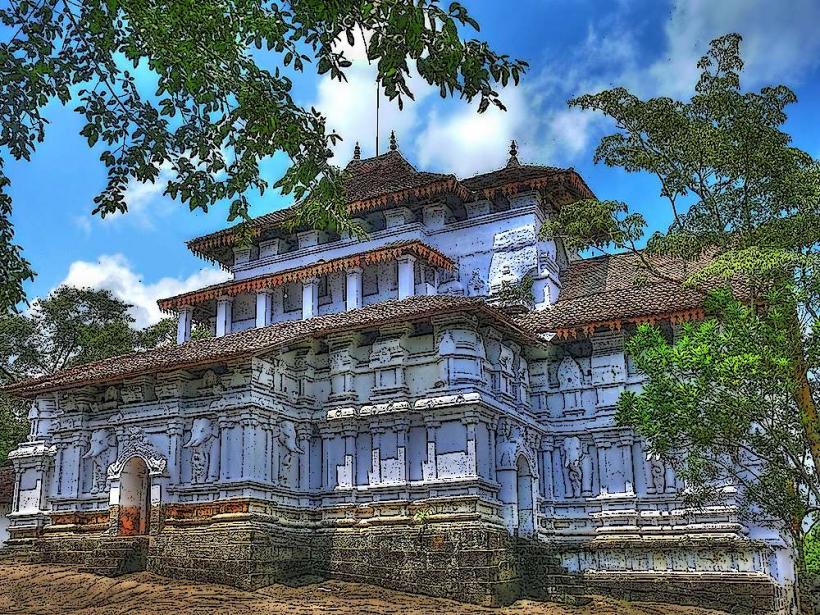
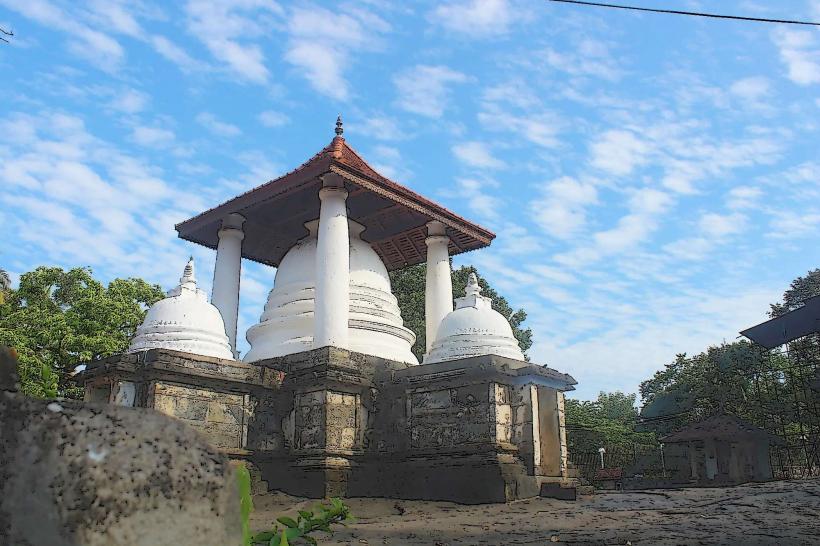
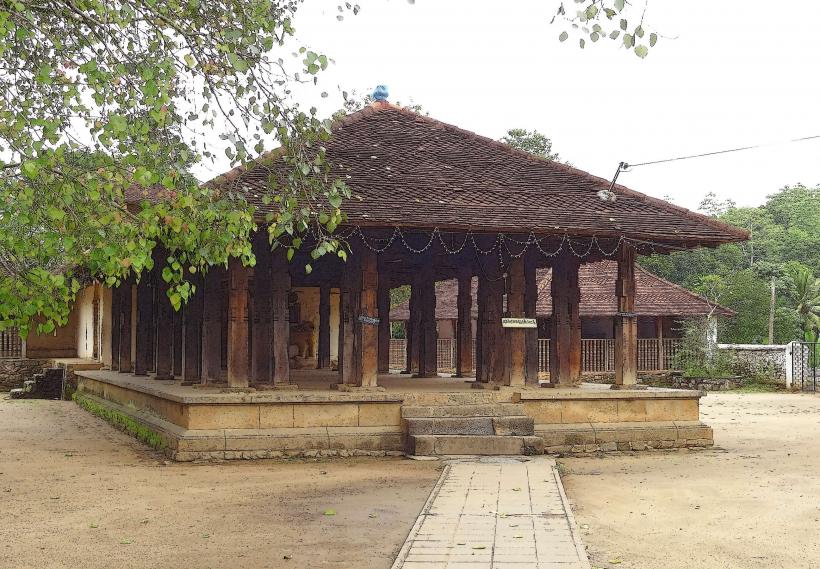
Ambakke & Lankatilaka Temples: 30 minutes south, featuring masterworks of Gampola-era wood carving and architecture.
Facts & Legends
Legend says the city's location was chosen after a king saw a hermit living in a cave where a white rabbit chased a golden jackal, signifying "victorious ground." A geographic fact: Kandy is surrounded by the Mahaweli River, the longest river in Sri Lanka, which acts as a natural moat. Historically, the British only managed to capture the city after discovering a secret path through the mountains revealed by a local traitor.