Information
City: SantiagoCountry: Chile
Continent: South America
Santiago, Chile, South America
Santiago is the capital and largest city of Chile, situated in the Santiago Basin surrounded by the Andes and the Chilean Coastal Range. As of 2026, it serves as the political, financial, and cultural core of the nation.
Historical Timeline
Founded on February 12, 1541, by Pedro de Valdivia as Santiago del Nuevo Extremo, the city was established on a grid plan near Santa Lucía Hill. It was destroyed by indigenous forces led by Michimalonco later that year but rebuilt as the colonial administrative center. In the 19th century, it became the capital of independent Chile (1818) and experienced an economic boom driven by nitrate and copper mining. The 20th century was marked by rapid urbanization and significant political upheaval, including the 1973 military coup led by Augusto Pinochet.
Demographics & Population
The 2026 metropolitan population is estimated at 7.05 million. It is one of the most densely populated urban areas in South America. The demographic is primarily Mestizo, with significant European and increasingly diverse immigrant populations from Venezuela, Haiti, and Peru. Catholicism remains the majority religion (approx. 68%), though secularism is rising.
Urban Layout & Key Districts
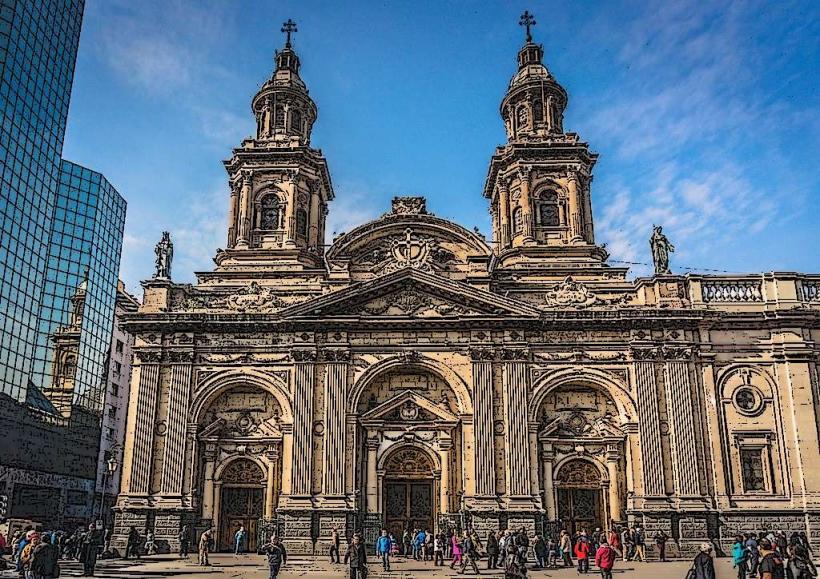
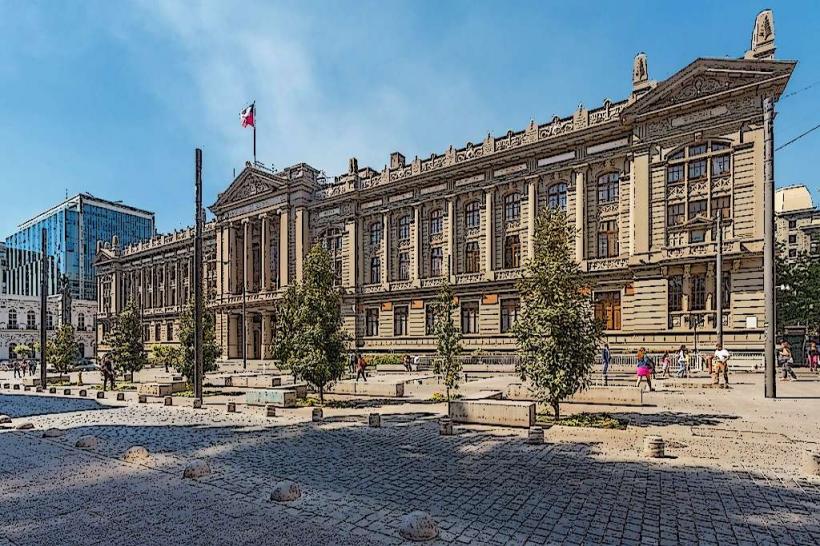
Santiago Centro: The historic core containing the Plaza de Armas and government buildings.
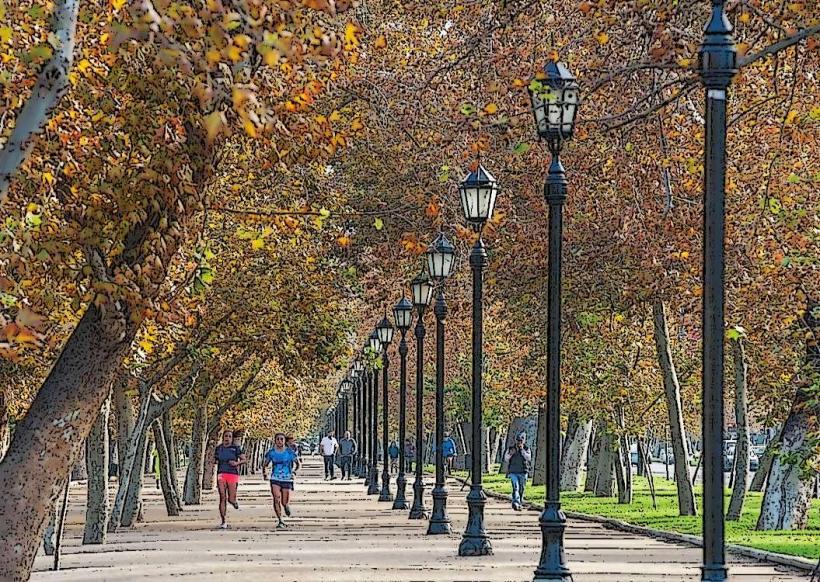
Providencia: A major commercial and residential hub with a mix of high-rise offices and leafy neighborhoods.
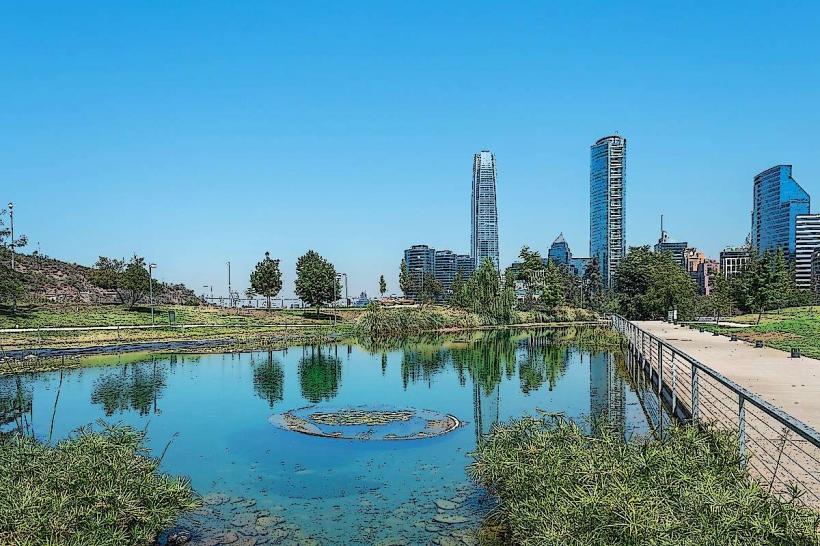
Las Condes & Vitacura: The "Sanhattan" financial district; high-income areas featuring the tallest skyscrapers in South America.
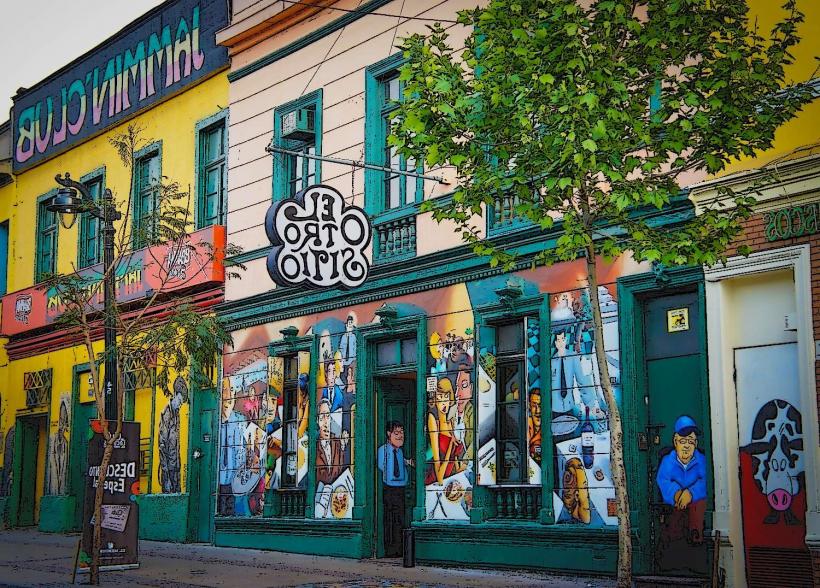
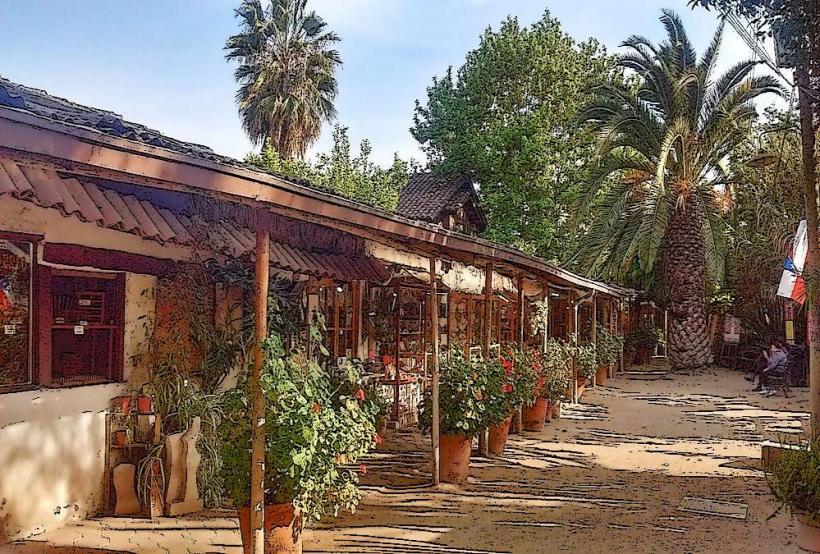
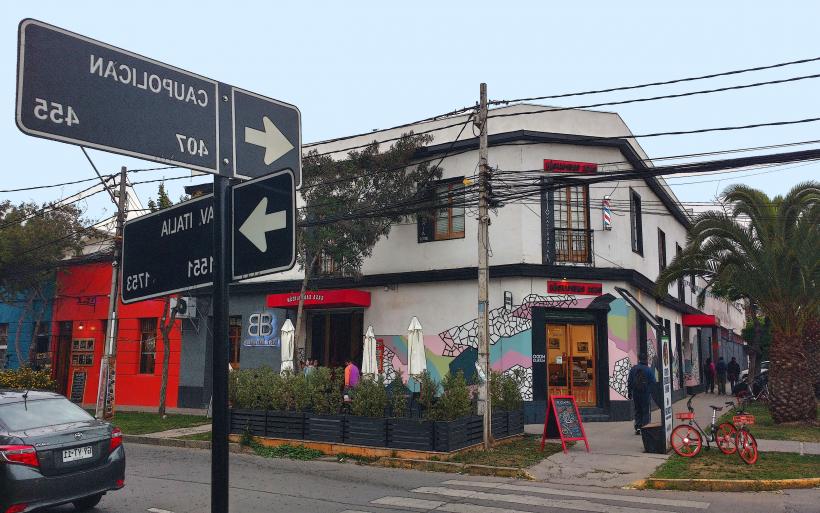
Bellavista: A bohemian quarter known for its nightlife, street art, and cultural centers.
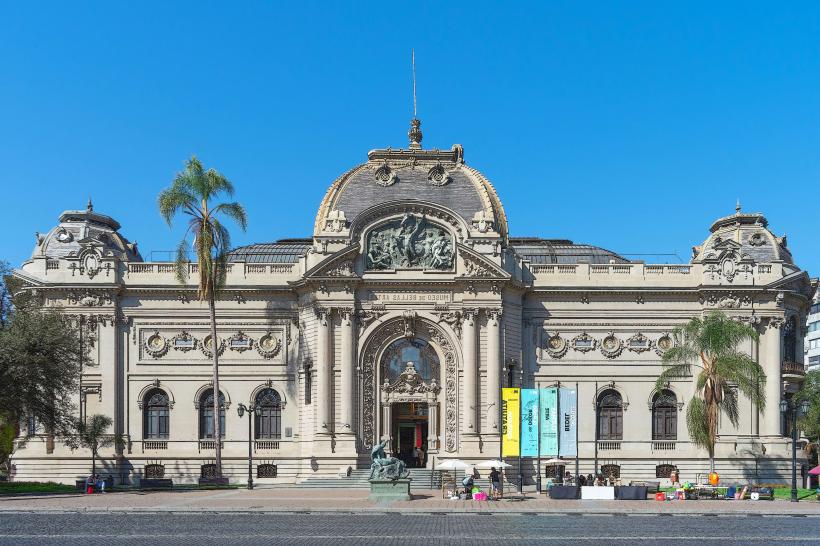
Lastarria & Bellas Artes: Compact, walkable historic neighborhoods favored for their cafes, museums, and architecture.
Top Landmarks
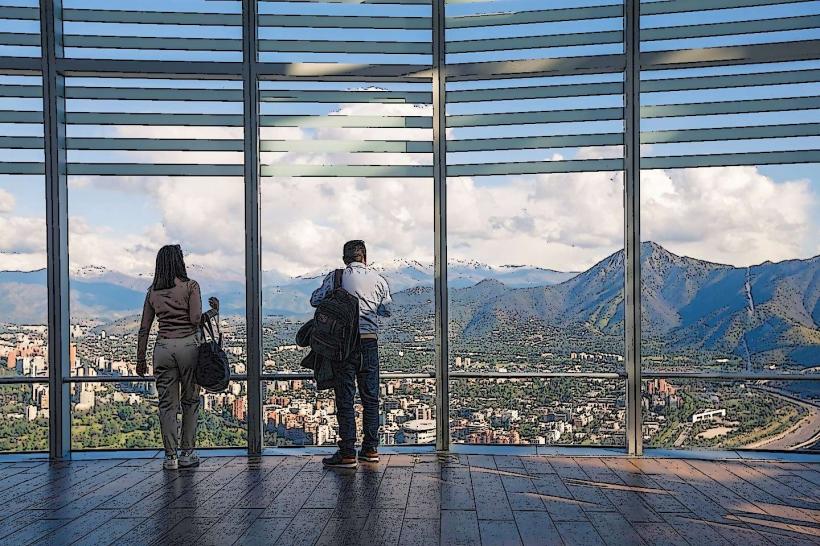
Sky Costanera: The observation deck of the Gran Torre Santiago, the tallest building in South America.
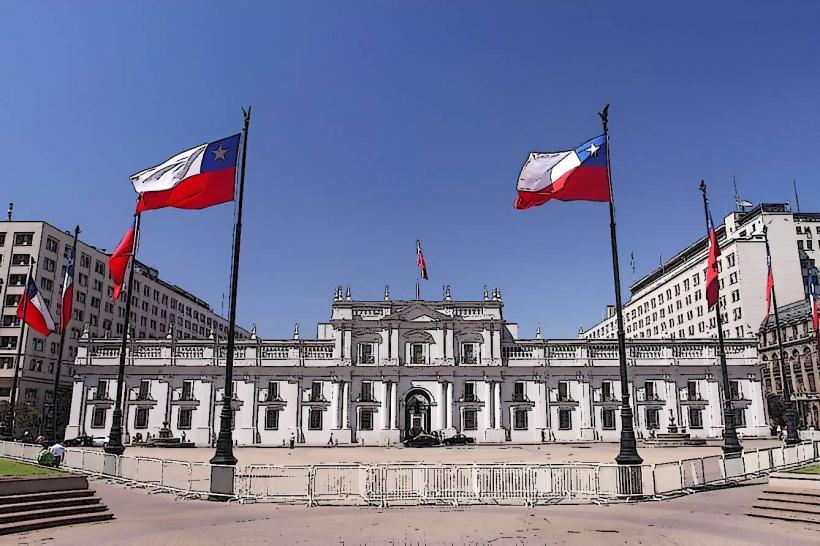
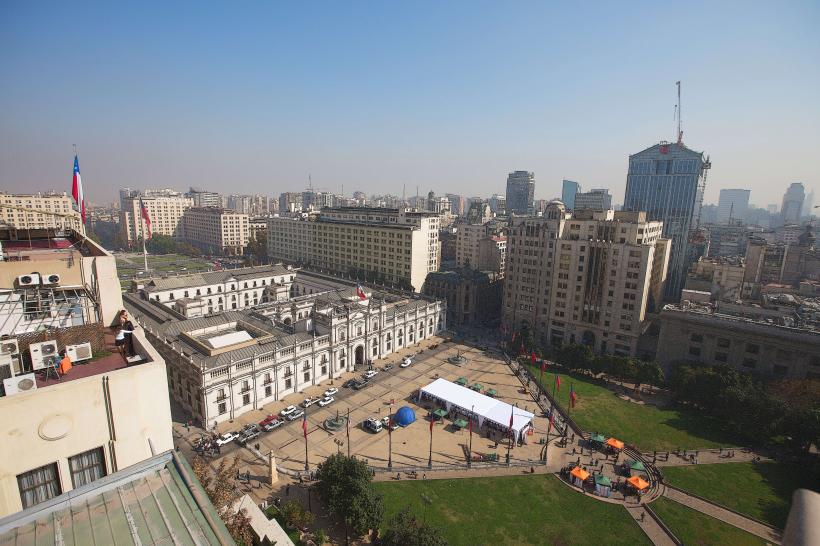
Palacio de La Moneda: The neoclassical presidential palace, a site of immense historical and political significance.
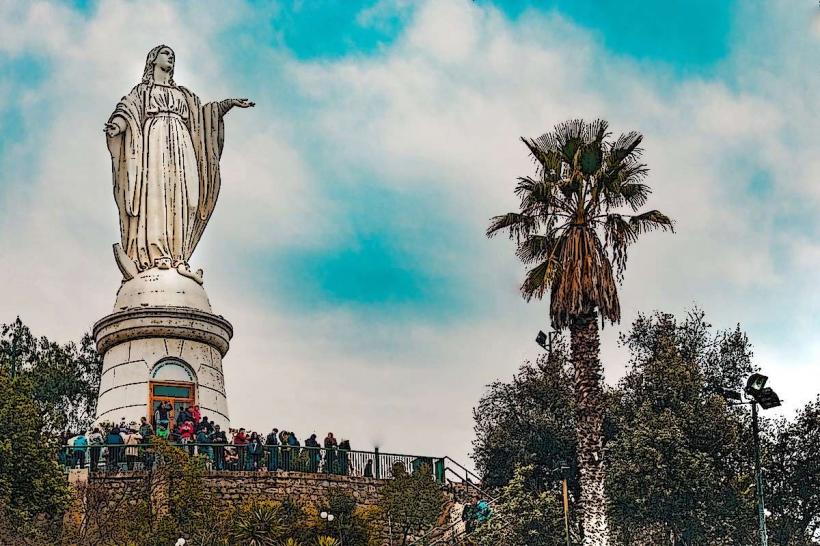
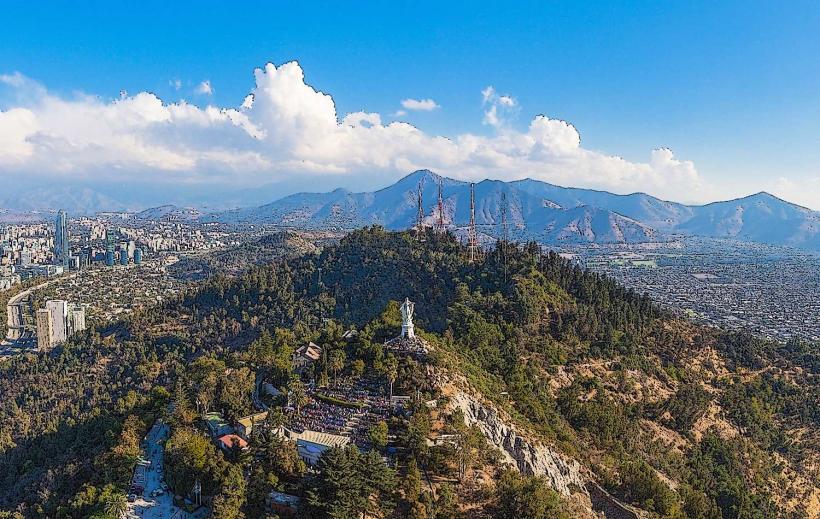
Cerro San Cristóbal: A 300-meter hill within the Metropolitan Park featuring a funicular, cable car, and the Virgin Mary statue.
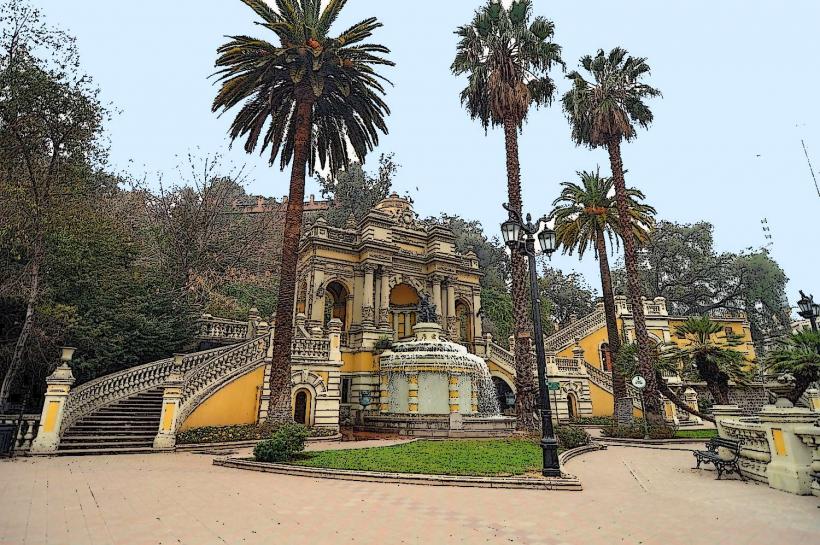
Cerro Santa Lucía: The ornate landscaped hill where the city was officially founded.
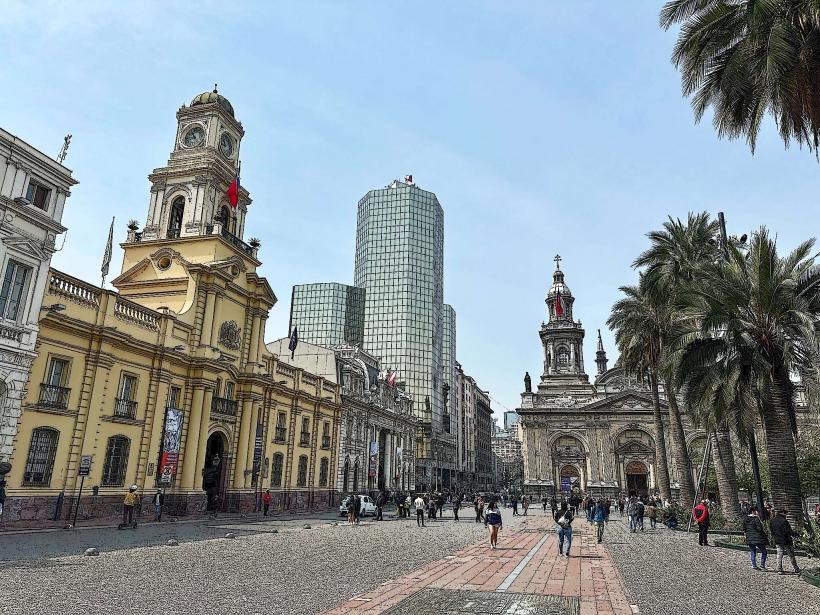
Plaza de Armas: The central square, bordered by the Metropolitan Cathedral and the Central Post Office.
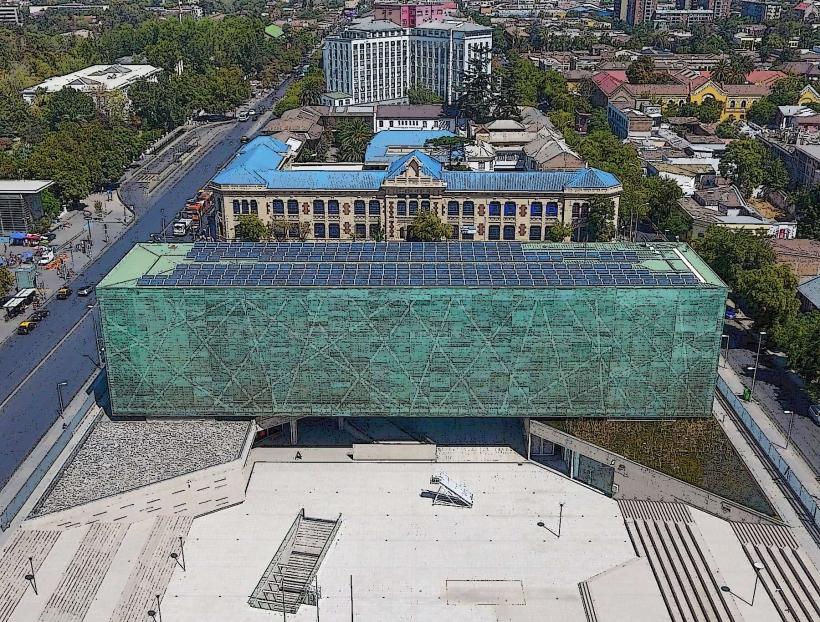
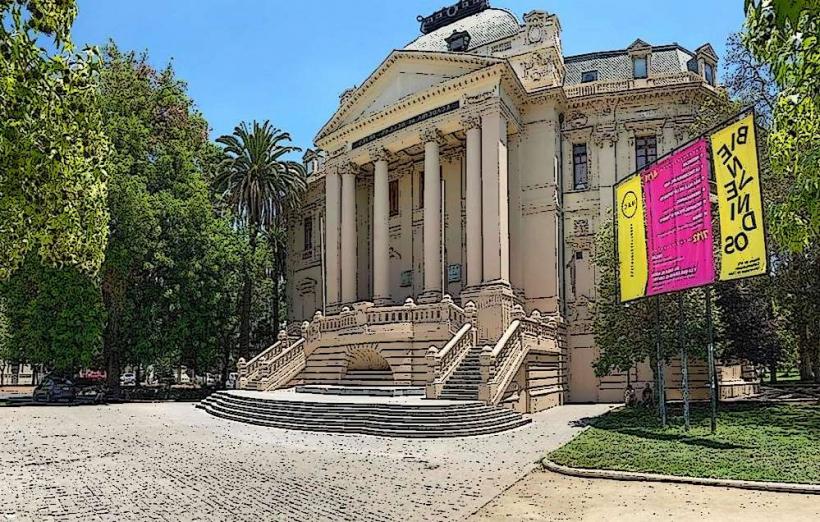
Museum of Pre-Columbian Art: One of the most comprehensive collections of indigenous American artifacts in the world.
Transportation Network
Metro de Santiago: The backbone of city transit, spanning 149 km with 143 stations. Line 2 was recently extended to San Bernardo (2026), and Line 7 is currently under construction (operational 2027/2028).
Air: Arturo Merino Benítez International Airport (SCL) is the primary gateway, located 15 km northwest of the center.
Red Movilidad: The integrated bus system that connects the entire metropolitan area.
International Rail: The Tacna-Arica link remains the primary northern rail connection, while domestic rail connects Santiago to southern regions (Chillán).
Safety & Health
Security: Santiago is generally safe for the region but has high rates of opportunistic theft. Avoid large demonstrations, which occur frequently on dates like March 29, September 11, and October 18.
Environmental Health: Winter (June–August) brings poor air quality due to thermal inversion in the basin. Fire season (January–February) can lead to smoke and visibility issues.
Seismic Risk: Highly active seismic zone; all modern buildings are designed with advanced anti-seismic technology.
Digital & Financial Infrastructure
5G is widely deployed across all major communes. The currency is the Chilean Peso (CLP). The exchange rate in 2026 fluctuates around 900–1,000 CLP per 1 USD. Contactless payment is ubiquitous, including for street vendors and public transit via the Bip! card or QR codes.
Local Cost Index (2026 Estimates)
1 Metro Ride: 800–890 CLP
Mid-range Meal: 15,000–25,000 CLP
Monthly Apartment Rent (1BR Centro): 450,000–600,000 CLP
Daily Budget (Mid-range): $120–$180 USD
Climate & Social Norms
Mediterranean climate with dry, hot summers ($30^\circ\text{C}+$) and cool, damp winters ($3^\circ\text{C}$–$15^\circ\text{C}$). Socially, "Santiaguinos" are formal but polite; punctuality is valued in professional settings but flexible for social gatherings. Teatime (Once) is a significant social tradition typically held between 6:00 PM and 9:00 PM.