Information
Landmark: Parque Metropolitano de SantiagoCity: Santiago
Country: Chile
Continent: South America
Parque Metropolitano de Santiago, Santiago, Chile, South America
Parque Metropolitano de Santiago is a large urban park situated in the city of Santiago, Chile.
It encompasses the San Cristóbal Hill and surrounding areas, offering extensive green space and recreational facilities.
Visual Characteristics
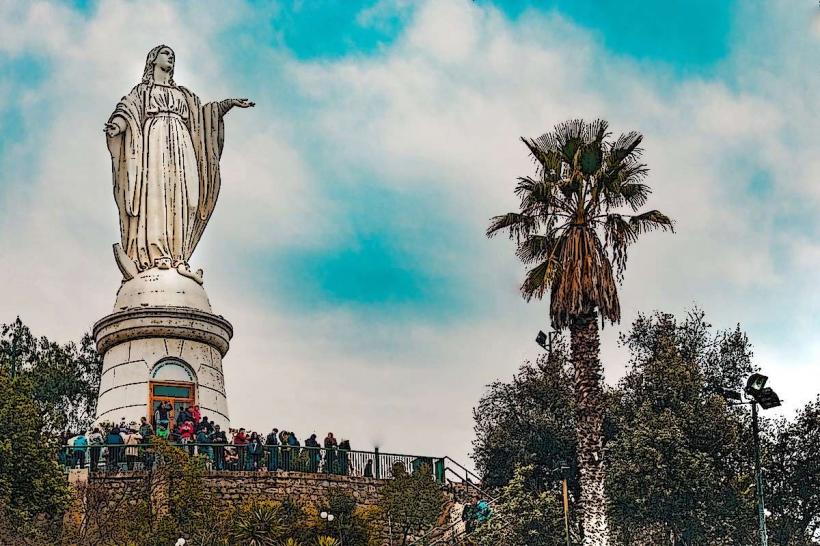
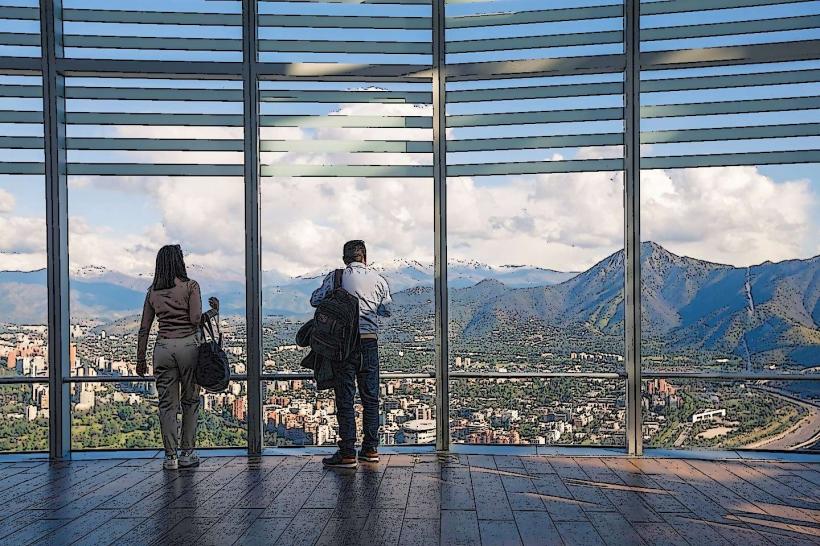
The park's topography is dominated by the prominent San Cristóbal Hill, reaching an elevation of 850 meters above sea level. Its slopes are covered with dense vegetation, primarily native trees and shrubs. The park features paved roads and walking paths winding up the hill. At the summit, a prominent 22-meter-high statue of the Virgin Mary is visible, constructed from concrete and white marble. Several viewpoints offer panoramic cityscapes.
Location & Access Logistics
Parque Metropolitano de Santiago is located in the northern part of Santiago, bordering the communes of Recoleta and Providencia. It is approximately 5 kilometers north of the city center. Access is primarily via Avenida Pedro de Valdivia Norte and Avenida La Paz. Parking is available at various points within the park, including near the main entrances and at the base of San Cristóbal Hill. Public transport options include Metro stations Baquedano (Lines 1 and 5) and Patronato (Line 2), both requiring a subsequent bus or taxi ride. Several bus lines, such as the 502 and 508, stop near the park's entrances.
Historical & Ecological Origin
The park's origins date back to the early 20th century, with significant development occurring in the 1960s. The statue of the Virgin Mary was erected in 1908. The park was designed to preserve the natural environment of San Cristóbal Hill and provide public access to its recreational and scenic resources. Ecologically, the area represents a transition zone between Mediterranean and semi-arid climates, supporting a variety of plant and animal species adapted to these conditions.
Key Highlights & Activities
Activities include hiking and cycling on designated trails. The park houses a zoo (Parque Zoológico Nacional), a botanical garden (Jardín Botánico), and several swimming pools (temporarily closed for renovation). A cable car (Funicular) operates from the base to the summit of San Cristóbal Hill, providing access to viewpoints and the statue. The Teleférico, a chairlift system, also operates within the park, connecting different sections. Visitors can explore the various plazas and picnic areas.
Infrastructure & Amenities
Restrooms are available at multiple locations throughout the park, particularly near the funicular stations and main entrances. Shaded areas are provided by mature trees and some covered picnic structures. Cell phone signal (4G/5G) is generally available across most of the park. Food vendors and small cafes are located near the funicular base and at the summit.
Best Time to Visit
For photography, early morning (7:00 AM - 9:00 AM) offers favorable lighting conditions with fewer crowds. The best months for visiting are generally from September to April, coinciding with the drier and warmer periods. High tide is not a relevant factor for this inland park.
Facts & Legends
A local legend suggests that the statue of the Virgin Mary on San Cristóbal Hill has miraculous powers, drawing pilgrims seeking blessings. Historically, the hill was a strategic defensive point and a source of water for the city.
Nearby Landmarks
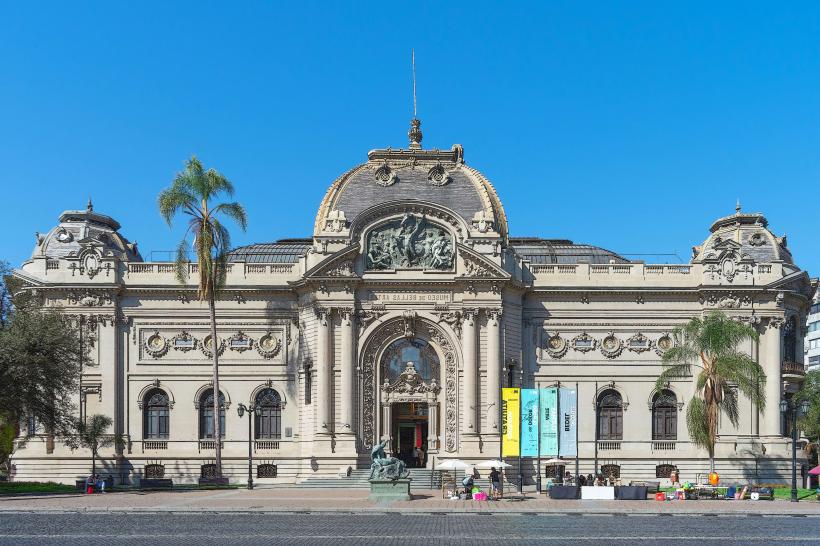
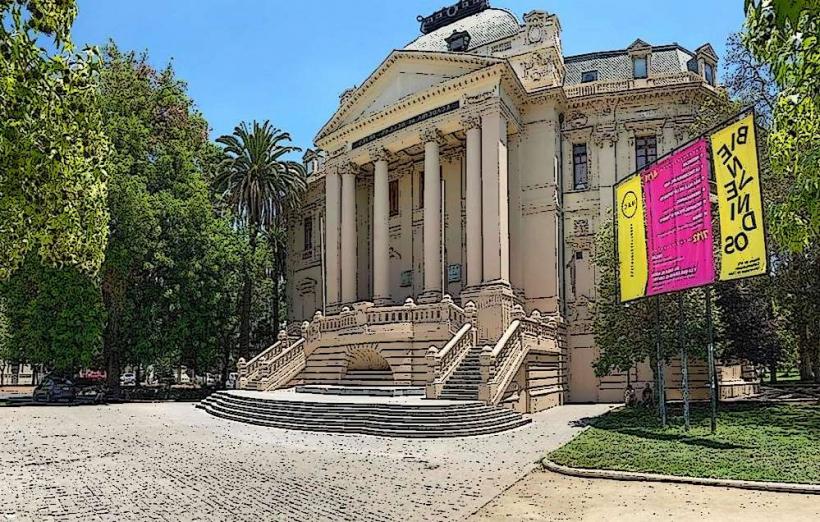
- Museo Nacional de Bellas Artes (0.8km Southwest)
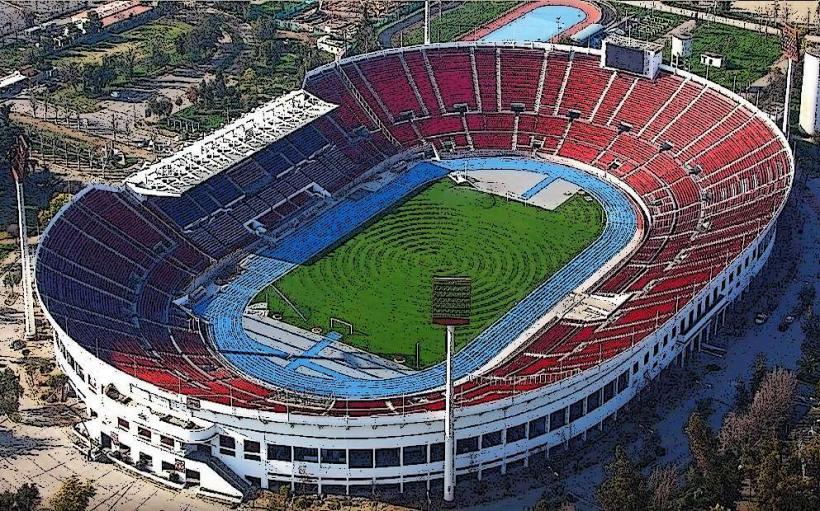
- Estadio Nacional Julio Martínez Prádanos (4.5km South)
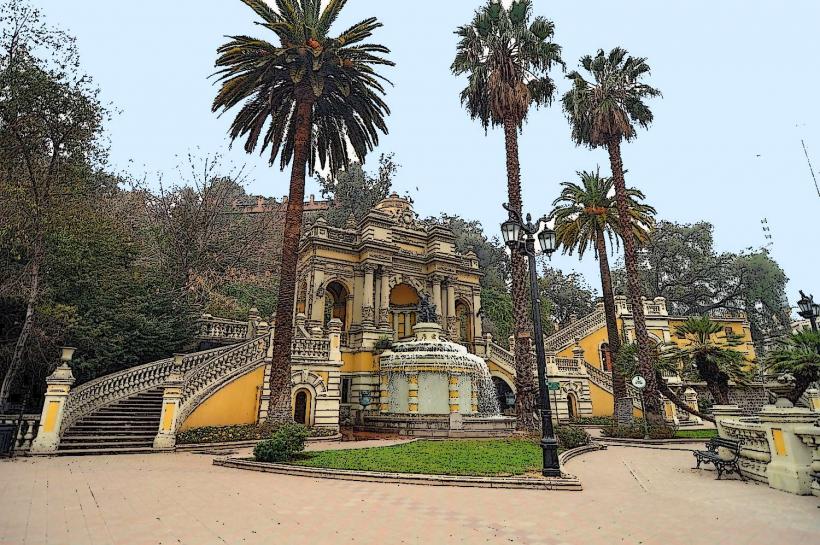
- Cerro Santa Lucía (3.2km Southeast)
- La Chascona (Pablo Neruda's House) (1.5km Southwest)
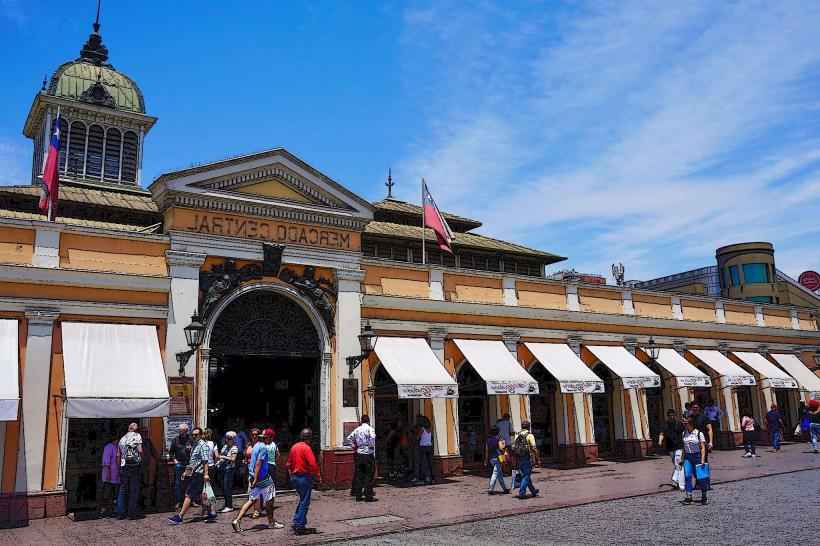
- Mercado Central (2.8km Southwest)