Information
City: Thousand IslandsCountry: USA New York
Continent: North America
Thousand Islands, USA New York, North America
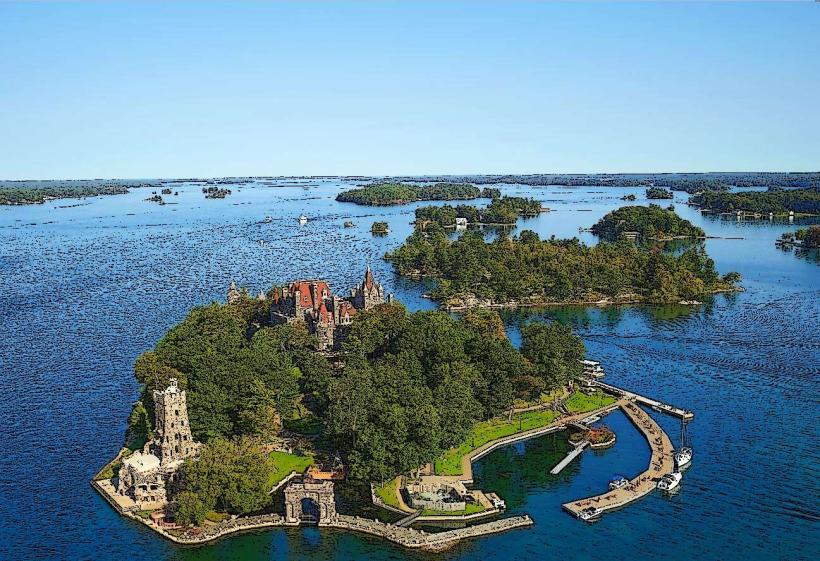
The Thousand Islands region is a scenic area located along the St. Lawrence River, stretching between northern New York State and southeastern Ontario, Canada. It is named for the roughly 1,800 islands scattered across the river’s broad, freshwater expanse, creating a unique and intricate archipelago.
Geography and Landscape
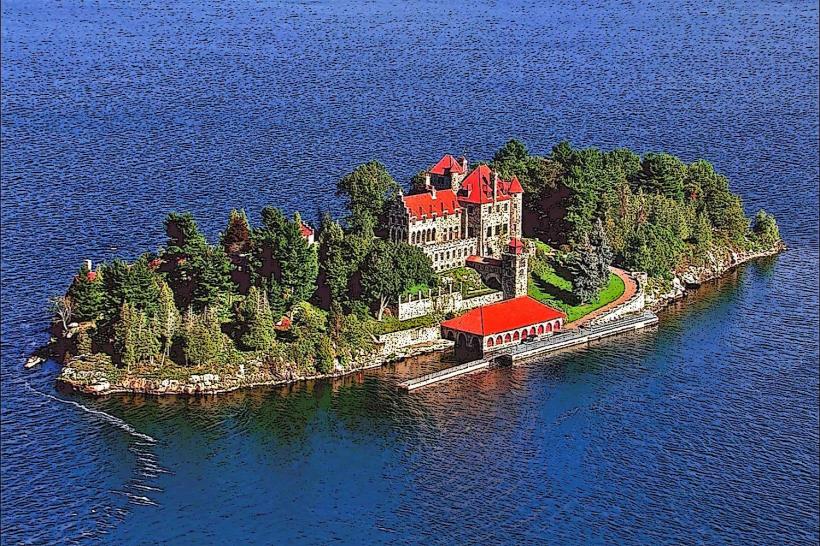
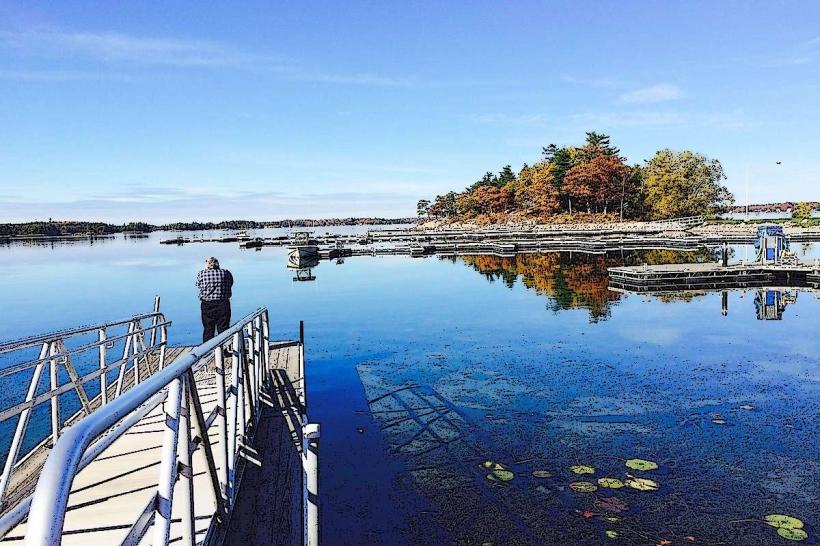
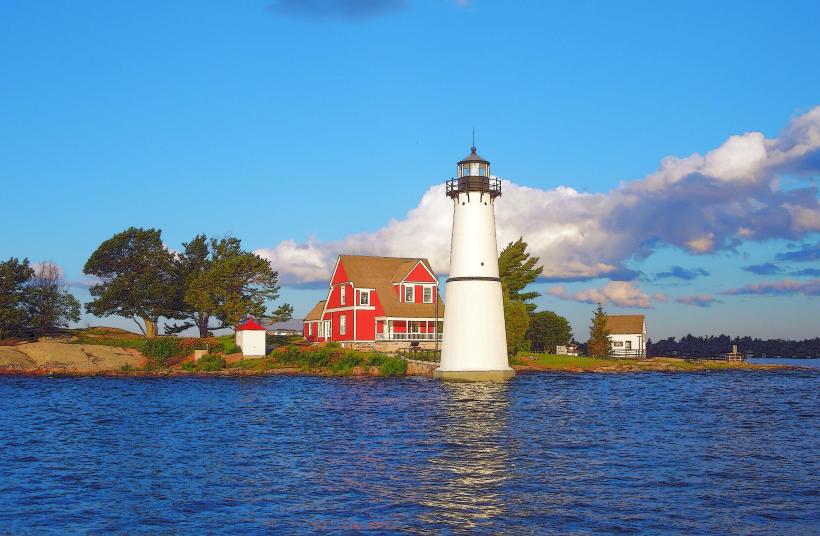
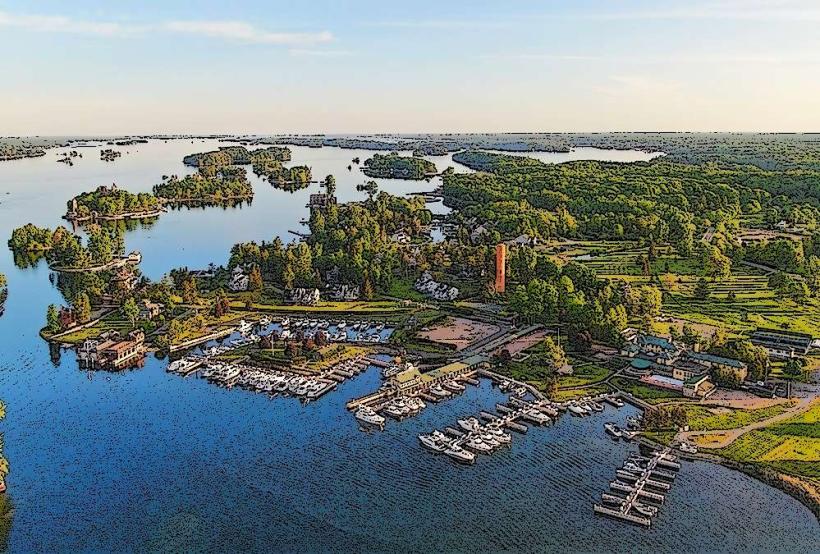
The Thousand Islands area features a mix of small, forested islands, rocky outcroppings, and waterfront shorelines. The islands vary widely in size-from tiny, uninhabited patches of rock and trees to larger islands with homes, marinas, and parks.
The surrounding mainland is characterized by rolling hills, river valleys, and fertile farmland. The St. Lawrence River itself is a broad, navigable waterway that connects the Great Lakes to the Atlantic Ocean, playing a significant role in the region’s ecology and economy.
Communities and Settlements
On the U.S. side, the Thousand Islands include small towns like Clayton, Alexandria Bay, and Wellesley Island. These communities are modest in size but have vibrant local economies focused on tourism and recreation.
The islands are home to a mix of year-round residents, seasonal homeowners, and visitors. Many islands have cottages and vacation homes, while some larger islands support small villages or resorts. The local population is tightly connected to the river lifestyle.
Economy
The region’s economy revolves largely around tourism, boating, and outdoor recreation. Key activities include:
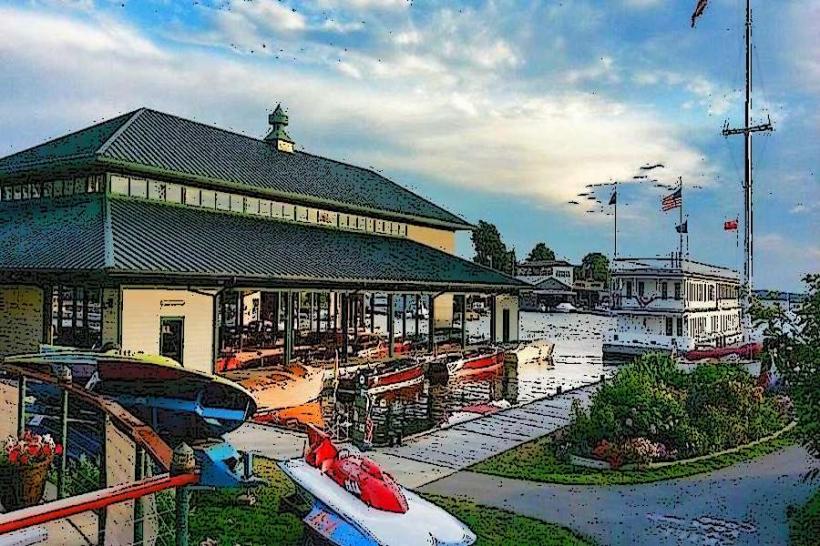
Boating and fishing: The islands and river provide excellent opportunities for fishing, sailing, kayaking, and cruising.
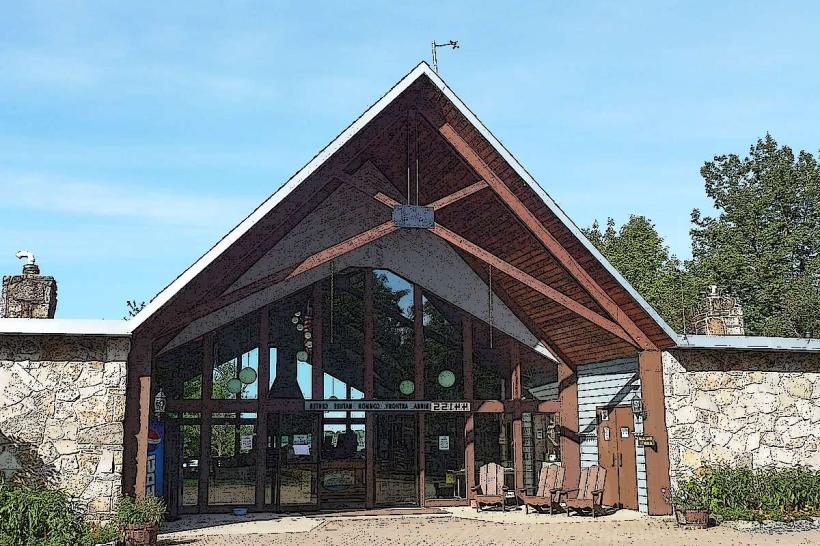
Hospitality: Hotels, inns, restaurants, and marinas serve visitors during the busy spring to fall seasons.
Outdoor recreation: Hunting, hiking, and nature tours are popular in the surrounding forests and parks.
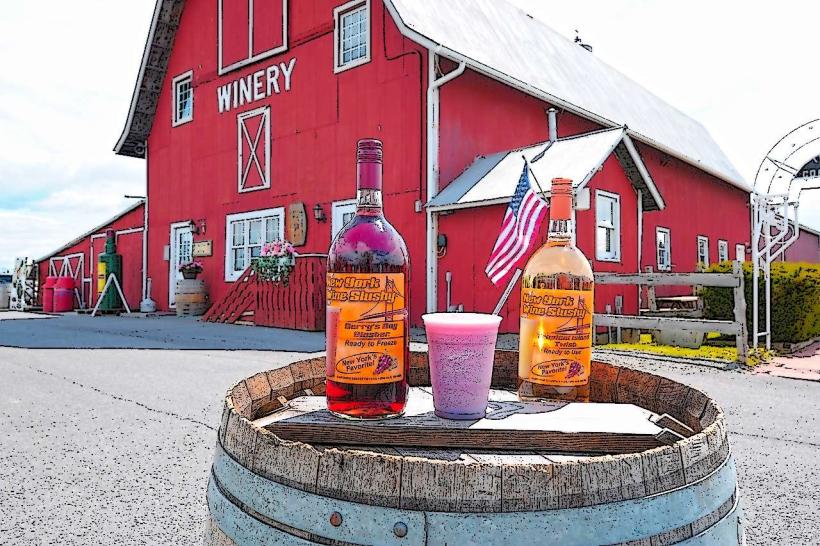
Local commerce: Small businesses cater to both locals and tourists, including shops, galleries, and service providers.
Shipping and transportation historically played a role in the region but have diminished in prominence compared to tourism.
Culture and Lifestyle
Life in the Thousand Islands region is closely tied to the water. Residents and visitors enjoy a laid-back, outdoor-oriented lifestyle with strong ties to nature and community.
Summer is the peak season, when the population swells with vacationers enjoying boating, fishing, and festivals. Winters are quieter and more isolated, with many seasonal homes closed.
The culture reflects a blend of maritime traditions, outdoor sports, and small-town hospitality. Local events often celebrate the natural environment and river heritage.
Environment and Recreation
The Thousand Islands area is rich in biodiversity, with forests, wetlands, and aquatic habitats supporting a variety of wildlife. Conservation efforts focus on protecting water quality, preserving natural landscapes, and maintaining fish and bird populations.
Recreational opportunities abound:
Island hopping by boat to explore unique landscapes
Fishing for bass, pike, and other freshwater species
Kayaking and canoeing through sheltered channels
Hiking trails on larger islands and nearby mainland parks
The region’s natural beauty and tranquility are major draws for visitors and residents alike.
Climate
The climate in the Thousand Islands is characterized by cold winters with snow and ice, and warm, humid summers. The river helps moderate temperatures slightly, but seasonal extremes are common.
Transportation and Accessibility
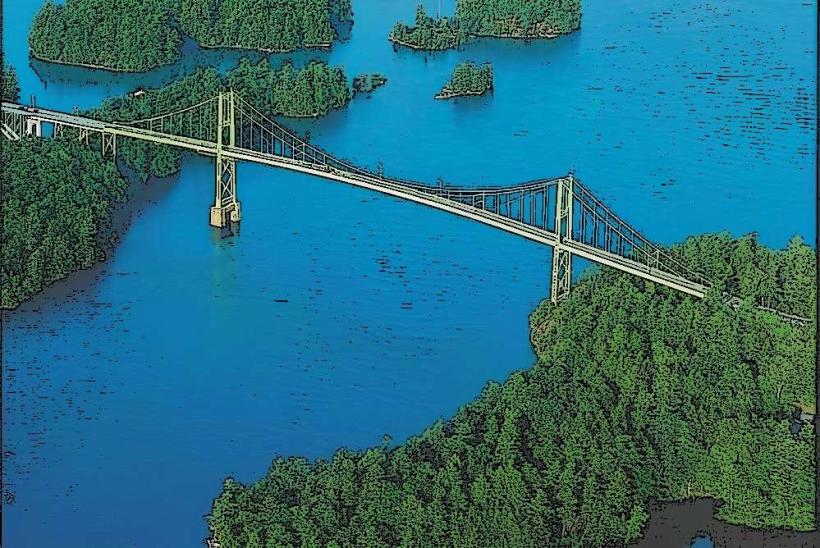
Access to the islands is primarily by boat, with several ferry services connecting the mainland towns to the larger islands. Road networks exist on the mainland and on some of the larger islands.
The region is accessible by car via nearby highways, and the closest airports are located in Watertown, NY, and Ottawa, Ontario.
Community Spirit
The Thousand Islands communities are known for their friendliness, strong local traditions, and stewardship of the natural environment. Seasonal fluctuations mean that summer months bring a lively, festive atmosphere, while off-season months offer quiet and close community ties among year-round residents.
In summary, the Thousand Islands region is a unique river archipelago where water shapes daily life. It blends natural beauty, recreational opportunity, and small-town charm into a distinctive and inviting place.