Information
Landmark: Minna Anthony Common Nature CenterCity: Thousand Islands
Country: USA New York
Continent: North America
Minna Anthony Common Nature Center, Thousand Islands, USA New York, North America
Overview
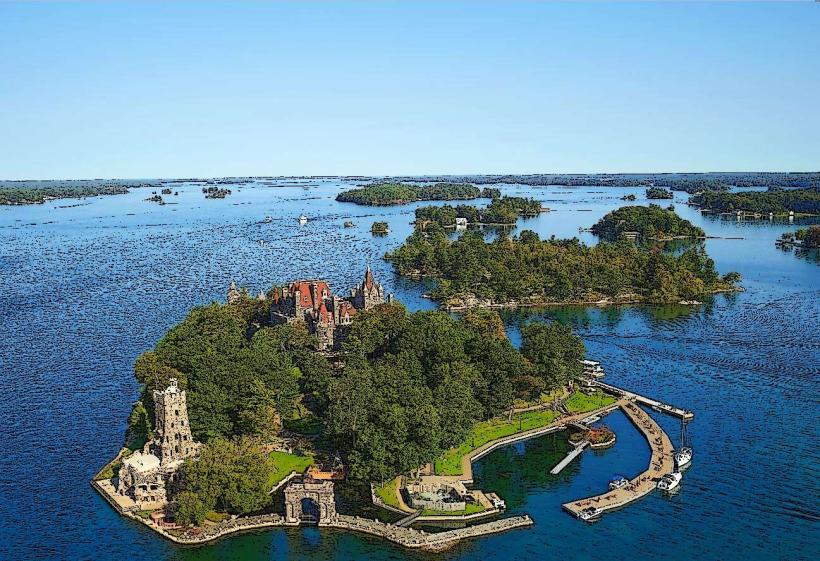
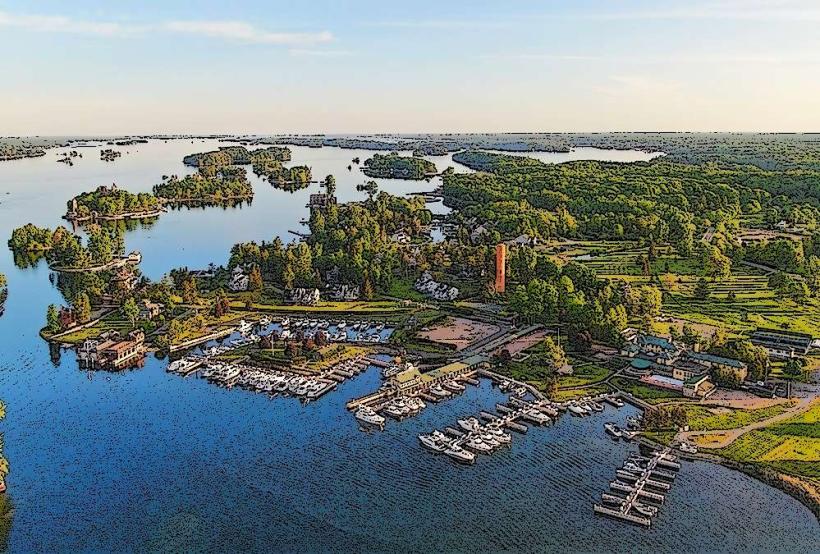
The Minna Anthony Common Nature Center (MAC) is a renowned environmental education facility situated on Wellesley Island, part of the scenic Thousand Islands region in northern New York State. It’s located within the larger Wellesley Island State Park and encompasses approximately 600 acres of natural habitat along the banks of the St. Lawrence River. The center is dedicated to promoting environmental awareness, education, and outdoor recreation through a variety of programs and activities.
History & Purpose
The center was established to honor Minna Anthony Common, a conservationist who played a crucial role in protecting the natural landscapes of the region. The MAC Nature Center serves as a hub for environmental education, offering visitors of all ages opportunities to connect with the local ecosystem and learn about conservation, wildlife, and the natural history of the Thousand Islands.
Natural Features & Environment
The center’s landscape is diverse, including mixed forests, wetlands, meadows, and riverfront areas. This variety supports rich biodiversity - from native plants and birds to mammals and insects. Its location on the St. Lawrence River provides critical habitat for aquatic and migratory species.
Trails & Outdoor Activities
Hiking Trails:
The center boasts roughly 9 miles of well-maintained trails winding through forests, wetlands, and along river bluffs. Trails vary in length and difficulty, suitable for casual walks or more immersive nature hikes. Interpretive signs along the paths offer educational information about local flora, fauna, and geology.
Cross-Country Skiing & Snowshoeing:
In the winter months, about 7 miles of trails are groomed for cross-country skiing, making it a popular destination for winter sports enthusiasts. There are also dedicated snowshoe trails with rentals available at the center.
Voyageur Canoe:
Unique to the center is the opportunity to ride the 36-foot Voyageur Canoe, a traditional canoe reminiscent of those used by early French-Canadian fur traders. Guided canoe trips during summer allow visitors to experience the river and its natural beauty from the water.
Butterfly House:
During July and August, visitors can explore a special Butterfly House featuring native plants designed to attract and support butterflies. It’s an educational attraction focusing on pollinators and their role in ecosystems.
Wildlife Watching
The center is a hotspot for birdwatching and wildlife observation. Notable species include:
Bald Eagles: Seen primarily from late November through early January, and again in late March, the area hosts wintering bald eagles that can be observed from viewing platforms.
Osprey: These large raptors nest locally in the summer, offering excellent viewing opportunities.
Various songbirds, waterfowl, and small mammals also inhabit the area.
Environmental Education Programs
MAC offers year-round educational programs for children, families, and adults. Programs include:
Nature walks and guided hikes
School field trips
Summer camps and workshops
Talks on conservation topics
Seasonal events like maple syrup festivals and bird counts
The center often collaborates with schools and community groups to foster environmental stewardship.
Facilities & Visitor Amenities
Visitor Center: Houses interpretive exhibits on the region’s natural history, a gift shop, and educational resources.
Rental Equipment: Cross-country ski and snowshoe rentals available in winter.
Picnic Areas: Designated spots for visitors to relax and enjoy the outdoors.
Restrooms & Parking: Facilities available for visitor convenience.
Hours & Accessibility
Operating Season: From the first Friday in May through Columbus Day (Indigenous Peoples Day).
Monday to Thursday: 9:00 a.m. – 3:00 p.m.
Friday to Sunday: 9:00 a.m. – 6:00 p.m.
Off-Season: After Columbus Day until the center closes for the winter, it operates Wednesday through Sunday from 9:00 a.m. – 3:00 p.m., closed Monday and Tuesday.
The center is accessible by car, with ample parking and well-marked trails. Some trails and facilities accommodate visitors with mobility challenges, but it’s best to check in advance for specific accessibility details.
Location & Contact
Address:
44927 Cross Island Road
Fineview, NY 13640
Phone: (315) 482-2479
This nature center is ideal for outdoor lovers, educators, families, and anyone interested in exploring the natural beauty and wildlife of the Thousand Islands region. It blends education, recreation, and conservation to offer a meaningful connection to nature year-round.