Information
Landmark: Admiral's House MuseumCity: English Harbour
Country: Antigua and Barbuda
Continent: North America
Admiral's House Museum, English Harbour, Antigua and Barbuda, North America
Admiral's House Museum, Antigua
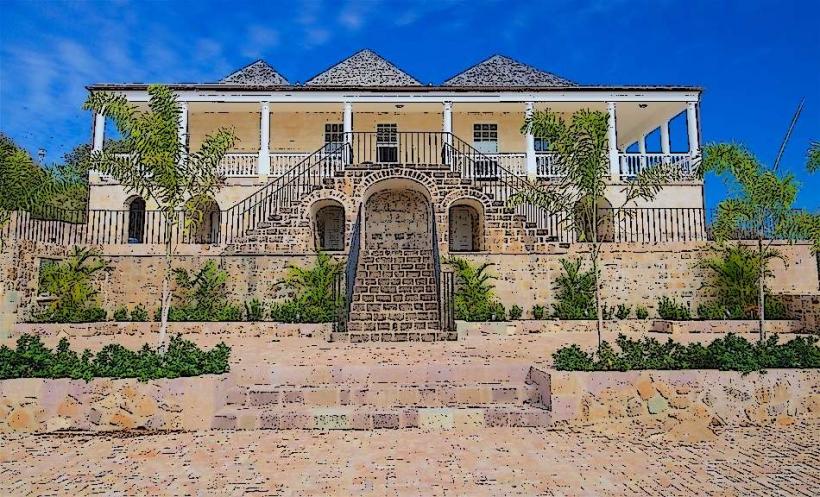
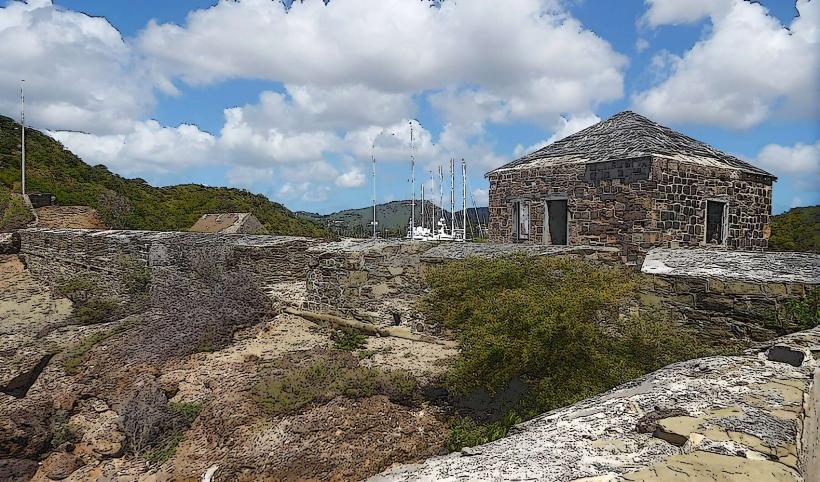
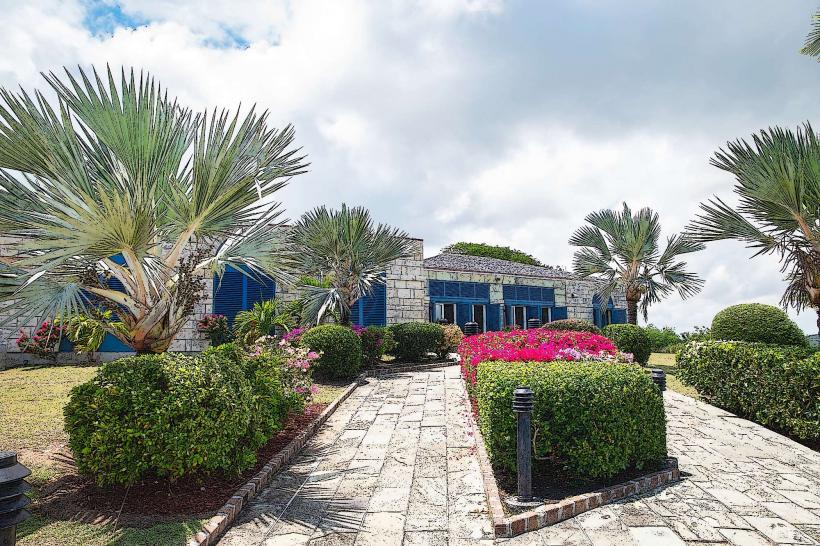
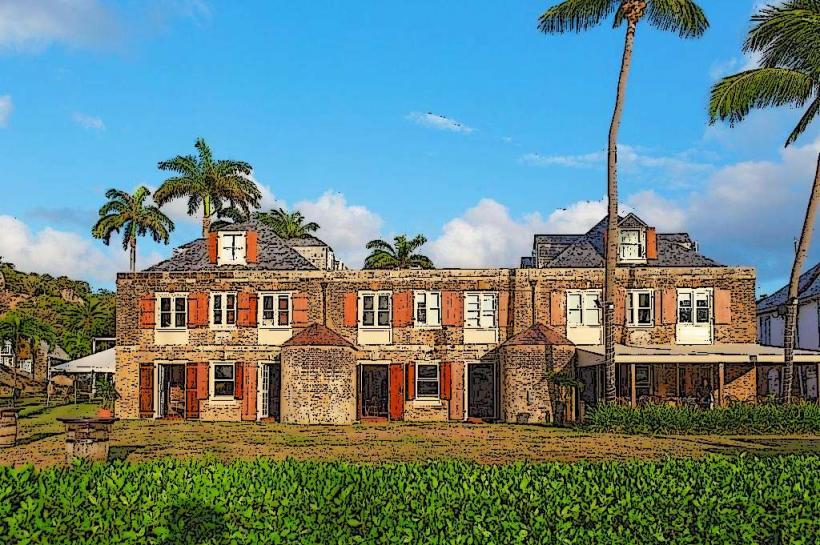
The Admiral's House Museum is a significant historical landmark located within Nelson's Dockyard, a UNESCO World Heritage Site in English Harbour, Antigua. The museum is housed in what was once the residence of the British naval officers, including Admiral Horatio Nelson, who served as the commander of the British fleet in the Caribbean during the 18th century. The building itself is a well-preserved example of Georgian colonial architecture and offers visitors a glimpse into Antigua’s maritime history, the life of naval officers, and the role of the island in British naval operations.
Historical Significance
Naval Headquarters: The Admiral's House was part of the naval station established in English Harbour in the late 18th century. During the period of British naval dominance, the house served as the residence for the naval officers overseeing operations in the Caribbean, with Admiral Horatio Nelson among the most notable figures associated with the house. Nelson lived in the house from 1784 to 1787 before his rise to fame at the Battle of Trafalgar.
Admiral Horatio Nelson: Admiral Nelson is one of the most celebrated figures in British naval history, known for his victories during the Napoleonic Wars. He commanded the Royal Navy's fleet at the Battle of Trafalgar in 1805, where he secured a decisive victory. His time in Antigua and the Caribbean helped shape his leadership and naval career, and the Admiral's House offers a direct connection to his early years of service.
Role in British Colonialism: The Admiral's House and its surroundings were part of Antigua’s central role in the British Empire’s Caribbean operations. English Harbour was a strategic location for the British Navy, serving as the home port for ships and a base for British naval operations throughout the region. The house is a reminder of the island’s importance during the colonial period.
What to See and Do at the Admiral's House Museum
1. Museum Exhibits
Admiral Nelson’s Time in Antigua: The museum offers exhibits focused on Admiral Nelson's life and career, especially his time in Antigua. Visitors can learn about his daily life in the Admiral’s House, the challenges he faced in the Caribbean, and his contributions to British naval history. The museum provides a personal connection to the great naval officer, with displays featuring portraits, maps, and artifacts related to his time in the region.
Maritime History of Antigua: In addition to Admiral Nelson’s exhibits, the museum showcases the broader maritime history of Antigua, including the role the island played in the transatlantic trade, naval warfare, and the local economy. The museum covers aspects of Antigua’s naval heritage, from shipbuilding to trade routes and the operation of Nelson's Dockyard.
Artifacts and Collections: The museum is home to a collection of historical artifacts related to Antigua’s colonial past. These include nautical instruments, military uniforms, and ship models, which offer a detailed look at the maritime culture of the time. Some exhibits also highlight the role of Antigua in the slave trade and the island’s connection to the British Empire’s broader colonial efforts.
2. The Admiral’s House and Its Architecture
Georgian Architecture: The building itself is a fine example of Georgian architecture, with its stone construction, large windows, and symmetrical design. The house reflects the style of colonial homes built for British officers during the 18th century and provides a glimpse into the high standard of living that naval officers enjoyed during the colonial period.
Interior Rooms: The house has several rooms furnished to reflect the period, with antique furniture, paintings, and decor that recreate the atmosphere of the time. Visitors can explore the living quarters, offices, and dining areas that would have been used by the Admiral and his staff.
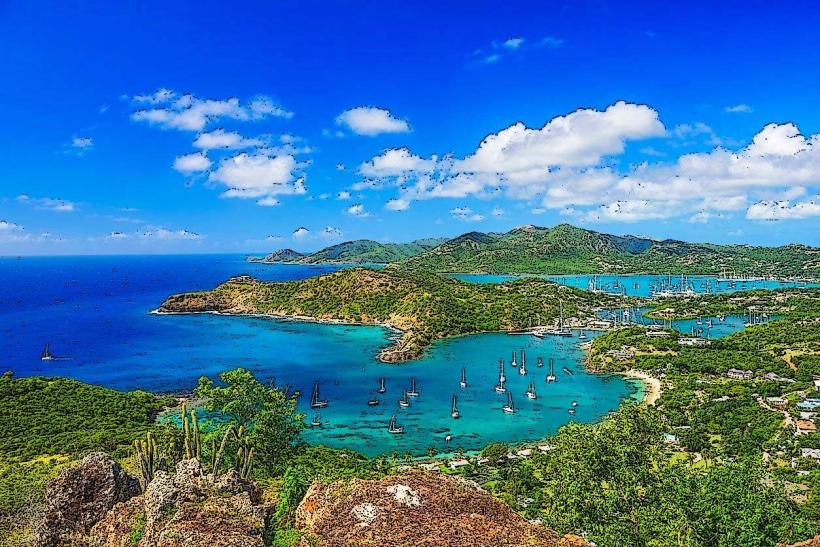
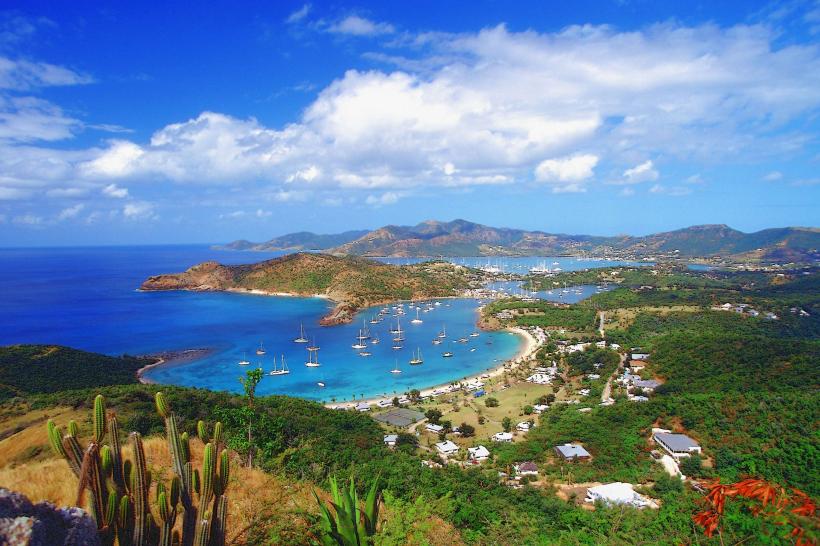
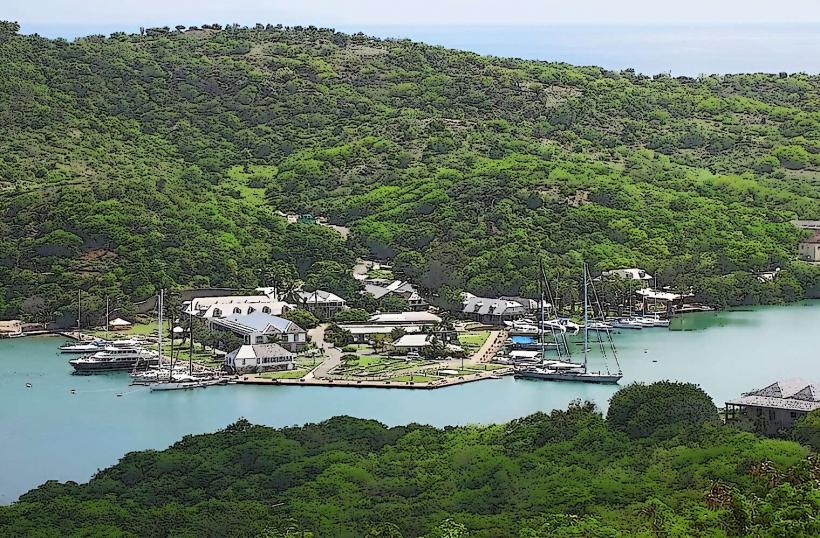
Panoramic Views: From the Admiral’s House, visitors can enjoy stunning views of Nelson's Dockyard and English Harbour. The position of the house on a hill offers a clear vantage point of the harbor, which was essential for overseeing naval activities and monitoring incoming ships.
What to Expect During a Visit
Guided Tours: Visitors can opt for a guided tour of the museum, where knowledgeable guides provide in-depth historical information about Admiral Nelson’s time in Antigua, the role of Nelson’s Dockyard, and the significance of the Admiral’s House in British naval history. Tours also include details about the building’s architecture and the surrounding area.
Cultural Events and Programs: The museum occasionally hosts special events and exhibitions related to Antigua's naval heritage. These may include lectures, workshops, or reenactments, offering a more immersive historical experience for those interested in deeper exploration of the island's maritime past.
Museum Gift Shop: The Admiral’s House Museum typically has a small gift shop offering books, souvenirs, and historical replicas related to the island’s colonial and maritime history. Visitors can purchase mementos to remember their visit.
Nearby Attractions
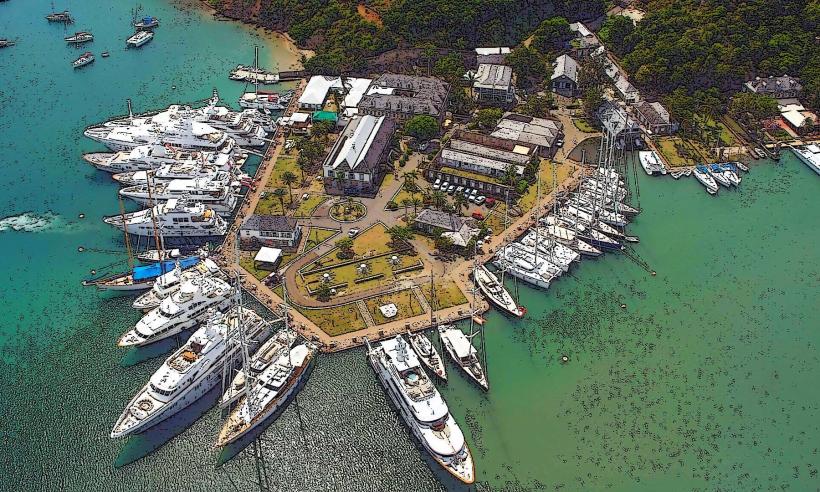
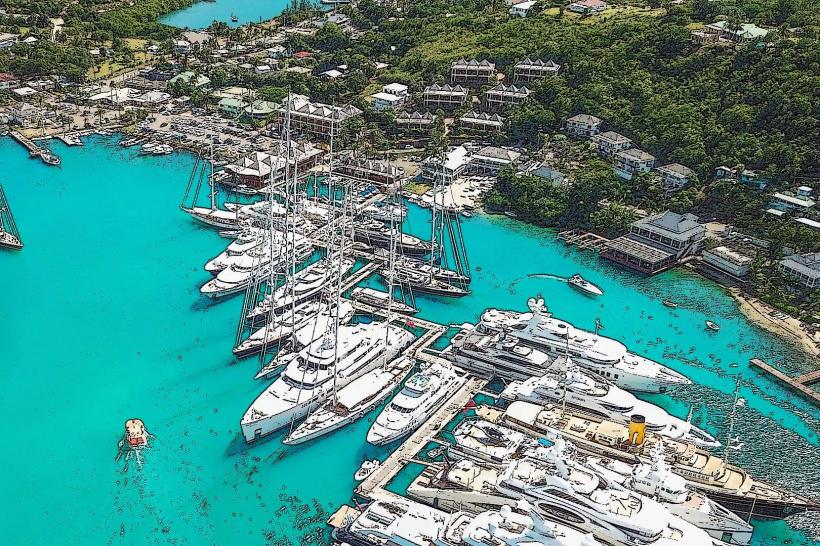
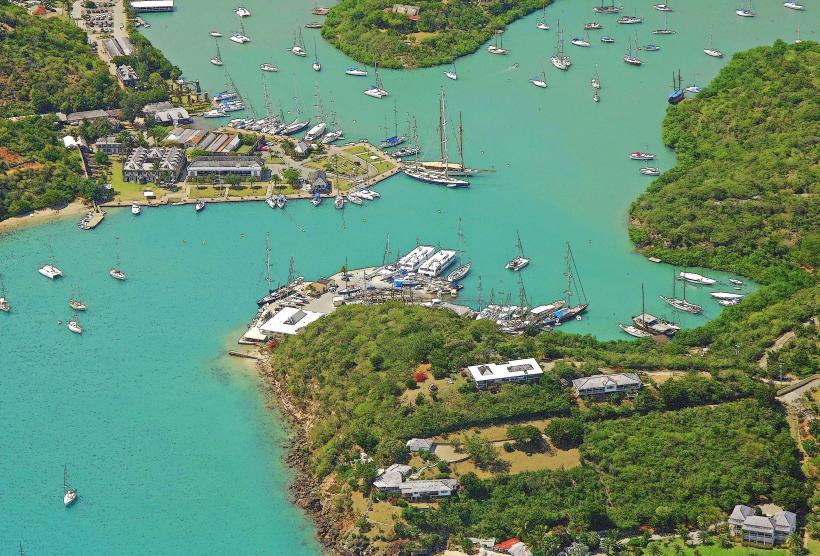
Nelson's Dockyard: The Admiral’s House Museum is located within Nelson's Dockyard, one of Antigua’s most popular historical sites. The dockyard is home to several other museums, shops, and restaurants, making it an excellent place to explore the history of Antigua’s maritime and colonial past. The dockyard itself is a UNESCO World Heritage Site and has been carefully preserved to reflect the island’s naval heritage.
Shirley Heights: Nearby Shirley Heights is another iconic site offering panoramic views of English Harbour and Nelson’s Dockyard. It is famous for its Sunday evening parties, where visitors can enjoy food, drinks, and live music while watching the sunset.
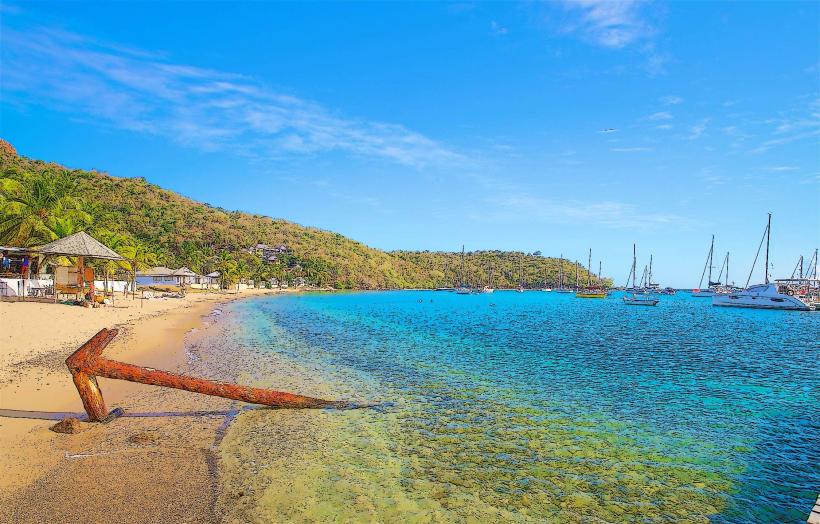
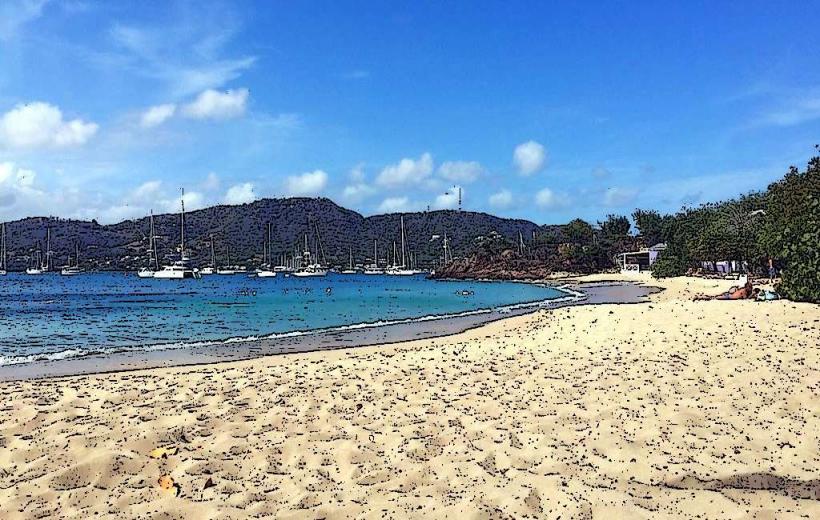
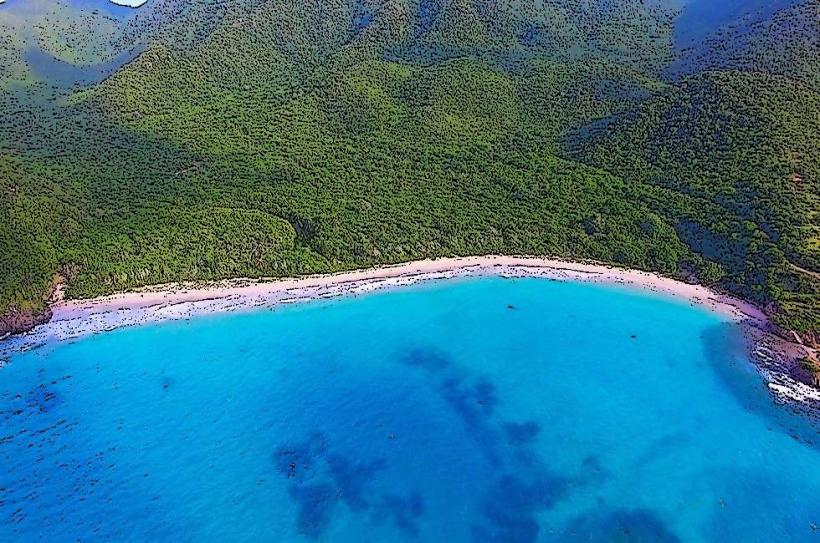
Galleon Beach: Located near English Harbour, Galleon Beach is a tranquil spot for swimming and snorkeling. It offers a quiet retreat after exploring the historical sites around the harbor.
Visitor Information
Location: The Admiral’s House Museum is located in Nelson’s Dockyard, English Harbour, Antigua.
Opening Hours: The museum is typically open daily, but it is advisable to check the specific hours before visiting, especially during holidays or peak seasons.
Entrance Fees: There is generally an entrance fee to visit Nelson’s Dockyard, which includes access to the Admiral's House Museum and other historical sites in the area. The fee may vary depending on the season and any special events.
Accessibility: The museum is accessible by foot within Nelson's Dockyard, and there is parking available for visitors arriving by car. The area is well-maintained and easy to navigate.
Best Time to Visit
Dry Season: The best time to visit the Admiral's House Museum is during Antigua’s dry season (from December to April), when the weather is sunny and pleasant. This is also the peak tourist season, so it’s a good time to enjoy the area’s events and activities.
Weekdays: The museum can get busy during weekends and holidays, so visiting during the week may offer a quieter and more leisurely experience.
Conclusion
The Admiral's House Museum offers a fascinating and immersive glimpse into Antigua’s colonial and naval history, particularly the life of Admiral Horatio Nelson. The combination of historical exhibits, beautiful architecture, and stunning views of Nelson’s Dockyard and English Harbour makes the museum a must-visit destination for history enthusiasts and those interested in Antigua’s role in the British Empire. The site provides valuable context for understanding the island's significance in maritime history and offers an enriching cultural experience for all visitors.