Information
Landmark: Azerbaijan Carpet MuseumCity: Baku
Country: Azerbaijan
Continent: Asia
Azerbaijan Carpet Museum, Baku, Azerbaijan, Asia
The Azerbaijan Carpet Museum stands along Baku Boulevard with an unmistakable silhouette: a long, curved structure shaped like a rolled carpet. Its design alone sets the tone for what awaits inside-a museum that blends architecture, tradition, and craftsmanship with a sense of living cultural memory. The gold-bronze façade catches shifting daylight, and from a distance the building almost looks like a ribbon unfolding beside the Caspian Sea.
Architectural Character
The museum’s exterior pays homage to the very art it preserves. Its sweeping form resembles a traditional carpet partially unfurled, with patterned metal panels echoing classical motifs. Walking around the building, you notice how the curves soften every edge, creating a flowing, inviting presence. The wide windows facing the sea let natural light spill into the gallery floors, and the building feels as though it sits between land and water-half museum, half sculptural landmark.
Historical and Cultural Context
Azerbaijan has one of the world’s oldest carpet-weaving traditions, with regional styles that developed over centuries. The museum, founded in the 1960s and later moved to its current home, serves as the country’s central repository for this heritage. Its collections trace the evolution of weaving techniques, regional schools, symbolic patterns, and the cultural significance of carpets as household objects, spiritual symbols, and artworks.
Interior Layout and Atmosphere
Inside, the museum unfolds across several levels connected by wide ramps. Soft lighting and neutral surfaces draw attention to the carpets’ colors and textures. The atmosphere feels calm and focused-rooms are quiet, and the thick woven pieces naturally soften sound. Large carpets hang like tapestries along curved walls, while smaller pieces sit in glass cases that highlight intricate details. The smell of polished wood and textiles lingers lightly in the air, giving the galleries a warm, crafted feel.
Permanent Collections
The museum’s displays cover centuries of weaving traditions:
Shirvan and Absheron Carpets
Characterized by fine knots and geometric medallions, these pieces often include subtle talismanic elements. Their deep reds and indigos stand out vividly under the gallery lights.
Karabakh Carpets
Bold floral patterns, rich colors, and generous compositions define this school. Some of the largest and most ornate carpets on display come from Karabakh, and their scale fills entire walls.
Guba and Ganja Carpets
Recognizable by their repeating diamond motifs, stylized animals, and crisp color contrasts. Many visitors stop to admire the precision of these patterns.
South Azerbaijani and Tabriz Works
These pieces often carry more curvilinear designs, intricate borders, and a refined palette that reveals a strong Persian influence.
Alongside carpets, the museum exhibits ancient textile fragments, dyeing tools, looms, and historical photos that show weavers at work. Small items such as saddle bags, woven covers, and decorative bands illustrate how weaving extended into everyday life.
Weaving Demonstrations
One of the most engaging aspects of the museum is the live weaving area, where skilled craftswomen sit at vertical looms knotting carpets thread by thread. The rhythmic motion of their hands, the gentle tap of comb-like tools pressing knots into place, and the bright spools of natural-dyed yarn create a vivid connection between past and present. Observing their work offers insight into the sheer patience and artistry behind each carpet.
Temporary Exhibitions and Cultural Programs
Rotating exhibitions often highlight contemporary textile art, international weaving traditions, or restored historical pieces. Workshops, lectures, and educational programs continue to keep the craft alive. The museum has become a cultural hub for design students, artisans, and researchers exploring symbolism, materials, and new interpretations of traditional patterns.
Location and Surroundings
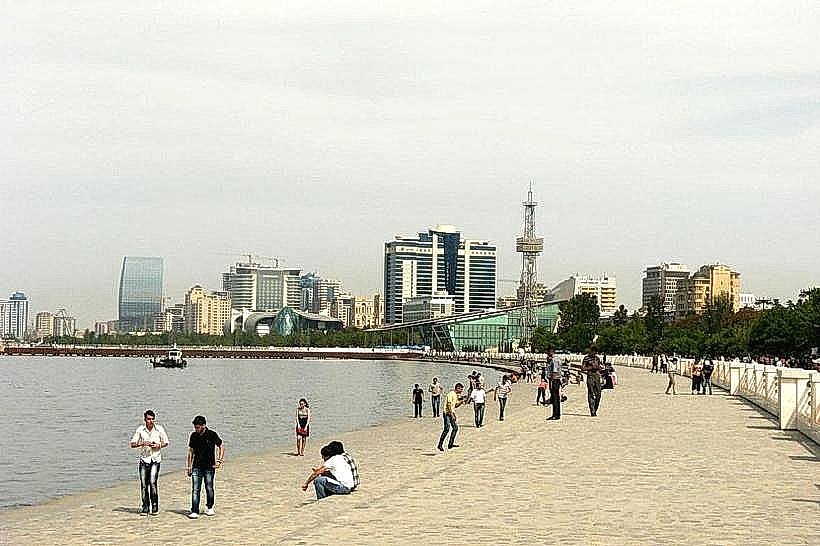
Set directly on Baku Boulevard, the museum benefits from one of the city’s most pleasant settings. Wide plazas, palm trees, and views of the Caspian frame the building. After exploring the galleries, many visitors step outside to rest on the nearby benches or stroll through the boulevard, letting the experience settle in against the sound of waves on the shore.
Visitor Experience
A visit to the Azerbaijan Carpet Museum feels immersive from the moment you enter. The variety of designs-geometric, floral, talismanic, minimalist, lavish-creates a visual rhythm where each gallery reveals something new. Textures emerge up close: thick wool knots, fine silk threads, naturally dyed hues that shift subtly under the lights. Many visitors find themselves slowing down, examining border motifs or counting the tiny knots that give each piece its depth.
Closing Note
The Azerbaijan Carpet Museum stands as a beautifully crafted tribute to one of the country’s most enduring art forms. Its blend of architecture, atmosphere, and storytelling makes it more than a museum-it’s a living showcase of memory, tradition, and the artistry woven into the fabric of Azerbaijani culture.