Information
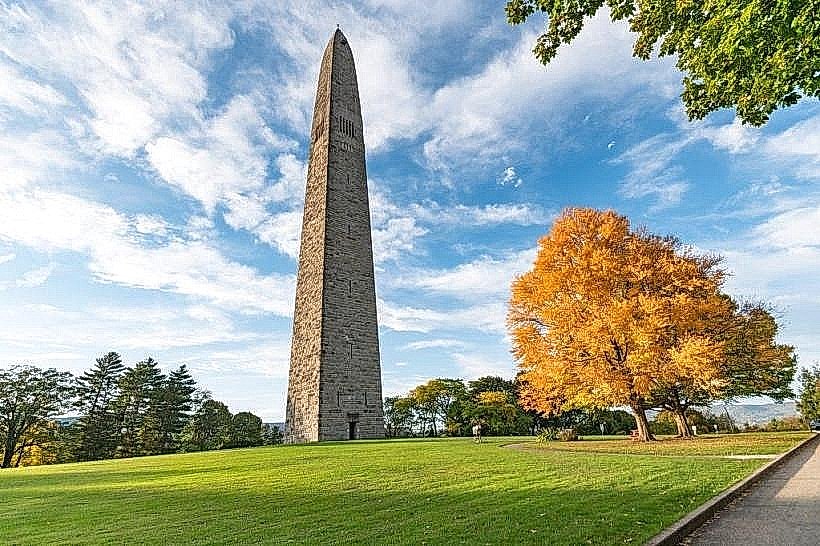
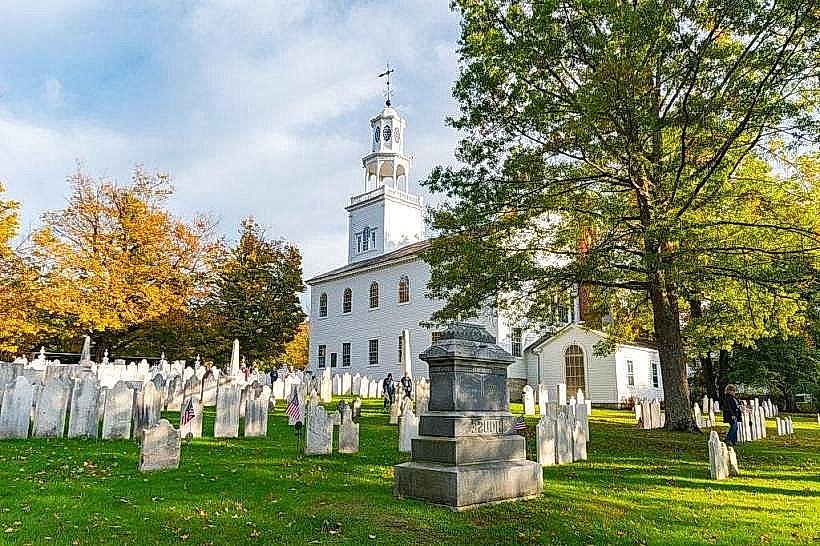
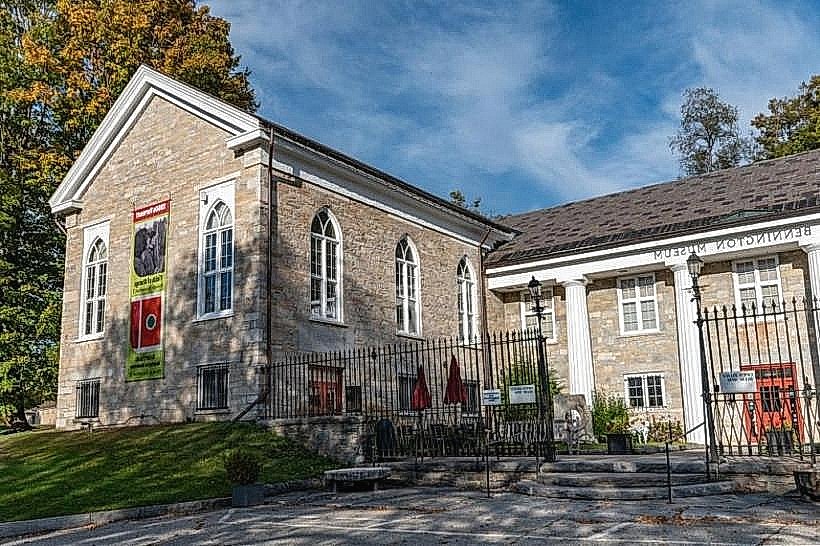
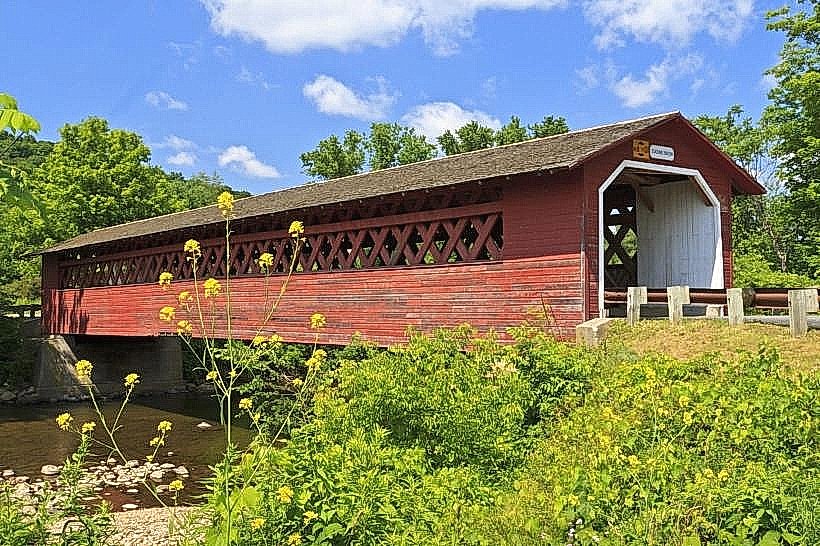
Landmark: Bennington Battlefield State Historic SiteCity: Bennington
Country: USA Vermont
Continent: North America
Bennington Battlefield State Historic Site, Bennington, USA Vermont, North America
The Gaoua Cultural Center is an ethnographic museum located in Gaoua, Burkina Faso.
It preserves and displays artifacts related to the Lobi people and their traditional way of life.
Visual Characteristics
The center is constructed primarily from laterite stone, a reddish-brown soil common in the region. The buildings feature thatched roofs and exhibit a style that emulates traditional Lobi architecture, characterized by simple, functional forms. The main exhibition hall is a single-story structure with thick walls designed to maintain a cool interior temperature.
Location & Access Logistics
The Gaoua Cultural Center is situated within the town of Gaoua. It is approximately 1 kilometer from the town center. Access is via paved roads, with specific signage indicating the route from the main N1 highway. Parking is available on-site in an unpaved lot adjacent to the main entrance. Public transport within Gaoua typically involves shared taxis or motorcycles; the center is a common destination and easily reachable by these means.
Historical & Ecological Origin
The center was established in the late 20th century to document and safeguard the cultural heritage of the Lobi people, who have inhabited this region for centuries. The Lobi are known for their distinctive animist beliefs and their traditional village structures, often referred to as "soukala." The surrounding environment is characterized by savanna grassland with scattered trees, typical of the Sudanian savanna ecoregion.
Key Highlights & Activities
Visitors can observe displays of traditional Lobi tools, pottery, musical instruments, and religious artifacts. Demonstrations of traditional crafts may be offered on specific days. The center also provides context on Lobi social structures and belief systems through its exhibits. Guided tours are available upon request.
Infrastructure & Amenities
Restrooms are available on-site. Limited shade is provided by the building's structure and a few trees in the immediate vicinity. Cell phone signal (2G/3G) is generally available. There are no on-site food vendors, but small local eateries are located within a 500-meter radius of the center in the town of Gaoua.
Best Time to Visit
The best time of day for visiting is during the cooler morning hours, between 9:00 AM and 12:00 PM, or in the late afternoon from 3:00 PM to 5:00 PM. The dry season, from November to April, offers the most favorable weather conditions with lower humidity and less rainfall. There are no tidal considerations for this inland location.
Facts & Legends
A notable aspect of Lobi culture, often highlighted at the center, is the practice of building "beté" or sacred huts, which are small, often elaborately decorated structures housing ancestral spirits. These are typically found within family compounds and are central to Lobi religious life.
Nearby Landmarks
- Lobi Traditional Village (0.8km Southwest)
- Gaoua Market (1.2km Northwest)
- Saint Joseph Parish Church (1.5km North)