Information
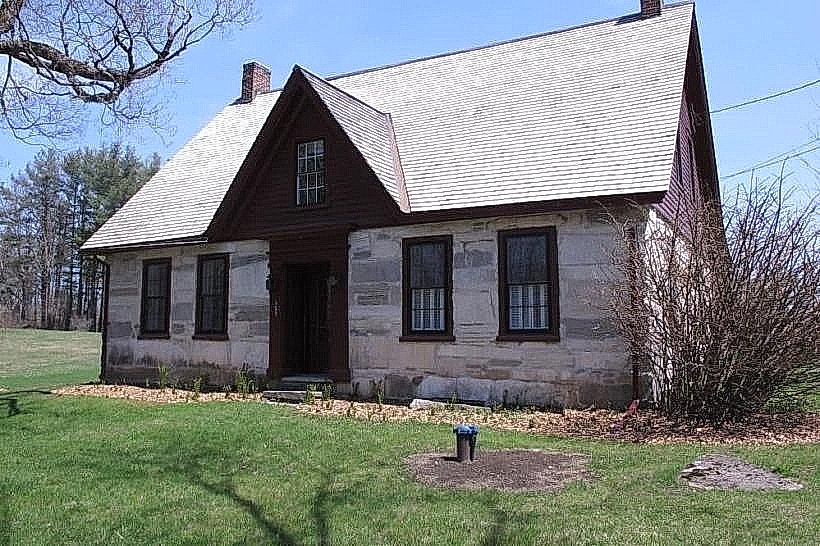
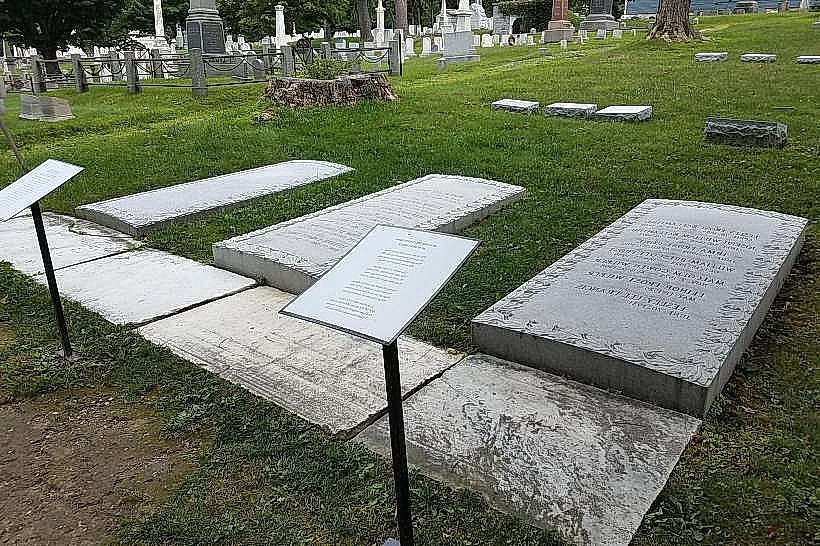
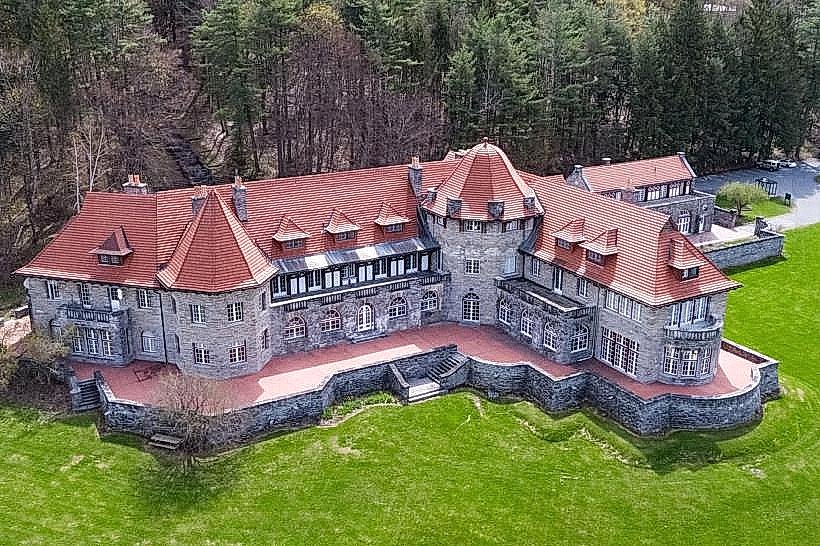
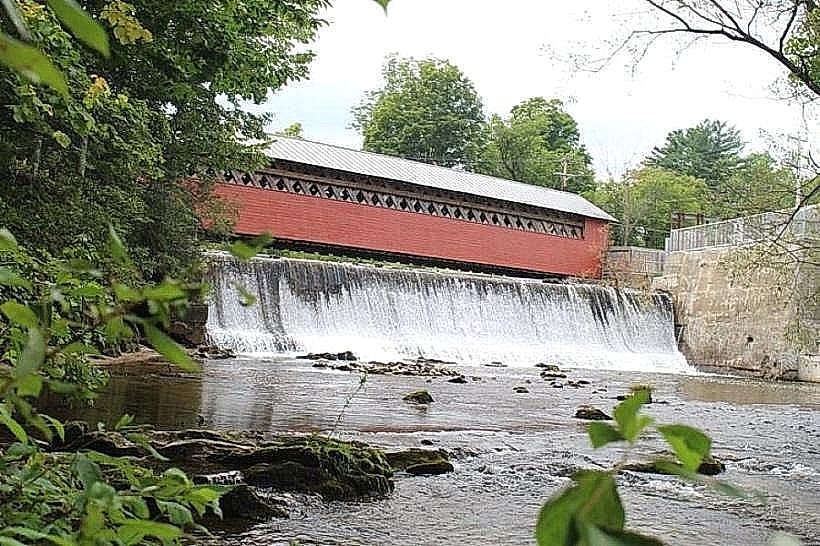
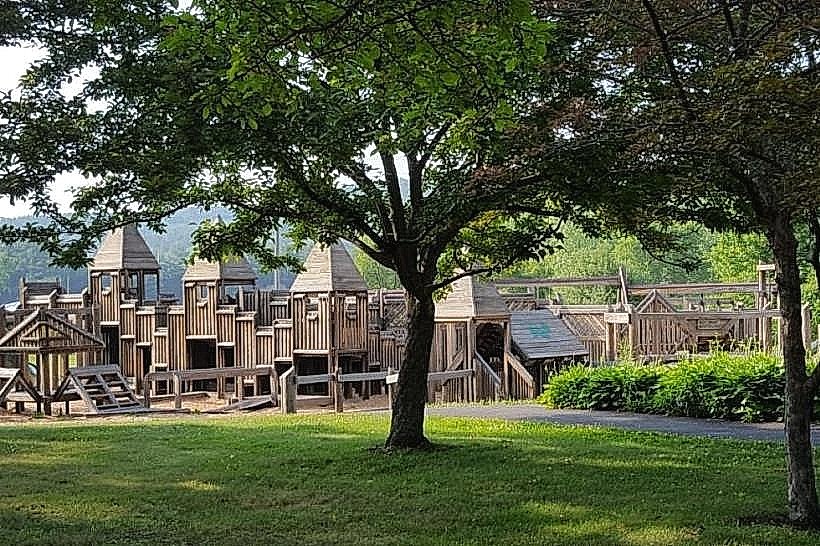
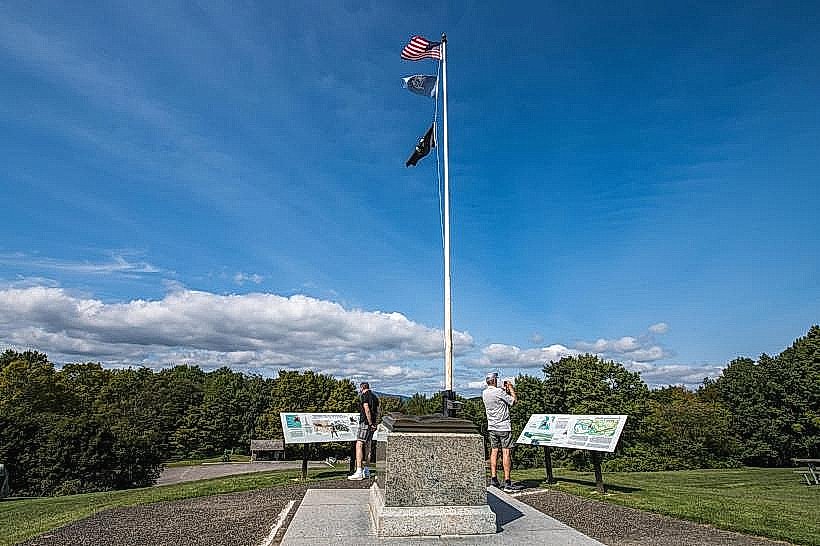
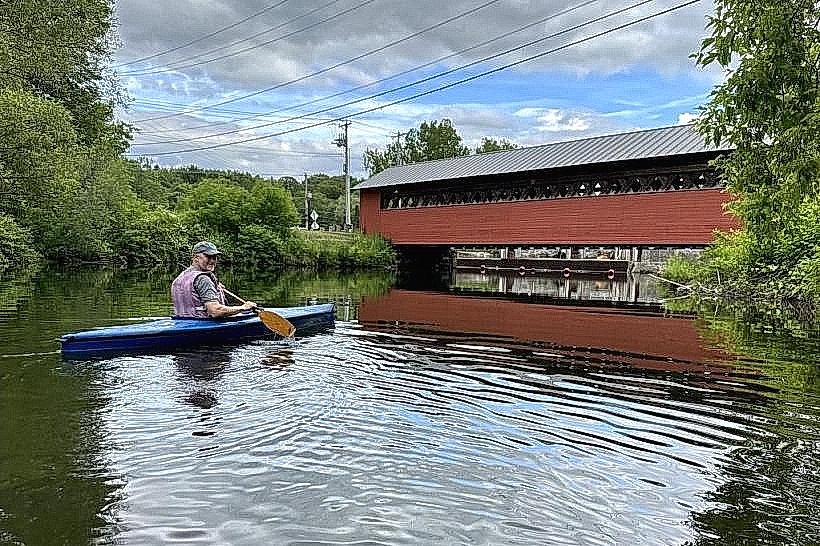
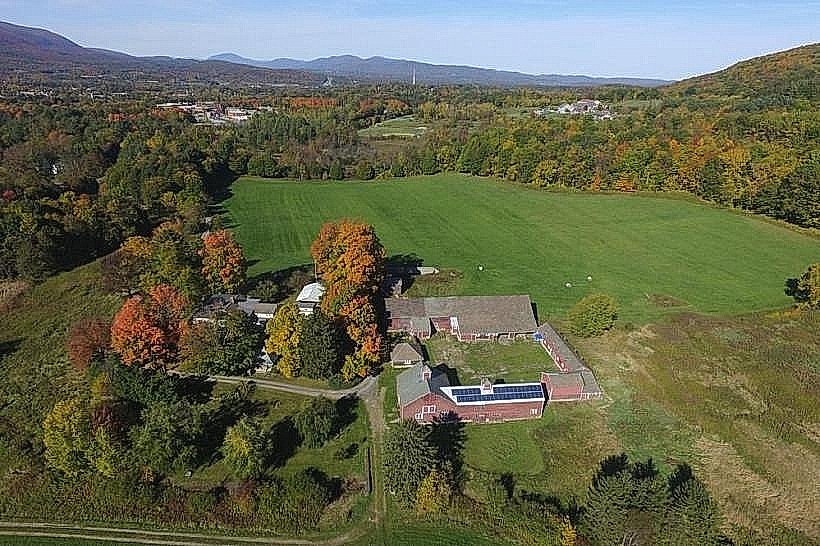
Landmark: Park-McCullough Historic HouseCity: Bennington
Country: USA Vermont
Continent: North America
Park-McCullough Historic House, Bennington, USA Vermont, North America
Sugarcane plantations in Banfora, Burkina Faso, represent a significant agricultural area focused on the cultivation of Saccharum officinarum.
Visual Characteristics
The landscape is characterized by extensive fields of tall, green sugarcane stalks, typically reaching heights of 2 to 5 meters. The fields are arranged in uniform rows, demarcated by irrigation channels and access paths. The soil color varies from reddish-brown to dark loam, depending on the specific plot and moisture content. During the harvest season, the stalks exhibit a pale green to yellowish hue.
Location & Access Logistics
The primary sugarcane cultivation areas are situated approximately 5 to 15 kilometers south and southwest of the Banfora city center. Access is primarily via paved roads, notably the N1 national highway which runs adjacent to some plantation zones. Unpaved farm tracks provide internal access within the plantations. Parking is generally available at designated farm entrances or along the N1, though formal parking facilities are absent. Public transport directly serving the plantations is limited; local taxis or hired vehicles are the most practical options from Banfora.
Historical & Ecological Origin
The development of large-scale sugarcane cultivation in the Banfora region is linked to government-supported agricultural projects initiated in the latter half of the 20th century, aiming to boost local sugar production. The ecological origin is the savanna biome, with the plantations adapted to the local climate and soil conditions through irrigation systems. The area is situated within the Volta Basin, influencing water availability for agriculture.
Key Highlights & Activities
Observation of agricultural practices, including planting, irrigation, and harvesting (seasonal). Visits to processing facilities (if pre-arranged and permitted) to observe sugar extraction. Walking or cycling along the perimeter tracks of the plantations. Photography of the agricultural landscape.
Infrastructure & Amenities
Basic infrastructure within the plantations includes irrigation canals and farm tracks. No public restrooms, shade structures, or food vendors are present within the cultivation areas themselves. Cell phone signal (2G/3G) is generally available in proximity to the N1 highway, but can be intermittent within the fields. Basic amenities like shops and restaurants are located in Banfora city.
Best Time to Visit
The best time for visual observation of the sugarcane is during the growing season, from June to December, when the stalks are fully developed. The harvest season typically runs from January to May, offering a different visual aspect. For photography, early morning or late afternoon light provides optimal illumination of the fields. There are no tidal considerations.
Facts & Legends
A specific local practice involves the use of oxen for plowing and transporting harvested cane in some smaller, traditional plots, a method that has persisted alongside modern machinery. The sugar produced is primarily for domestic consumption and regional export.
Nearby Landmarks
- Cascades de Karfiguéla (3.5km West)
- Sindou Peaks (25km Southwest)
- Lake Tengrela (12km South)
- Banfora Central Market (5km North)