Information
Landmark: Bennington MuseumCity: Bennington
Country: USA Vermont
Continent: North America
Bennington Museum, Bennington, USA Vermont, North America
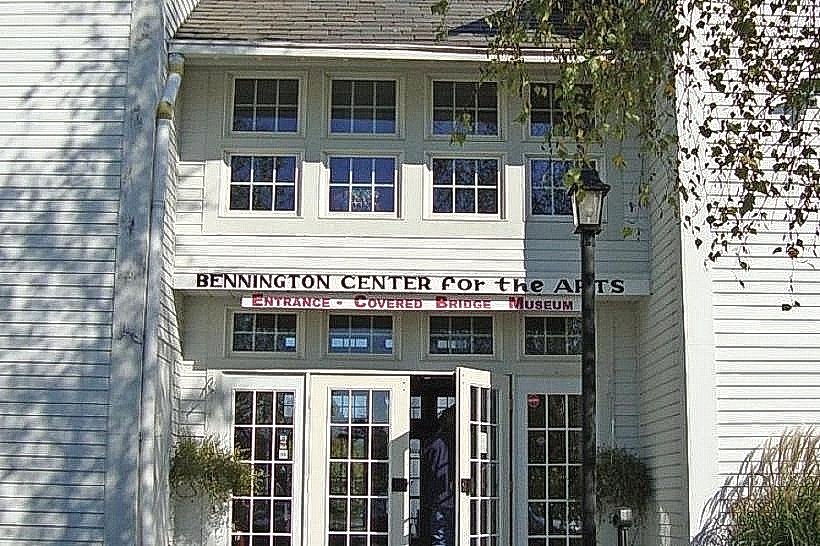
The Bennington Museum is the cultural heart of southwestern Vermont, blending art, history, and regional identity under one roof. Located along West Main Street (Route 9) just outside the Old Bennington historic district, it serves as both a museum and a storytelling space for the entire Green Mountain region. The museum’s collections bridge the 18th century to the present, offering a vivid portrait of Vermont’s people, landscapes, and creative spirit.
Foundation and History
Founded in 1852, the Bennington Museum began as the Bennington Historical Association, with a mission to preserve the heritage of Vermont’s first chartered town. Its first collections were modest-portraits, documents, and artifacts from local families-but the vision soon expanded. In 1928, the museum moved into its current Georgian Revival building, an elegant structure of local stone and brick surrounded by landscaped gardens and old trees. Over the decades, the museum grew through community donations and important acquisitions, becoming one of the most respected small museums in New England.
Its focus remains distinctly regional, emphasizing the artistry, craftsmanship, and social history of southern Vermont while maintaining national relevance through its notable fine art collections.
The Grandma Moses Collection
The museum’s crown jewel is the world’s largest public collection of works by Anna Mary Robertson “Grandma Moses”, the celebrated American folk painter who began her career in her late seventies. More than 30 paintings, along with sketches, personal belongings, and photographs, capture the essence of rural New England life as seen through her eyes-rolling fields, snowy barns, sugaring time, and old-fashioned gatherings.
The Grandma Moses Gallery feels warm and intimate, with wooden floors and softly lit walls that draw viewers close to her work. Her simple, narrative style invites not just admiration but memory-visitors often find themselves recalling their own childhood landscapes while gazing at her tiny, detailed figures. A small film presentation recounts her life story, from her birth near Bennington in 1860 to her rise as one of America’s most beloved artists.
Fine Arts and Decorative Collections
Beyond Grandma Moses, the museum holds an impressive range of American art from the 18th through the 20th centuries. Paintings by regional artists such as Lemuel D. Eldred, William Morris Hunt, and John Whorf hang alongside folk portraits and landscapes that capture the evolving character of Vermont’s countryside.
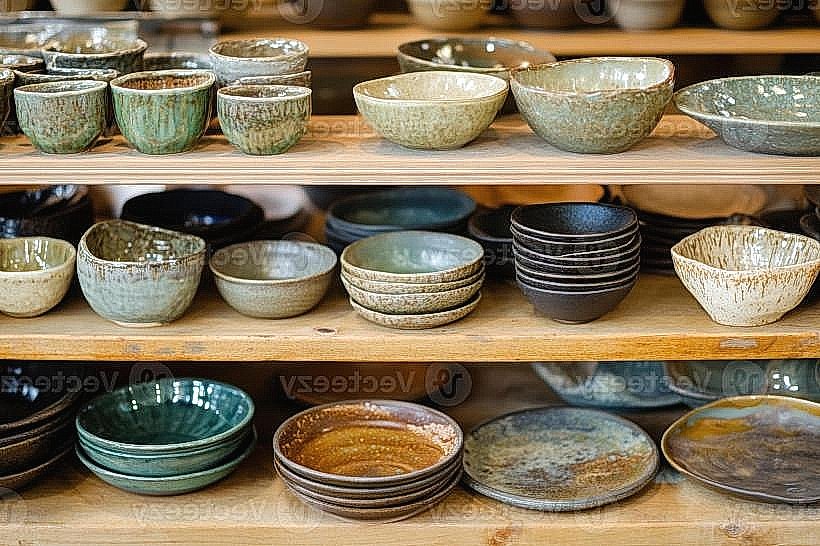
Decorative arts are another highlight-fine examples of Bennington pottery, Shays’ Rebellion artifacts, and intricately carved furniture reflect both local craftsmanship and historical depth. The museum’s ceramics collection is especially renowned, featuring the famous Bennington Stoneware and Parian ware that made the town an important industrial center in the mid-1800s. These pieces, with their rich glazes and sculptural details, are displayed with care to show how art and function intertwined in everyday life.
Revolutionary and Early Vermont History
A major portion of the museum explores Vermont’s role in the American Revolution and early statehood. Exhibits on Ethan Allen, the Green Mountain Boys, and the Battle of Bennington display weapons, uniforms, maps, and letters that trace how the area’s rugged independence shaped the nation’s founding years. An early printing press, colonial tools, and household objects tell the story of settlers carving out a new community in the wilderness.
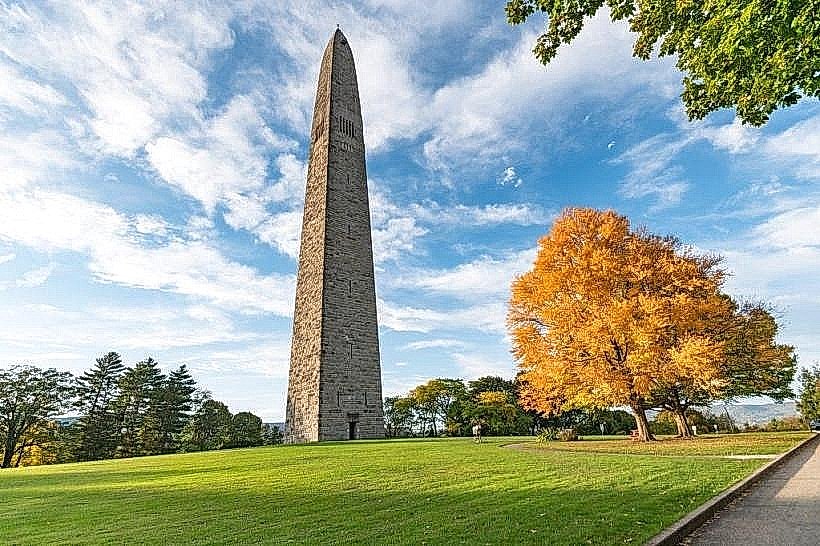
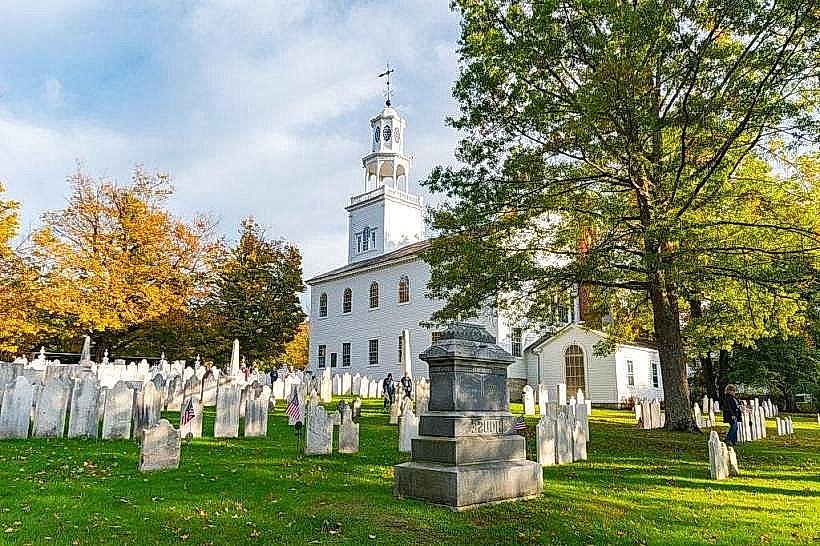
Interactive displays and dioramas help visitors visualize the 1777 battle, connecting the museum to the nearby Bennington Battle Monument and Old First Church-together forming a rich historical triangle.
Modern and Contemporary Exhibitions
The Bennington Museum does not rest solely on its past. Its rotating exhibitions frequently feature contemporary Vermont artists who explore the region’s changing identity through photography, sculpture, and environmental art. The contrast between modern works and historical artifacts gives the museum an energetic rhythm-bridging centuries rather than separating them.
The Setting and Experience
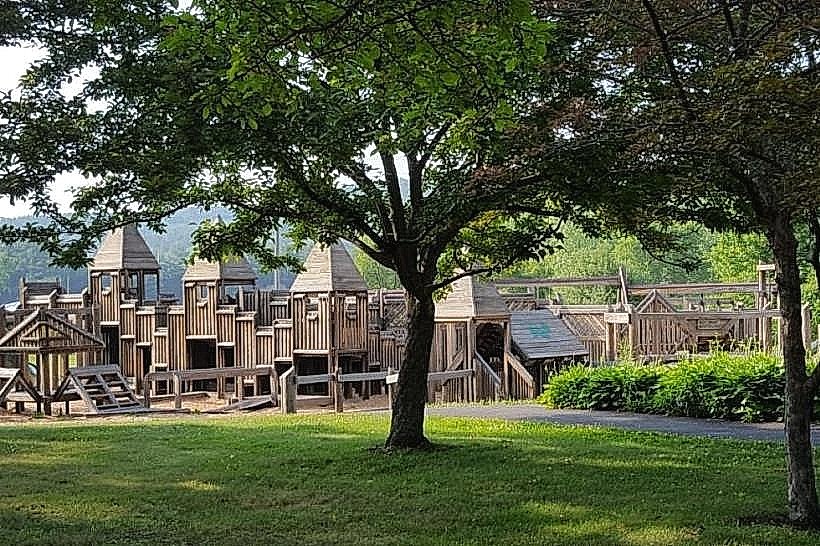
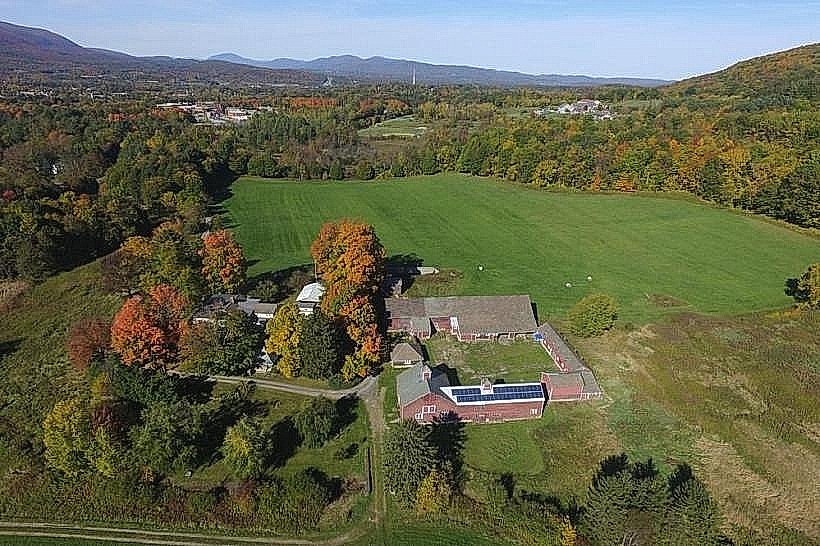
Set amid lawns and old maples, the museum’s grounds include a sculpture park, walking trails, and a colonial-style courtyard with stone benches and flower beds. A children’s discovery area introduces younger visitors to art and history through hands-on exhibits, encouraging them to create their own interpretations of Vermont life. The on-site museum shop carries locally made crafts, pottery, and books, while the small café offers light refreshments with a view of the rolling hills beyond.
Inside, the atmosphere is quiet but never static-soft lighting, polished wood floors, and the occasional creak of old beams lend authenticity to the experience. Each gallery flows naturally into the next, blending the personal with the collective story of Vermont.
Legacy and Spirit
More than a collection of objects, the Bennington Museum embodies Vermont’s enduring creative spirit. It celebrates those who found art in the ordinary-whether a self-taught painter like Grandma Moses, a craftsman shaping clay, or a farmer preserving a hand-carved tool. Every room whispers of local pride and resilience, yet the message feels universal: that beauty, heritage, and imagination thrive even in the quietest corners of America.
Standing at the museum’s entrance, with the Green Mountains rising in the distance and the spire of the Old First Church just visible through the trees, visitors sense a deep continuity between land, people, and art-an unbroken thread that has defined Bennington for more than two and a half centuries.