Information
Landmark: Bisti-De-Na-Zin WildernessCity: Farmington
Country: USA New Mexico
Continent: North America
Bisti-De-Na-Zin Wilderness, Farmington, USA New Mexico, North America
The Bisti-De-Na-Zin Wilderness is a protected area located in San Juan County, New Mexico, USA. It is characterized by its unique geological formations and fossil deposits.
Visual Characteristics
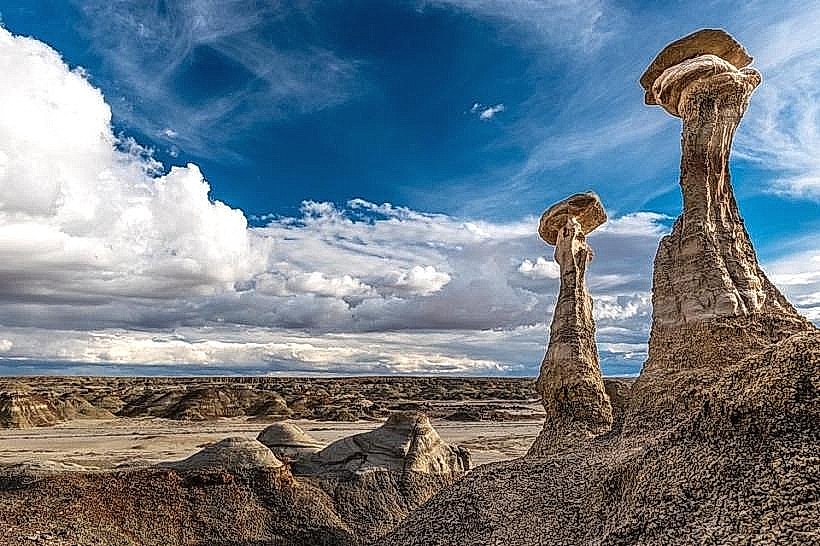
The landscape consists of eroded sandstone, mudstone, and shale formations. Dominant colors include shades of tan, brown, grey, and red. Notable formations include hoodoos, balanced rocks, and petrified wood. Vegetation is sparse, primarily consisting of desert grasses, sagebrush, and scattered juniper trees.
Location & Access Logistics
The wilderness is situated approximately 35 miles south of Farmington, New Mexico. Access is via County Road 7000 (also known as Bisti Loop Road), a graded dirt road. The road is approximately 15 miles long and can be rough, especially after rain. A high-clearance vehicle is recommended. There is no designated parking lot; vehicles park along the side of the road. No public transport services this area.
Historical & Ecological Origin
The Bisti-De-Na-Zin Wilderness is a geological area formed by the erosion of the Fruitland and Kirtland Formations, dating back to the Late Cretaceous period (approximately 70 million years ago). It is renowned for its rich fossil record, including dinosaur bones, turtle shells, and extensive petrified wood deposits. The name "Bisti" is Navajo for "a place where the badlands are."
Key Highlights & Activities
Exploration of geological formations such as the "King of Wings" and "The Dragon." Observation of petrified wood. Hiking and photography are the primary activities. Visitors should be prepared for self-guided exploration as there are no marked trails or interpretive centers within the wilderness.
Infrastructure & Amenities
There are no facilities within the Bisti-De-Na-Zin Wilderness. This includes restrooms, water sources, or shade structures. Cell phone reception is unreliable to non-existent. No food vendors are present. Visitors must carry all necessary supplies, including water, food, and sun protection.
Best Time to Visit
The best time for visiting is during the spring (April-May) and fall (September-October) to avoid extreme summer heat and winter cold. Mid-morning and late afternoon offer optimal lighting conditions for photography due to the angle of the sun on the formations. High winds can occur, particularly in spring.
Facts & Legends
The area contains one of the most significant concentrations of petrified wood in the world. A specific tip for visitors is to carry a compass or GPS device, as the landscape can be disorienting and there are no established trails.
Nearby Landmarks
- De-Na-Zin Wilderness (0.5km North)
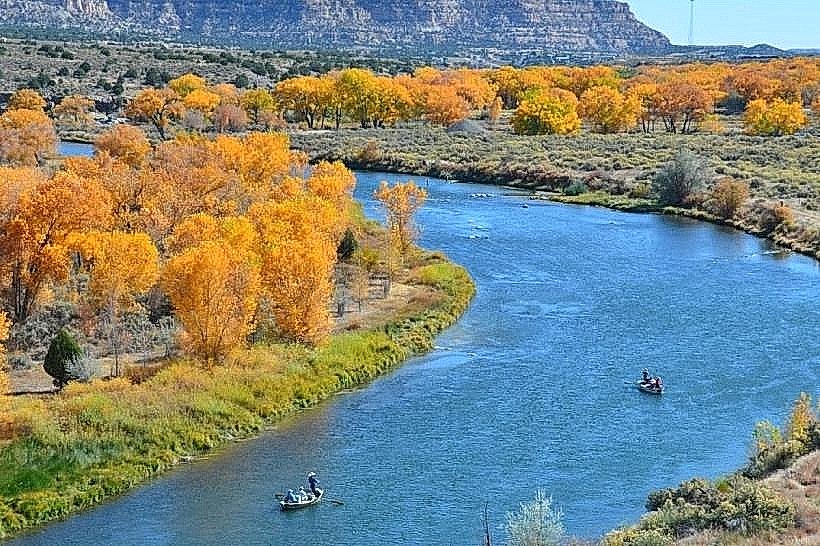
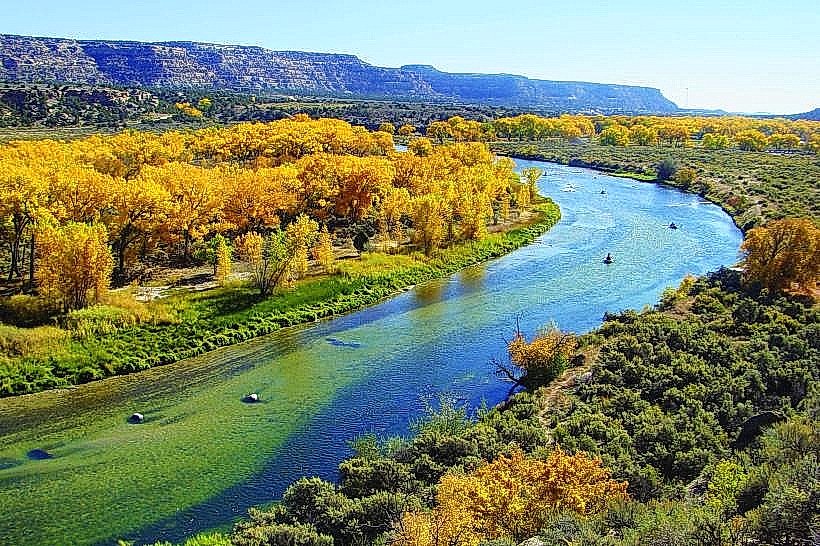
- San Juan River (25km North)
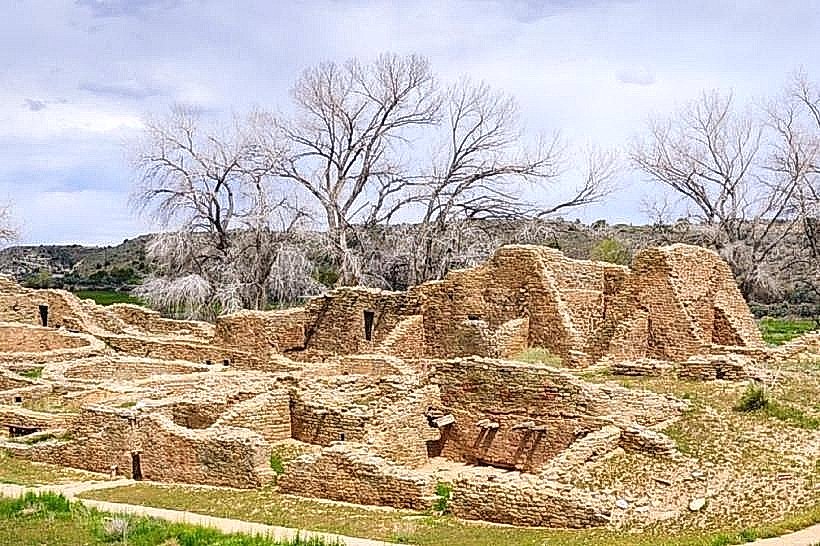
- Aztec Ruins National Monument (30km North)
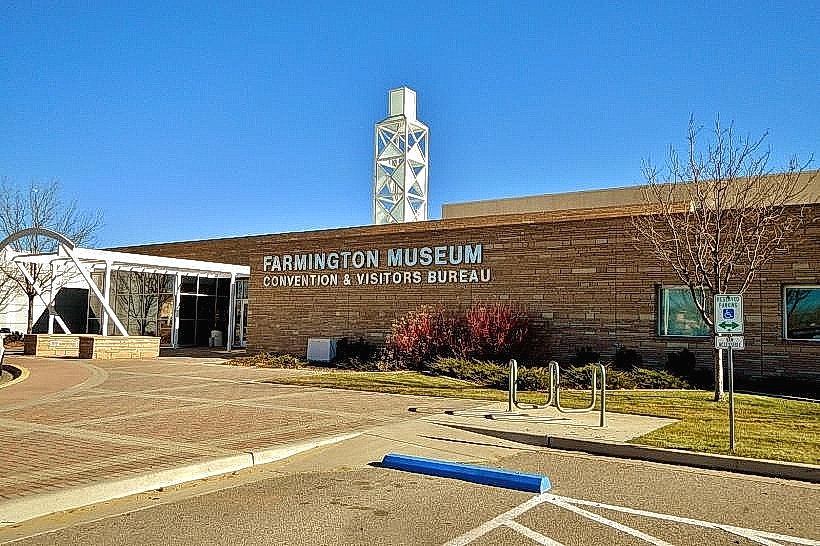
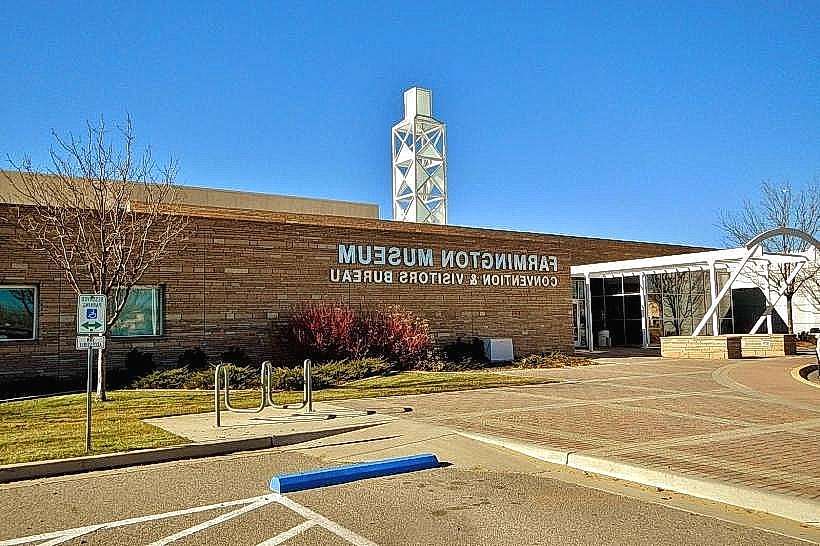
- Farmington Museum and Art Center (35km North)