Information
Landmark: Chaco Culture National Historical ParkCity: Farmington
Country: USA New Mexico
Continent: North America
Chaco Culture National Historical Park, Farmington, USA New Mexico, North America
Chaco Culture National Historical Park preserves a significant ancestral Puebloan center located in northwestern New Mexico, USA. This UNESCO World Heritage site contains the most complex and concentrated architectural and cultural achievements of the Chacoan people.
Visual Characteristics
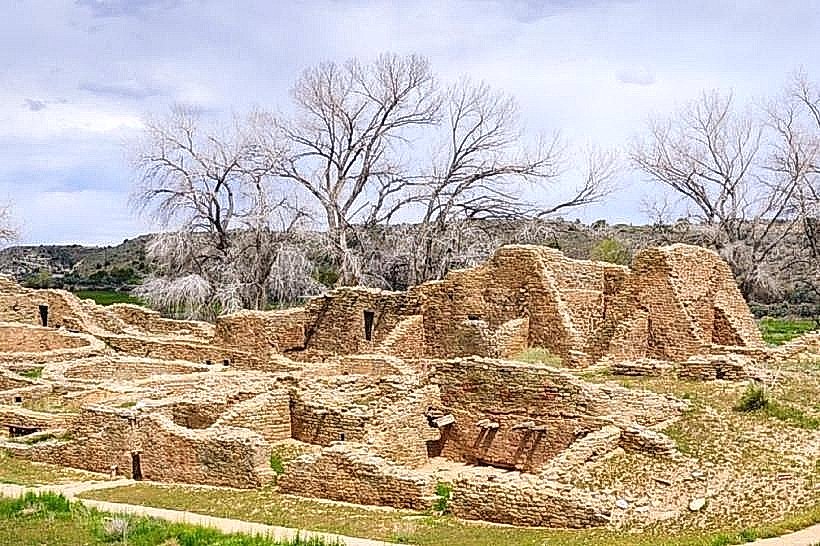
The park features large, multi-story masonry structures, known as "Great Houses," constructed from sandstone blocks and timber. These structures exhibit precise stonework and are characterized by D-shaped floor plans, numerous rooms, and large plazas. The surrounding landscape is arid high desert, with mesas and arroyos.
Location & Access Logistics
Chaco Culture National Historical Park is situated approximately 80 kilometers west of Farmington, New Mexico. Access is via County Road 7900 (also known as the Chaco Canyon Road), a 20-mile unpaved road that can be rough and is not recommended for RVs or vehicles with low ground clearance, especially after rain. The nearest major airport is in Albuquerque (ABQ), about a 3-hour drive southeast. Limited parking is available at the visitor center and near major Great Houses.
Historical & Ecological Origin
The Great Houses were constructed between 850 and 1250 CE by the ancestral Puebloans. Their original purpose is believed to have been ceremonial, administrative, and residential centers for a complex society. The site is located within the Chaco Canyon, a geologically significant area formed by erosion and uplift.
Key Highlights & Activities
Visitors can explore the Great Houses of Pueblo Bonito, Chetro Ketl, and Casa Rinconada. Self-guided walking tours are available at these locations. Ranger-led programs are offered seasonally. Hiking trails, such as the Pueblo Loop Trail (3.4 miles) and the Chacra Mesa Trail, provide access to other sites and viewpoints.
Infrastructure & Amenities
A visitor center provides exhibits and information. Restrooms are available at the visitor center and at designated parking areas. Shade structures are present at some Great Houses. Cell phone signal is generally unreliable within the park. No food vendors are located within the park; visitors should bring their own supplies.
Best Time to Visit
The best time for photography is early morning or late afternoon for optimal lighting on the masonry structures. The most favorable weather conditions occur from April to October. Summer months (June-August) can be very hot. Winter can bring snow and ice, making road conditions challenging.
Facts & Legends
Chaco Canyon was a major center of Chacoan civilization, with evidence suggesting it was a hub for trade and astronomical observation. Some theories propose that the Great Houses were aligned with celestial events. A unique tip for visitors is to check the park's website for information on the annual Chaco Canyon Star Party, which offers exceptional stargazing opportunities due to the park's dark skies.
Nearby Landmarks
- Aztec Ruins National Monument (45km North)
- Salmon Ruins (40km North)
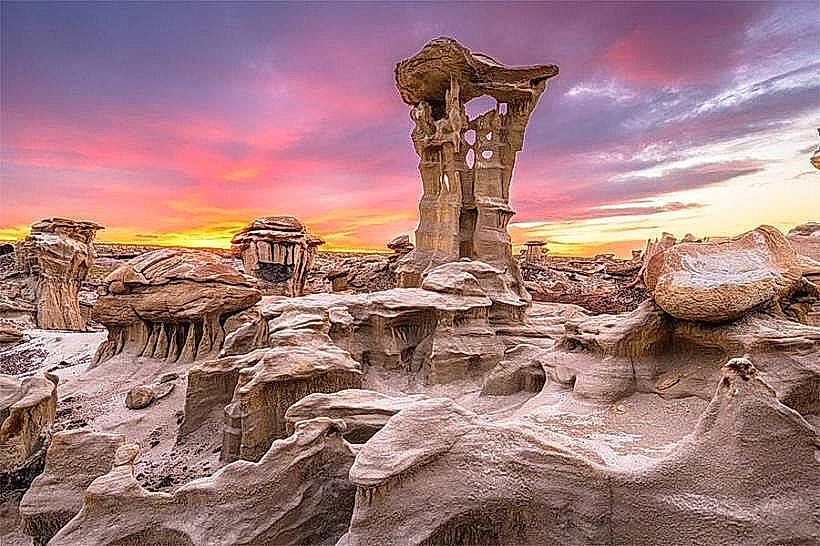
- Bisti/De-Na-Zin Wilderness (50km South)
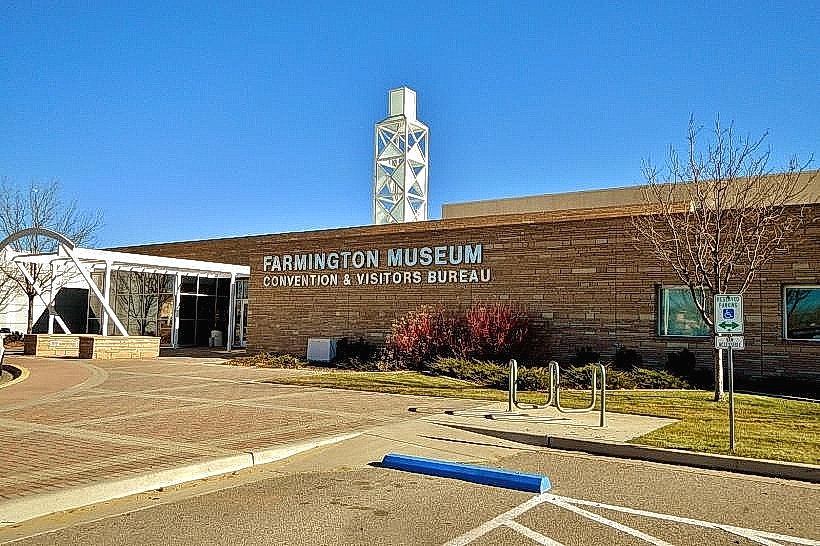
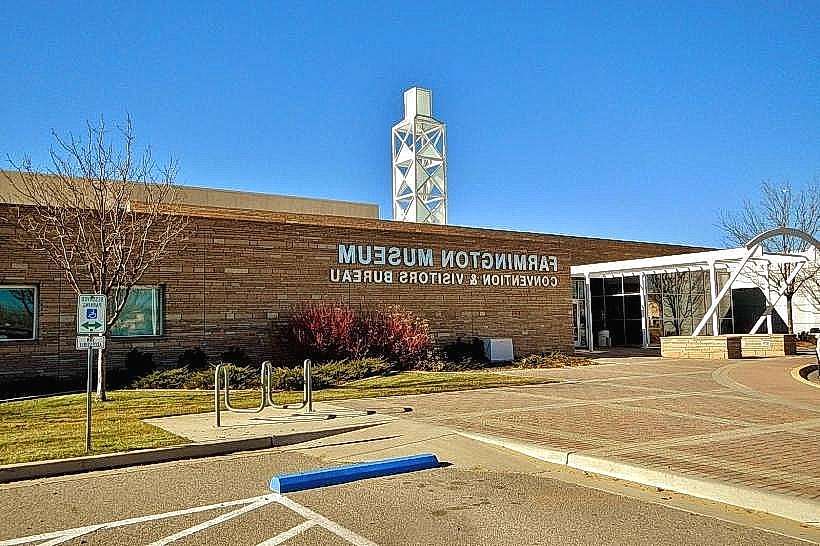
- Farmington Museum and Art Center (80km North)