Information
Landmark: Farmington MuseumCity: Farmington
Country: USA New Mexico
Continent: North America
Farmington Museum, Farmington, USA New Mexico, North America
The Farmington Museum is a cultural institution located in Farmington, New Mexico, USA. It preserves and exhibits the history and art of the region.
Visual Characteristics
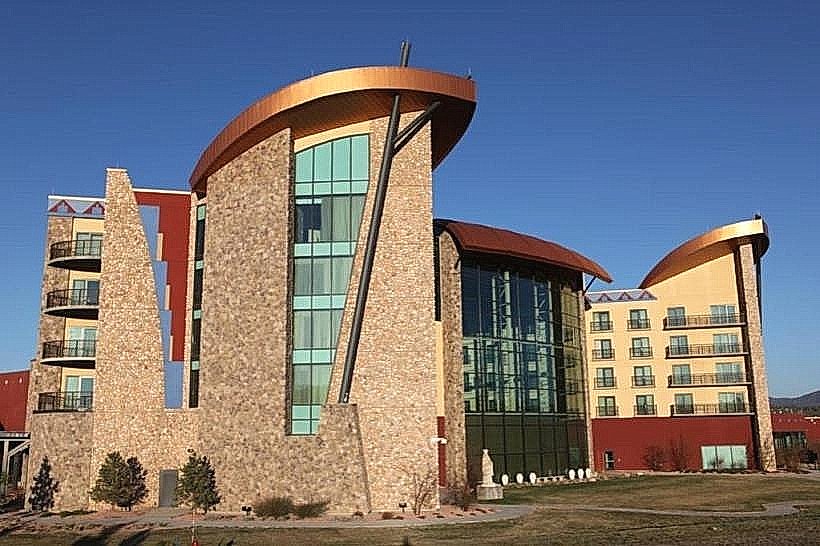
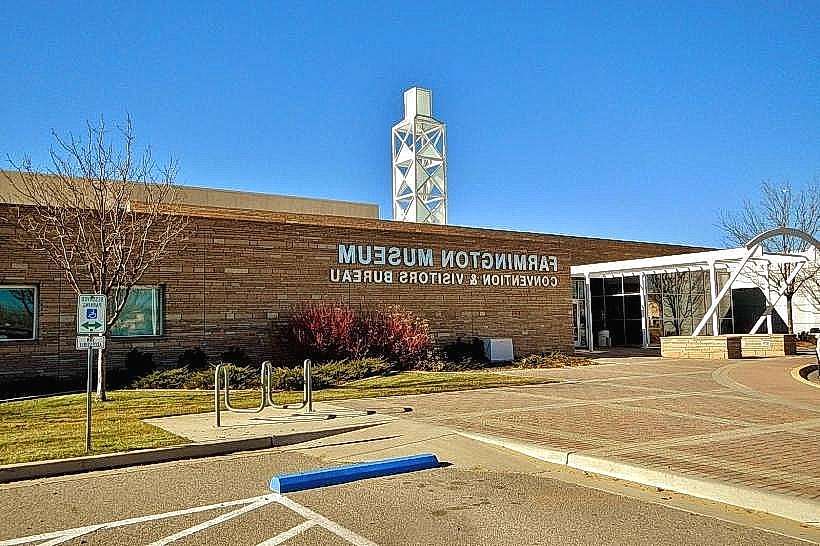
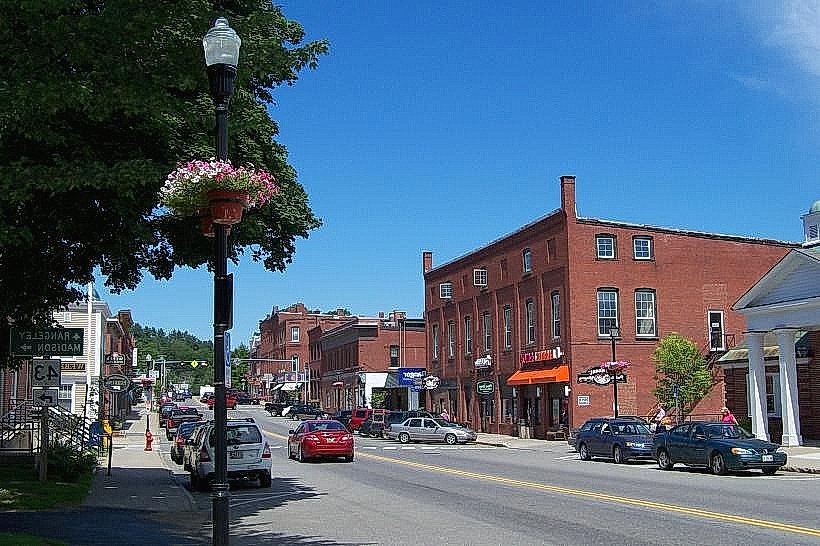
The museum building is constructed from red brick. It features a single story with a flat roof. The main entrance is marked by a prominent, dark-colored door and a sign displaying the museum's name. Large, rectangular windows are visible along the facade.
Location & Access Logistics
The Farmington Museum is situated at 302 North Orchard Avenue in Farmington, New Mexico. It is approximately 1.5 kilometers north of the city center. Parking is available in a dedicated lot adjacent to the museum. Public transport options include the San Juan County Transit bus route 2, which stops within a 5-minute walk of the entrance.
Historical & Ecological Origin
The building that houses the Farmington Museum was originally constructed in 1962 as the Civic Center. It was later repurposed and opened as the Farmington Museum in 1974. Its purpose is to document and display the cultural, historical, and artistic heritage of San Juan County.
Key Highlights & Activities
Exhibits focus on the area's Native American heritage, including artifacts from the Anasazi civilization. The museum also features displays on the region's pioneer history, the oil and gas industry, and local artists. Rotating temporary exhibits are also presented.
Infrastructure & Amenities
Restrooms are available within the museum. Limited seating is provided in exhibition areas. Cell phone signal (4G/5G) is generally consistent inside the building. No on-site food vendors are present, but several restaurants are located within a 1-kilometer radius.
Best Time to Visit
The museum is open Tuesday through Saturday. Mid-morning (10:00 AM - 11:30 AM) often provides a less crowded experience. The best months for visiting are generally April through October, avoiding potential winter weather disruptions.
Facts & Legends
A notable artifact housed at the museum is a fossilized skull of a Tyrannosaurus Rex discovered in the San Juan Basin. Local lore suggests that the area was once inhabited by giants, though this is not supported by archaeological evidence.
Nearby Landmarks
- San Juan College (0.8km Southwest)
- Animas River Trail (1.2km Southeast)
- Gateway Park (1.8km East)
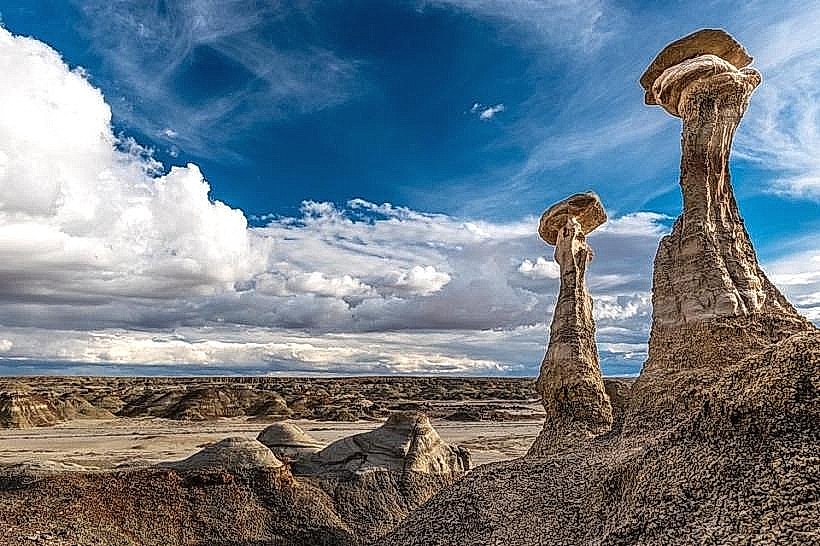
- Bisti/De-Na-Zin Wilderness (Approx. 30km South - requires vehicle access)