Information
Landmark: San Juan RiverCity: Farmington
Country: USA New Mexico
Continent: North America
San Juan River, Farmington, USA New Mexico, North America
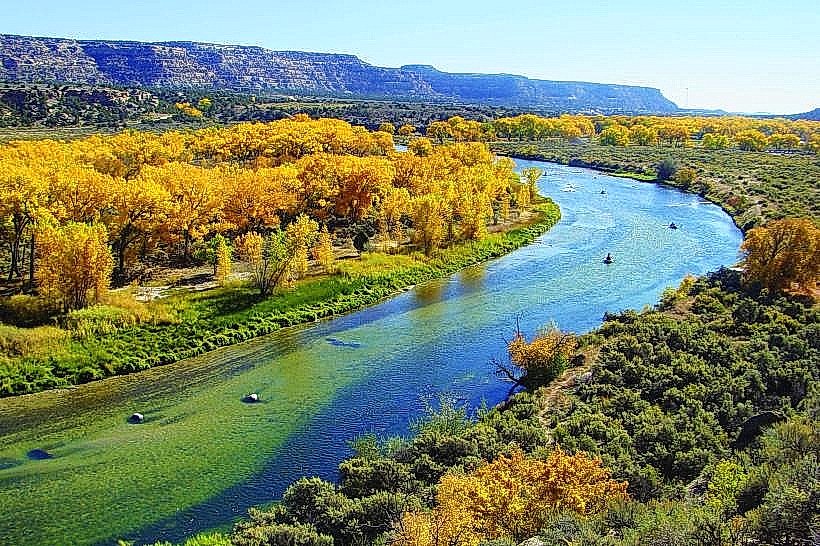
The San Juan River in Farmington, New Mexico, is a significant waterway known for its recreational opportunities and ecological importance.
Visual Characteristics
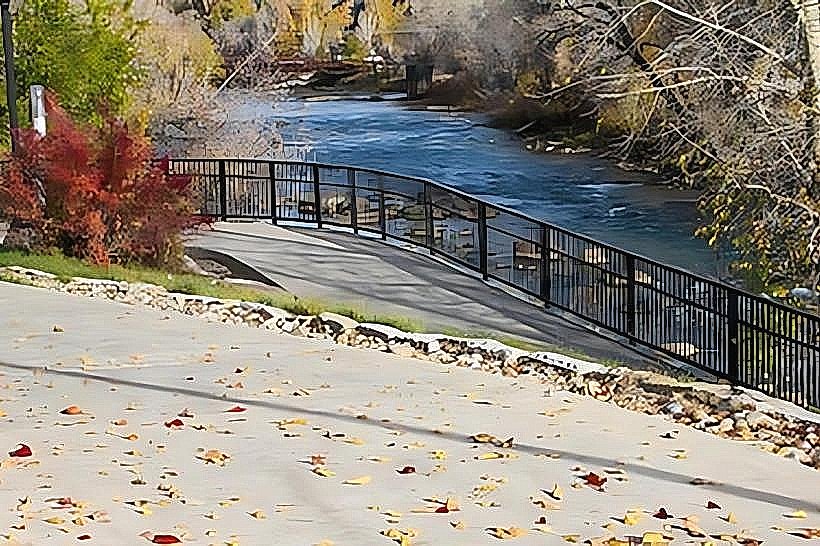
The river's water clarity varies, often appearing clear to slightly turbid depending on recent precipitation and flow rates. The riverbanks are characterized by riparian vegetation, including cottonwood trees and willows, interspersed with sandy or rocky shorelines. The river's width averages approximately 100 feet, with depths ranging from shallow riffles to deeper pools.
Location & Access Logistics
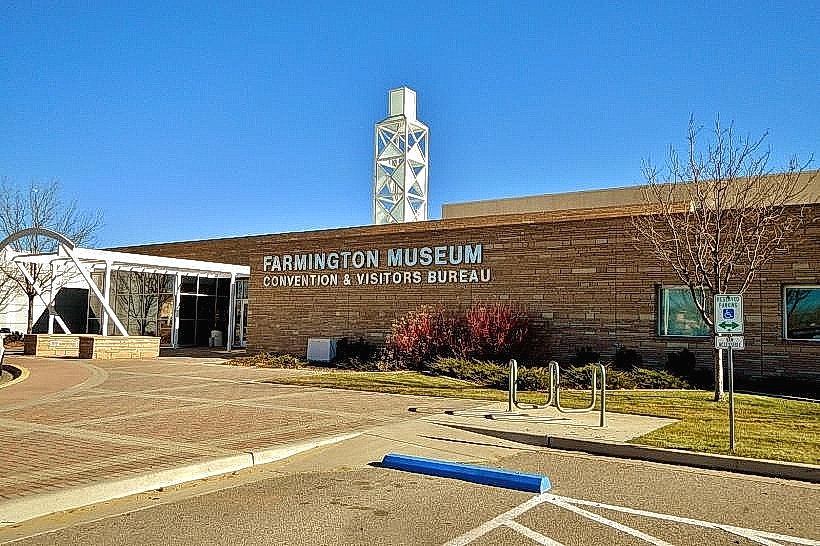
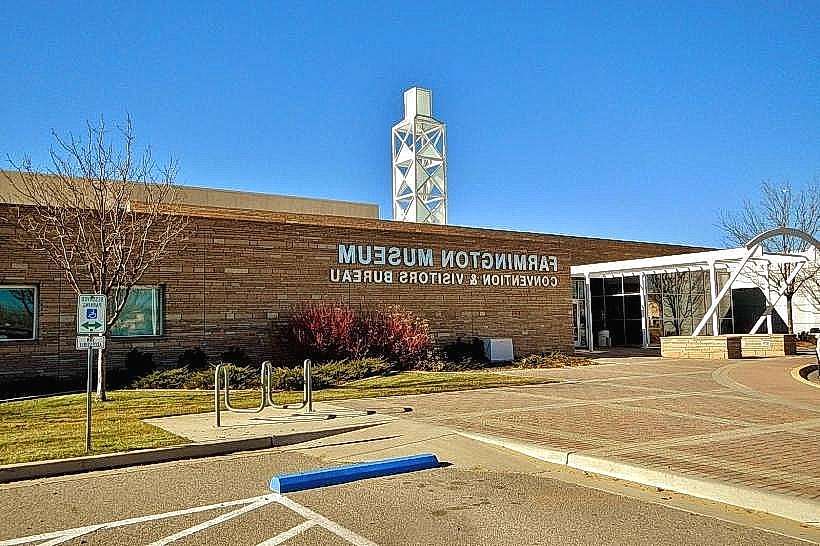
The San Juan River flows through the city of Farmington, New Mexico. Access points are numerous within the city limits. Major access is available from the Animas River Trail system, which runs parallel to the river. Parking is available at various trailheads, including those near the Farmington Museum and Civic Center, and at lakes like Lake Farmington. Public transport within Farmington is limited; driving is the primary method of access. The river is accessible from Highway 64 (Main Street) and various local roads.
Historical & Ecological Origin
The San Juan River is a major tributary of the Colorado River. Its current flow and characteristics in the Farmington area are significantly influenced by the upstream Navajo Dam, constructed in the 1960s for water storage and hydroelectric power. This dam regulates water releases, impacting the river's temperature and flow, which in turn affects its ecosystem.
Key Highlights & Activities
Fishing for trout (rainbow and brown) is a primary activity, particularly in the tailwaters below Navajo Dam. Kayaking and rafting are possible, with specific put-in and take-out points identified along the river. The Animas River Trail provides opportunities for walking, jogging, and cycling alongside the river. Birdwatching is also common due to the riparian habitat.
Infrastructure & Amenities
Restrooms are available at several park and trail access points along the Animas River Trail. Shade is provided by mature cottonwood trees in many areas. Cell phone signal (4G/5G) is generally available within Farmington and along the developed trail system. Food vendors are not typically located directly on the riverbanks but are available in nearby commercial areas of Farmington.
Best Time to Visit
For fishing, the tailwaters below Navajo Dam offer consistent conditions year-round due to regulated releases. Spring (April-May) and Fall (September-October) provide pleasant temperatures for outdoor activities. Summer months can be hot, with midday temperatures exceeding 90°F (32°C). High tide is not a relevant factor for this river system.
Facts & Legends
The San Juan River is renowned for its "Quality Waters" section below Navajo Dam, managed to promote trophy trout fishing. This section has specific regulations, including artificial lures and flies only, and catch-and-release policies for certain sizes of fish, contributing to its reputation as a premier trout fishery.
Nearby Landmarks
- Farmington Museum and Civic Center (0.8km West)
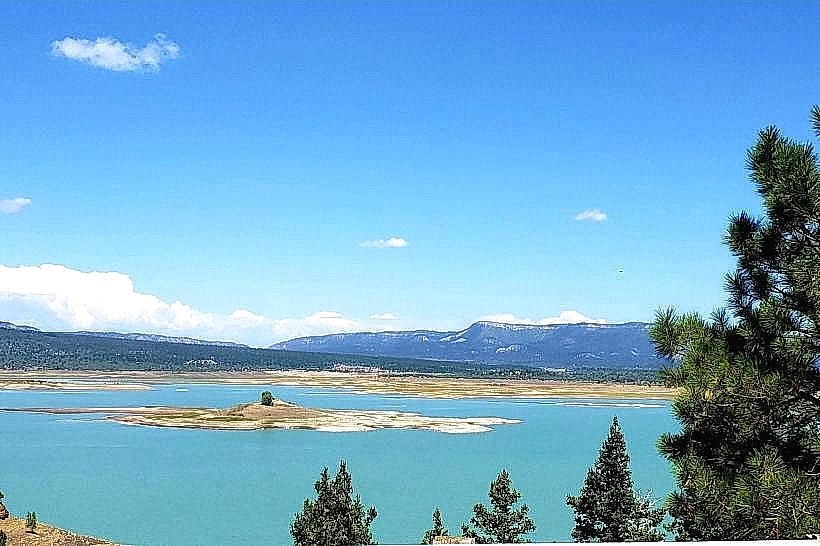
- Lake Farmington (3.5km Southwest)
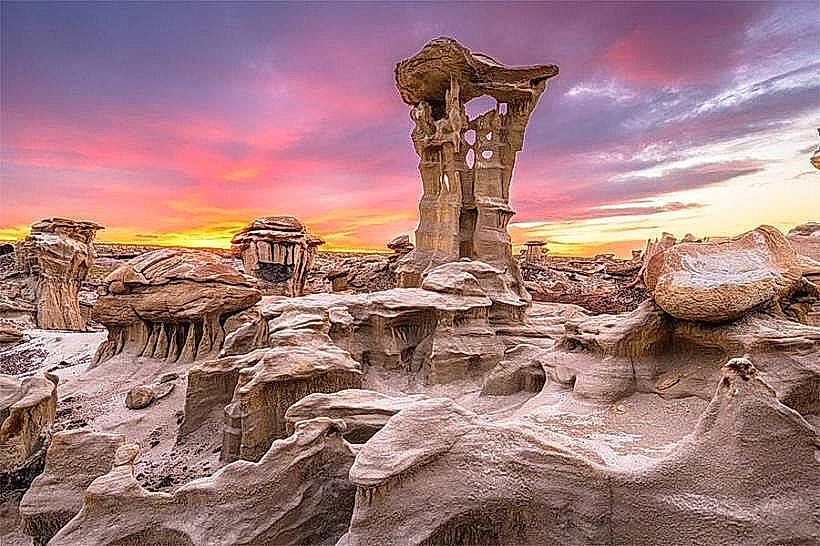
- Bisti/De-Na-Zin Wilderness (30km South)
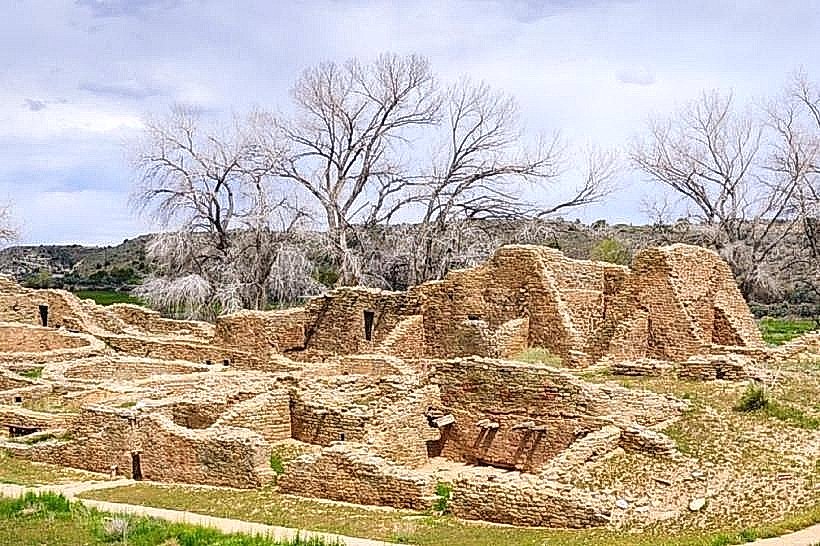
- Aztec Ruins National Monument (15km Northeast)
- Navajo Dam (25km East)