Information
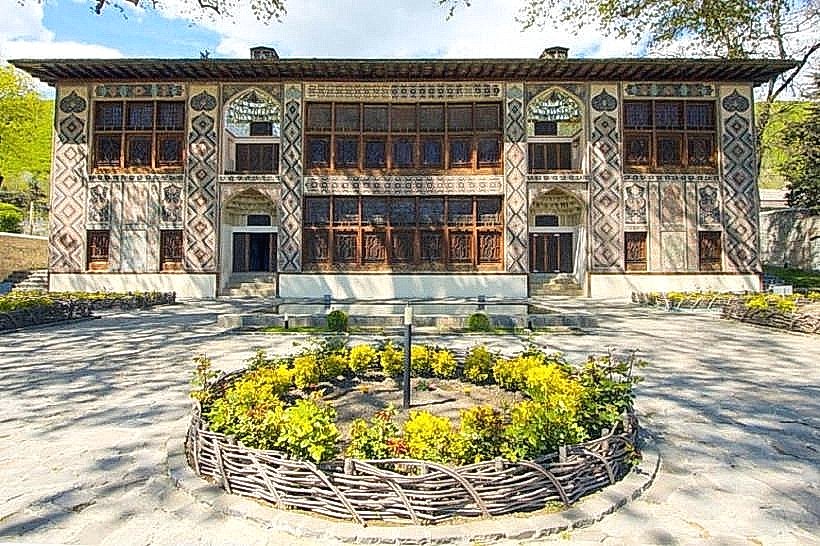
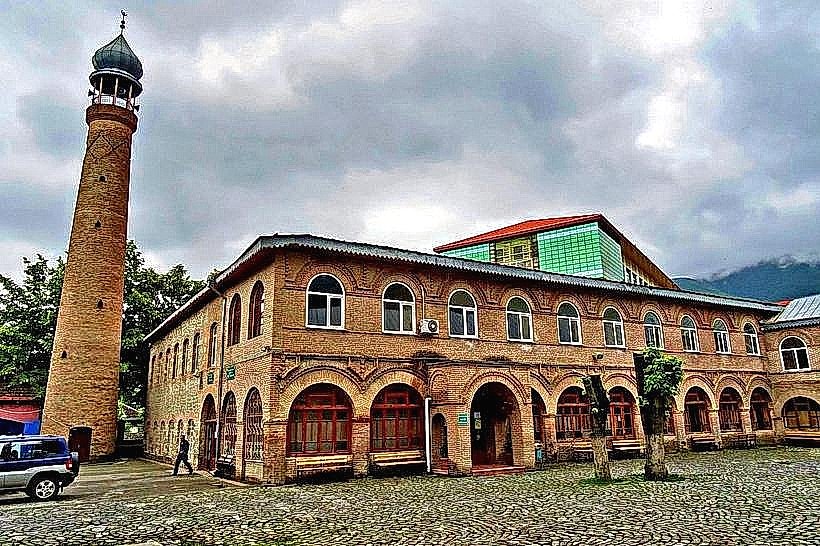
Landmark: Caravanserai in ShekiCity: Sheki
Country: Azerbaijan
Continent: Asia
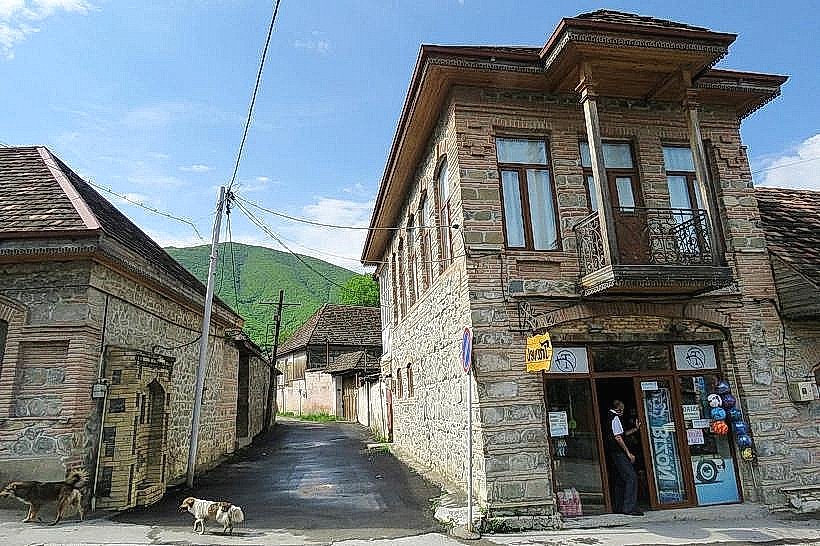
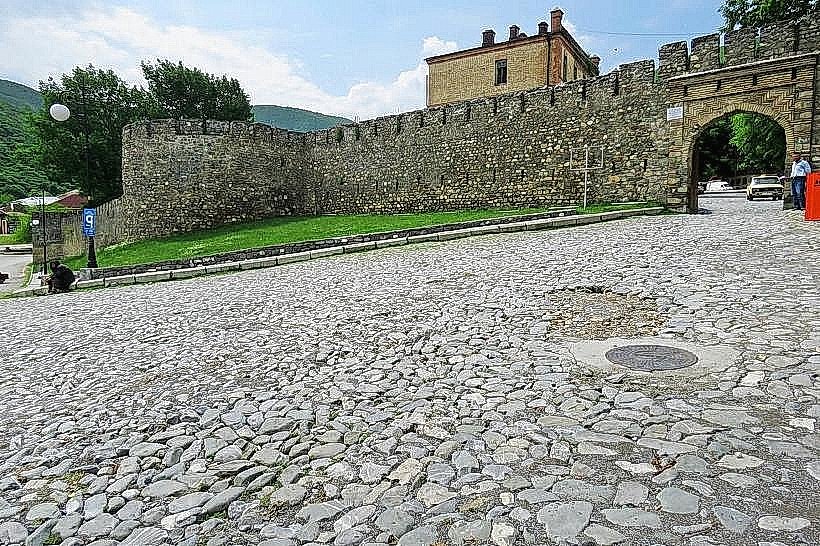
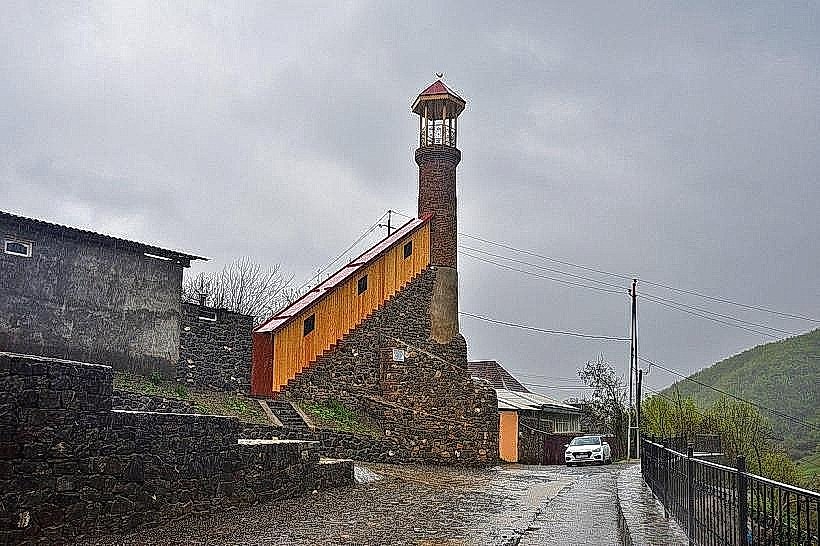
Caravanserai in Sheki, Sheki, Azerbaijan, Asia
The Wieliczka Salt Mine is an underground salt mine located in the town of Wieliczka, near Krakow, Poland.
Visual Characteristics
The mine consists of a network of chambers, tunnels, and underground lakes carved from rock salt. The salt itself varies in color from grey to white, with some deposits exhibiting brown or reddish hues due to mineral impurities. The underground passages are supported by wooden beams and feature numerous sculptures and chapels carved directly from the salt. The average depth of the mine's tourist route is approximately 135 meters below ground level.
Location & Access Logistics
The Wieliczka Salt Mine is situated approximately 13 kilometers southeast of Krakow's city center. Access is via the national road DK7 and then local roads leading to the mine. Ample parking is available on-site for private vehicles. Public transport options include bus lines 139, 204, 244, and 304 from Krakow's main bus station (Dworzec MDA), which stop directly at the mine entrance. The journey typically takes 30-40 minutes.
Historical & Ecological Origin
Salt extraction at this site began in the 13th century, making it one of the oldest continuously operating salt mines in the world. The mine was developed by successive generations of miners, with significant expansion and architectural additions occurring throughout the medieval period and into the 19th century. The geological formation is a Miocene evaporite deposit, primarily composed of halite (rock salt).
Key Highlights & Activities
Visitors can explore the mine via guided tours along designated routes. The primary tourist route covers approximately 3.5 kilometers and includes visits to St. Kinga's Chapel, the underground salt lakes, and various historical mining chambers. Special themed tours focusing on mining history or religious aspects are also available. Photography is permitted in most areas, though flash may be restricted in certain sections.
Infrastructure & Amenities
Restrooms are available at the surface level and at specific points within the mine. Shade is provided by the underground environment. Cell phone signal (4G/5G) is generally absent within the mine. Food vendors and a restaurant are located at the surface complex near the mine entrance.
Best Time to Visit
The mine's temperature remains constant at approximately 14-16 degrees Celsius year-round, making any time suitable from a temperature perspective. For optimal lighting conditions for photography, consider visiting during daylight hours when surface light is strongest, although the mine's artificial lighting is designed for visibility. There are no tide-related considerations for visiting the mine.
Facts & Legends
A notable legend associated with the mine concerns Saint Kinga, the patron saint of salt miners. It is said that she threw her engagement ring into a salt mine in Hungary, and when salt was later discovered in Wieliczka, the ring was found within the first block of salt extracted, signifying her blessing on the Polish mine. The St. Kinga's Chapel, carved entirely from salt, is a testament to the miners' artistry and faith.
Nearby Landmarks
- Wieliczka Town Square (0.3km West)
- St. Francis of Assisi Church (0.4km Northwest)
- Grand Hotel Krakow (12km Southwest)
- Wawel Castle (13km Southwest)
- Main Market Square, Krakow (13km Southwest)