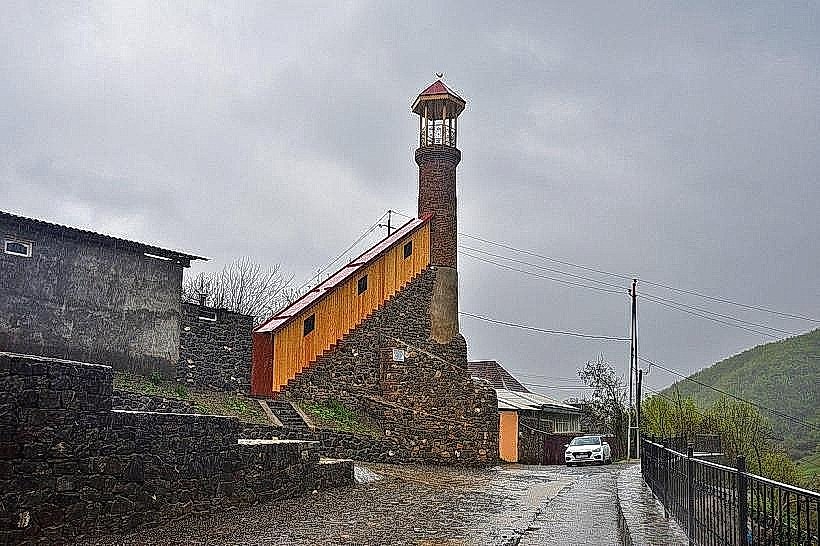
Information
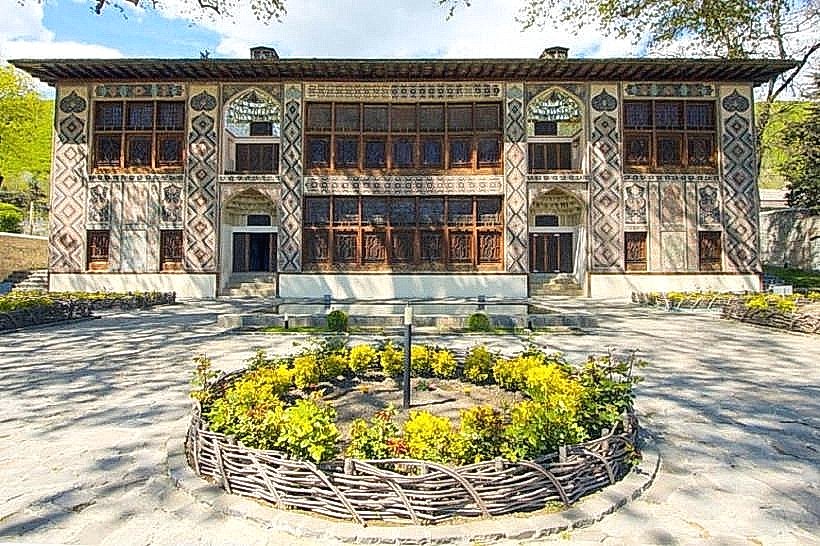
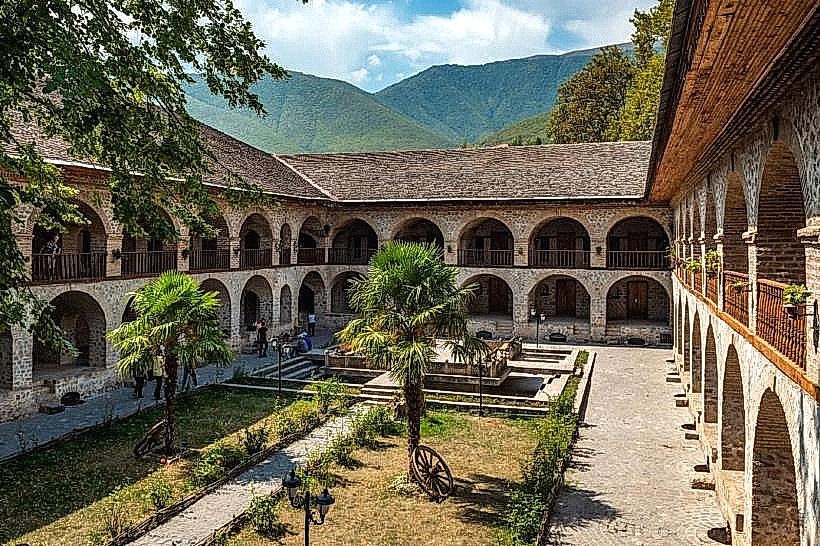
Landmark: Juma MosqueCity: Sheki
Country: Azerbaijan
Continent: Asia
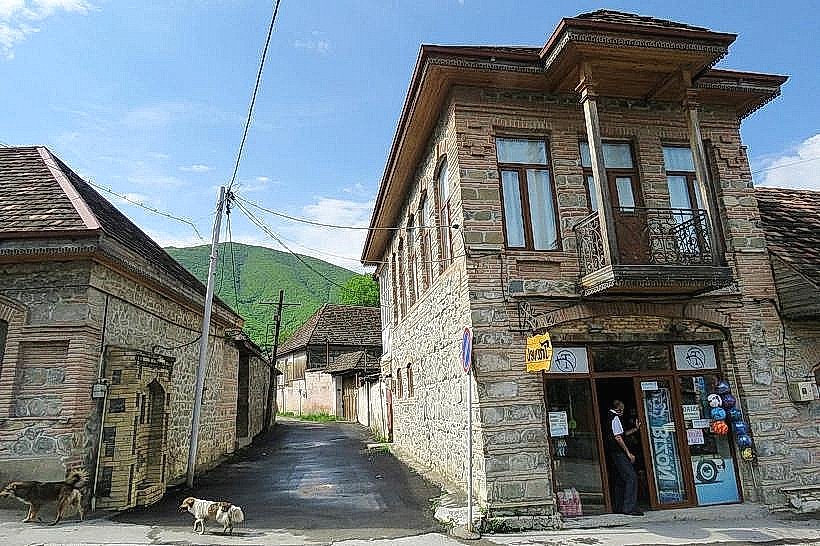
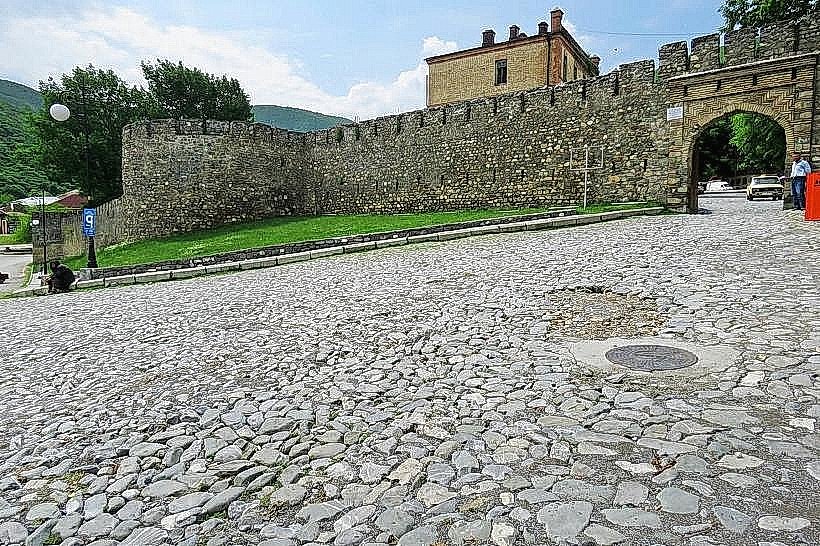
Juma Mosque, Sheki, Azerbaijan, Asia
Bamendjin Lake is a man-made reservoir located near Nkongsamba in the Littoral Region of Cameroon.
Visual Characteristics
The lake's surface is generally calm, reflecting the surrounding vegetation. The water color varies from deep blue to greenish-brown depending on depth and sediment load. The shoreline is characterized by dense tropical foliage, including palm trees and various shrubs. The dam structure itself is composed of compacted earth and rock.
Location & Access Logistics
Bamendjin Lake is situated approximately 15 kilometers northwest of Nkongsamba. Access is primarily via the N5 national road, turning off onto a secondary, unpaved road for the final 3 kilometers. This unpaved section can become challenging during the rainy season. Limited parking is available near the dam. Public transport to Nkongsamba is available, but direct transport to the lake is not common; local taxis or private vehicles are recommended for the final leg.
Historical & Ecological Origin
The lake was created by the construction of the Bamendjin Dam, an earth-fill embankment dam built between 1975 and 1978. Its primary purpose was to provide water for irrigation in the surrounding agricultural areas, particularly for banana plantations. Ecologically, it is a freshwater reservoir supporting local aquatic life and influencing the microclimate of the immediate vicinity.
Key Highlights & Activities
Fishing is a common activity for local residents. Birdwatching is possible due to the presence of various water birds. The dam structure offers a vantage point for observing the lake and surrounding landscape. Walking along the dam crest is permitted.
Infrastructure & Amenities
Restrooms are not consistently available at the lake site. Shade is provided by the natural vegetation. Cell phone signal (2G/3G) is generally weak to intermittent. There are no permanent food vendors directly at the lake; provisions should be made in Nkongsamba.
Best Time to Visit
The dry season, from November to March, offers the most accessible conditions for travel to the lake. The late afternoon provides softer lighting for photography. High tide is not a relevant factor for this reservoir.
Facts & Legends
A local belief suggests that the lake's creation displaced a significant number of spirits, and unusual weather patterns are sometimes attributed to their lingering presence. The dam's construction involved significant local labor and engineering challenges due to the terrain.
Nearby Landmarks
- Nkongsamba Central Market (15km Southeast)
- Mount Manengouba (30km West)
- Ekom Nkam Waterfall (40km Northeast)