Information
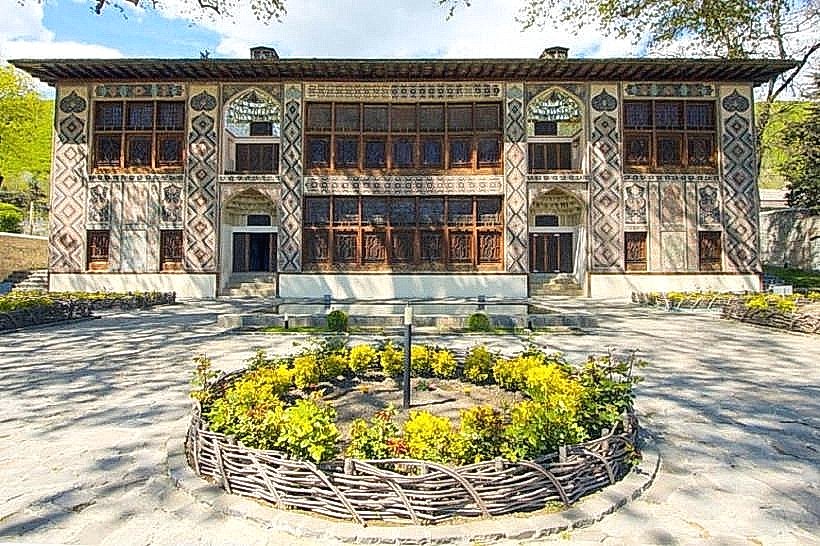
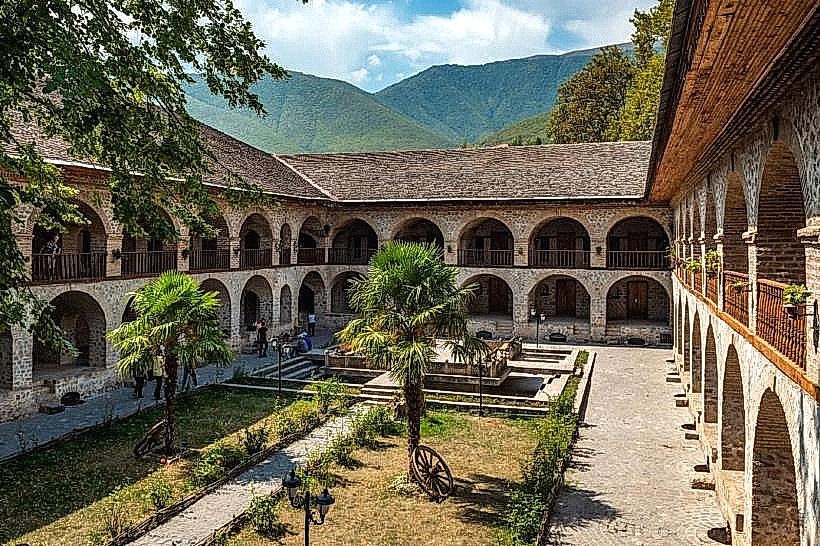
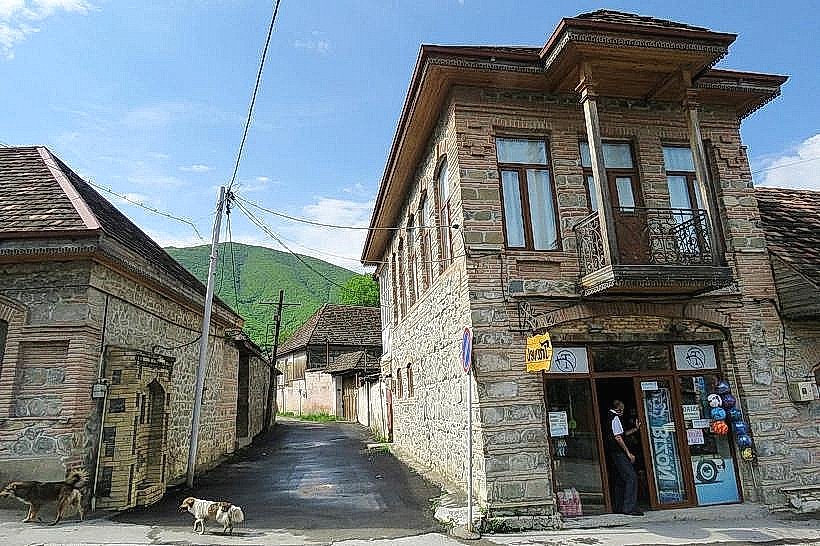
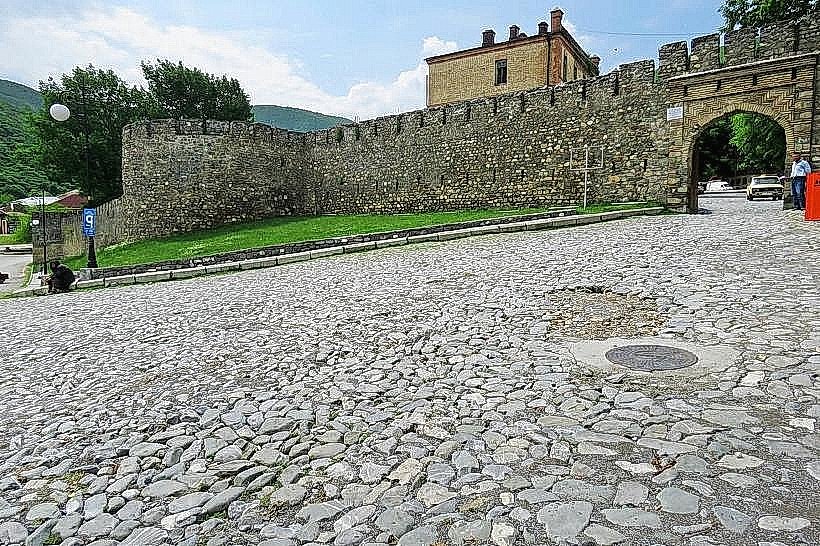
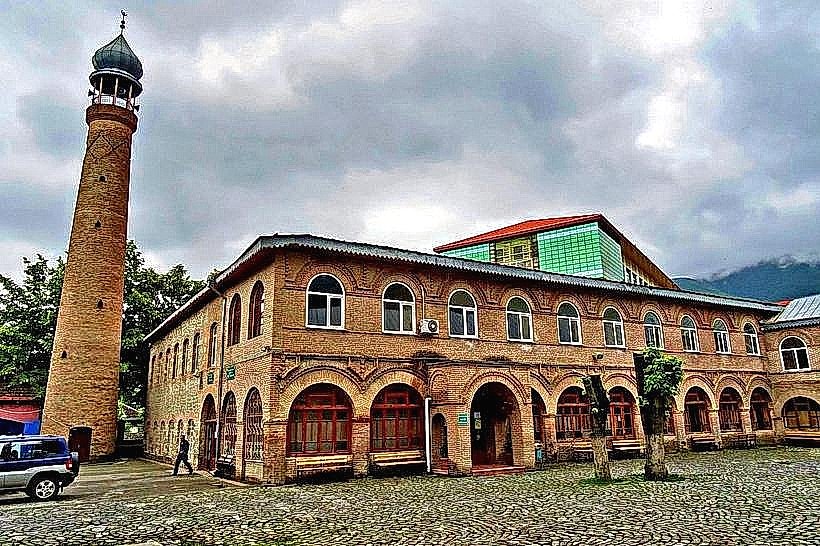
Landmark: Gileili MinaretCity: Sheki
Country: Azerbaijan
Continent: Asia
Gileili Minaret, Sheki, Azerbaijan, Asia
Nkongsamba Central Market is a primary commercial hub located in the city of Nkongsamba, Littoral Region, Cameroon.
Visual Characteristics
The market consists of a series of open-air stalls and covered sections constructed primarily from corrugated metal sheeting and concrete. Structures are generally low-rise, with stalls arranged in a grid pattern. Materials include rough-hewn wood for shelving and display tables. Colors are dominated by the natural tones of produce, textiles, and the weathered metal roofs.
Location & Access Logistics
The market is situated in the central district of Nkongsamba, approximately 0.5km west of the main N1 road. Access is directly from Rue de la Poste. Parking is available on adjacent unpaved lots, often congested during peak hours. Public transport includes local taxis and shared minibuses (moto-taxis and 'buses') that frequent the main roads surrounding the market.
Historical & Ecological Origin
Nkongsamba Central Market's origins are tied to the city's development as a regional administrative and agricultural center in the early to mid-20th century. It evolved organically to serve the needs of local farmers and traders. The site itself is situated on relatively flat terrain within the urban landscape.
Key Highlights & Activities
Purchasing fresh produce, including local fruits, vegetables, and tubers. Sourcing textiles and clothing. Engaging with local artisans selling crafts. Buying prepared foods from street vendors. Observing daily commercial transactions.
Infrastructure & Amenities
Restrooms are available but are basic and may require a small fee for use. Shade is provided by corrugated metal roofs over many stalls. Cell phone signal (2G/3G) is generally available within the market area. Food vendors are present throughout the market, offering local dishes.
Best Time to Visit
The market is most active from early morning (approximately 6:00 AM) until late afternoon (around 5:00 PM). For the widest selection of fresh produce, visit between 7:00 AM and 11:00 AM. Midday can be hot; the late afternoon offers a slightly cooler experience as vendors begin to pack up.
Facts & Legends
A specific local practice involves traders arranging certain fruits in geometric patterns to attract customers, a tradition believed to bring good fortune to the stall. The market is known for its extensive selection of medicinal plants sold by specialized vendors.
Nearby Landmarks
- Nkongsamba City Hall (0.3km East)
- St. Peter's Cathedral (0.7km Northeast)
- Nkongsamba Regional Hospital (1.2km Southwest)
- Central Post Office (0.4km East)