Information
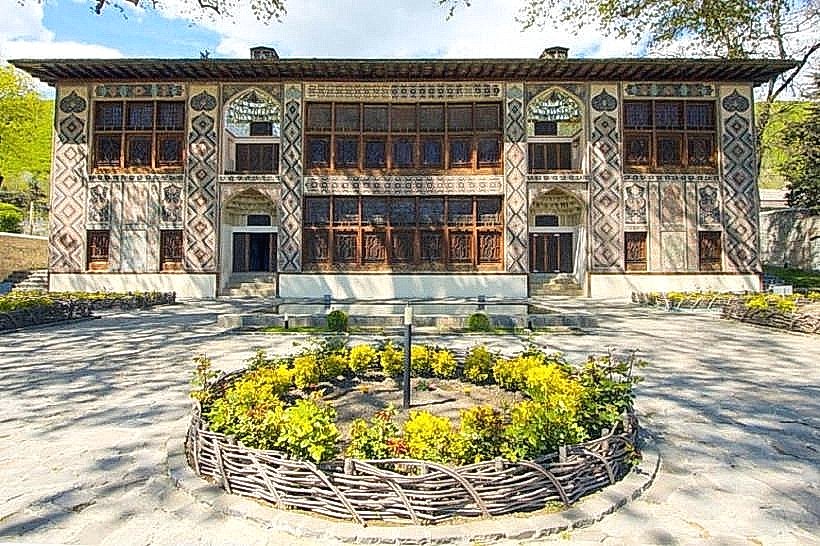
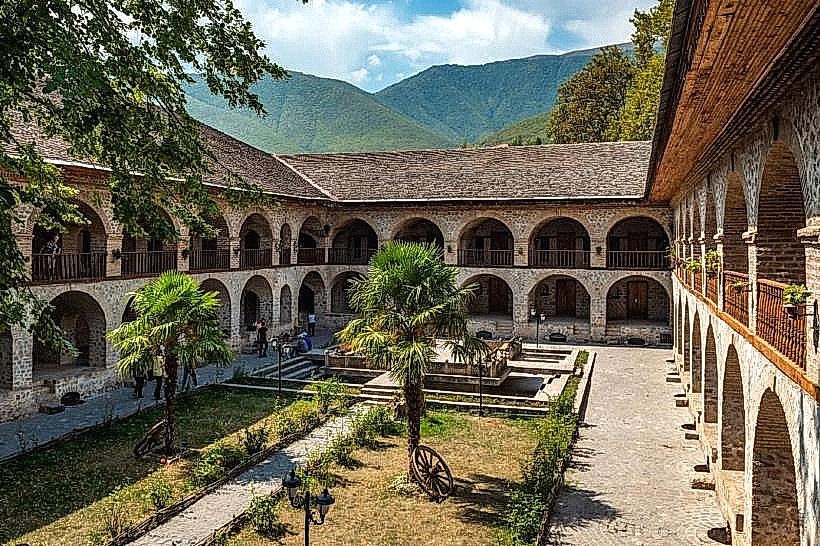
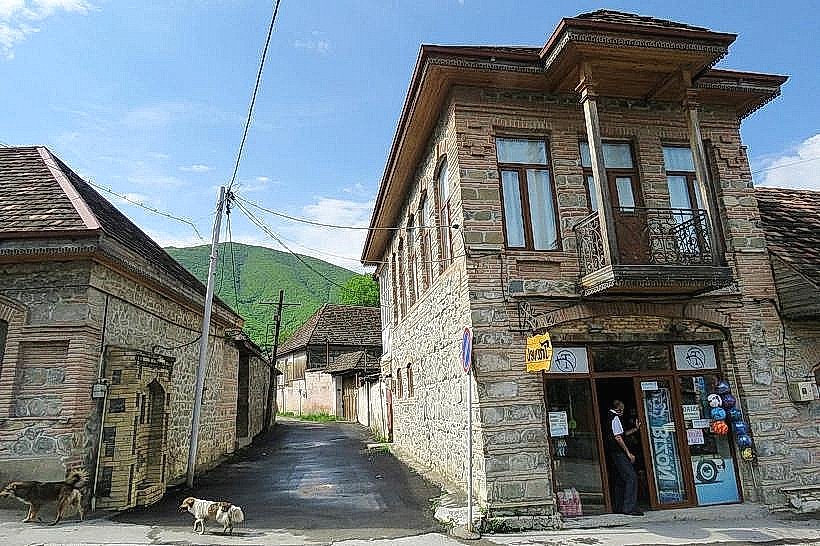
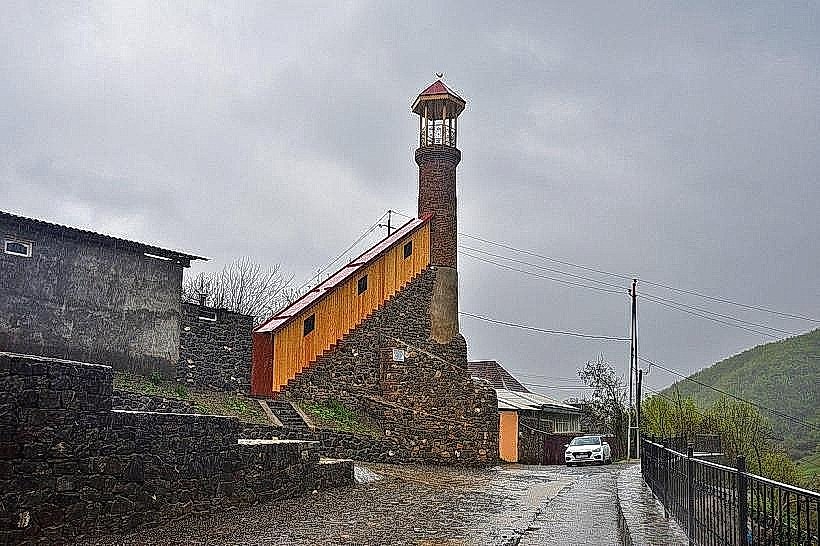
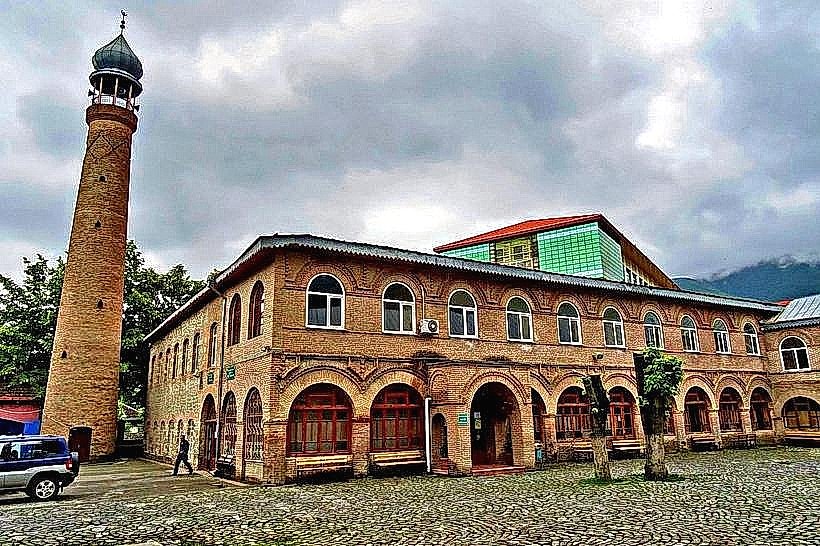
Landmark: Sheki FortressCity: Sheki
Country: Azerbaijan
Continent: Asia
Sheki Fortress, Sheki, Azerbaijan, Asia
Lake Monoun is a crater lake located in the Oku Volcanic Field, near the town of Nkongsamba in Cameroon.
Visual Characteristics
Lake Monoun is a small, roughly circular lake with a surface area of approximately 10 hectares. Its waters are typically a dark, deep blue, reflecting the surrounding dense tropical rainforest. The lake is situated within a volcanic crater, with steep, vegetated slopes rising from its edges.
Location & Access Logistics
Lake Monoun is situated approximately 25 kilometers northwest of Nkongsamba. Access is primarily via unpaved local roads branching off the main N1 road. The final approach may require a 4x4 vehicle, especially during the rainy season. There is no designated public transport to the lake; private vehicles or hired taxis are the most common means of access. Parking is informal and available on the roadside near the lake.
Historical & Ecological Origin
Lake Monoun is a maar lake, formed by a phreatomagmatic eruption where magma interacted with groundwater. This geological event occurred thousands of years ago. The lake is part of the Oku Volcanic Field, an area characterized by volcanic activity and numerous crater lakes.
Key Highlights & Activities
Observation of the lake's unique geological setting is the primary activity. The surrounding forest offers opportunities for birdwatching. Due to its remote location and lack of facilities, organized activities are minimal.
Infrastructure & Amenities
There are no formal infrastructure or amenities at Lake Monoun. Restrooms, shade structures, and food vendors are absent. Cell phone signal is unreliable to non-existent in the immediate vicinity.
Best Time to Visit
The dry season, from November to March, offers the most accessible conditions for reaching the lake. Mid-morning provides moderate lighting for photography. There are no tidal considerations.
Facts & Legends
Lake Monoun is known for the 1984 Limnic eruption event, where a sudden release of carbon dioxide from the lake's depths caused the deaths of 37 people in nearby villages. This event highlighted the potential danger of deep, stratified lakes in volcanic regions.
Nearby Landmarks
- Lake Nyos (15km Northwest)
- Oku Volcanic Field (General area)
- Mount Oku (30km Northeast)